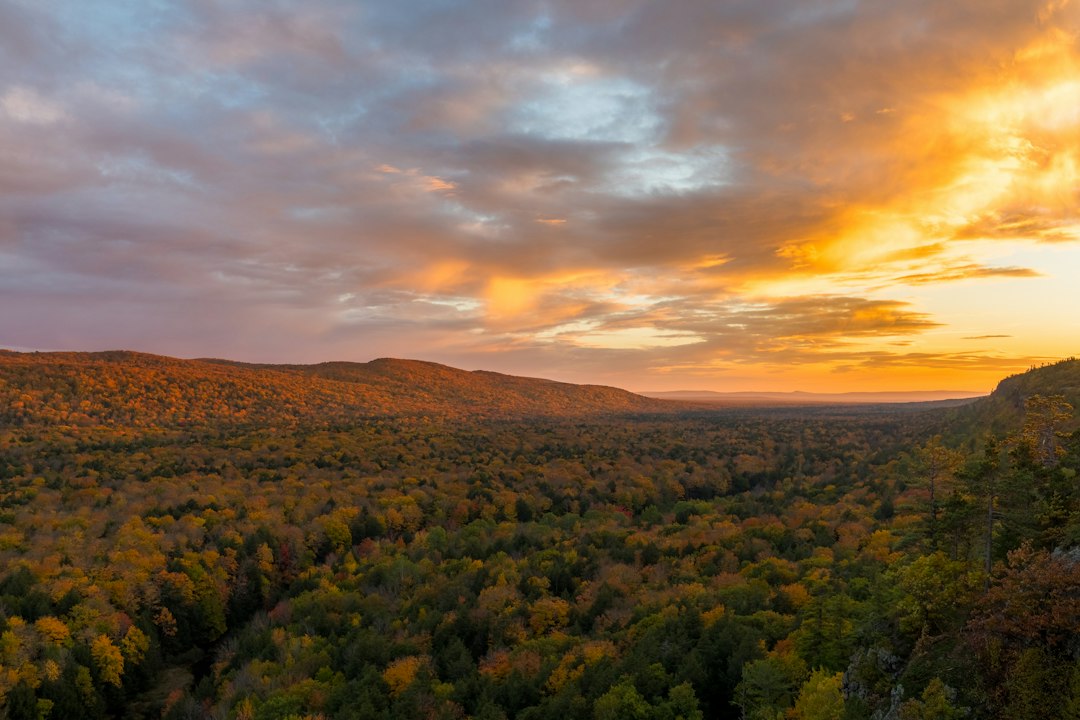
The parking lot at Lake of the Clouds was full by 8:40 on a Saturday morning, and nobody in it seemed to mind waiting. We stood three deep at the rail in light gloves and September breath, watching a valley the size of a small city burn quietly in every direction — maple red, birch gold, the deep patient green of hemlock holding the seams together. A photographer on my crew had been chasing color across four states that week, and she shot maybe forty frames here before putting the camera down. “That’s the one,” she said. “We can go home now.” We stayed three more days. You should too.
Here’s the short version of why: the Porcupine Mountains — the Porkies, to anyone who’s actually been — hold sixty thousand acres of wilderness in Michigan’s western Upper Peninsula, including one of the largest blocks of old-growth hardwood forest left in the Midwest. When that much maple turns at once, the effect isn’t scenery anymore. It’s weather. And for about two weeks every year, usually starting the last week of September, you can stand inside it.
The Two-Week Clock
Timing is the whole game up here, and the Porkies run on their own schedule. Color moves across Michigan from north to south, and the western UP goes first — which means while Detroit is still in shorts, the Big Carp River valley is already peaking. Our trips have landed between September 25 and October 5 more often than not, and that’s still the window I’d book against. I laid out the broader forecasting logic I use in my fall foliage forecast guide, but the local wrinkle matters: Lake Superior sits cold and enormous to the north, and it buys the shoreline a few extra days of green while the ridgelines go early. If you can only pick one weekend, aim early. Color past peak in the Porkies still beats most places at their best, but peak is peak.
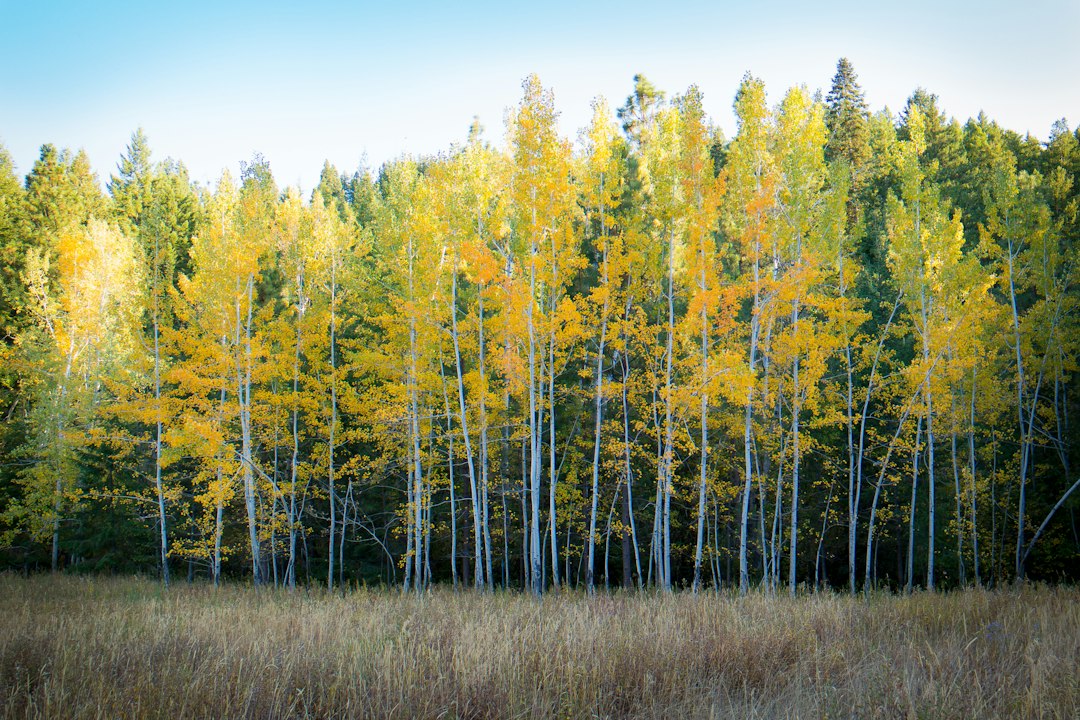
One thing I’ll note for the planners: this is not a peak you can dial in from a desk. Reports conflict wildly year to year — I’ve watched “high color” forecasts turn to bare branches in four windy days, and I’ve watched a slow warm stretch hold the maples fire-engine red for two full weeks. Build a flexible window, watch the Michigan DNR’s fall color reports and the local Ontonagon County updates, and accept that a little gambling is part of the fun. The park delivers either way.
The Overlook That Silenced the Car
Lake of the Clouds is the postcard, and I won’t pretend otherwise. You drive M-107 out of Silver City, park at the end, and walk a short paved path to a railing — no summit required, no gear needed, fully worth it. Below you, the Big Carp River bends through a mile-wide bowl of color, the lake itself reflecting whatever the sky is doing. Sunrise is the serious play: the valley fills with low light while mist burns off the water, and the whole bowl looks lit from inside.
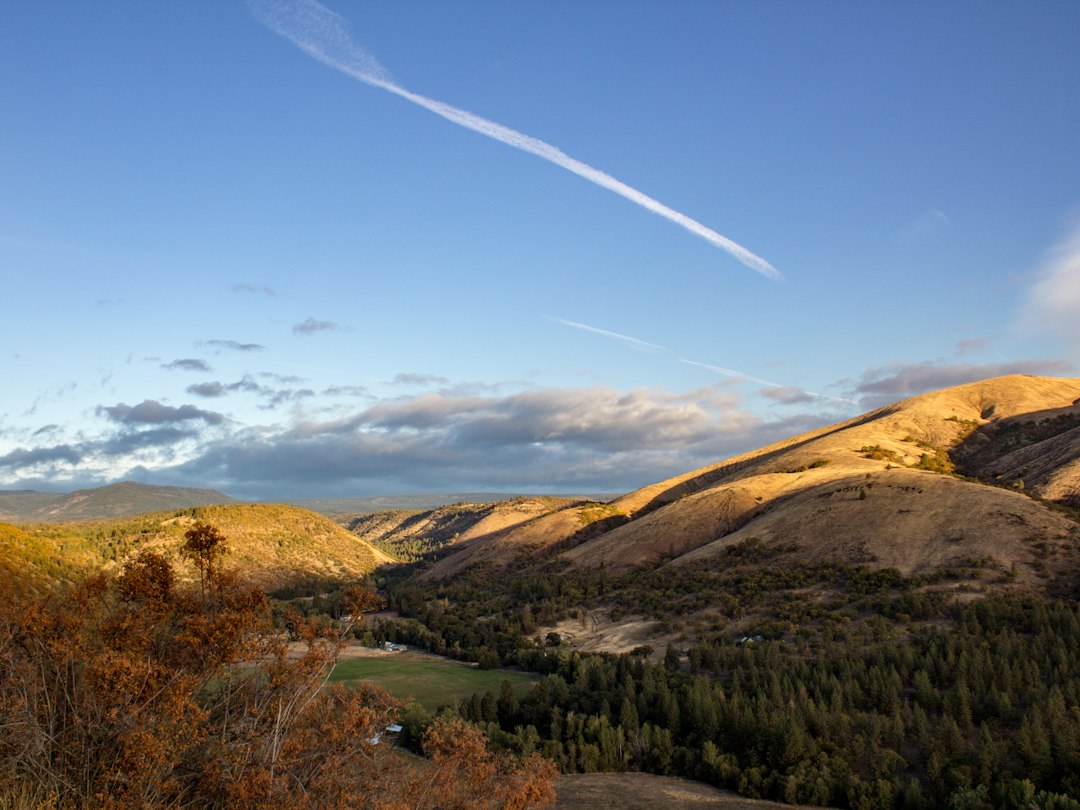
Go early or go late, and on a clear weekday you’ll sometimes have the rail to yourself. Midday weekends are another story — tour buses from the copper-country towns roll through, and the lot cycles constantly. My crew’s rule became simple: overlooks at the bookends of the day, trails in the middle. It’s a rhythm that works almost anywhere, but it’s almost mandatory here.
The Escarpment Trail is the upgrade. It runs the ridge above the lake for about four miles of rolling clifftop walking, and the valley stays in view for long stretches in a way the overlook only hints at. You don’t need to do the whole thing — even the first mile and a half from the Lake of the Clouds end delivers the goods, threading through open rock outcrops where the hardwoods fall away below you. Watch your footing on wet bedrock, and give the edges honest distance with kids or dogs.
Summit Peak: The Stairway Above the Sea of Maple
Summit Peak sits at just under 1,950 feet, and the observation tower on top puts you above everything for what feels like half of the UP. The walk up is a gentle half-mile through big hemlocks, and then the tower stairs — a few dozen of them — lift you over the canopy into a view that runs clear across the park’s green-and-gold interior on a fair day. We took up a Thermos food jar loaded with soup on our first climb, and I’ll be honest: eating hot chowder above a burning forest while the wind does the work of a hundred fans is a core memory now. Pack something warm. It earns its space.
This is also where I’d carry optics. The ridges here hold real distance — we’ve watched bald eagles work the river valleys and caught a cow moose with her yearling in a swampy cut a half-mile off, all because someone on the crew packs compact binoculars on every trip now. You don’t need anything serious; light 10x or 12x pocket glasses have paid for themselves in wildlife alone.
Three Waterfalls in Two Miles
The Presque Isle River drains the park’s western flank into Lake Superior, and its final two miles are stacked with named falls — Manabezho, Manido, and Nawadaha — connected by a boardwalk that lets you walk the whole chain without ever really leaving the river. This was the section my crew almost skipped on trip one, and it ended up in everyone’s top three. The dark water slides over shelves of ancient volcanic rock, framed by birch and maple that seem to lean in for their portraits.
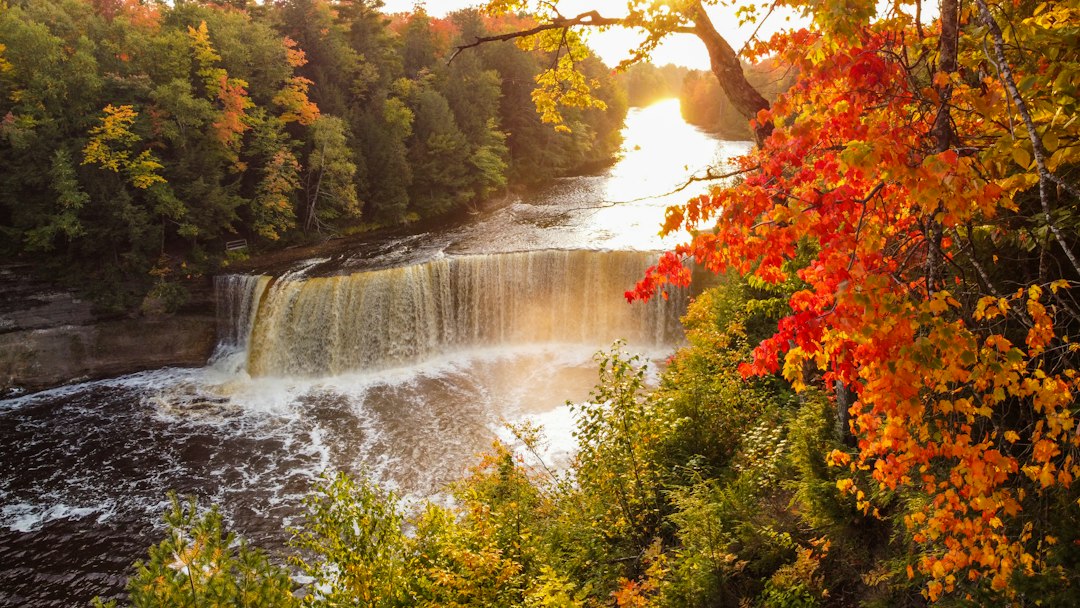
The boardwalk is easy walking, but the steps down to the river mouth get slick with spray, so slow down and keep a hand free. If you want a longer route, the trails upstream toward the falls cross some of the prettiest — and quietest — woods in the park. I’ve written before that Letchworth in October is the East’s great canyon-and-color combination; the Presque Isle is its dense little sibling, water and rock and color compressed into a walk your whole party can finish.
Old Growth, Old Rules
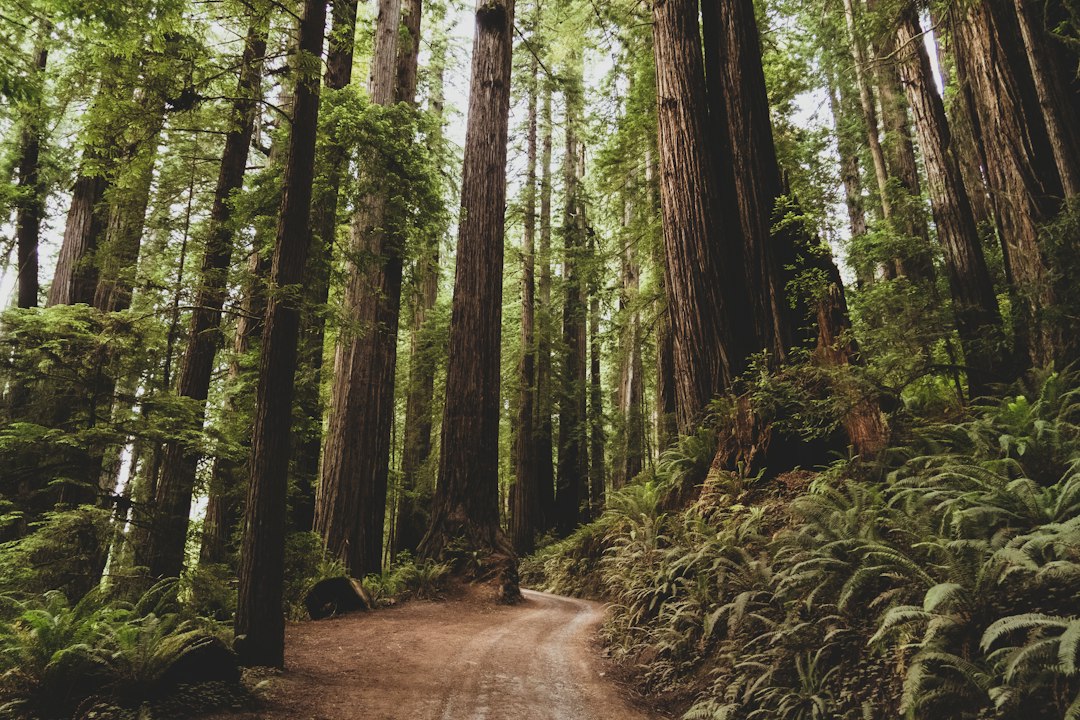
Here’s the thing that makes the Porkies different from every other color trip in the Midwest: these woods were never logged. When you walk the Big Carp River Trail or the loops out of the Government Peak area, you’re moving under trees that were mature before Michigan had cars — grand old sugar maples and hemlocks with real girth, a forest that operates on its own timetables. The color under a canopy like that hits differently. It’s deeper, layered, and when the wind moves through, whole galleries of leaves flash at once.
Logistics inside the wilderness are simple but unforgiving. Trails are honestly marked and well-used but rustic — boardwalks and bridges fade to root-and-rock the deeper you go. Water sources are plentiful if you treat them. And the wildlife is real: this is black bear country, active and fattening up in fall, so hang your food or use the poles at the rustic sites rather than learning that lesson the way one member of my crew did, listening to a bear work a neighboring campsite’s cooler at 2 a.m. Nobody was hurt; the cooler retired. 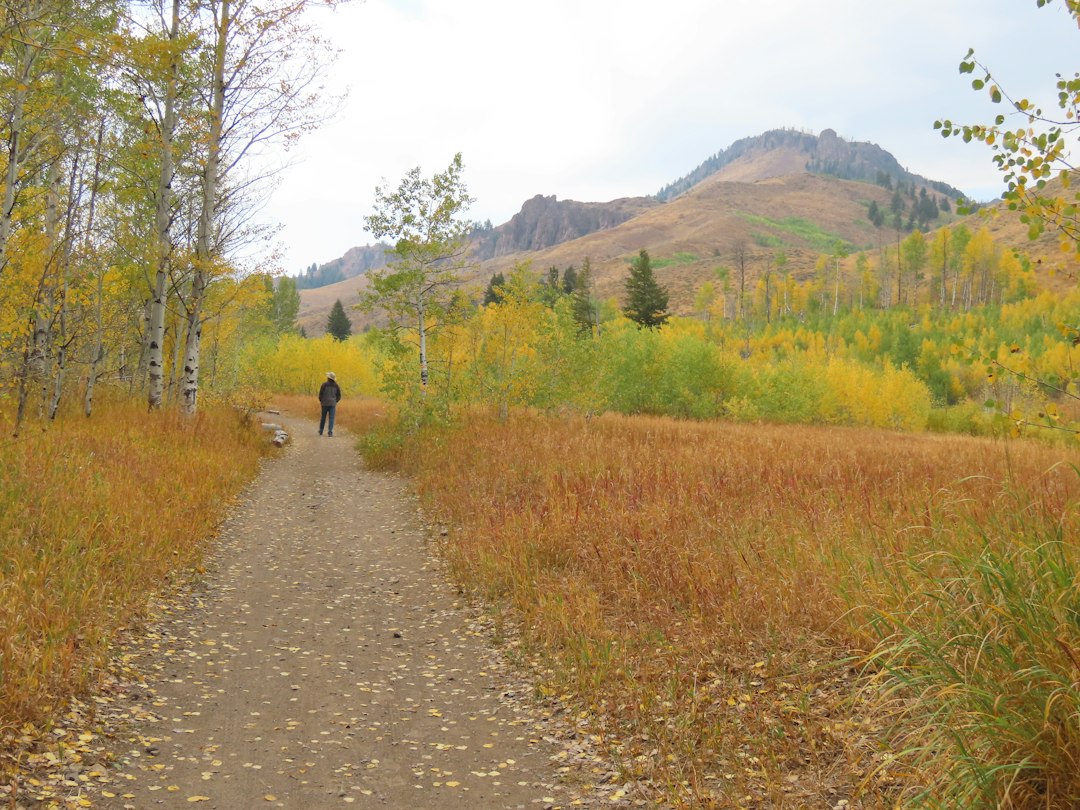
Superior Sets the Mood
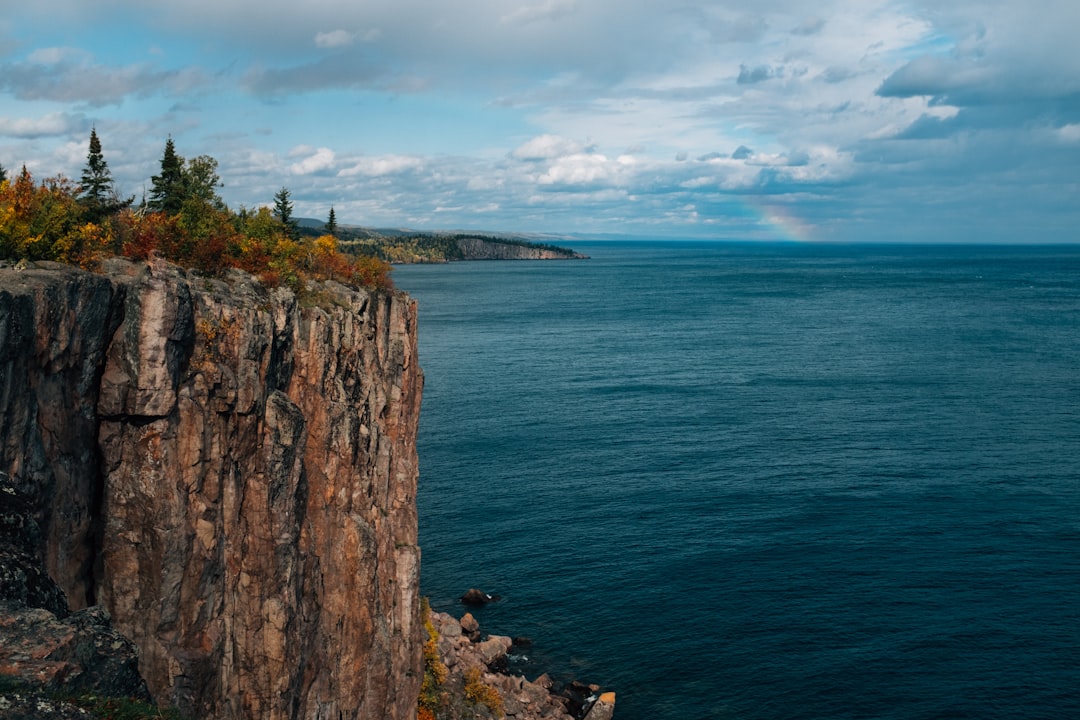
Don’t skip the lake. The Parkway runs along the park’s northern edge, and the beaches at Union Bay and the mouth of the Presque Isle give you Lake Superior doing its full impersonation of an ocean — long gravel bars, fat rollers, a horizon that eats ships. In fall the shoreline holds its own late color, and the afternoon light off the water is the best in the park for photos of people, not just landscapes.
What Superior gives in drama it takes in weather. We’ve had blue-sky 60-degree afternoons up here in early October, and we’ve had 38 and sideways rain an hour later. The fix isn’t to cancel; it’s to pack like the lake is watching. A packable rain shell that stuffs into a daypack pocket has been on every single UP trip we’ve run, and the one person who skipped it in 2024 spent a memorable Presque Isle boardwalk walk performing a wet-dog impression. Daylight shrinks fast this far north in fall, too — dark by 7-ish in early October — so a rechargeable headlamp lives in the top of my pack from the second week of September on. Trailhead-to-trailhead math changes when sunset shows up an hour before you expect it.
Where to Sleep When the Park Is Full
Union Bay Campground is the modern base — electric hookups, hot showers, a short drive from everything — and it books out for peak weekends, sometimes months ahead. The rustic cabins and yurts scattered back into the woods are the move if you want the full experience: wood stove, quiet, and a walk-out-the-door sunrise that the drive-in crowd never sees. They’re coveted exactly when the color is, so reserve through the Michigan DNR system the day your window opens. A Recreation Passport is required for entry — it’s checked, so sort it before the gate.
Town logistics are honest UP stuff: Silver City and Ontonagon cover gas, breakfast, and bait-shop conversation; Bessemer and Wakefield sit inland with more lodging when the park fills. Cell service inside the park is a rumor — download offline maps and tell someone your route, because the wilderness half of that word is not decorative. And if you’re driving up from the south, the run through Michigan’s farm-and-forest middle is better with a plan: our crew’s Pinconning cheese detour has become non-negotiable, and Mackinac after Labor Day makes a clean add-on if you’re crossing the bridge anyway.
The Pack List That Earned Its Spot
Peak week in the Porkies runs cold mornings into mild afternoons, and the packing answer is boring and unbeatable: layers, wool, and hot food. My kit for this trip has stabilized after three falls of edits. A few pairs of merino hiking socks because wet cotton in 45-degree weather is a morale event. A 40-liter daypack that swallows everyone’s shells at once while still carrying light — the trade I’ve settled on after watching over-packers suffer on the Escarpment climbs. A good insulated bottle refilled from the campground tap each morning, because treatable cold water is everywhere in the park but cold-and-cold are different experiences on a ridge.
Cold hands are the silent trip-killer up here, especially on overlook mornings when you’re standing still to watch light do its thing. Rechargeable hand warmers made the permanent list after a Lake of the Clouds sunrise that flirted with frost — small, plane-safe, and they charge off the same pack as the headlamp. Trail food stays simple: grab a big box of individually wrapped trail mix before you leave town and let the passenger seat handle rationing. It’s the only provisioning decision that has never once been regretted on a color trip.
The Honest Bottom Line
The Porcupine Mountains are not a park that performs for you. There’s no lodge with valet parking, no tram to the summit, no app telling you which tree peaks at 9:15. There’s a wilderness big enough to get honestly lost in, a lake that runs the thermostat, ridgelines that burn for two weeks a year, and enough quiet that you can hear individual leaves come down. You bring the timing, the layers, and the flexibility — it brings the other ninety-five percent.
That photographer who put her camera down at the overlook? She was back on the Escarpment the next morning before the sun cleared the ridge, shooting the same valley from a half mile of trail higher. That’s the Porkies in one anecdote. The postcard gets you there; the park keeps you.