
Eleven days after I returned a midsize SUV in Albuquerque, an envelope showed up with photographs of a rear bumper, a magnified scratch, and an invoice for $1,124.50. The scratch was real. It just wasn’t mine. I had watched that same bumper for ten minutes in the rental lot, camera rolling, before I drove a single mile — and that ten minutes of footage was the only reason the claim collapsed instead of my travel budget.
That letter changed how I rent cars. Not dramatically, not expensively — just deliberately. My team and I now run the same routine at every counter in every city, and it has survived challenges from three different agencies across two years. None of it requires special equipment or an hour of your life. Most of it happens before the agent finishes typing your name.
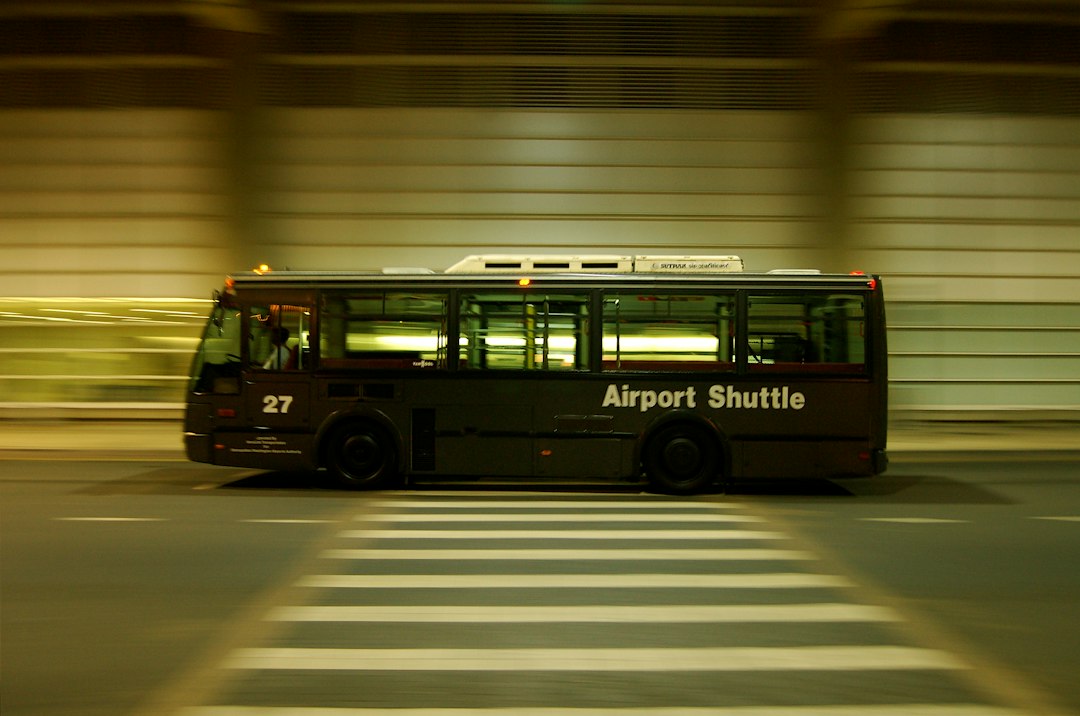
The shuttle ride from the terminal is dead time for most people. For me it’s the briefing. My checklist lives in my phone’s notes app, and by the time the bus doors open at the rental lot, I already know what I’m declining at the counter, what my credit card already covers, and exactly how the next fifteen minutes are going to go. Preparation is the whole trick. The counter is a negotiation, and walking in without a plan is how a $38-a-day rate quietly becomes $89.
What the Counter Is Actually Selling
The insurance question is where most travelers freeze, and the agents know it. The menu sounds urgent — collision damage waiver, loss damage waiver, personal accident coverage, personal effects coverage — and it’s presented like something sensible people accept. Here’s the plain version. The loss damage waiver is the only one that matters for most rentals, because it makes the rental company responsible for damage to their own car. Whether you need to buy it from them is a different question entirely.
Pull out the credit card you booked with and check its rental coverage before your trip, not at the counter. Most premium travel cards include secondary collision coverage, and several flagship cards include primary coverage, which means the card pays before your own auto insurance is even touched. My card’s benefit PDF is saved offline on my phone for exactly this moment. When the agent asks if I want the coverage, I can say — truthfully, calmly — that I’m already covered, and I know what the terms are.
Two honest caveats. Card coverage almost never includes liability, so if you don’t own a car and lack a personal auto policy, investigate a non-owner policy or the rental company’s liability add-on separately. And card coverage frequently excludes long rentals over a month, trucks, and exotic vehicles. Read the exclusions once and you never have to re-litigate it at a counter again. It pairs well with the broader fee defense I wrote about in my travel money playbook — the counter and the currency exchange booth run on the same playbook of urgency and shame.
The Ten-Minute Walk-Around That Beats Every Claim
Here is the routine that saved me in Albuquerque, and it costs nothing but attention. Before you accept the keys, walk the entire vehicle once with your phone camera recording video. Not photos — video, because a continuous take can’t be accused of skipping the damage you’d rather not document. Start at the front bumper, move clockwise, narrate the date, time, and location out loud so the audio stamps the clip. Get every panel, both bumpers, the roof line if you can reach it, all four wheels and wheel wells, the windshield, and both mirrors.
Slow down at the places claims come from: bumpers, door edges, lower side panels near the wheels, and the front of the hood where highway gravel lands. Crouch for the rocker panels. Open the fuel door. If you find existing damage, film it close-up and wide, then get the agent to note it on the contract before you leave — an email or a signed annotation on the rental agreement. A video of damage the agent never acknowledged is helpful; a video plus a paper trail is decisive.
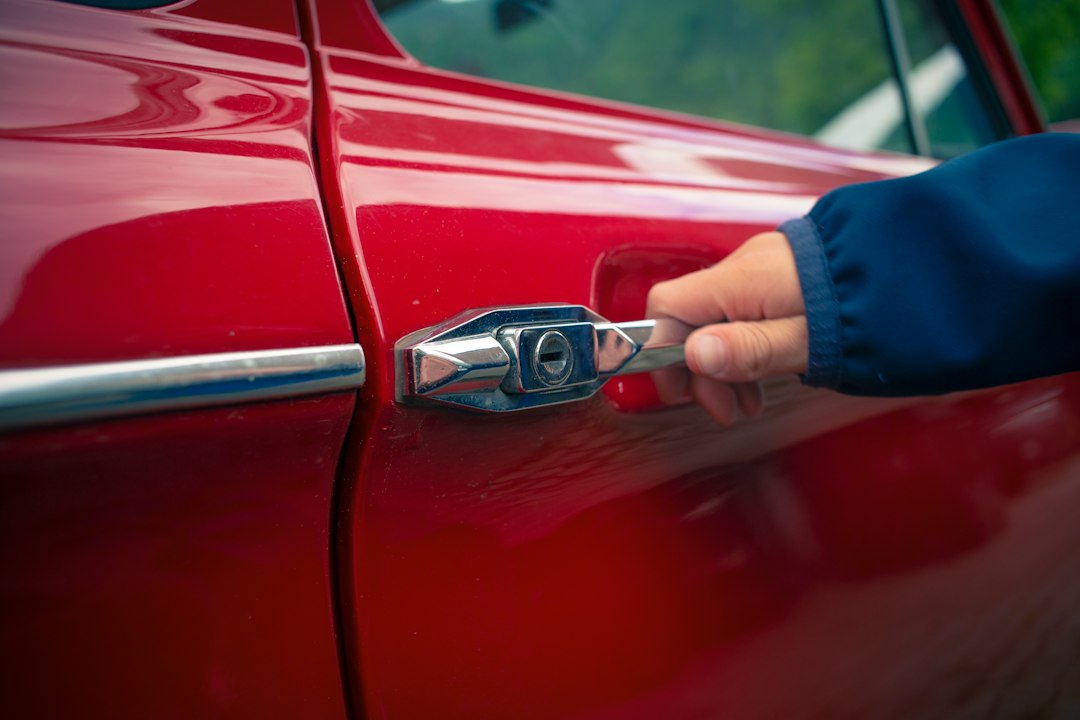
Inside the cabin, do a slow pan across seats, dashboard, headliner, and carpet, then check the spare tire area or inflation kit if there is one. I also photograph the fuel gauge, the odometer, and the dash warning lights at startup. Twice I’ve caught a low-tire warning before leaving the lot, and both times the agency swapped me into a different vehicle rather than send me out with a known problem. The walk-around isn’t just legal armor; it’s a mechanical once-over that catches the flat you’d otherwise discover at mile 90 in the desert.
When the $1,124.50 letter arrived, I replied with one message: the unedited walk-around video, uploaded to a shareable link, plus a request for the timestamped lot-exit footage they claimed to have. I never heard back. My colleague fought the same kind of claim without footage and spent six weeks and three phone calls getting half of it reversed. The difference between those outcomes was ten minutes in a parking garage.
Fuel, Tolls, and the Fine Print That Bills You Later
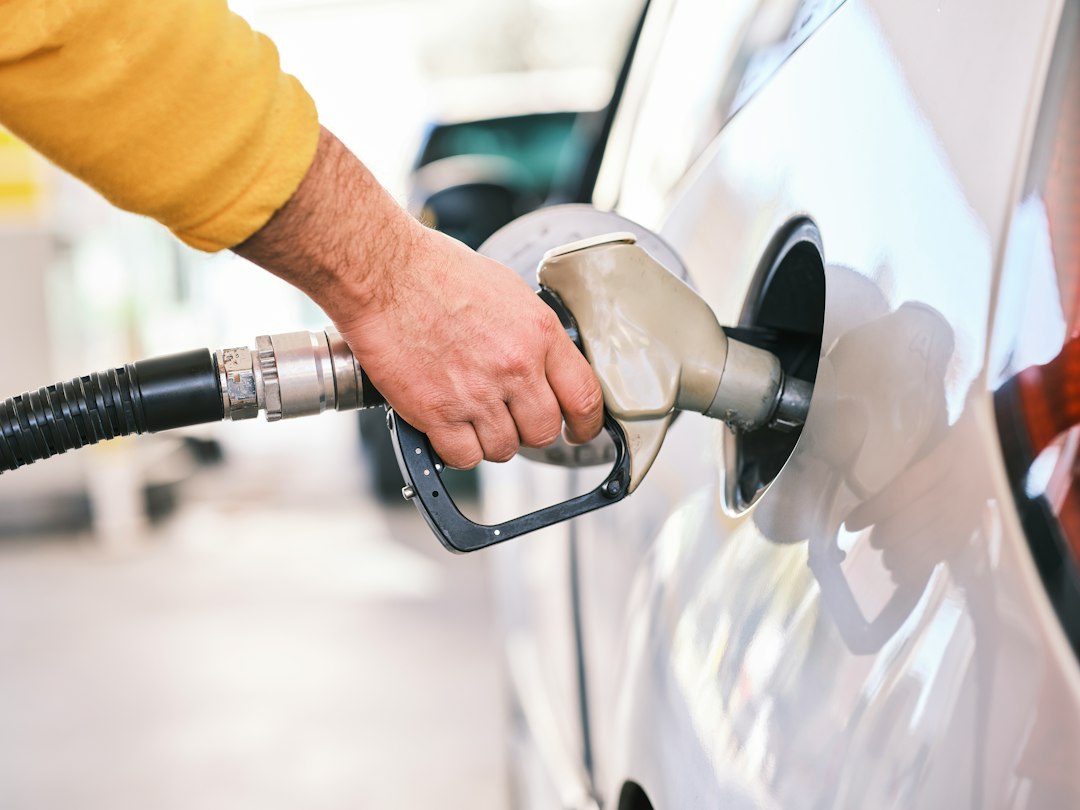
The two charges that follow you home after a rental are fuel and tolls, and both are designed around your exhaustion. The prepaid fuel option sounds convenient until you do the math — you’re paying a per-gallon price for fuel you almost certainly won’t use fully, and any gas left in the tank at return is a donation to the agency. The cheaper move is unglamorous: fill the tank within a few miles of the airport, keep the receipt, and photograph the gauge at return. Receipts with timestamps end fuel-service disputes before they start.
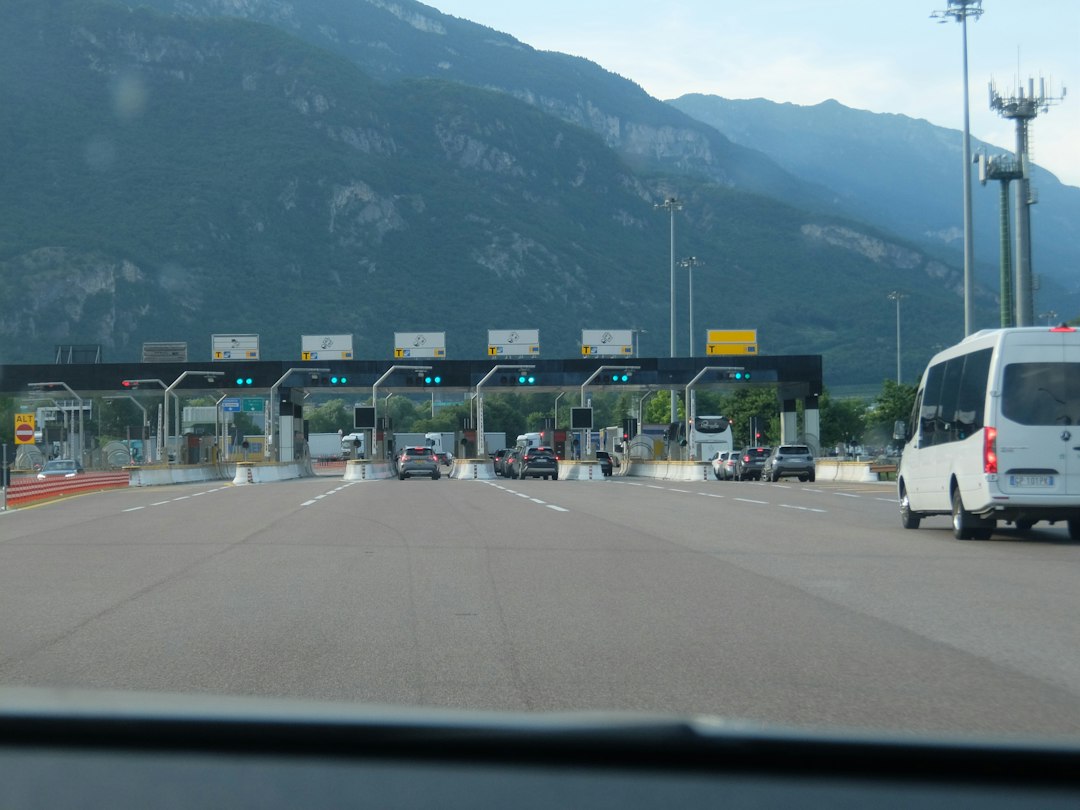
Tolls are the sneakier line item. Many rental cars come with a transponder in the windshield that bills automatically at a steep daily service rate the moment you cross a single toll — some programs charge the daily fee for the entire rental period even if you used it once. Check the windshield for a transponder box and ask the agent directly how tolls work in that state, whether the device can be closed, and what happens if you use your own toll account or cash lanes instead. In some cars the transponder sits in a shielded pouch you’re supposed to open only when you want it active. Know before you merge.
Decline what you won’t use and document what you accept. Any add-on at the counter — additional driver, roadside assistance through the agency, satellite radio — should appear as a named line on the agreement, not a verbal assurance. If a charge later appears that isn’t in the contract you signed, you have clean grounds to dispute it first with the company and then with your card issuer. It’s the same discipline that makes flight-cancellation recovery work: the paper you carry is the argument you get to make.
The Small Kit That Earns Its Carry-On Space
After enough rentals, a short list of gear proved its worth often enough to become standard cargo. None of it is exotic, and all of it packs flat. The anchor item is a magnetic phone mount for the dash — I’ve mounted phones in everything from a Corolla to a F-150 and a good mount is the difference between glancing at directions and hunting for a phone in a cupholder at 75 mph. Pair it with a fast USB-C car charger, because rental fleets are forever the cars with the one ancient cable that charges at a trickle, if there’s a cable at all.
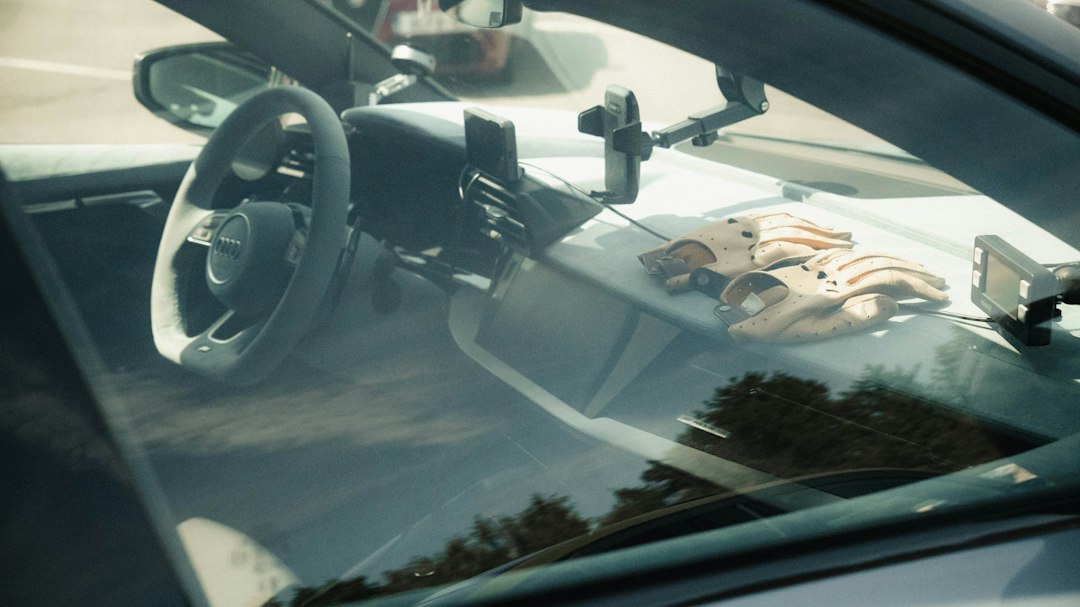
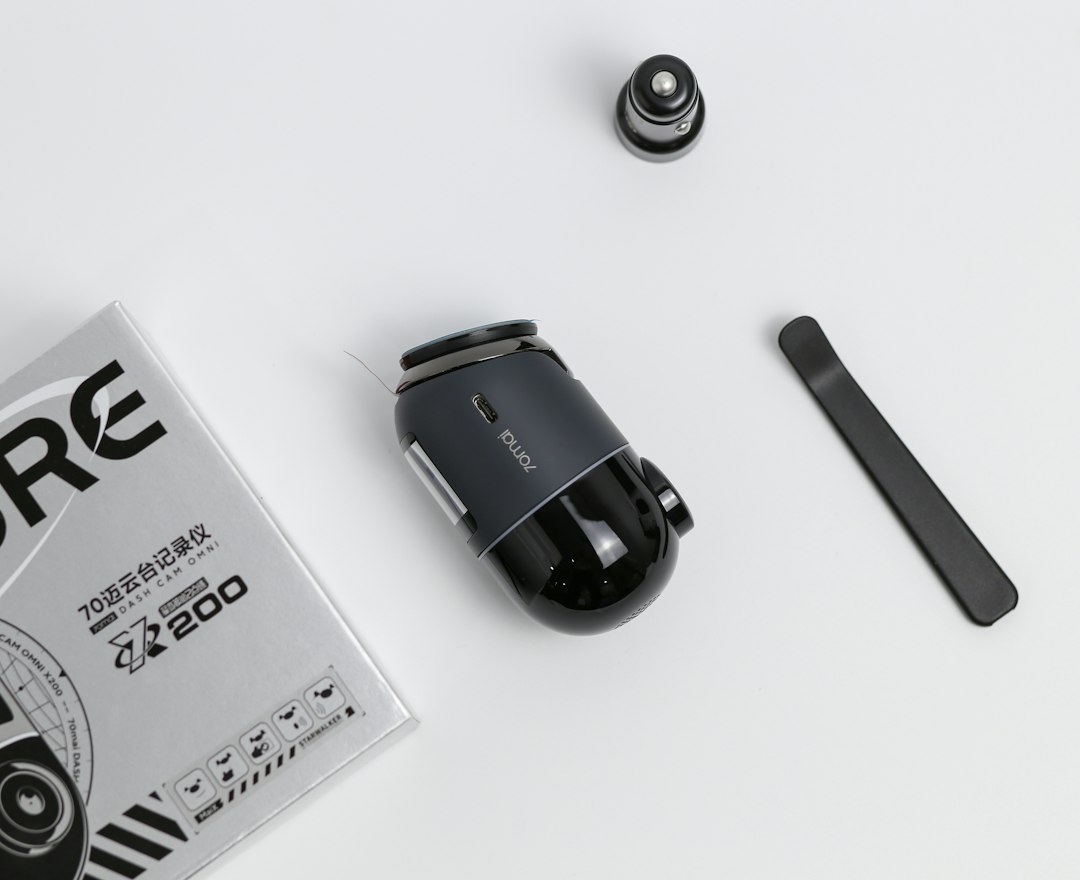
The bigger upgrade is a small dash cam. A walk-around video covers you at pickup and return, but a dash cam covers every mile between, and it’s the object-level witness when the other party’s insurance company gets creative. If you go that route, don’t cheap out on storage — a quality high-endurance 128GB microSD card matters more than the camera body, because a card that fails in Arizona heat holds nothing. I wrote a full breakdown of windshield-mounted cameras for road trips in this dash cam guide if you want the deep comparison.
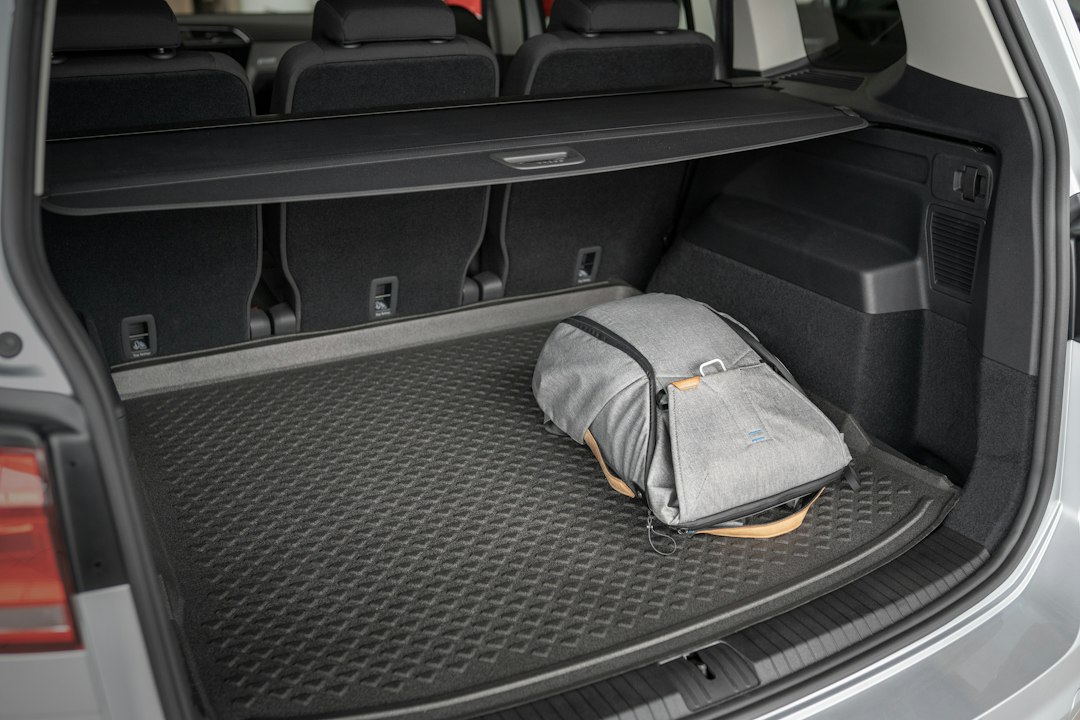
For the trunk, a collapsible cargo organizer keeps groceries, camera bags, and muddy boots from becoming a sliding avalanche every time you brake — and it saves you a cleaning fee if gear leaks on carpet. A leak-proof car trash can and a pack of interior cleaning wipes are the two most boring items on the list and the two that most reliably protect a deposit, since “excessive interior soiling” is a fee that’s judged by eyeball alone. Traveling with kids or colleagues adds a backseat organizer to the list, which keeps snacks and chargers off the floor and out of the return inspection.
Under the Car Counts Too: Tires and Roadside
The walk-around includes rubber, and I mean that literally. Check all four tires for sidewall damage and meaningful tread, and note the pressure light on the dash. Most rental companies will handle a genuinely bad tire, but only if you flag it before departure. Once you’re on the road, problems shift to your clock. A compact portable tire inflator turns a slow leak from a stranded afternoon into a fifteen-minute top-off at the next gas station, and it takes less trunk space than a grocery bag.
The agency’s roadside assistance is usually fine, but read when it applies — some cheaper rates exclude roadside entirely, and some third-party marketplace rentals leave you with nothing at all. For trips through genuinely empty country, my crew packs a basic roadside emergency kit: jumper cables or a jump pack, a flashlight, a vest, warning triangles. Not because rental cars are unreliable, but because the rental is the one vehicle you didn’t choose, didn’t maintain, and can’t vouch for.
If the Claim Letter Comes Anyway
Some claims arrive no matter how careful you were, and the companies count on the fact that most people pay scary invoices. Don’t. Reply in writing — email, not phone — and ask for four specific things: the damage report with date and time, the timestamped lot-exit and lot-return footage, the itemized repair estimate or actual invoice, and the loss-of-use calculation. These are ordinary requests, and a legitimate claim survives all four. An automated shake-down usually doesn’t.
If the company presses with real documentation, take the file to your credit card’s benefits department before you pay anything — card collision coverage exists precisely for this fight, and their claims teams process these daily. Save every response, keep timelines, and if a charge lands on your card that you never authorized, dispute it within the window your issuer allows. Patience and paperwork win these. Panic pays invoices.
The Last Five Minutes, Before You Hand Over the Keys
Everything that protects you at pickup protects you again at return. At the end of the rental, I film a second full walk-around with date and time narration, photograph the fuel gauge and odometer again, and capture the dashboard warning lights one more time. If you return after hours or to an unattended lot, this return video is the single most valuable file you’ll create all trip — the Albuquerque claim arrived precisely because the agency bet I had no record of how the car looked when I left it.
Then grab your receipt, check the line items before you walk away, and screenshot it. Ten minutes before the keys, ten minutes after, and a phone held steady. That’s the entire system — the same one that turned a four-figure scare into a shrug, and the one I’ll run next week in Salt Lake City when my crew and I pick up the next box of someone else’s keys.
1 thought on “The Scratch Was Already There: How a Phone Video Beat a $1,100 Rental Damage Claim”