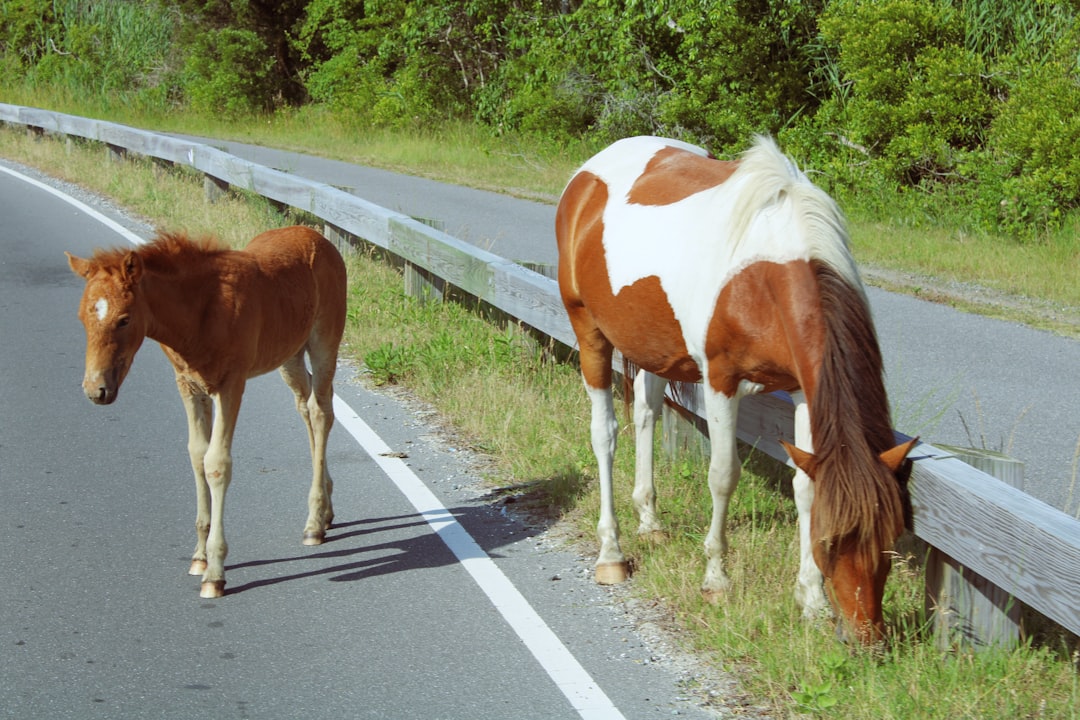
There’s a moment when you’re driving across the Verrazano Bridge onto Assateague Island when the world shifts. The strip malls vanish. The traffic noise fades. And suddenly it’s just you, a narrow ribbon of asphalt, and salt marsh stretching to the horizon. Then a wild horse walks across the road like it owns the place — because honestly, it does.
My team and I had been planning this late August trip for months. We’d heard the stories: feral horses roaming free on a 37-mile barrier island, empty beaches after the summer crowds thin out, and some of the best beach camping on the East Coast. What we found was all of that and considerably more. If you’ve been looking for an end-of-summer escape that feels genuinely wild without requiring a flight to the Outer Hebrides, this might be the move.
Why Late August Is the Sweet Spot
Everyone talks about Assateague in July. That’s when the annual pony swim draws tens of thousands of spectators to Chincoteague, and the campgrounds fill with families squeezing in one last trip before school starts. But by the last two weeks of August, something shifts. The families head home. The humidity breaks just enough to make sleeping in a tent genuinely comfortable. And the horses? They don’t have anywhere else to be.
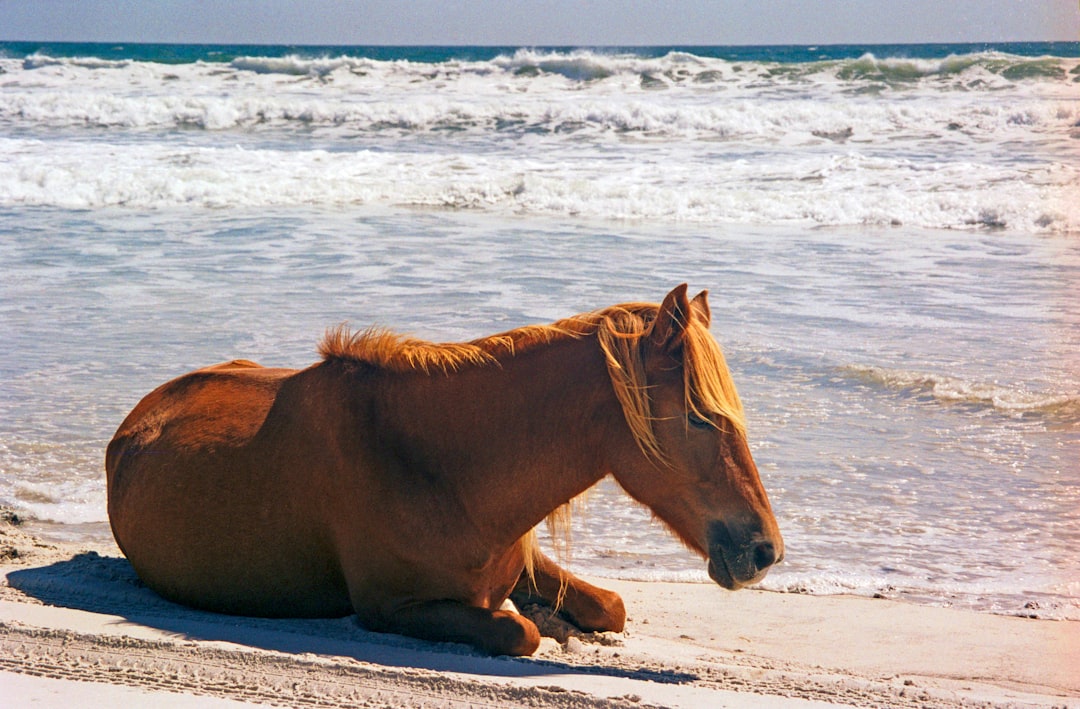
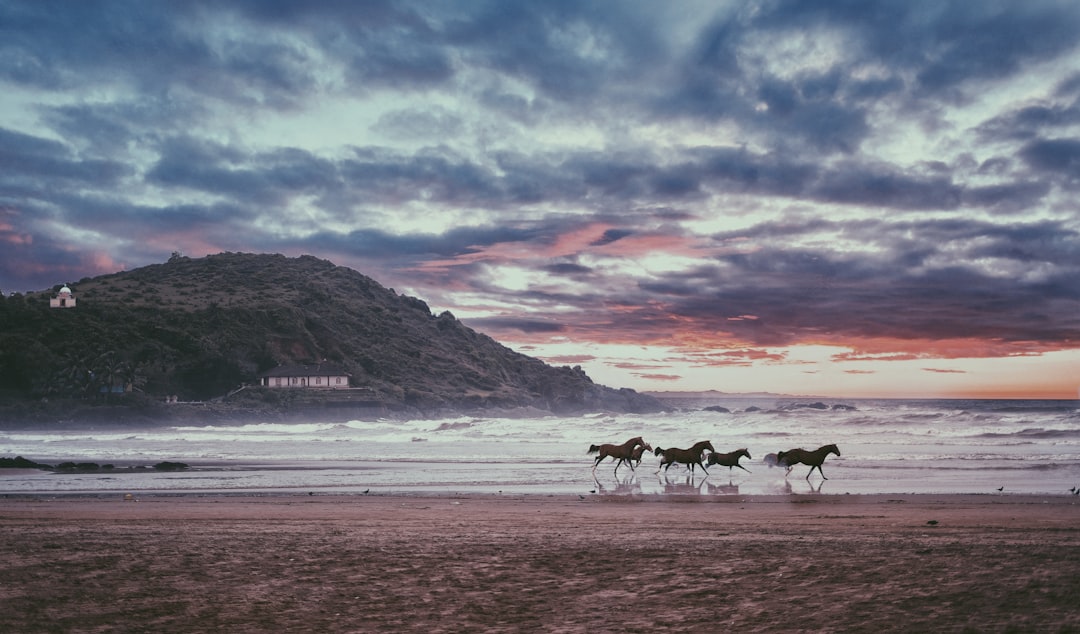
Water temperatures in late August hover around 75 degrees — the warmest they’ll be all year. The biting flies that plague the island in mid-summer start to die off. And the sunsets over the bay get longer, more dramatic, painting the salt marsh in colors that don’t look real. We’re not the first people to figure this out; in fact, we wrote about why late August is America’s best-kept travel secret last month. But Assateague might be the single best place to experience it.
The Horses: What Nobody Tells You
Let’s get this out of the way: the horses are not pets. They’re feral, they’re unpredictable, and the park service will fine you $500 for getting closer than 40 feet. My photographer learned this the hard way when a stallion decided her camera bag looked interesting and she had to back away slowly while three rangers watched from a distance.
There are two herds on Assateague — one on the Maryland side managed by the National Park Service, and one on the Virginia side managed by the Chincoteague Volunteer Fire Company. The Maryland herd roams freely across the entire island, and you’ll encounter them on trails, beaches, and occasionally wandering through the campground at dawn. We counted eleven different horses on our first day alone, including a mare and foal grazing near the Toms Cove visitor center.
The best viewing times are early morning and late afternoon when the herds move to fresh grazing areas. A solid pair of Bushnell PowerView binoculars made all the difference for our group — we could watch stallion behavior from a safe distance without disturbing the natural dynamics. The 20×50 magnification was more than enough for identifying individuals and catching behavioral moments worth photographing.
Where to Camp: Ocean vs. Bay Side
Assateague offers two distinct camping experiences, and choosing the right one depends entirely on what kind of trip you want. The oceanside campground at the Maryland district puts you a five-minute walk from the beach, with the sound of waves as your constant companion. Bayside sites are more sheltered, tucked into maritime forest with shade — a genuine blessing in the dog days of summer.
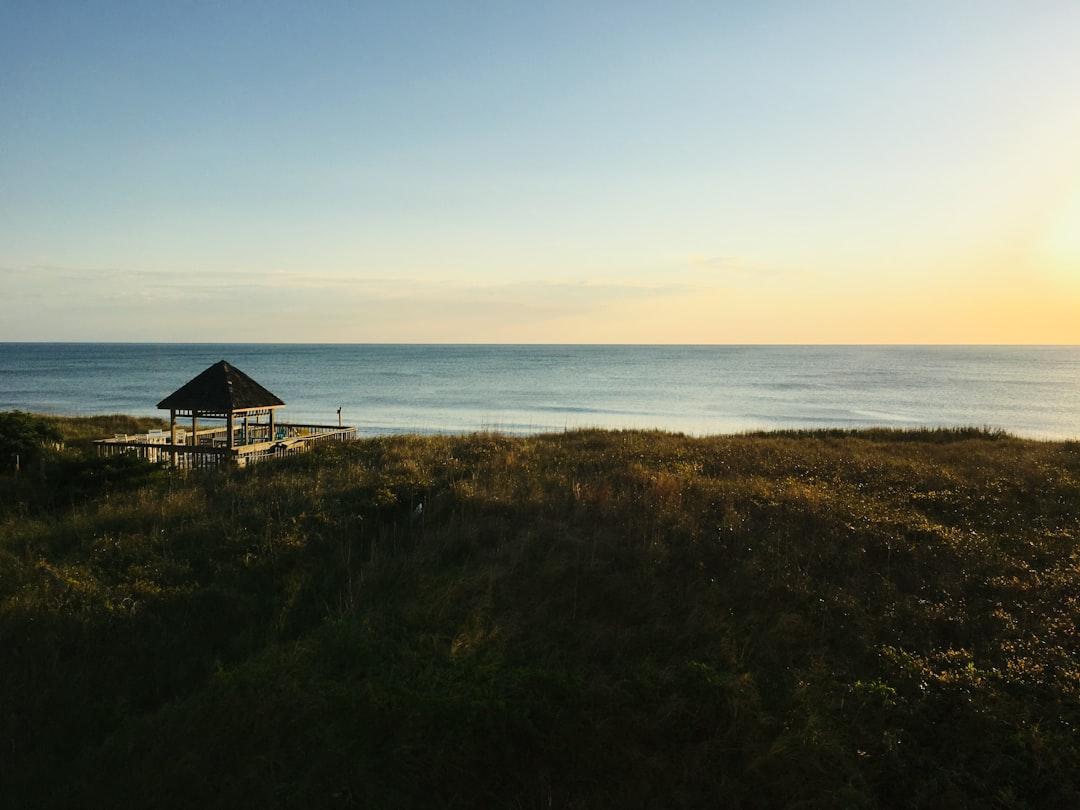
We chose oceanside, site B37, and it was the right call for late August. The breeze off the Atlantic kept bugs to a minimum and the morning light filtering through the dunes was worth the lack of shade. But here’s what I’d tell anyone booking: bring the right shelter. Standard tent stakes won’t hold in sand. We brought COBARYEN spiral sand stakes — heavy-duty screw-in anchors that grip loose sand like nothing else. Our tent survived a 25-knot gust on the second night while a neighboring campsite’s canopy launched across the dune line.
The campground has no hookups, no showers, and no shade structures. Potable water and vault toilets are available, but this is primitive camping with a beach view. If you’re used to RV parks or glamping, the adjustment is real. But there’s something deeply restorative about falling asleep to nothing but wind and waves, waking to a sky so full of stars you forget what light pollution looks like.
The Gear That Earned Its Salt
Beach camping on a barrier island punishes unpreparedness. My crew and I tested gear across three days and two nights, and a few items proved indispensable.
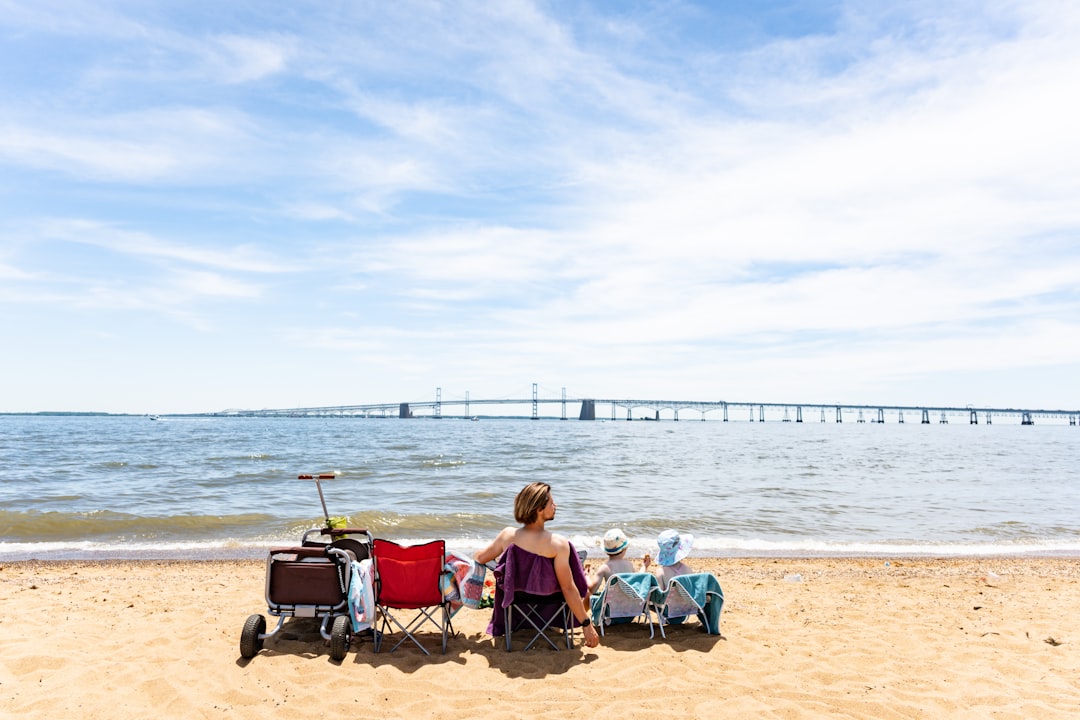
First: transportation. Everything from your car to your campsite has to be carried, and the sand is deep enough to swallow standard wagon wheels. We brought a Navatiee beach wagon with balloon wheels specifically designed for sand, and it hauled our cooler, firewood, and water jugs without bogging down once. The 440-pound capacity handled a full load on a single trip. My assistant, who’s done beach camping everywhere from the Outer Banks to Padre Island, said it was the first wagon she’d used that didn’t require a team effort through soft sand.
Sun protection is non-negotiable, even in late August. The UV index still climbs into the 9-10 range, and the salt air intensifies exposure. Our group used a Sport-Brella Super-Brella canopy for eight-foot UPF 50+ shade at the beach, and it held firm in coastal wind when properly anchored. Combined with a Sukeen cooling towel wrapped around the neck, we stayed functional during peak afternoon heat without retreating to the tent.
For seating, we tested the MOON LENCE portable camping chair — an ultralight folding design that packed down to the size of a water bottle. At 330-pound capacity, it handled every member of our crew comfortably. The mesh back was a thoughtful touch that kept air flowing during humid afternoons.
Exploring Beyond the Beach
Most visitors stick to the beach and the main road, but Assateague rewards the curious. The island has over 12 miles of hiking trails winding through maritime forest, salt marsh, and bay shoreline. The Life of the Marsh trail was a highlight — a half-mile boardwalk through marsh grass where we spotted great blue herons, snowy egrets, and a family of sika deer that aren’t supposed to be there but have been thriving since a few escaped from a hunting preserve decades ago.
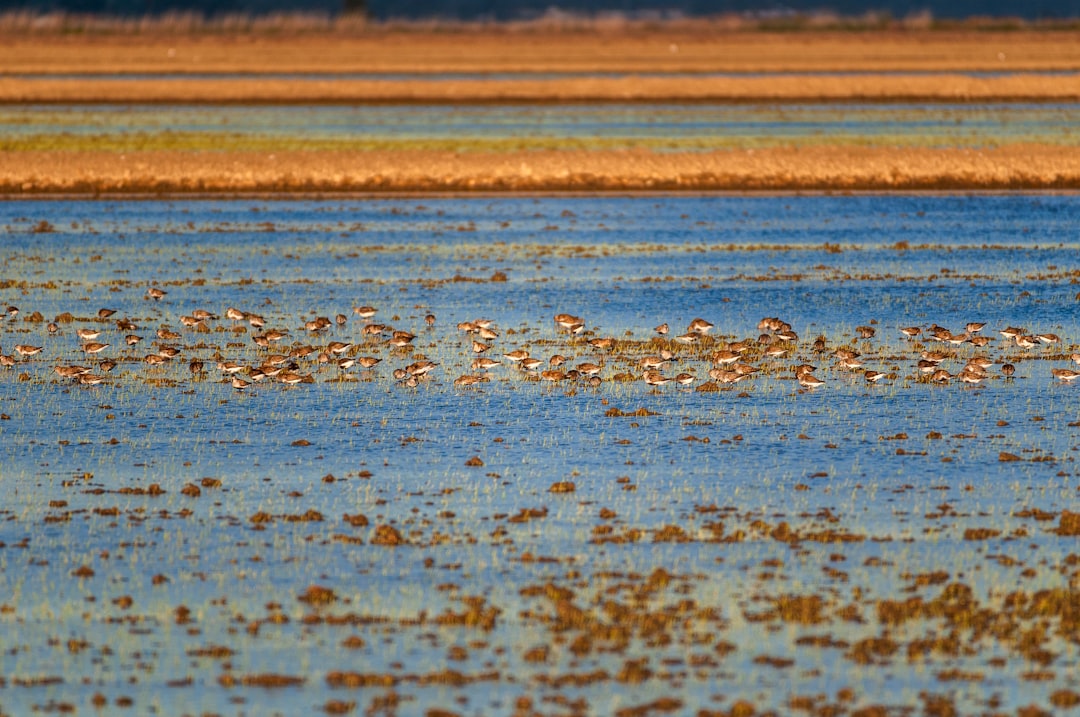
The bay side also offers excellent paddling. Bring your own kayak or rent one from the concession near the visitor center. Paddling through the salt marsh channels at low tide puts you eye-level with horseshoe crabs, fiddler crabs, and the occasional wild horse wading into the shallows. We saw two horses swimming across a narrow channel on our second afternoon — a sight that made everyone in our group stop paddling and just watch.
If you’re a wildlife enthusiast like I am, this is one of the best spots on the East Coast for combining species in a single trip. The island sits on the Atlantic Flyway, and late August brings early migrants through the marshes. It reminded me of our trip to Channel Islands National Park — another place where isolation created something genuinely wild.
The Practicalities That Trip People Up
A few things caught us off guard, and I want to save you the learning curve.
Bug spray is your best friend. The salt marsh breeds mosquitoes that are aggressive and abundant, especially at dawn and dusk. We packed Murphy’s Naturals mosquito and tick repellent — a DEET-free plant-based formula that actually worked for 2-3 hours per application. The lemongrass and rosemary scent was a pleasant change from chemical sprays, and it didn’t degrade our sunscreen the way DEET can.
Keep your phone dry and functional. Salt spray, sand, and water are a bad combination for electronics. Every member of our crew used a Hiearcool waterproof phone pouch — IPX8 rated with a lanyard and touchscreen functionality through the case. We took photos in the surf, navigated trails in a downpour, and never worried about a phone dying from salt exposure. At under $15 for a two-pack, it’s the cheapest insurance you’ll buy.
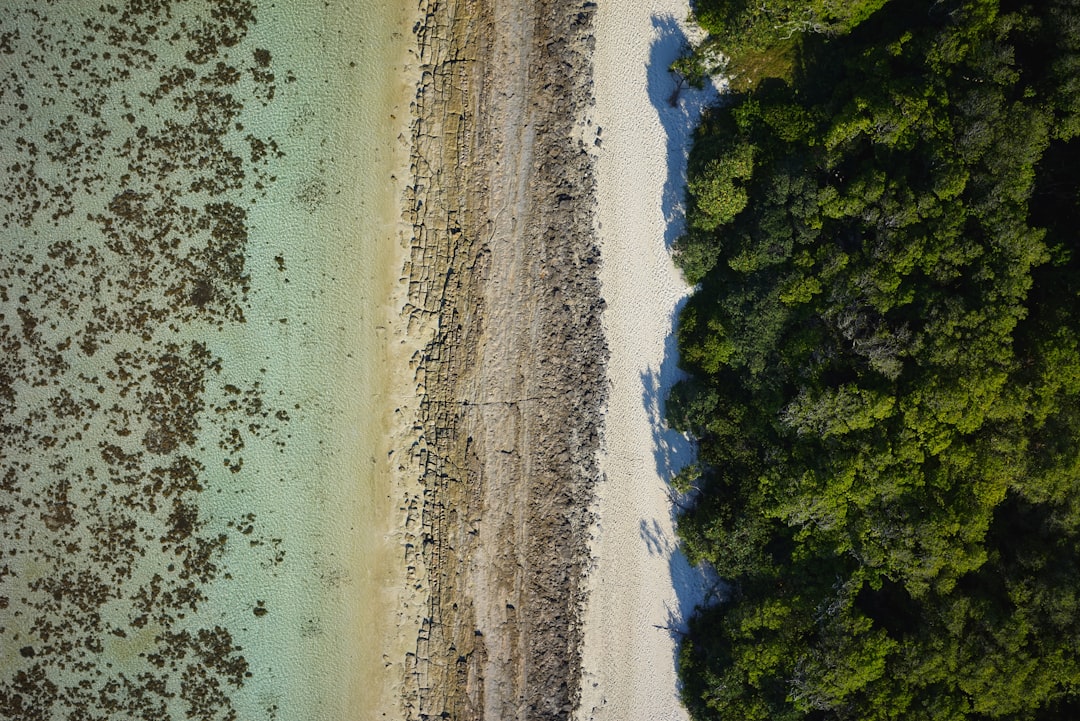
Plan for the OSV Zone. If you have a four-wheel-drive vehicle, the Over-Sand Vehicle Zone opens up 12 miles of pristine beach that most visitors never see. You’ll need a permit ($80 for a 7-day pass), but the solitude is worth it. We drove to the Hook — the southern tip — and spent an entire afternoon on a beach with zero other humans, just horses and shorebirds. Make sure your vehicle meets the NPS ground clearance requirements and carry recovery gear.
The nearby town of Berlin, Maryland is worth a detour. About 15 minutes from the island, this historic small town has restaurants, a brewery, and one of the best independent bookstores I’ve found on the East Coast. After two nights of camp food, the steak frites at The Globe were a religious experience. It’s also a good staging area if the campgrounds are full — which still happens even in late August on weekends.
Timing Your Visit
Here’s my honest assessment after spending a long weekend on the island: late August is the optimal window, but there’s a micro-timing element within it. Our first two nights (August 22-23) were busy with weekend visitors. By Sunday afternoon, the campground was half-empty. Monday and Tuesday on the island felt like having a private national seashore.
If you can swing it, aim for the weekdays. Arrive Sunday afternoon, leave Wednesday morning. You’ll have your pick of campsites, the beaches to yourself after 5 PM, and the horses are more active in the cooler mid-week temperatures. We also noticed that the rangers were more relaxed and chatty during the quieter days — we got a 20-minute impromptu lesson on the island’s fire management program from a ranger who clearly had time to talk.
For context on how this fits into broader East Coast exploration, it pairs beautifully with other seasonal sweet spots. We previously explored Olympic National Park in August and found a similar magic in the shoulder season — fewer crowds, better wildlife activity, and weather that’s still summer-worthy without the peak-season intensity.
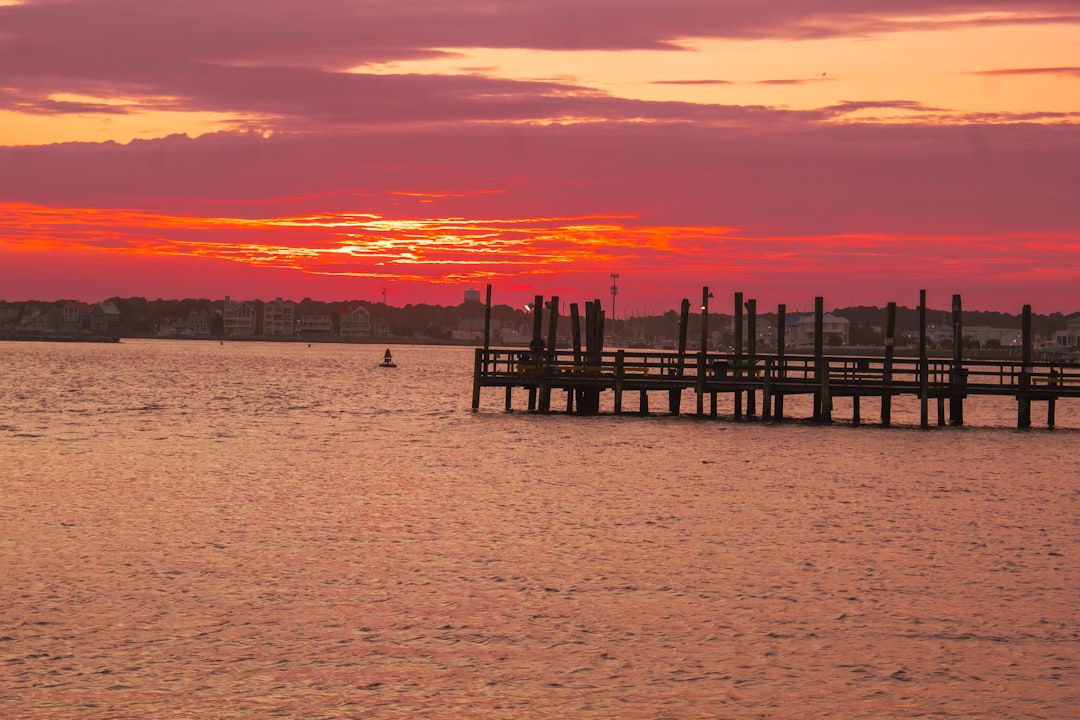
Assateague isn’t a secret. Over 2 million people visit the National Seashore each year. But most of them come in July, stay for a day, and never venture past the first beach access point. What I’m describing — the late August quiet, the weekday solitude, the herds moving through empty campgrounds at dawn — that’s still wide open. And in a travel landscape where “undiscovered” usually means “discovered by influencers but not yet overrun,” that feels genuinely special.
Pack your binoculars. Screw in your sand stakes. And for the love of everything, respect the 40-foot rule. Those horses were here first.