
After twenty-five years of crisscrossing North America, I’ve watched travel patterns shift dramatically. The old paradigm of saving vacation days for one massive annual trip is fading fast. In its place? The microvacation—those strategic 2-3 day getaways that deliver maximum experience with minimum time investment. I’ve taken hundreds of these quick trips over my career, from Thursday-through-Sunday desert escapes to Tuesday night Wednesday returns that feel stolen from time itself. What I’ve learned might surprise you: shorter trips often create richer, more memorable travel experiences than their longer counterparts, precisely because time constraints force us to be intentional about every moment.
The 2026 travel landscape is accelerating this shift. Between demanding work schedules, economic pressures, and a growing cultural emphasis on work-life balance, travelers are increasingly rejecting the “one big vacation” model in favor of frequent, bite-sized adventures. I’ve seen this evolution firsthand—where I once spent weeks on a single expedition, I now find myself taking 4-5 microvacations annually, each one packing the punch of a longer journey because of careful planning and strategic destination selection. The key isn’t having more time; it’s using the time you have more effectively. Pack versatile travel backpacks designed for short trips that work for everything from urban exploration to nature getaways.
Why Microvacations Work Better Than You Think

There’s solid psychology behind why shorter trips feel more fulfilling. When you only have 48-72 hours in a destination, every choice matters more. You can’t afford half-measures or wasted hours. This constraint-driven planning eliminates decision fatigue and forces you to prioritize experiences that genuinely matter to you. I’ve found that my three-day trips often feel longer in memory than my week-long vacations precisely because each moment is distilled to its essence. Research backs this up: our brains encode intense, focused experiences more deeply than prolonged, leisurely ones. The concentrated nature of microvacations creates stronger memory formation.
Financial accessibility plays a huge role too. A three-day weekend trip to a nearby city or national park costs a fraction of what a week-long international adventure would run. This democratization of travel means you can take multiple trips per year for the same budget that previously funded one vacation. I’ve watched this transform how people approach travel—instead of deferring dreams to “someday,” they’re making space for regular adventures that fit within real-world constraints. For more on traveling affordably, check out my guide on budget travel strategies that become easier to implement when you’re planning shorter trips closer to home. Supplement your planning with helpful budget travel guides that reveal insider money-saving tips.
The flexibility factor is equally compelling. Life is unpredictable—health issues, work demands, family obligations. Planning five weekend trips throughout the year means that if one gets cancelled, you still have four other adventures on the calendar. Lose your two-week annual vacation to an emergency, and you’ve lost your entire travel year. This diversification of travel risk is something I’ve learned the hard way. After having a major international expedition cancelled due to injury the week before departure, I shifted my strategy entirely toward multiple smaller trips. I haven’t looked back.
Mastering the Art of Weekend Escape

Successful microvacations require different skills than traditional travel. The most important? Ruthless destination selection. You need places that deliver high-impact experiences within a 2-3 hour travel radius. Living in Florida, I’ve perfected the microvacation formula: Florida Keys for underwater adventures, Savannah for historic charm, the Smokies for mountain immersion. Each is drivable in under 5 hours but feels worlds away from daily life. The key is identifying what I call “density of experience”—how many quality activities can you access within your limited timeframe? Some places pack incredible variety into small areas; others require excessive transit time between attractions. For road trip inspiration, explore America’s most scenic drives that make perfect microvacation routes.
Timing strategy separates memorable microvacations from frantic weekend sprints. I’ve learned to avoid the obvious Friday-Sunday pattern whenever possible. Thursday evening departures mean arriving while energy is still high and beating the weekend crowds. Monday morning returns give you Sunday evening at your destination—a magical time when tourists have cleared and locals reclaim their spaces. This slight shift transforms the experience quality dramatically. Consider reliable portable power banks that keep devices charged throughout your quick escape, eliminating battery anxiety from your travel equation.
Activity curation is where most people stumble. A common mistake I see: trying to cram five days’ worth of sightseeing into three days. This creates exhaustion rather than adventure. My rule? Three anchor experiences maximum—one major activity per day, with space for spontaneous discovery. In Asheville, that might be: Saturday morning at Biltmore, Sunday hike on the Blue Ridge Parkway, Monday brewery tour before heading home. Everything else is optional. This structured flexibility prevents burnout while ensuring you experience what makes each destination special. Quality over quantity becomes your guiding principle.
Strategic Packing for Short Trips

Packing for microvacations is an art form I’ve refined over decades. The golden rule: versatility trumps variety. Every item must serve multiple purposes across different activities and weather conditions. I’ve spent entire three-day trips with nothing more than a carefully curated 30L pack, transitioning from daytime adventures to evening dinners without ever feeling underdressed or unprepared. The secret is building around neutral base layers that work for everything, then adding 2-3 statement pieces that dress up or down as needed. This approach eliminates both overpacking baggage fees and the decision paralysis of having too many options.
Essential gear makes all the difference in trip quality. After years of experimentation, I never leave for a microvacation without: a compact noise-canceling headphones for travel that turn chaotic transit into peaceful recharge time, a weather-resistant shell that handles unexpected conditions, and comfortable walking shoes broken in long before departure. These three items have saved more trips than I can count. Comfortable footwear in particular is non-negotiable—I’ve seen too many weekend getaways ruined by painful blisters on day one.
The digital nomad revolution has transformed what’s possible for microvacations. With the right gear, you can work remotely from almost anywhere, turning a weekend trip into a productive workation. A lightweight portable laptop stand for ergonomic work lets me set up functional workspaces in coffee shops, hotel lobbies, or even campgrounds. This flexibility means I’m not limited to traditional vacation times—if I can work effectively while traveling, Tuesday through Thursday becomes just as viable as the weekend. It fundamentally changes the microvacation equation.
Regional Microvacation Ideas for 2026

The beauty of microvacations is how they reveal hidden treasures in your own region. In the Southeast, I’m obsessed with the rise of Southern mountain town getaways that offer cool-weather escapes without the crowds of Gatlinburg or Asheville. Places like Blowing Rock, North Carolina, or Thomas, West Virginia, deliver mountain magic with authentic local culture. These aren’t tourist traps—they’re real communities where you can spend three days hiking, eating at local restaurants, and experiencing genuine Appalachian hospitality. The shorter duration makes it easier to explore hidden gems and off-the-beaten-path destinations that might not warrant a week-long visit.
Desert microvacations have become some of my favorites, especially during spring and fall when temperatures moderate. A three-day trip to Joshua Tree or Mojave preserves offers completely different challenges and rewards compared to my coastal adventures. The desert’s stark beauty hits differently when you’re watching sunset from a rocky outcrop after a day of exploring slot canyons. These trips require different preparation—sun protection becomes critical, water carrying capacity matters, and the isolation demands more self-reliance. But that’s exactly what makes them transformative. For more national park inspiration, including first-timer favorites, check out my guide to the best national parks for beginners.
Urban microvacations deserve special attention. Cities often reward shorter visits because you can focus on specific neighborhoods or themes without getting overwhelmed. I’ve done incredible 48-hour trips to cities I’d normally skip for longer adventures: Nashville’s music scene, Austin’s food culture, New Orleans’ beyond-French Quarter neighborhoods. The shorter timeframe forces you to make tough choices about priorities, which paradoxically leads to more satisfying experiences because you’re not trying to do everything. Cities are perfect for microvacations because their density of experience aligns perfectly with limited time.
Making the Most of Limited Time

The key to successful microvacations is designing them around your specific interests, not generic “must-see” lists. I learned this the hard way after countless weekends spent checking boxes rather than having experiences. Now I design every microvacation around one primary motivation: food, nature, culture, adventure. Everything else supports that central theme. If I’m going to Charleston for a food-focused weekend, I’m not worried about historic house tours—I’m planning around restaurant reservations, cooking classes, and market visits. This thematic approach creates coherence and depth that scattered activities can’t match.
Accommodation strategy shifts dramatically with shorter trips. I’ve found that spending slightly more on location pays dividends in time savings. A downtown hotel might cost $50 more per night than an airport option, but it saves hours in transit and puts you walking distance from evening activities. Over 2-3 days, that time savings is worth far more than the money. Consider investing in quality quick-dry travel towels that save luggage space and dry overnight between uses.
Spontaneity within structure is the magic balance. I always plan anchor activities but leave intentional blank spaces for discovery. Some of my best travel memories come from unplanned moments: discovering a local festival, stumbling upon a hidden hiking trail, or getting restaurant recommendations from locals. The microvacation’s compressed timeframe actually increases the likelihood of these serendipitous discoveries because you’re more present and less likely to be rushing between planned activities. Leave room for the magic. Bring along comfortable travel neck pillows for restful journeys to ensure you arrive energized and ready to explore.
Planning Your Microvacation Calendar
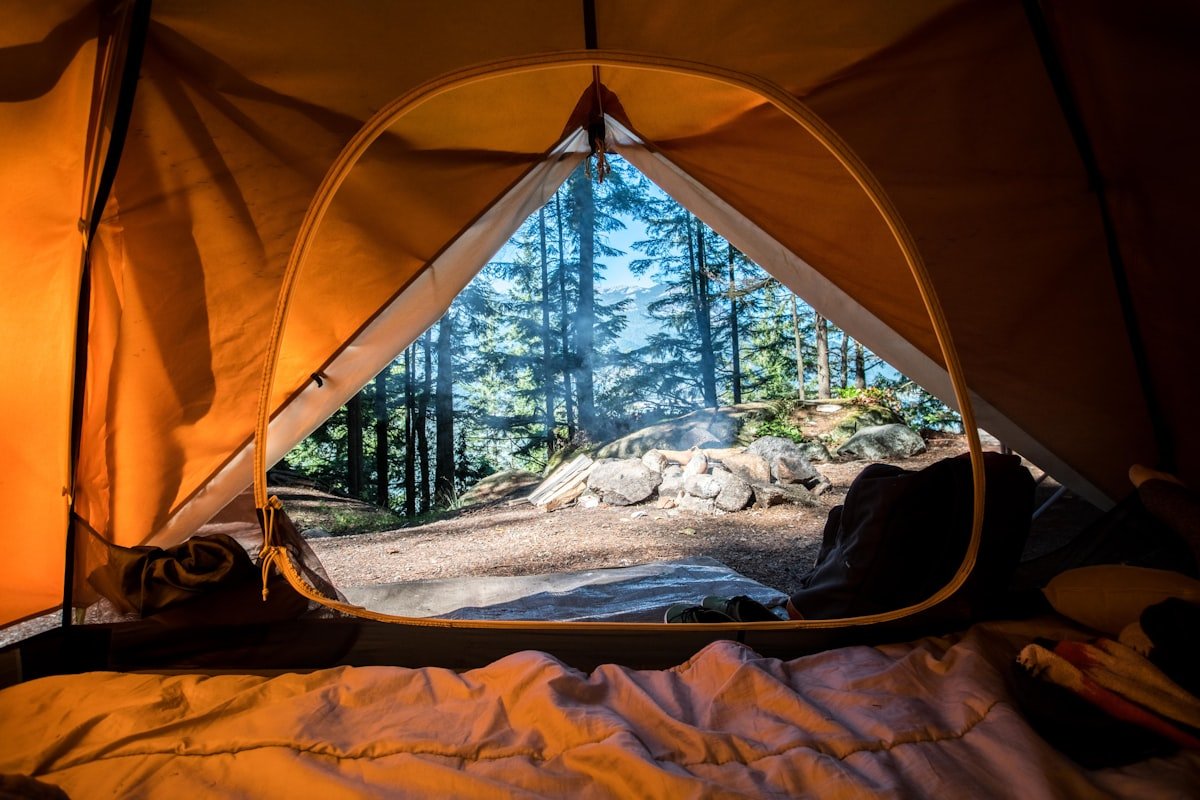
The most successful microvacation travelers I know approach the year strategically. Instead of waiting for inspiration to strike, they plan 4-6 potential weekend trips across different seasons and regions. This diversity prevents travel fatigue and ensures year-round adventure regardless of weather or circumstances. I personally rotate through: winter desert escapes for warmth and wildflowers, spring mountain trips for waterfalls and emerging greenery, summer coastal getaways for ocean breezes, and fall city visits for cultural events and changing foliage. This seasonal variety keeps each trip feeling fresh and exciting.
Timing your microvacations around natural patterns maximizes experience quality. Wildflower blooms, fall color changes, shoulder-season pricing—these natural rhythms create optimal windows for specific destinations. I’ve spent years tracking these patterns across North America, building a mental calendar of when each region offers its best experience. It’s not just about avoiding crowds; it’s about catching places at their absolute peak.

The microvacation revolution isn’t just about travel technique—it’s about fundamentally reimagining how adventure fits into modern life. By embracing shorter, more frequent trips, we’re not making do with less. We’re actually getting more: more variety, more flexibility, more spontaneity, and ultimately more joy from our travel experiences. After a quarter-century of exploring every corner of this continent, I’ve learned that the best trips aren’t necessarily the longest—they’re the ones that leave you transformed, recharged, and hungry for the next adventure. And sometimes, that transformation happens in just 48 perfectly planned hours. Pack strategic packing cubes for maximum organization and make every minute count.
1 thought on “Microvacations 2026: How Short Weekend Trips Are Revolutionizing Travel”