Why Micro-Vacations Are the Future of Travel
Let me be honest with you: I used to be that person who hoarded vacation days, saving them for a big annual trip that rarely lived up to the hype. I’d spend months planning one perfect week, stress myself out trying to make every moment count, and return to work more exhausted than when I left. Then I discovered micro-vacations, and honestly? It completely transformed how I travel.
A micro-vacation is exactly what it sounds like—a short trip, typically 2-4 days, designed to recharge rather than exhaust. The philosophy is simple: instead of one big annual trip, take several smaller escapes throughout the year. It’s not about sacrificing travel quality—it’s about spreading that travel joy across the entire calendar instead of condensing it into one stressful week.
What I love about micro-vacations is how they fit into real life. You don’t need to save up tons of vacation time. You don’t need to spend months planning. You can leave Friday after work and be back Monday morning, feeling like you’ve actually had a break. And here’s the thing I’ve learned after years of weekend adventures: these shorter trips often create more vivid memories than those longer, more elaborate vacations I used to stress over.
The Psychology Behind Shorter, Frequent Trips
Here’s something that blew my mind when I first heard it: research consistently shows that people who take shorter, more frequent trips report higher happiness and satisfaction than those who take one long annual vacation. The anticipation of multiple trips throughout the year creates ongoing excitement, and the memories stay fresher because they’re constantly being refreshed with new experiences.
I’ve experienced this firsthand. Last year, instead of one big two-week trip, I took eight weekend getaways spread across the seasons. I hiked through autumn leaves in the Smokies using my trusty hiking boots, explored a coastal town in winter, camped in spring wildflowers with my lightweight tent, and discovered mountain towns I never would have visited otherwise. Each trip felt special and memorable, and I found myself looking forward to the next adventure instead of dreading the return to work.
The other psychological advantage? Less pressure to make everything perfect. When you’ve got months of planning and thousands of dollars invested in one trip, every little thing that goes wrong feels devastating. But with micro-vacations, the stakes are lower. If it rains? You’ll be back in two days anyway. If you pick a mediocre restaurant? It’s just one meal, not your only dining experience for a week. This lower pressure actually makes the trips more enjoyable and relaxing.
Planning Your Perfect Weekend Escape
The key to successful micro-vacations is strategic planning that maximizes your limited time. Here’s my approach: I limit my travel time to no more than 4-5 hours from home (door to door). This means Friday after work, I can be at my destination with plenty of time to settle in, and Sunday afternoon I can still make it back without feeling rushed. Beyond that radius, you’re spending too much time traveling and not enough time actually enjoying your destination.
I also look for destinations that offer multiple experiences within a small area. A mountain town with hiking, dining, and local culture beats a place that requires driving between scattered attractions. Coastal towns, small cities, and national park gateway communities are perfect for this—the adventure is right there, no endless driving required.
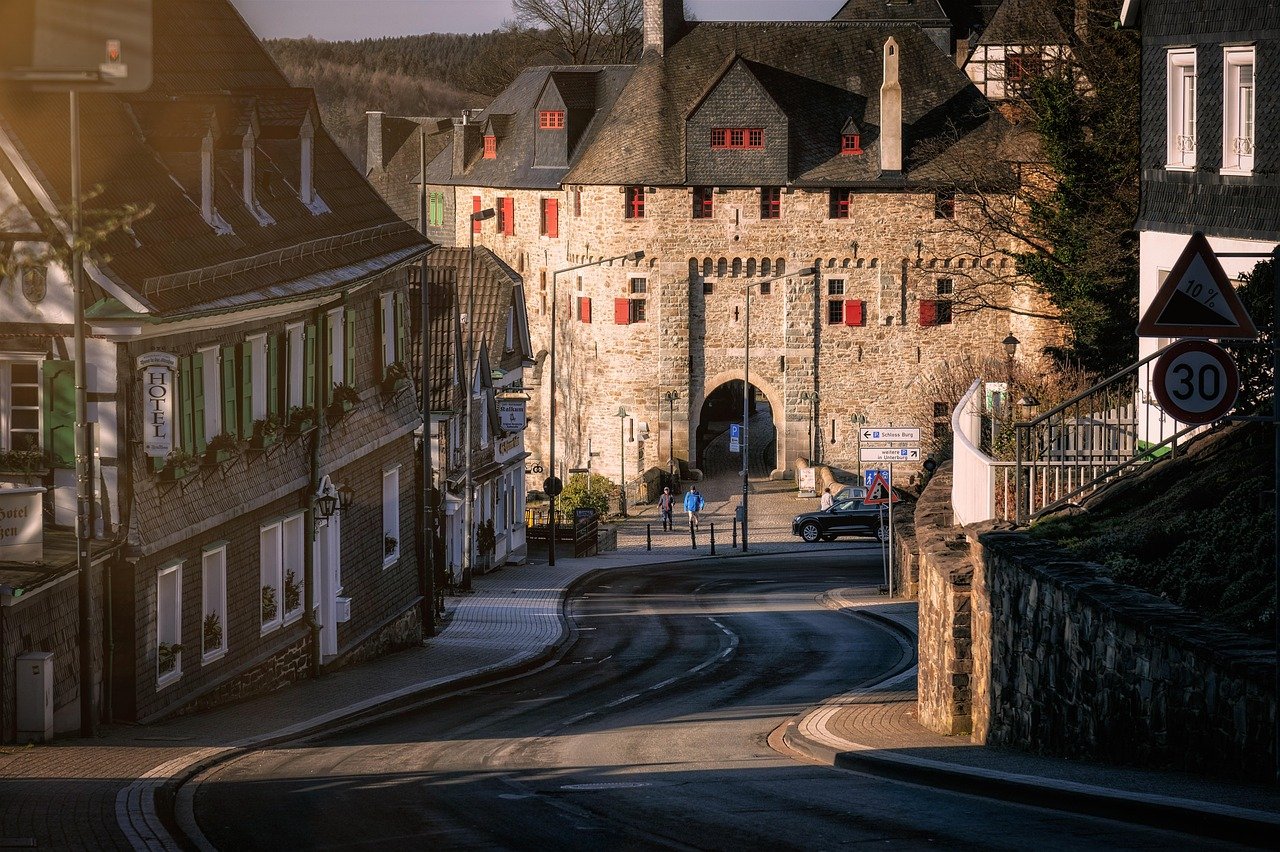
Timing matters too. I’ve learned that shoulder season weekends are absolute gold for micro-vacations. You get better weather, thinner crowds, and often lower prices. I’ve had entire mountain towns practically to myself on October weekends, enjoyed perfect beach weather in April, and found amazing deals on boutique hotels during what locals call “off-season” but what I call “perfect season.”
Maximizing Every Minute: The 48-Hour Strategy
When you’ve only got 48 hours, every minute counts. Here’s my proven strategy for making the most of a weekend getaway: arrive Friday night with a plan, hit the ground running Saturday morning, and maximize Sunday before heading home. It sounds intense, but it’s actually more relaxing than trying to figure everything out on the fly.
Friday evening is about settling in. I arrive, check in, grab a casual dinner, maybe take a short walk if there’s daylight left. No pressure to do anything major—just arrive, decompress from the work week, and get oriented. Saturday is the full adventure day. I wake up early (vacation excitement makes this easy), pack in the main experiences, and really immerse myself in the destination. Sunday morning is for one last experience before heading home—brunch, a short hike, or a visit to that one spot you didn’t get to Saturday.
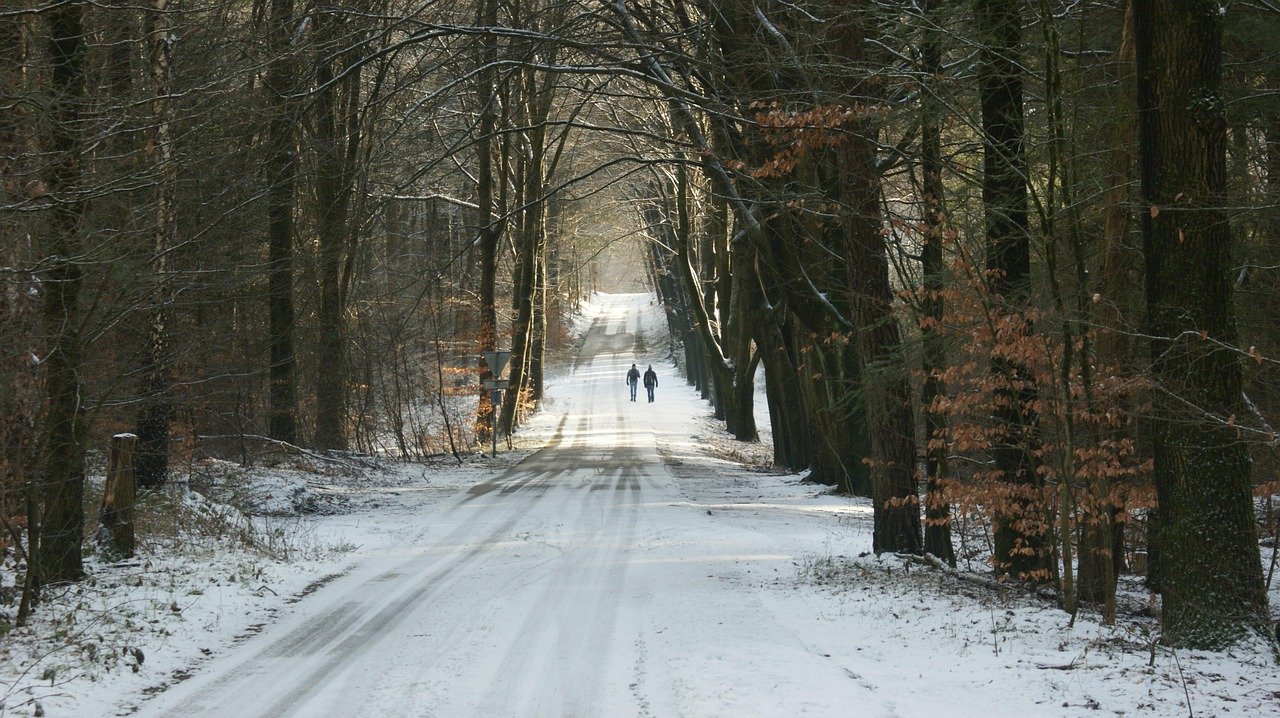
The key is prioritizing quality over quantity. I’d rather do three things really well than try to cram in twelve activities and end up exhausted. One great hike beats three mediocre ones. One fantastic restaurant meal beats rushing between three decent ones. Choose your must-dos, do them well, and actually enjoy them instead of constantly checking your watch.
Budget-Friendly Micro-Vacation Strategies
One of the beautiful things about micro-vacations is they’re inherently budget-friendly. You’re only paying for 2-3 nights instead of a week, eating fewer restaurant meals, and using less gas. But I’ve also developed some strategies to stretch the budget even further without sacrificing experience quality.
Accommodation is where I save the most. I’ve discovered that many places offer weekend packages that are significantly cheaper than booking individual nights. I’ve stayed at boutique hotels at 40% off using weekend specials, found cozy bed and breakfasts that throw in breakfast, and scored amazing Airbnb deals for Friday-Sunday stays. The key is being flexible with dates—even shifting by one weekend can save you hundreds.
I’m also a huge fan of the “one splurge, one save” approach. Maybe I splurge on a nice hotel room but eat casual meals. Or I stay in budget accommodation but have one fantastic dinner at a top restaurant. This approach gives you the feeling of luxury without the luxury price tag. I’ve had weekends where I spent half of what I would have on a traditional vacation but had just as memorable experiences.
Transportation is another area where smart planning pays off. If you’re driving, pack a cooler with breakfast and lunch supplies. Not only do you save money, but you can eat while exploring instead of wasting time finding restaurants. If you’re flying, look for regional airports—they’re often cheaper and less crowded than major hubs.
Packing Smart for Short Trips
One thing I’ve mastered after years of micro-vacations is the art of packing light. For a weekend trip, I bring exactly what I need and nothing more. A carry-on suitcase or even a well-packed weekend bag is usually sufficient. This saves time checking bags, eliminates baggage fees, and makes getting to and from your destination so much easier.
My rule of thumb: one outfit per day, plus one extra, plus layers for weather changes. I focus on versatile pieces that can be mixed and matched. A nice pair of jeans that works for both hiking and dinner. A sweater that layers over everything. Comfortable walking shoes that don’t look out of place at a nice restaurant. The goal is to pack light enough that you’re not burdened by luggage but prepared enough that you’re comfortable in any situation.
Don’t forget the little things that make a difference. I always bring a portable charger (no dead phone while navigating new places), a reusable water bottle (stay hydrated while exploring), and a small first-aid kit with basics like band-aids and pain reliever. These small items have saved me more times than I can count, and they take up almost no space in your bag.
The Best Micro-Vacation Destinations in America
After years of weekend adventures, I’ve discovered that some places are simply perfect for micro-vacations. Mountain towns like Asheville, North Carolina, or Bend, Oregon, offer outdoor adventures, great food, and local culture all within a compact area. Coastal destinations like Charleston, South Carolina, or Newport, Rhode Island, combine history, dining, and scenery in walkable packages.
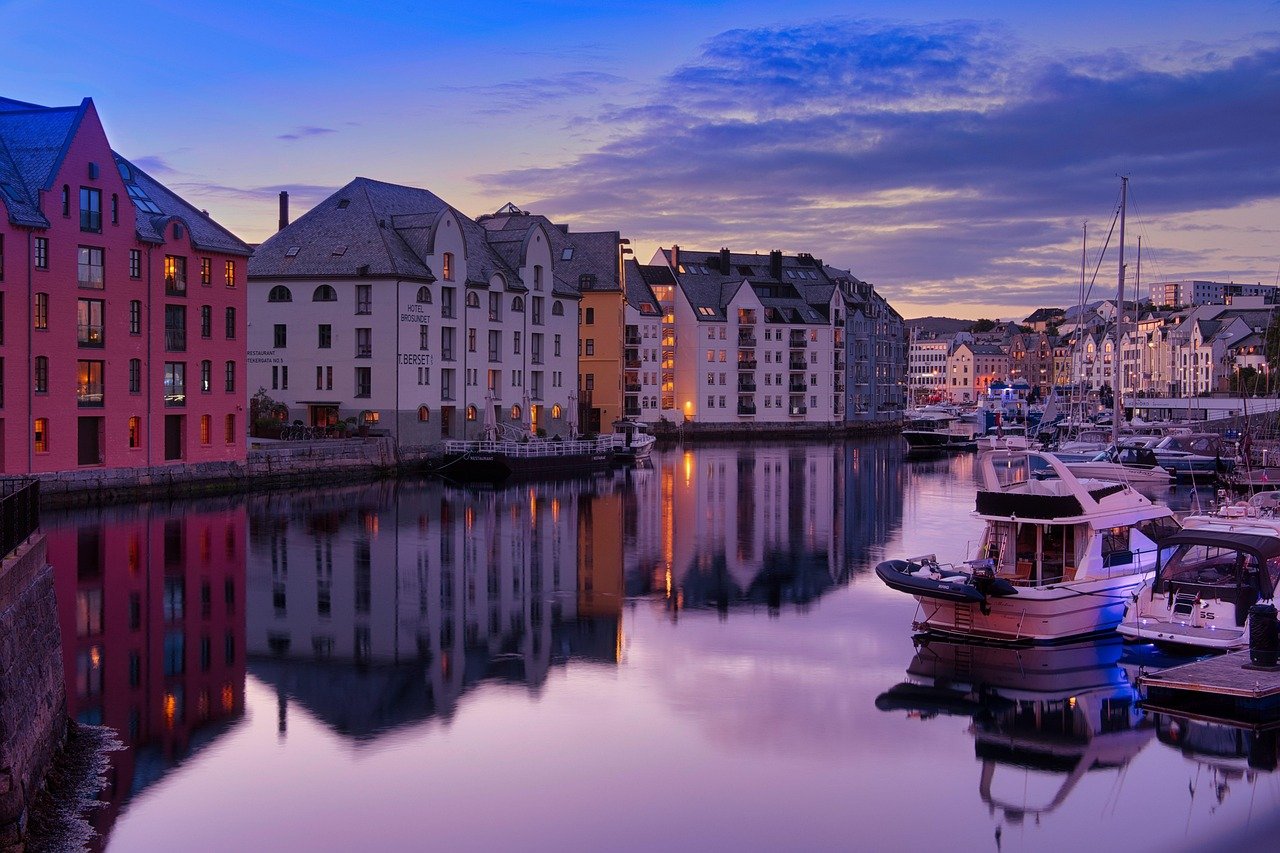
Small cities are underrated micro-vacation gems. Places like Savannah, Georgia; Santa Fe, New Mexico; or Burlington, Vermont, offer big-city culture without big-city overwhelm. You can explore historic districts, discover local restaurants, enjoy arts and culture, and still have time to relax. And the best part? These smaller destinations are often more affordable and less crowded than major tourist cities.
National park gateway communities are another favorite category. Towns like Jackson, Wyoming (Grand Teton), Gatlinburg, Tennessee (Great Smoky Mountains), or Springdale, Utah (Zion) put you right at the doorstep of America’s greatest natural treasures. You can spend your days exploring the park with your daypack and your evenings enjoying local restaurants and culture. It’s the perfect combination of outdoor adventure and small-town charm.
Making the Most of Shoulder Season Weekends
I mentioned shoulder season earlier, but let me emphasize: this is the secret weapon of micro-vacations. These are the periods just before or after peak season—April-May and September-October for most destinations—and they’re absolutely magical for weekend getaways.
What makes shoulder season so perfect? You get better weather for outdoor activities, thinner crowds at popular attractions, and often significantly lower prices on accommodations. I’ve stayed at charming inns that charge peak-season prices in July but offer weekend packages at 50% off in October. The weather can actually be better too—no 90-degree days in summer, no freezing temperatures in winter, just perfect comfortable conditions for exploring.
The key is understanding each destination’s shoulder season timing. Coastal places often have perfect shoulder seasons in spring and fall. Mountain destinations are fantastic in September when the air is crisp and the leaves are changing. Desert areas are beautiful in spring before summer heat arrives. Do your research, plan for those sweet spots, and you’ll have incredible experiences at a fraction of the cost.
Solo Micro-Vacations: Rediscovering Yourself
Something I’ve discovered that completely surprised me: solo micro-vacations are incredible. Yes, traveling alone might sound intimidating at first, but hear me out. A solo weekend getaway gives you complete freedom to do exactly what you want, when you want to do it. No compromising on restaurants, no waiting while someone else shops, no feeling guilty about your preferences.
My first solo weekend trip was to a small mountain town about three hours from home. I hiked, I read, I explored, I ate where I wanted, and I genuinely enjoyed my own company. It was refreshing in a way I hadn’t expected. I came back feeling recharged not just from the travel, but from the experience of listening to myself and honoring my own interests and pace.
Safety is obviously a consideration for solo travel, especially for women. I stick to well-populated areas, choose accommodations with good reviews, and share my itinerary with someone back home. But honestly, I’ve felt completely safe on every solo micro-vacation I’ve taken. Small towns and tourist areas are used to solo travelers, and I’ve never felt out of place exploring on my own.
Couples Micro-Vacations: Reconnecting Without the Stress
For couples, micro-vacations can be relationship game-changers. Instead of spending months planning an elaborate trip that leads to arguments and stress, you can decide on a Thursday to go somewhere for the weekend, leave Friday after work, and be making memories by dinner time. It’s spontaneous, it’s low-pressure, and it’s honestly just fun.
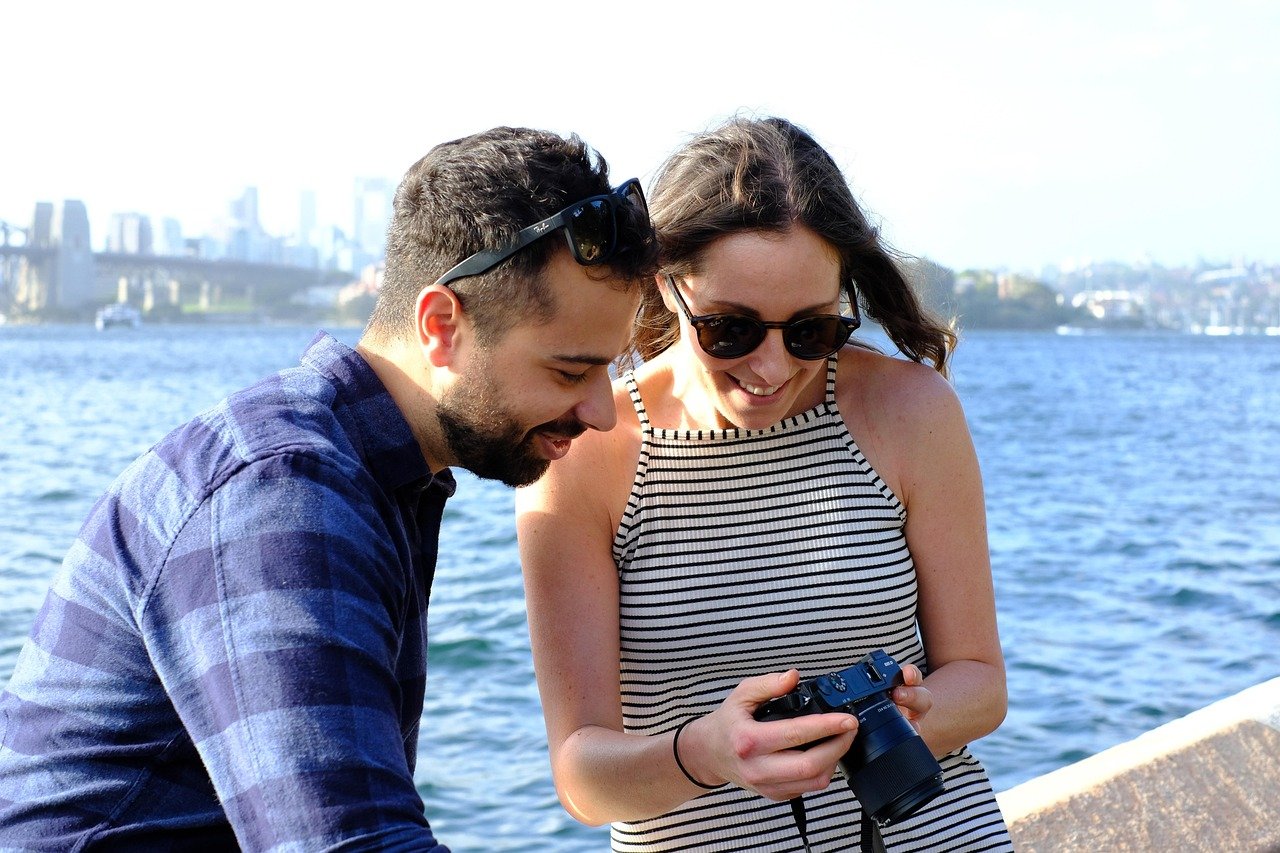
I’ve taken weekend trips with my partner to places we’d talked about visiting for years but never found the time for. We explored a historic coastal town, discovered amazing local restaurants, hiked to waterfalls, and just enjoyed each other’s company without the usual daily distractions. No work emails, no household chores, no social obligations—just us and a new place to explore together.
The beauty of couples micro-vacations is how they rekindle that sense of adventure and discovery that you experience early in a relationship. Exploring a new place together, trying new restaurants, discovering hidden gems—it’s all those experiences that brought you together in the first place. And because it’s only a weekend, there’s no pressure for everything to be perfect. If something goes wrong, it becomes part of the adventure.
Timing Your Micro-Vacations: When to Go
Strategic timing can make or break a micro-vacation experience. Through trial and error, I’ve learned that the timing of your weekend getaway matters just as much as the destination itself. Here’s what I’ve discovered about timing after years of weekend adventures.
First, avoid holiday weekends unless you absolutely love crowds. Places that are charming and quiet on a random weekend become absolute zoos on Memorial Day, Labor Day, or July 4th. You’ll pay premium prices, wait for everything, and spend half your time stuck in traffic. Instead, choose weekends that aren’t associated with holidays. You’ll have a much better experience and often pay less.
Second, consider the timing within your own life cycle. If you’re in the middle of a huge work project, maybe a weekend getaway isn’t the best idea—you’ll be stressed about work the whole time. But if you’ve just wrapped up a major deadline, a weekend trip is the perfect reward. I’ve found that micro-vacations are most rejuvenating when they come at natural transition points in life or work.
Third, think about what you need from the trip. Need complete relaxation? Maybe a quiet mountain cabin or beach town. Need adventure and energy? A city with lots to do and explore. Need to reconnect with yourself? Solo trip to somewhere new. Need quality time with a partner? A romantic small town with great restaurants. Matching the timing to your emotional and physical needs makes a huge difference.
Accommodation Strategies for Maximum Enjoyment
Where you stay can make or break a micro-vacation, and I’ve learned through experience that different accommodation styles work better for different types of weekend trips. Let me share what I’ve discovered about choosing the perfect base for your adventure.
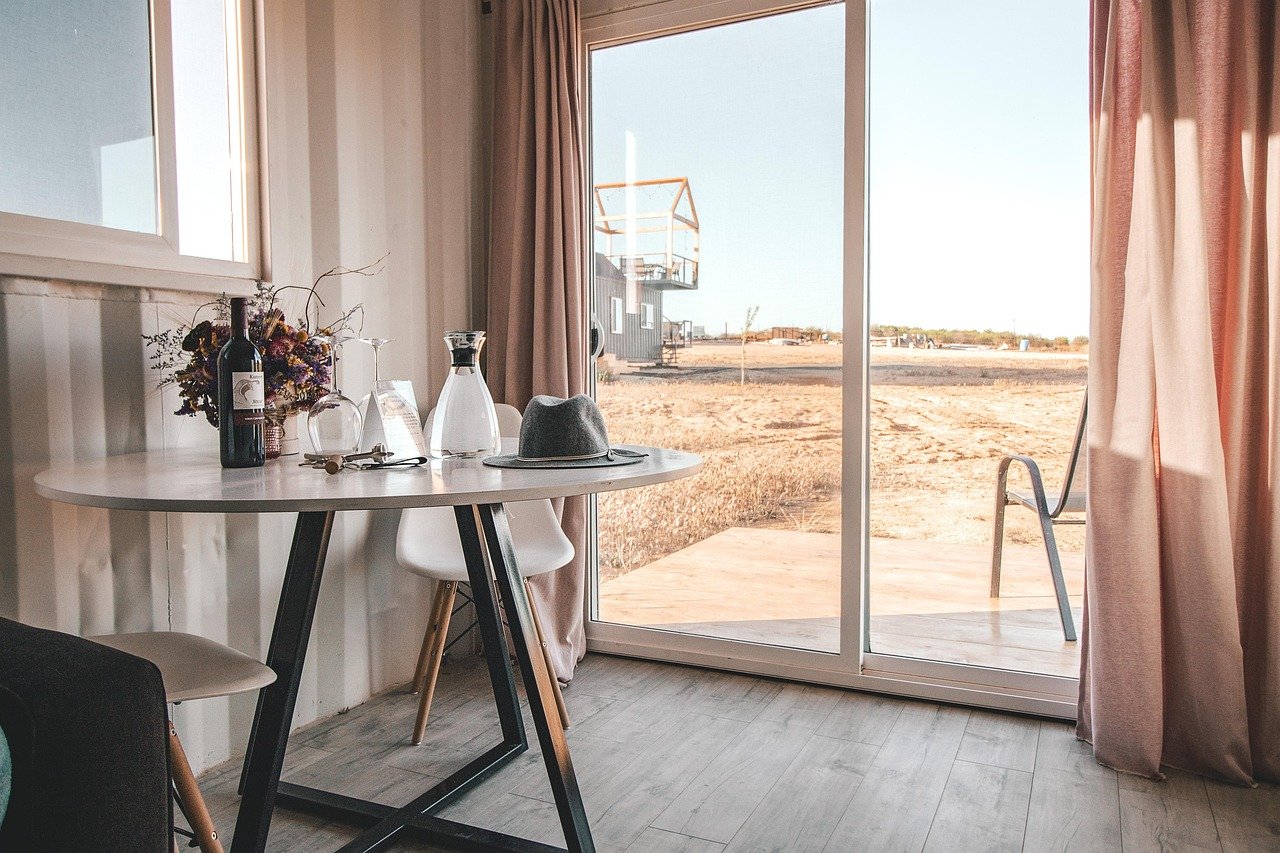
For adventure-focused weekends (hiking, exploring, outdoor activities), I prefer accommodations that are convenient to the action but comfortable enough to recover in. A clean, comfortable hotel or well-reviewed Airbnb near trailheads or attractions means less time driving and more time doing. I’ve wasted too many weekends commuting from far-flung budget hotels—trust me, the extra money for a convenient location is worth it.
For relaxation-focused weekends, I lean toward places with character and charm. A bed and breakfast with a great breakfast, a boutique hotel with a cozy lobby, or a unique Airbnb that offers something different from home. These places add to the experience rather than just being a place to sleep. I’ve stayed in converted historic buildings, mountain cabins with hot tubs, and charming inns that felt like destinations in themselves.
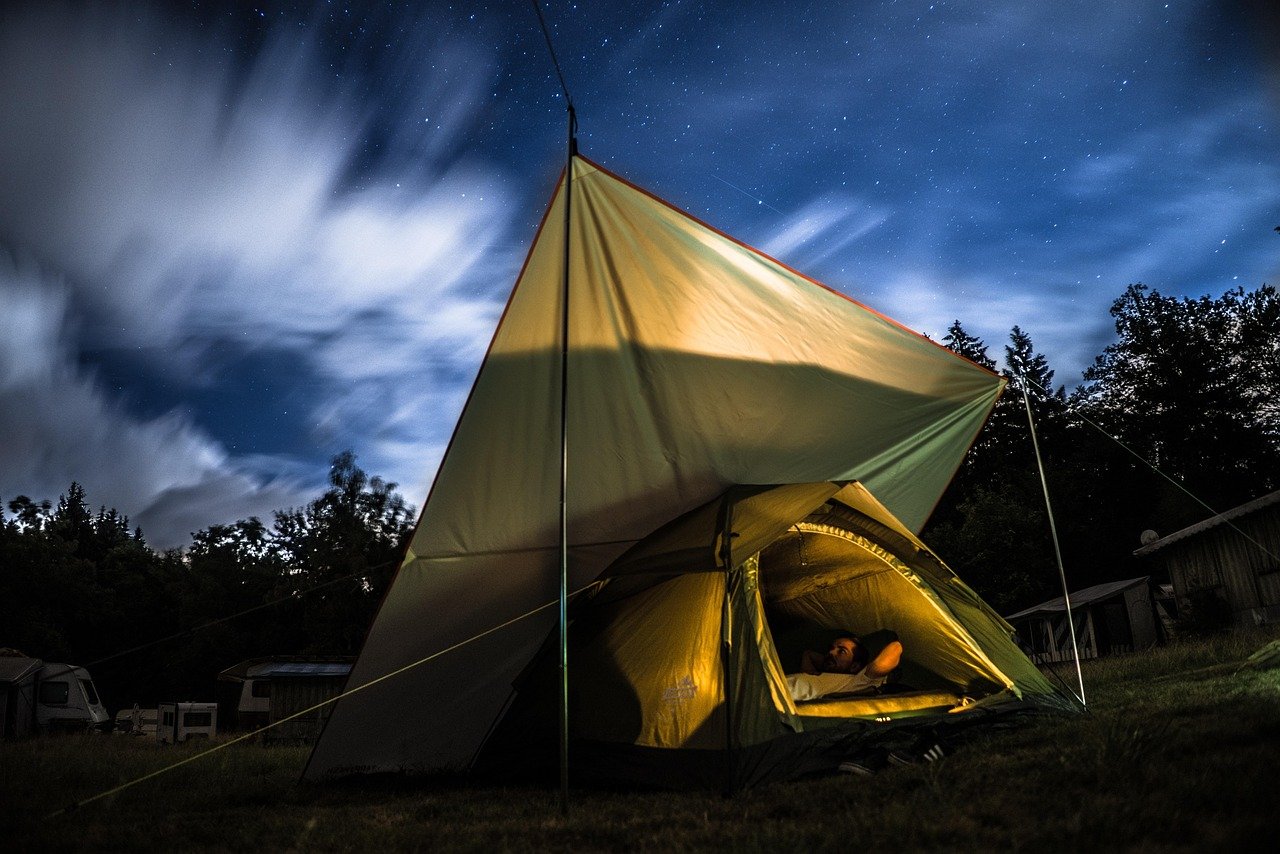
For budget weekends, I’ve found that camping can be an incredible option. Many state parks and national forests have campgrounds within a short drive of towns and attractions. You get the experience of sleeping under the stars, the budget-friendly price point, and you’re still close enough to explore the area. I’ve had some of my favorite weekend trips combining camping during the day and exploring local towns in the evening.
The Art of the Detour: Embracing Spontaneous Discoveries
One of the greatest joys of micro-vacations is the freedom to take detours and discover unexpected gems. When you’re not locked into a rigid itinerary for a week-long trip, you can follow that “interesting roadside attraction” sign, stop at that local café that looks inviting, or explore that side road that looks promising.

Some of my favorite micro-vacation memories have come from unplanned detours. I once discovered an incredible waterfall just because I decided to take a scenic route instead of the highway. Another time, I found a charming small town with the best barbecue I’ve ever tasted, all because I took a wrong turn and decided to keep driving. These spontaneous discoveries often become the highlights of the trip.
The key is building flexibility into your schedule. Instead of planning every hour, leave space for discovery. Plan your must-dos, but leave gaps for whatever catches your interest. I always bring a carry-on travel backpack that’s ready to go at a moment’s notice for these spontaneous adventures. Some of the best experiences I’ve had weren’t in any guidebook or tourism website—they were just things I stumbled upon because I allowed myself to wander and wonder.
Combining Business and Micro-Vacations
If you travel for work, micro-vacations can be the perfect way to extend business trips into personal adventures. I’ve turned countless business trips into mini-vacations by arriving a day early or staying a day or two after the work concludes. It’s efficient—you’re already there, so why not explore a bit?
The key is keeping the business and vacation portions mentally separate. During the work portion, focus on work. Once work concludes, switch into vacation mode completely. I’ve found this transition easier with micro-vacations than longer trips because the time is limited—there’s no time for work to bleed into vacation time.
I’ve explored incredible cities this way—arriving Friday for a Monday meeting, spending the weekend exploring, then shifting into work mode Monday. Or finishing a conference Thursday and spending Friday-Sunday enjoying the destination. It’s like getting two trips for the effort of one, and I’ve discovered places I never would have visited otherwise.
Micro-Vacations as a Family
Families can absolutely benefit from the micro-vacation approach, and I’ve seen it work wonders for friends with kids. Instead of one big stressful annual family vacation, they take several weekend getaways throughout the year. Less planning stress, less packing stress, less pressure to make every moment perfect because you’ll be doing it again in a few months.
The key for family micro-vacations is choosing destinations that offer multiple activities within a small area. Kids don’t do well with long car rides between scattered attractions. But a place with hiking, swimming, dining, and activities all within a short distance? That’s a recipe for family fun. Mountain towns, beach communities, and small cities with family-friendly attractions are perfect.
Keep it simple. One main activity per day, one nice meal, plenty of downtime. Kids (and parents) get exhausted trying to pack too much into limited time. Better to do fewer things well and actually enjoy them than to rush between activities and end up with tired, cranky everyone.
Digital Detox Micro-Vacations
One of my favorite types of micro-vacations is the digital detox weekend. You know what I’m talking about—no emails, no social media, no constant phone checking. Just you, your destination, and actual experiences instead of digital ones. It sounds challenging, but the mental refresh is incredible.
I start by setting expectations before I leave. I let people know I’ll be unreachable for the weekend. I set up auto-replies. I delete social media apps temporarily (they’re easy to reinstall). Then I turn off notifications and embrace being present in the actual moment instead of capturing it for Instagram.
What I’ve discovered is that without the constant digital distraction, I notice things I would have missed. I have better conversations with locals. I see details in landscapes I would have scrolled past. I eat meals without photographing them first. It feels like returning to an earlier, slower way of traveling that’s somehow richer and more satisfying.
Tracking Your Micro-Vacation Experiences
After years of taking micro-vacations, I’ve found value in keeping track of where I’ve been, what I loved, and what I’d skip next time. I keep a simple note in my phone with destinations, accommodations, restaurants, and activities, rating each one. This has become an invaluable resource for planning future trips.
Why does this matter? Because I’ve discovered patterns in my preferences. I realized I love mountain towns more than beach destinations. I learned that I prefer bed and breakfasts over hotels. I found that I enjoy hiking in the morning and exploring towns in the afternoon. These patterns help me choose future destinations that I’m more likely to love.
It’s also fun to look back at all the places I’ve been over the years. What started as “just a few weekend trips” has become a collection of amazing experiences, discoveries, and memories. Seeing it all written down makes me appreciate how much richness these micro-vacations have added to my life.
Starting Your Micro-Vacation Journey
If you’re new to micro-vacations, here’s my advice: start small and close to home. Choose a destination within 2-3 hours, plan for a simple weekend, and focus on enjoying the experience rather than creating the perfect trip. Your first micro-vacation should feel like an adventure, not a project.
Pick something you’re genuinely interested in—whether that’s hiking, food, history, or just exploring somewhere new. Research accommodations that fit your style and budget. Make a rough plan for your time, but keep it flexible. Pack light, bring your sense of adventure, and be open to discovering something wonderful.
The beauty of micro-vacations is that there’s very little risk. If the destination isn’t perfect, you’re only there for a weekend. If the weather doesn’t cooperate, you’ll be home in two days. But more often than not, you’ll discover something wonderful and come back Monday feeling refreshed, energized, and already thinking about your next weekend adventure.
So stop waiting for that perfect week-long vacation that never seems to happen. Start taking micro-vacations now. Your future self—happier, less stressed, and filled with wonderful memories—will thank you for it. Whether you’re planning a budget national parks adventure or exploring solo travel, the principles remain the same: start small, go often, and enjoy every moment.