There’s something magical about spring that goes beyond wildflowers and warming temperatures. For me, the real magic happens when you catch a glimpse of nature’s new arrivals—baby animals taking their first wobbly steps, migrating birds returning after thousands of miles, whales breaching in coastal waters as they journey to feeding grounds. After years of chasing these moments across North America, I’ve learned that spring wildlife watching isn’t just about what you see—it’s about being in the right place at exactly the right time, with the right gear and a bit of patience.
Last April, I found myself parked along a gravel road in Yellowstone before dawn, shivering in my waterproof hiking jacket, watching a reddish-brown lump in the distance through my compact travel binoculars. As the sun crested the ridge, that lump transformed into a mother grizzly with two cubs, their fur still fluffy from winter. Moments like these are why I plan my entire year around spring wildlife watching, and I’m going to share exactly how you can experience them too.
Why Spring is Prime Wildlife Watching Season
Spring creates perfect conditions for wildlife viewing that you won’t find any other time of year. Animals are emerging from winter dormancy, giving birth to young, and migrating back to summer ranges—all of which means more activity and more predictable patterns. The bare trees and new foliage also mean better visibility compared to summer’s lush canopy, and moderate temperatures make dawn and dusk patrols (prime wildlife time) actually bearable.
What surprised me most when I started wildlife watching seriously was how much knowledge matters. You can’t just show up and hope for the best—the difference between seeing nothing and witnessing something extraordinary often comes down to specific locations, timing, and understanding animal behavior patterns. I’ll walk you through each major spring wildlife spectacle across North America, with exact locations and timing so you can plan your trip.
Yellowstone’s Baby Animal Season (April-May)
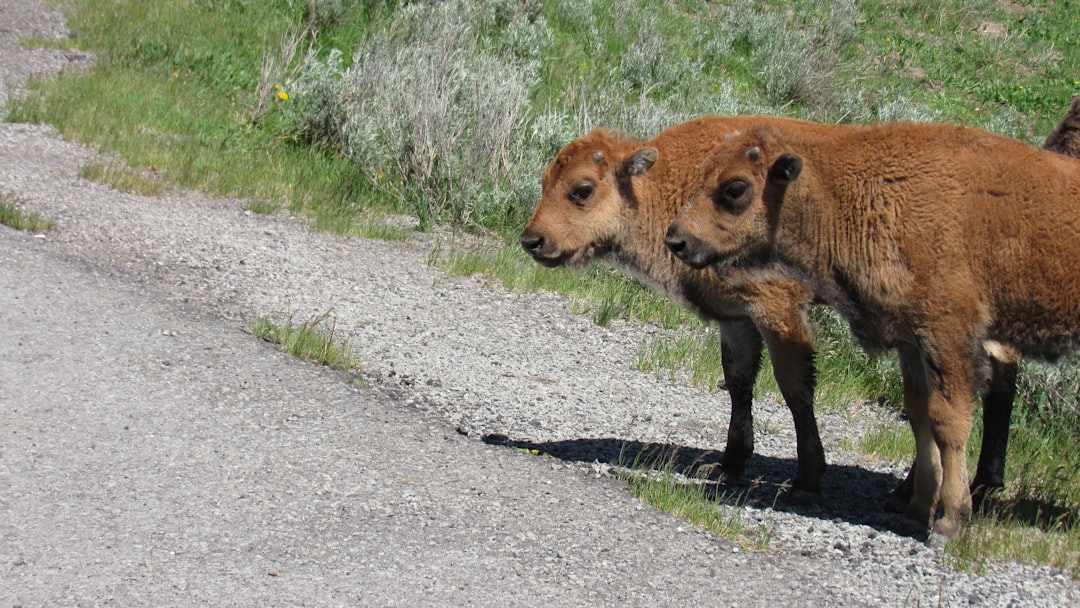
Yellowstone National Park is hands-down the best place in North America to see baby animals in spring. The season kicks off in April when bison calves (those infamous “red dogs”) start appearing, followed by elk calves in May, and bear cubs emerging from dens throughout April and May. I’ve spent weeks here over different years, and the wildlife density is unreal—you’ll often see multiple species with babies in a single morning.
The Lamar Valley is your go-to spot for bison and wolf pups. I’ve had mornings where I’ve counted over 100 bison with dozens of calves, watched wolves patrolling the valley floor, and spotted grizzly bears on nearby slopes—all before breakfast. The key is arriving at dawn (6-7 AM depending on your date) and staying until mid-morning. Pull over at designated pullouts, use your spotting scope or travel binoculars, and wait. Wildlife moves at dawn’s first light, then settles down as the day heats up.
Hayden Valley is your alternative for slightly different wildlife dynamics—it’s often better for elk calves and river otters. I’ve spent entire days just watching the Hayden Valley overlook, where the Yellowstone River winds through open meadows. Pack a lightweight camping chair and layer up with thermal base layers—April mornings in Yellowstone can hover around 20°F, and you’ll be stationary for hours waiting for wildlife to appear.
Rocky Mountain Elk Calving (May-June)
Rocky Mountain National Park offers something completely different—elk calving season in high-elevation meadows. I’ve timed trips for late May specifically to watch newborn elk calves take their first steps, often within an hour of birth. The mothers are protective but visible, and you can witness the entire herd dynamic from a safe distance using zoom binoculars.
Moraine Park and Horseshoe Park are your best bets here. I’ve had incredible luck at dawn, parking near the golf course and watching the meadows come alive. The elk gather in these open areas, and calves are often visible nursing, learning to walk, or playing—yes, elk calves actually frolic like puppies, and it’s every bit as adorable as it sounds. Pack your portable coffee maker and arrive by 5:30 AM; the elk are most active in the first hour of daylight, then retreat to shade as temperatures rise.
What makes Rocky Mountain special is the accessibility. You don’t need backcountry gear or 4WD—you can often see elk calving from your car or roadside pullouts. That said, bring waterproof hiking boots for morning frost on grass, and consider trekking poles if you plan to explore trails around the meadows for different viewing angles.
Pacific Northwest Whale Migration (March-May)
The West Coast offers one of North America’s most dramatic wildlife spectacles—gray whale migration. Over 20,000 gray whales travel from Baja Mexico to Alaska, passing close enough to shore that you can see them from coastal overlooks. I’ve spent spring days on Washington’s Olympic Peninsula and Oregon’s coast, watching for the characteristic heart-shaped blow and occasional breach.
Olympic National Park’s Ruby Beach and Kalaloch Beach are my go-to spots. The whales pass within a few hundred yards of shore here, and on clear days, you can see their blows without any equipment. For closer viewing, bring waterproof marine binoculars and scan slowly—whales surface for 3-5 minutes, then dive for 5-10, so patience is crucial. I’ve found that 2-3 hours of focused watching usually yields multiple sightings, especially during peak migration in April.
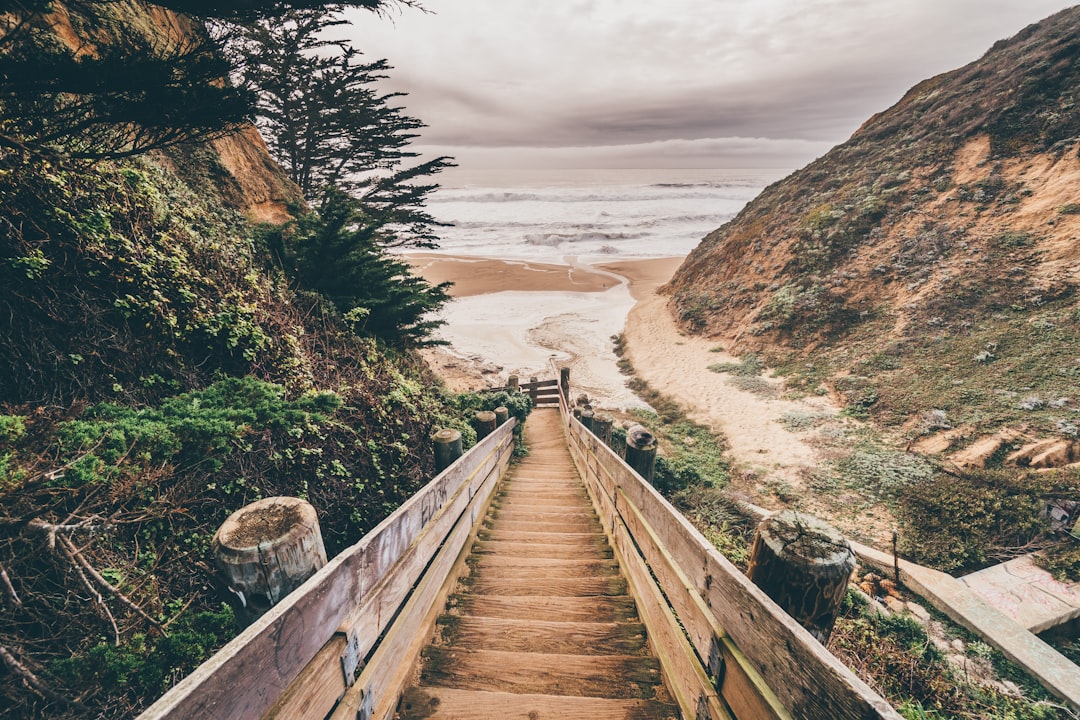
Newport, Oregon’s Yaquina Head Outstanding Natural Area offers another prime viewing spot. The lighthouse overlook provides elevated views, and you’ll often see sea lions and harbor seals alongside migrating whales. Pack a windproof rain jacket—coastal spring weather is unpredictable, and you’ll be exposed on headlands for hours. Early morning (8-10 AM) tends to be calmer, and the angled sunlight makes whale blows more visible.
Great Smoky Mountains Synchronous Fireflies (Late May-June)
This one’s less about traditional wildlife and more about an insect phenomenon that feels magical. The Great Smoky Mountains host one of the few places in the world where fireflies synchronize their flashing patterns, creating waves of light that ripple through forest floors. I attended the lottery-controlled viewing event in Elkmont last year, and it’s unlike anything I’ve experienced—thousands of fireflies flashing in perfect unison, creating a light show that rivals any holiday display.

The catch? You need a lottery ticket (applications open in April) for the Elkmont viewing area. But I’ve also found great viewing in Cataloochee Valley and Cades Cove—less crowded, no lottery required, and still excellent displays. The key timing is late May to early June, about 9:30-10:30 PM, on warm evenings following rain. Bring a red-light camping lantern (white light disrupts the fireflies) and arrive early to secure a spot. The show lasts about 2 hours at peak activity.
While you’re in the Smokies, spring also means elk calving in Cataloochee Valley and black bear activity throughout the park. I’ve combined firefly viewing with dawn elk watching for an incredible 24-hour wildlife experience—fireflies at night, elk calves at dawn, black bears in between. Pack bear spray and know how to use it—Smokies black bears are generally unaggressive but encounters are common, especially in spring when cubs are present.
Florida Keys Sea Turtle Hatching (July-September, Planning in Spring)
Okay, this one requires advance planning, but spring is when you book and prepare for summer sea turtle hatching season. The Florida Keys host massive loggerhead, green, and leatherback sea turtle nests that hatch starting in July. I’ve arranged guided night walks through the Florida Keys National Marine Sanctuary, watching hatchlings emerge and make their dash to the ocean—an experience that’s unforgettable and genuinely moving.
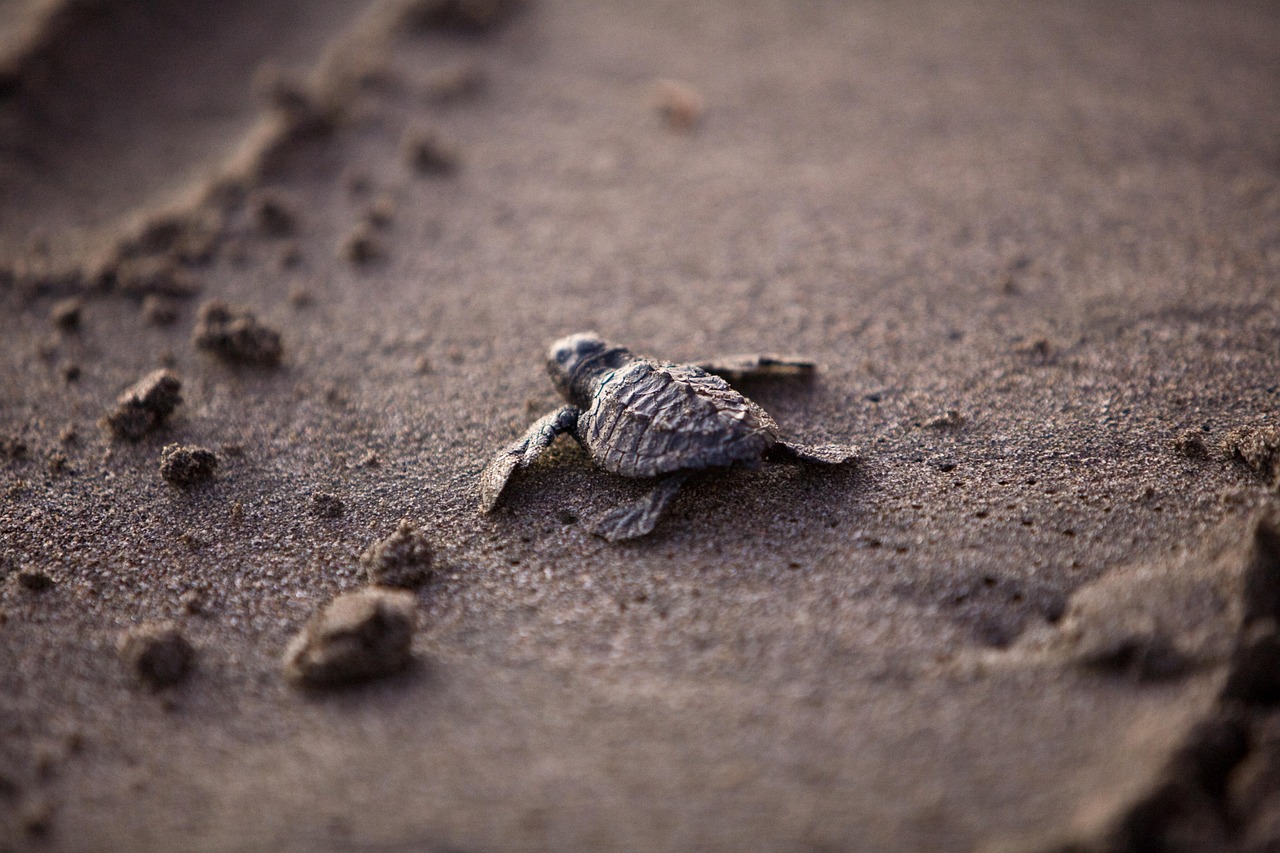
You’ll need to book these walks in spring (March-May) as they fill up fast. The Marathon Turtle Hospital and Key West’s Turtle Kraals offer educational programs that can improve your chances of seeing hatchlings during nesting season. For DIY viewing, Bahia Honda State Park allows night beach access during nesting season, but you must follow strict guidelines—no flashlights, no flash photography, maintain distance from hatchlings.
Spring preparation also means packing the right gear for July heat. I recommend cooling towels, lightweight hiking clothing, and portable neck fans. The Keys in July are brutally hot and humid, and you’ll be on beaches at night with zero breeze. Book accommodations with AC and plan mid-day breaks to avoid heat exhaustion.
Essential Wildlife Watching Gear
After years of trial and error, I’ve refined my wildlife watching kit to essentials that actually matter. Here’s what I never leave home without in spring:
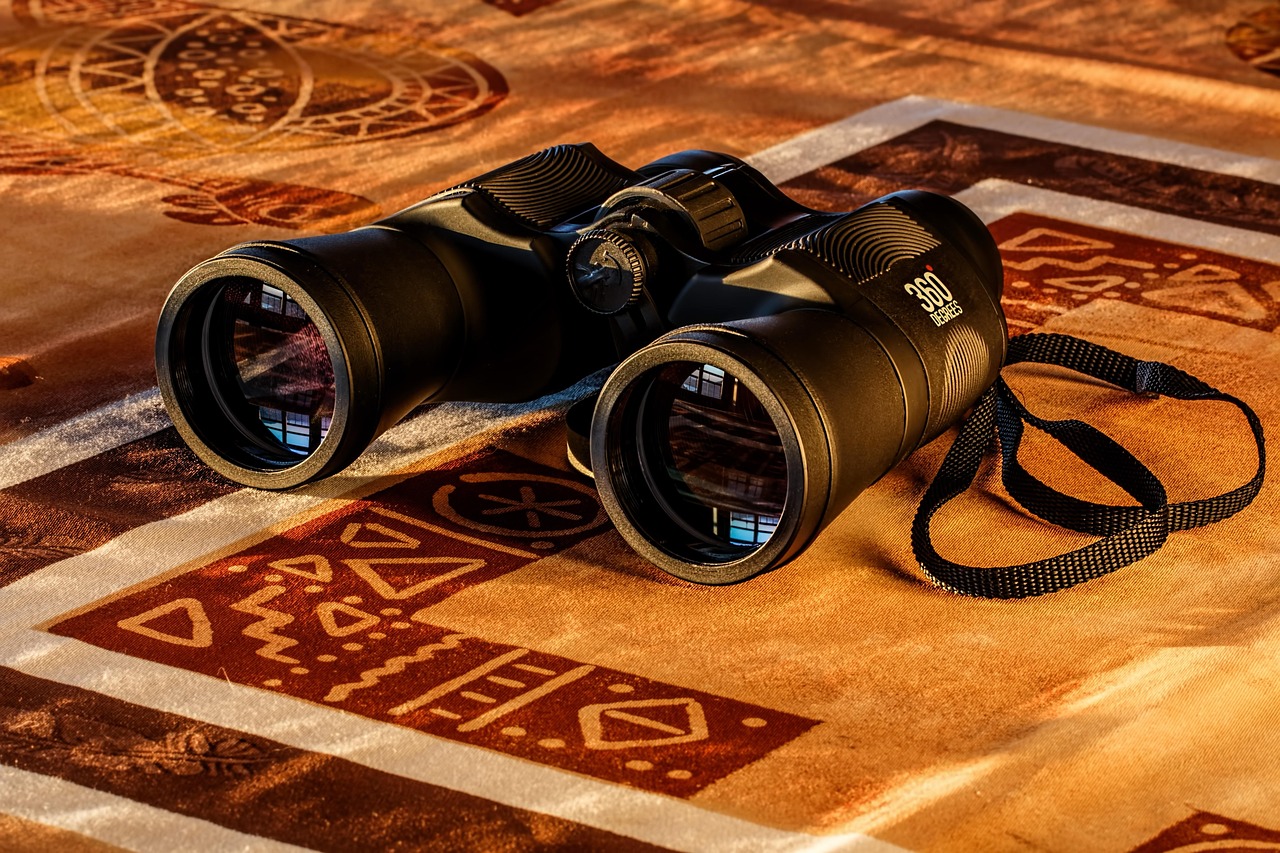
Optics: Compact travel binoculars are non-negotiable. I use 8×32 or 10×42 models—enough magnification for detail but not so much that handshake ruins the view. For serious wildlife enthusiasts, a spotting scope adds reach for distant elk or wolves, but honestly, decent binoculars cover 90% of situations for most travelers.
Clothing: Spring weather is schizophrenic—below freezing at dawn, 70°F by noon. I layer with thermal underwear, fleece midlayer, and packable waterproof shell. The shell doubles as rain gear and wind protection, which you’ll need on coastal whale watching trips. Don’t forget waterproof hiking boots—morning dew in meadows soaks through sneakers in minutes.
Comfort: You’ll be stationary for hours, waiting for wildlife to appear. A portable camping chair transforms the experience, especially on roadside pullouts. I also bring an insulated travel mug with hot coffee—keeps me warm during dawn patrols and prevents shivering that ruins steady viewing through binoculars.
Safety: Bear spray in bear country (Yellowstone, Rockies, Smokies). Know how to use it—practice with inert training canisters before your trip. A compact first aid kit for any location, plus emergency whistle if you’re venturing away from your vehicle. Spring weather can turn dangerous fast, especially in mountains.
Timing and Planning Strategies
The biggest mistake I see new wildlife watchers make? Assuming animals follow human schedules. Wildlife is crepuscular—most active at dawn and dusk. Plan to be in position 30 minutes before sunrise, which often means leaving your accommodation by 5 AM or earlier. Yes, it’s early. Yes, it’s worth it. The two hours after dawn typically produce more wildlife sightings than the entire rest of the day combined.
Seasonal timing matters too. Baby animals appear in predictable windows: bison calves in April, elk calves in May, bear cubs April-May. Whale migration peaks April-May on the West Coast. Fireflies peak late May to early June. Plan your trip dates around these windows, not around convenient vacation schedules. I’ve adjusted entire years to hit specific calving seasons, and the payoff is always worth it.
Weather affects wildlife behavior dramatically. Animals feed actively before storms and hunker down during heavy rain. I’ve had incredible sightings right before spring snowstorms—animals sense weather changes and stock up on food. Check forecasts, but don’t cancel if rain threatens—some of my best wildlife encounters happened in “bad” weather that tourists avoided.
Wildlife Viewing Ethics and Safety
I’m going to be blunt: I see people do stupid, dangerous things around wildlife every single spring. Approaching bear cubs for photos. Chasing elk calves. Getting too close to whales on kayaks. Don’t be that person. The National Park Service recommends 100-yard minimum distance from bears and wolves, 25 yards from all other wildlife. I stay back even farther—200 yards from bears, 50 yards from elk calves. Use your zoom binoculars or spotting scope instead of approaching.
Never feed wildlife, ever. It habituates animals to humans, which effectively signs their death sentence when they become “problem animals.” I’ve seen this play out with bears in Yellowstone and elk in Rocky Mountain—animals that lost their fear of humans and had to be euthanized. Pack out all food, secure trash in bear-proof containers, and never leave scraps behind.
Stay on designated trails and boardwalks. Spring meadows are fragile—new grass, wildflowers, and ground-nesting birds. Off-trail travel crushes habitat and stresses wildlife. I’ve watched people trample through elk calving meadows to get closer photos, displacing newborn calves that can’t escape. Stay put, let wildlife come to you (sometimes they will), and accept that some encounters happen at distance.
Putting It All Together: A Sample Spring Wildlife Trip
Here’s how I’d plan a spring wildlife watching trip hitting multiple spectacles:
Week 1 (Late April): Fly into Bozeman, Montana. Spend 4-5 days in Yellowstone, focusing on Lamar Valley at dawn for bears and bison calves. Drive through Rocky Mountain National Park en route south, targeting elk calves in Moraine Park. Base yourself in gateway towns with good coffee and early-opening diners—dawn patrol requires real food.
Week 2 (Early May): Head west to the Olympic Peninsula. Base in Port Angeles for whale watching at Ruby Beach and Kalaloch. Spring migration is peaking, and you’ll likely see gray whales daily. If weather’s decent, continue south to Oregon’s coast for Newport’s Yaquina Head. Pack your rain gear—this is the wettest stretch of the trip.
Week 3 (Late May): Fly to the Southeast for Great Smoky Mountains synchronous fireflies. This requires lottery entry (apply in April), but even if you don’t get Elkmont access, Cataloochee Valley offers elk calving at dawn plus excellent firefly displays. Combine with Cades Cove for black bear sightings and diverse spring wildlife. The Smokies are crowded in spring—book accommodations months in advance.
This route covers baby mammals, marine mammals, insects, and birds across diverse ecosystems. Total cost? Roughly $2,500-3,500 including flights, car rental, park passes, and gear. It’s ambitious, but I’ve done variations of this itinerary twice, and the wildlife density is insane—some days I saw more wildlife in two hours than most park visitors see in a week.
The Unspoken Reality: Not Every Trip Delivers
I need to be honest: not every wildlife watching trip produces sightings. Last year, I spent three days in Yellowstone during a late spring snowstorm and saw exactly one bison. The year before, perfect conditions yielded multiple bear cub sightings, elk calves, wolves, and a moose—all in one morning. Wildlife is wild, not Disney. There’s no guarantee, and that unpredictability is part of the appeal.
That said, you can stack the odds in your favor. Timing (dawn/dusk, seasonal windows), location (proven wildlife hotspots), and patience (hours of waiting) dramatically increase success rates. I’d rather spend five dawn patrols in Yellowstone and see nothing once than visit for one afternoon and miss everything. Wildlife watching rewards persistence, not casual effort.
And sometimes, the “failure” trips become the best memories. That storm-bound Yellowstone trip? I ended up in a Mammoth Hot Springs cafe, talking with a retired ranger who shared decades of wildlife stories. Not what I planned, but genuinely enriching in its own way. Wildlife watching is as much about being present in nature as it is about checking species off a list.
Start Planning Your 2026 Spring Wildlife Adventure
Spring 2026 is shaping up to be excellent for wildlife watching. After a relatively mild winter across much of North America, animal populations are healthy, and spring conditions are looking ideal. Yellowstone’s bison calf numbers are projected to be strong, gray whale migration is on track, and Great Smoky firefly dates are already announced (late May to early June peak).
Book soon, though. Spring wildlife destinations fill fast—Yellowstone lodging, lottery entries for fireflies, guided whale watching tours all require advance planning. Start by picking your must-see spectacle, then build your trip around those dates. Flexibility helps—weather and wildlife don’t follow calendars, and being able to shift your schedule by a week can make the difference between seeing nothing and witnessing something extraordinary.
After dozens of spring wildlife watching trips across North America, I can tell you this: there’s nothing quite like watching a newborn elk take its first steps at dawn, or witnessing a gray whale breach against a sunrise ocean. These moments stick with you. They become stories you tell for years. And they’re accessible—you just need to be in the right place at the right time, with a bit of patience and the right gear.
So where will you go this spring? Which spectacle will you chase? The bears are waking in Yellowstone, the whales are passing the Pacific coast, the fireflies are preparing for their show. All that’s missing is you.
1 thought on “Spring Wildlife Watching: Best Spots to See Baby Animals and Migrating Species in 2026”