I still remember exactly where I was in the summer of 1994 — sitting cross-legged on my grandmother’s living room floor, watching Brazil lift the World Cup trophy at the Rose Bowl on a fuzzy tube television. I was eight years old, and something about that tournament lit a fire in me that never went out. Now, more than thirty years later, the World Cup is coming back to American soil, and this time I’m not watching from a couch. I’m going. And if you’re reading this, there’s a decent chance you are too.
The 2026 FIFA World Cup isn’t just another sporting event. It’s the biggest tournament in the history of the game — 48 teams, 104 matches, and 16 host cities spread across the United States, Mexico, and Canada. The US alone is hosting 11 cities, and the tournament runs from June 11 through the final on July 19 at MetLife Stadium in New Jersey. It is, by any measure, a logistical monster. But that’s also what makes it the trip of a lifetime.
I’ve spent months researching every host city, every stadium, and every neighborhood worth exploring between matches. Whether you scored tickets to a single group stage game or you’re going full nomad and chasing the tournament across the country, here’s everything I’ve learned about making the most of the 2026 World Cup in America.
The 11 American Host Cities — And What Makes Each One Special
Here’s the thing nobody tells you about a World Cup spread across an entire continent: the distances are absurd. New York to Los Angeles is roughly the same as London to Istanbul. You can’t casually hop between cities the way you might in a European tournament. So picking your host cities strategically matters more than anything else.
New York / New Jersey — The Final Destination
MetLife Stadium in East Rutherford, New Jersey, hosts the biggest prize of all — the World Cup Final on July 19. But even if you can’t score tickets to that match, the New York area is going to be absolute electricity during the tournament. FIFA is setting up massive fan zones, and every bar with a screen in Manhattan is going to be packed with supporters from every corner of the globe. I’d recommend staying in a lightweight luggage set that handles the subway stairs — you’ll be walking a lot.
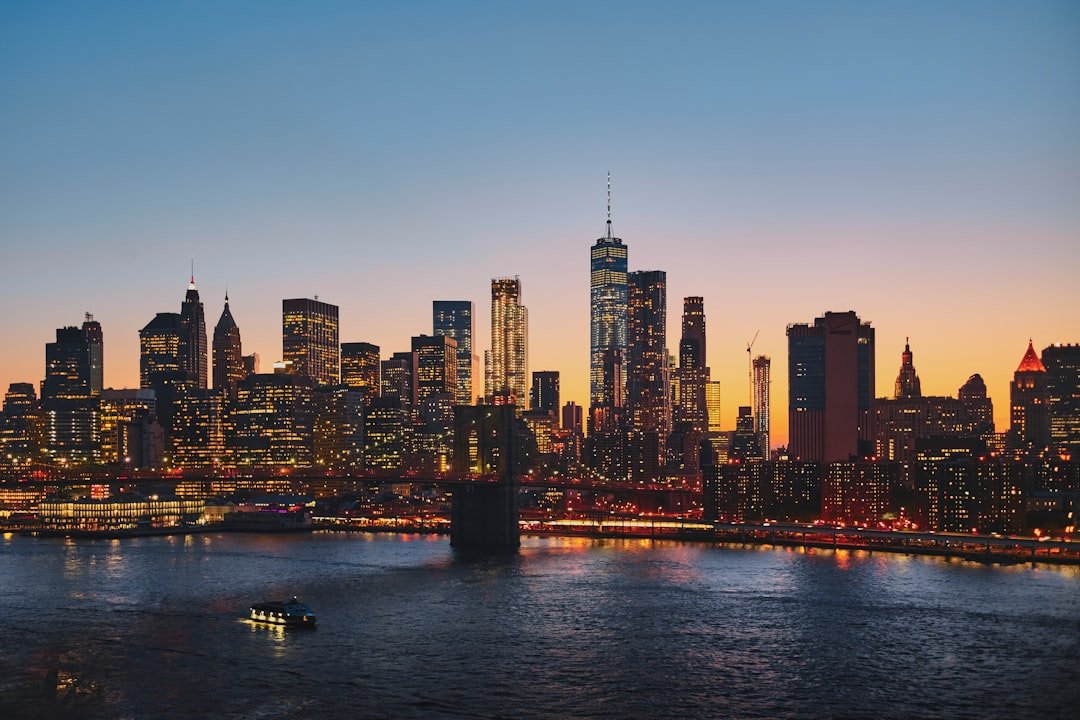
Beyond the matches, New York needs no introduction. But here’s a local tip: skip the tourist-trap restaurants near Times Square and head to Jackson Heights in Queens for some of the best South American and Asian food you’ll find anywhere. It’s also where you’ll find the most passionate soccer fans in the city, watching games from their home countries in cafes and bakeries.
Los Angeles — Where Soccer Culture Runs Deep
SoFi Stadium in Inglewood hosts the US Men’s National Team’s tournament opener against Paraguay on June 12, and the energy in LA is going to be off the charts. Los Angeles has one of the deepest soccer cultures in the country — LAFC and LA Galaxy rivalries divide the city, and the Mexican national team basically plays home games here. The fan zones around the stadium are expected to be among the largest in the entire tournament.
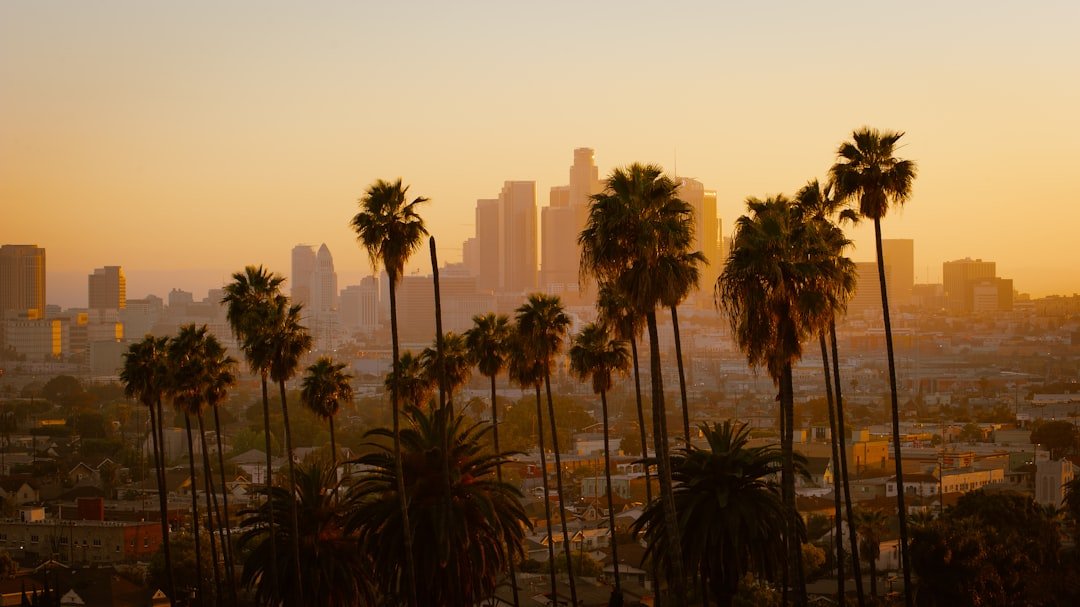
Between matches, you’ve got the obvious hits — Santa Monica, Venice Beach, Griffith Observatory. But I’d also carve out time for the Grand Central Market downtown, where you can eat your way through a dozen food stalls representing the cuisines of half the countries in the tournament. And if you need a break from the crowds, a portable beach chair and an afternoon at El Matador State Beach in Malibu will reset your soul.
Miami — Tropical Soccer Party
Hard Rock Stadium in Miami Gardens is hosting some mouthwatering group stage matches, including Saudi Arabia vs. Uruguay and Spain’s group stage games. Miami in June is hot — there’s no pretending otherwise — but the city’s Latin American influence means the soccer atmosphere here will rival anything in South America. Calle Ocho in Little Havana turns into an impromptu street party during every major tournament, and 2026 will be no different.
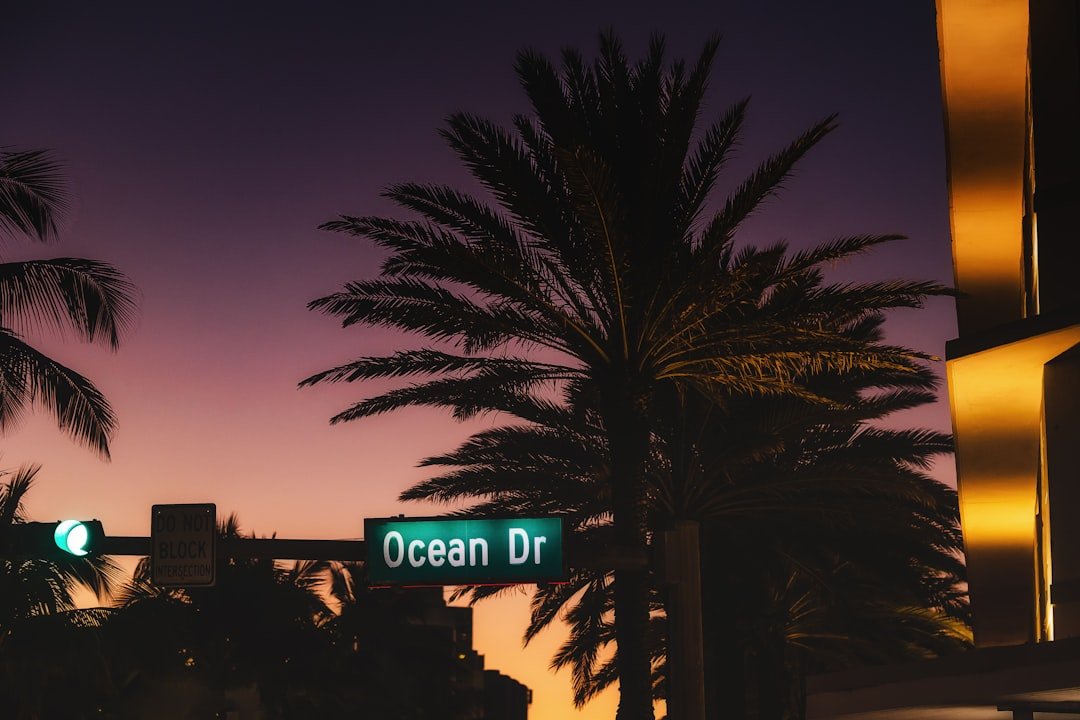
Plan your days around the heat. Matches in the evening, beach mornings, and siestas in between. Pack a cooling towel — trust me on this one. After a game, head to Wynwood for street art and craft cocktails, or hit up a Cuban ventanita for café cubano and a pastelito at 2 AM like the locals do.
Atlanta — The South’s Soccer Capital
Mercedes-Benz Stadium might be the best soccer venue in the country. The retractable roof, the 360-degree halo board, and the fact that Atlanta United averages over 50,000 fans per MLS game — this city takes its soccer seriously. Spain plays here, which means you’ll get an infusion of passionate supporters who travel incredibly well.
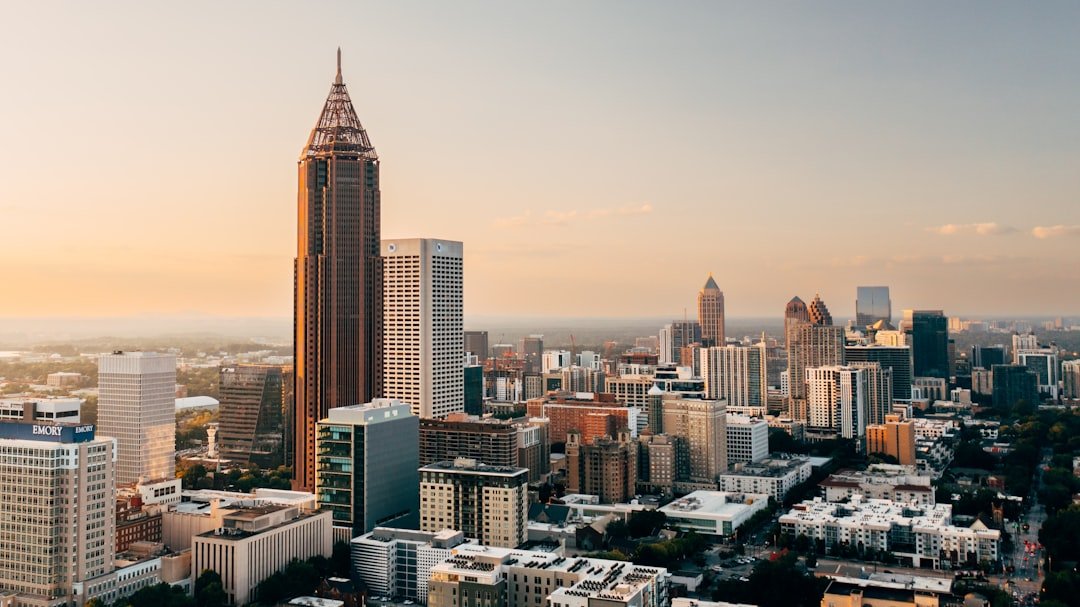
When you’re not at the stadium, the BeltLine is Atlanta’s crown jewel — a 22-mile loop of trails, parks, and restaurants that connects some of the city’s best neighborhoods. Stop at Ponce City Market for food, or dive into the Buford Highway corridor for authentic international cuisine that rivals anything in New York. I always keep a portable power bank handy for long days exploring — Atlanta is more spread out than you’d expect.
Seattle — The Best Summer Weather in the Tournament
Lumen Field hosts six matches including the USA vs. Australia group stage game, and Seattle in June and July is genuinely spectacular. After nine months of gray drizzle, the city erupts into sunshine and 75-degree days. The Space Needle, Pike Place Market, and the waterfront are all within walking distance of each other, and the soccer culture here is grassroots and genuine — the Sounders were drawing massive crowds before MLS was cool.
Take a ferry to Bainbridge Island for a half-day escape, or drive into the Cascades if you need mountain air between matches. I also found that a packable rain jacket is still worth carrying — Seattle’s weather can turn on a dime, even in summer. If you’re planning a bigger Pacific Northwest trip, check out our guide to hidden gems in Washington State.
Getting Between Cities — The Real Challenge
This is the part of World Cup planning that catches people off guard. Unlike a European tournament where you can train between cities in a few hours, the US is enormous. Atlanta to Miami is a 10-hour drive. New York to Boston sounds close, but the stadium is in Foxborough, Massachusetts — 45 minutes outside the city with no direct transit. You have to think about this tournament like a road trip, not a subway map.
Flying is the most realistic option for multi-city attendance, and I’d start booking flights now if you haven’t already. Southwest, Delta, and American all have extensive domestic networks, but fares are going to spike as the tournament approaches. For budget-conscious travelers, check out our guide to budget travel strategies — many of the same principles apply. Consider flying into secondary airports when possible: Burbank instead of LAX, Fort Lauderdale instead of MIA, or Westchester instead of JFK.
What to Pack for a Summer World Cup
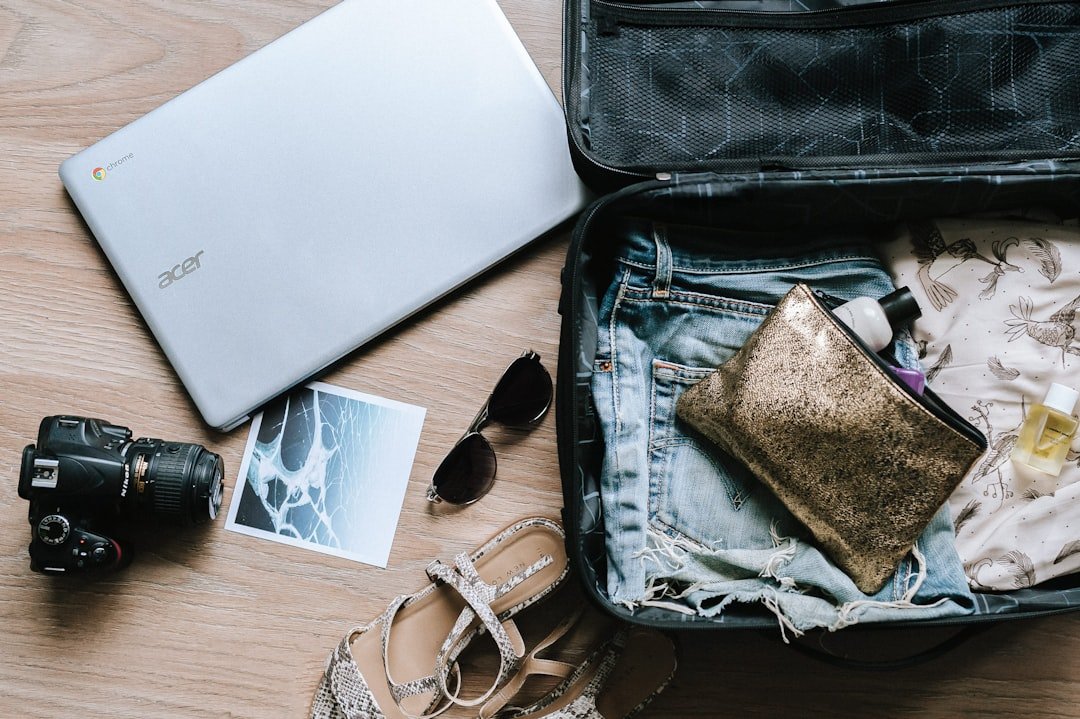
Summer in most American host cities means heat and humidity — especially in Miami, Houston, Dallas, and Atlanta. Seattle and San Francisco are the exceptions, where you might actually want a light jacket in the evening. I’ve done enough summer tournaments to know that packing right can make or break the experience.
Here’s what I never travel without during a summer World Cup: high-SPF sport sunscreen (stadium concourses have zero shade), an insulated water bottle (stadium water is expensive and warm), and a proper neck pillow for those flights between cities. I also swear by compression packing cubes — you’ll accumulate souvenirs, scarves, and jerseys faster than you think, and having room to pack it all is a lifesaver on the way home.
For stadium days specifically, bring a handheld misting fan and wear moisture-wicking clothing. Some of these stadiums — looking at you, AT&T Stadium in Arlington — will be absolutely brutal in July, even with climate control.
Where to Stay — And Why You Need to Book Yesterday
I’m not going to sugarcoat this: hotel prices in host cities during the World Cup are going to be punishing. I’ve been tracking rates since the host cities were announced, and in some cases they’ve already tripled from baseline. But there are strategies that go beyond “pay whatever they’re asking.”
First, look beyond the obvious neighborhoods. In Dallas, stay in Fort Worth instead of Arlington — it’s equally close to AT&T Stadium but has a completely different price structure. In New York, consider staying in New Jersey near a PATH station rather than Manhattan. In Boston, Cambridge or Providence, Rhode Island are viable alternatives to downtown Boston hotels. If you’re planning to travel on a budget, these small choices add up fast.
Second, consider vacation rentals with kitchens. Eating out three meals a day for five weeks will destroy your budget faster than anything else. Having a kitchen — even a basic one — means you can cook breakfast, prep stadium snacks, and save your restaurant money for the meals that actually matter. If you’re also dealing with jet lag from international travel, check out our complete guide to beating jet lag — it makes a real difference in those first few days.
The Matches You Can’t Miss
Even if you don’t have tickets yet, FIFA’s last-minute sales phase started April 1 with another drop on April 22, and there’s always the official resale marketplace. Some matches are worth the effort more than others. The US opener against Paraguay in Los Angeles on June 12 is going to have an atmosphere unlike anything American soccer has ever produced. Brazil vs. Morocco at MetLife on June 13 is a clash of styles that could produce the best group stage game of the entire tournament. And England vs. Croatia in Dallas on June 17 is a rematch of the 2018 semifinal — expect absolute scenes in the stands.
But here’s my honest advice: don’t overthink the matchups. The beauty of a World Cup isn’t just the marquee games — it’s discovering a team you’ve never watched, finding yourself standing next to a fan from Tunisia or Uzbekistan, and realizing that for 90 minutes, the entire world is paying attention to the same patch of grass. That’s the magic. And in 2026, it’s happening in our backyard.
The World Cup doesn’t come to America often. The last time was when I was eight years old, sitting on my grandmother’s floor. I don’t know when it’ll be back. So if you’ve been on the fence, consider this your sign. Pick a city, grab a ticket, and show up. The rest will sort itself out.