Anyone who has spent more than a few nights living out of a vehicle eventually confronts the same question: what do you do when nature calls and there is no plumbing anywhere around? It is the unglamorous side of off-grid travel that Instagram rarely covers, yet it can make or break a trip faster than a dead battery or a leaky roof. For years, the options were limited to smelly chemical toilets, expensive composting setups, or the dreaded middle-of-the-night walk to a campground facility. A new generation of waterless, self-contained toilets is changing that math entirely — and opening up destinations that used to be off-limits for anyone unwilling to rough it.
After living the van life dream across thousands of miles of remote terrain, I have tested nearly every bathroom solution on the market. What follows is a practical breakdown of why dry flush technology has become the tipping point for genuine off-grid independence, how it compares to the alternatives, and what you need to know before choosing a system for your own rig.
The Real Bathroom Problem Nobody Warns You About
When you watch those beautifully edited van tour videos, nobody talks about waste management. The reality is that every mobile dwelling — whether a $100,000 Sprinter conversion or a weekend camper trailer — needs a strategy for human waste. Traditional RV toilets rely on black water tanks that require dumping stations, chemical treatments, and a hose you do not want to touch twice. Portable cassette toilets are smaller but still need emptying into a dump station or flush toilet every few days. Neither option is what you would call liberating.
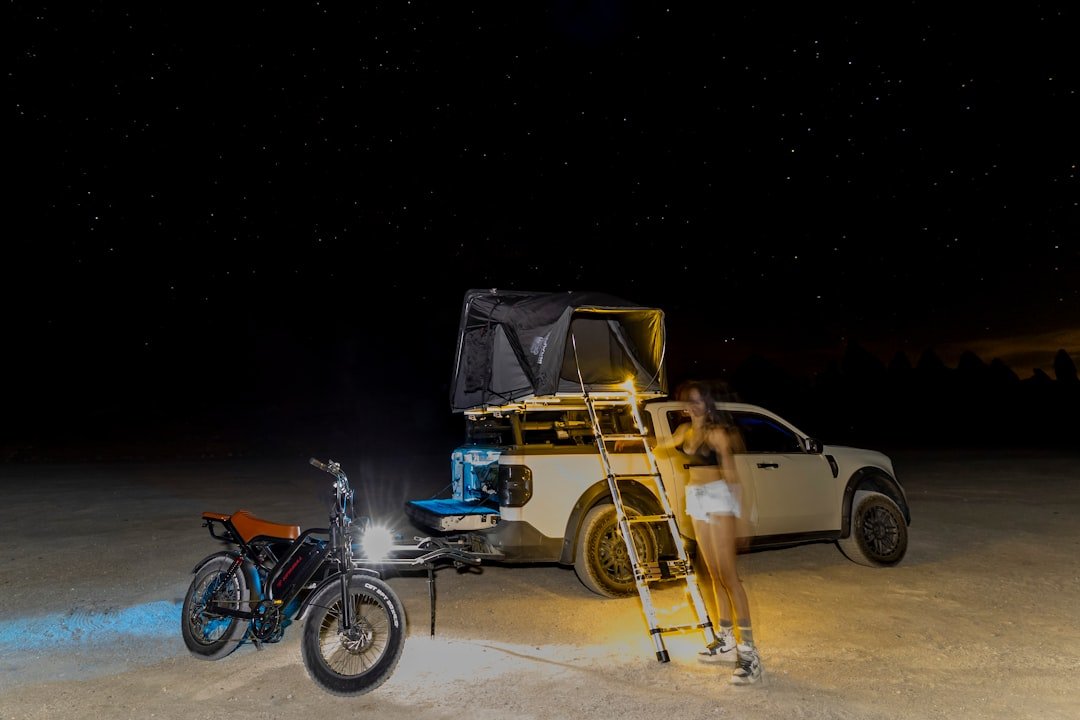
The fundamental tension is this: the farther you want to get from civilization, the more difficult waste disposal becomes. The most stunning boondocking spots in America are rarely within driving distance of an RV dump station. If your toilet dictates your itinerary, you are not really free — you are just on a longer leash.
How Dry Flush Toilets Actually Work
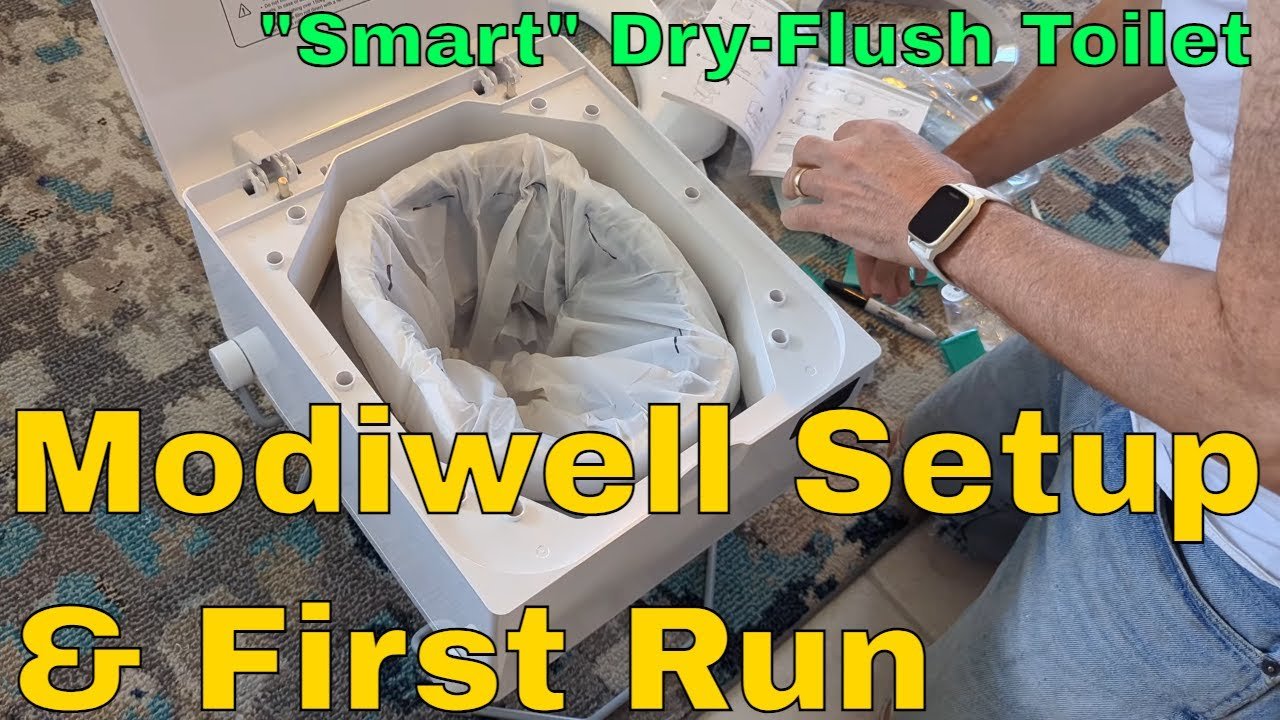
The concept behind a dry flush toilet is elegantly simple. Instead of using water to move waste into a holding tank, the system seals each use inside a continuous bag using a heat-welding mechanism. One press of a button and the toilet wraps everything in a sealed package — no odor, no chemicals, no water required. The waste sits in an enclosed chamber beneath the seat until you are ready to dispose of it, at which point you simply remove the sealed bag and place it in any standard trash receptacle.
What makes this technology genuinely disruptive for mobile living is the coagulant powder that accompanies the system. Each refill kit includes a powder that you add to liquid waste before flushing. The powder gels the liquid into a solid mass — similar to the freezer packs you put in a cooler — which means the sealed bag contains everything securely without sloshing or leaking. It is a remarkably clean process that eliminates the two biggest complaints about portable toilets: smell and mess.
The Modiwell LE-310 Smart Dry Flush Toilet represents one of the most compact and affordable entries into this category. At roughly 17 pounds and small enough to fit in a van cabinet, it runs on a rechargeable battery that can handle approximately 50 flushes per charge. The replacement refill bags come in 30-use or 60-use kits with the coagulant powder included, making ongoing costs predictable and reasonable.
Dry Flush Versus Composting: The Honest Comparison
For years, the gold standard for off-grid toilet solutions has been the composting toilet. Units like the Nature’s Head Self Contained Composting Toilet use a urine-diverting design and coconut coir or peat moss to break down solid waste through aerobic decomposition. The OGO Origin Composting Toilet adds an electric agitator to the mix, and the compact Cuddy Lite Portable Compost Toilet brings the same principles into a smaller footprint.
Composting toilets are excellent for long-term installations where you have space for the unit, a ventilation route for the exhaust fan, and consistent access to your composting medium. They genuinely reduce waste volume over time and, when maintained properly, produce an end product that can be safely disposed of in many environments.
But composting toilets have real trade-offs that the marketing materials tend to minimize. They require a permanent installation with a vent hole through your vehicle’s wall or roof. The agitator handle or motor needs to be operated after each use. Urine diversion requires precise alignment, and overflow or misuse leads to smells that will make your entire vehicle uninhabitable for hours. Perhaps most importantly, you are managing a living decomposition process — temperature, humidity, and the carbon-to-nitrogen ratio all affect whether your toilet works beautifully or becomes a biohazard.
Dry flush toilets sidestep every one of those variables. There is no composting medium to buy and store, no vent to install, no agitator to crank, and no biological process to manage. Each use is sealed and done. The trade-off is ongoing bag costs and the fact that you are sending sealed bags to a landfill rather than composting — an environmental calculation that matters to some travelers more than others.
Who Should Choose What?
The right toilet depends entirely on your travel style, your vehicle, and how much complexity you are willing to tolerate. Here is how I break it down after testing both categories extensively.
Choose dry flush if: You value simplicity above all else. You want a toilet that works the same way in a desert at 110 degrees and a mountain pass at 20 degrees. You do not want to cut holes in your vehicle for ventilation. You want to be able to move or remove the toilet at any time. The Modiwell in white, grey, or silver gives you three finish options at a price point well below most composting systems.
Choose composting if: You are building a permanent van or tiny home and want the most sustainable long-term solution. You are comfortable managing the composting process and willing to stock coir or peat moss. The Nature’s Head remains the most battle-tested option, while the NOMAD by OGO offers a no-electricity, no-water design that works for truck campers and hunting blinds where power is not guaranteed.
Choose a portable cassette if: You primarily stay at campgrounds with dump stations and want the cheapest possible option. The Kohree 5.8-gallon portable toilet is a solid budget pick that works well for weekend warriors who are never more than a few days from a facility. Just understand that you will be carrying a tank of chemically treated waste to a dump station — which is exactly the experience most off-grid travelers are trying to escape.
Building a Complete Off-Grid Bathroom Setup
A toilet is only one piece of the bathroom puzzle. If you are serious about staying off-grid for extended periods, you need to think about the full system — and the good news is that modern gear makes this far more achievable than it was even five years ago.

For showering, a rechargeable portable camp shower with a pump and a water container gives you a warm rinse anywhere you can hang a bag. Pair it with a pop-up privacy tent and you have a fully functional outdoor shower that sets up in under two minutes and packs flat. The entire kit weighs less than five pounds and costs less than a single night at most RV parks.
For waste odor control in any toilet system — even dry flush bags sitting in a trash container — products like Camco TST MAX RV Toilet Treatment drops are worth keeping in your kit. They break down waste and eliminate odors in any holding tank or sealed container, which matters when you are boondocking in hot weather and your trash sits in the van for several days.
The key insight is that your bathroom setup should scale with your trip length. A weekend excursion needs nothing more than a dry flush toilet and a portable shower. A two-month boondocking run across the desert Southwest demands a more comprehensive approach with redundancy built in.
The Freedom Calculation

Here is what it really comes down to: every constraint you remove from your rig adds destinations to your map. A toilet that requires a dump station every three days limits you to a corridor within driving range of facilities. A composting toilet extends that range significantly but ties you to managing a biological process. A dry flush toilet removes the constraint almost entirely — your only limit is how many refill bags you can carry, and each one handles 30 to 60 uses.
When I first started building out my campervan, I underestimated how much the bathroom question would shape my travel patterns. I found myself routing through towns I did not want to visit, staying at crowded campgrounds when I wanted silence, and cutting remote stays short because the cassette toilet was full. Switching to a waterless system was not just about convenience — it was about reclaiming the freedom that motivated the lifestyle in the first place.
If you are in the research phase of a van build or looking to upgrade your current setup, the complete guide to van life bathroom solutions covers the broader water management picture. But if your primary goal is maximum freedom with minimum complexity, a dry flush toilet is the single upgrade that will most dramatically expand where you can go and how long you can stay.
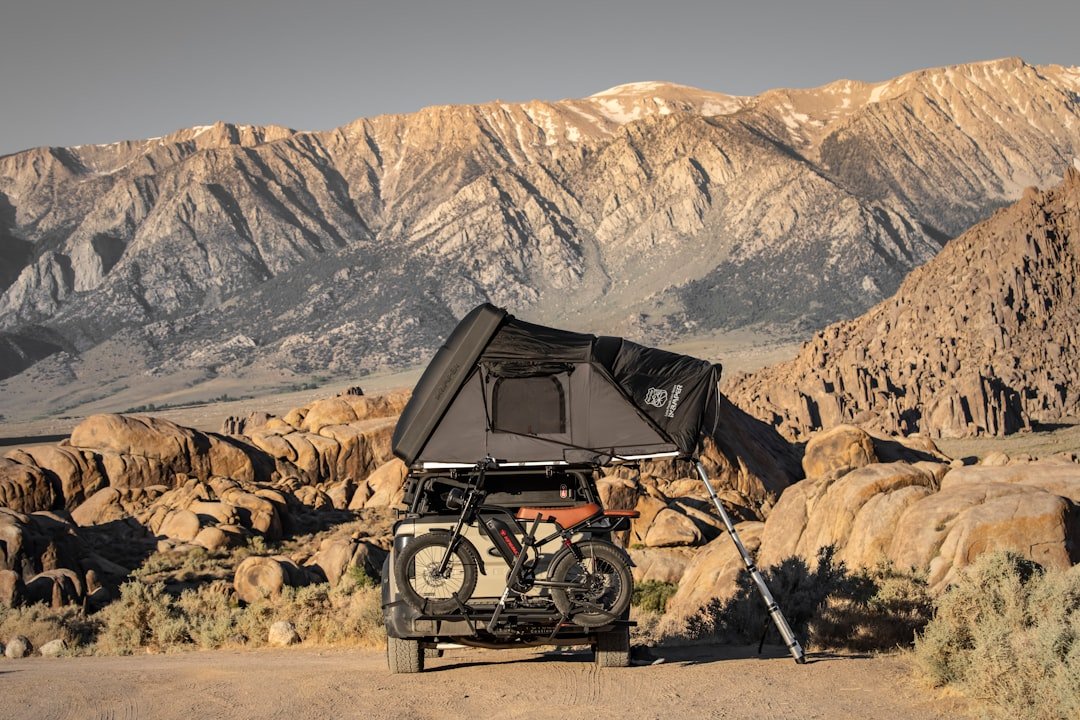
The best spot I have ever camped was twelve miles down a dirt road in the Nevada desert, with no cell service, no neighbors, and no facilities for forty miles in any direction. The kind of place that makes you understand why people choose this life. I would not have been able to stay there for a week with a cassette toilet. With a dry flush system, the only thing that sent me home was running out of groceries.
That is the real value proposition. Not the technology itself, but what the technology lets you do. The farther your bathroom solution takes you from the infrastructure grid, the more of the map that opens up. And in my experience, the best parts of the map are always the ones that are hardest to reach.