
Most travelers heading to Southwest Florida zero in on Sanibel’s shells, Captiva’s sunsets, or Fort Myers Beach’s shoreline. But tucked away in eastern Cape Coral sits a 365-acre ecological preserve that quietly offers one of the most immersive nature experiences on the Gulf Coast — and hardly anyone outside the locals knows about it.
Four Mile Cove Ecological Preserve, sometimes called “Eco Park” by residents, is a boardwalk trail that winds through dense mangrove forests, skirts the Caloosahatchee River, and ends at a moving collection of military memorials. It is the kind of place where you can watch otters play in tea-colored water, spot a bald eagle overhead, and feel the ancient rooted grip of mangroves holding the coastline together — all within a half-hour drive from your hotel.
Walking the Mangrove Boardwalk
The experience begins at a small parking area off Southeast 23rd Terrace. From there, a wooden boardwalk plunges almost immediately into a dense canopy of red and black mangroves. The transition is striking — one moment you are surrounded by the hum of Cape Coral traffic, and the next, the only sounds are bird calls, rustling leaves, and the soft slap of tidal water against exposed roots.
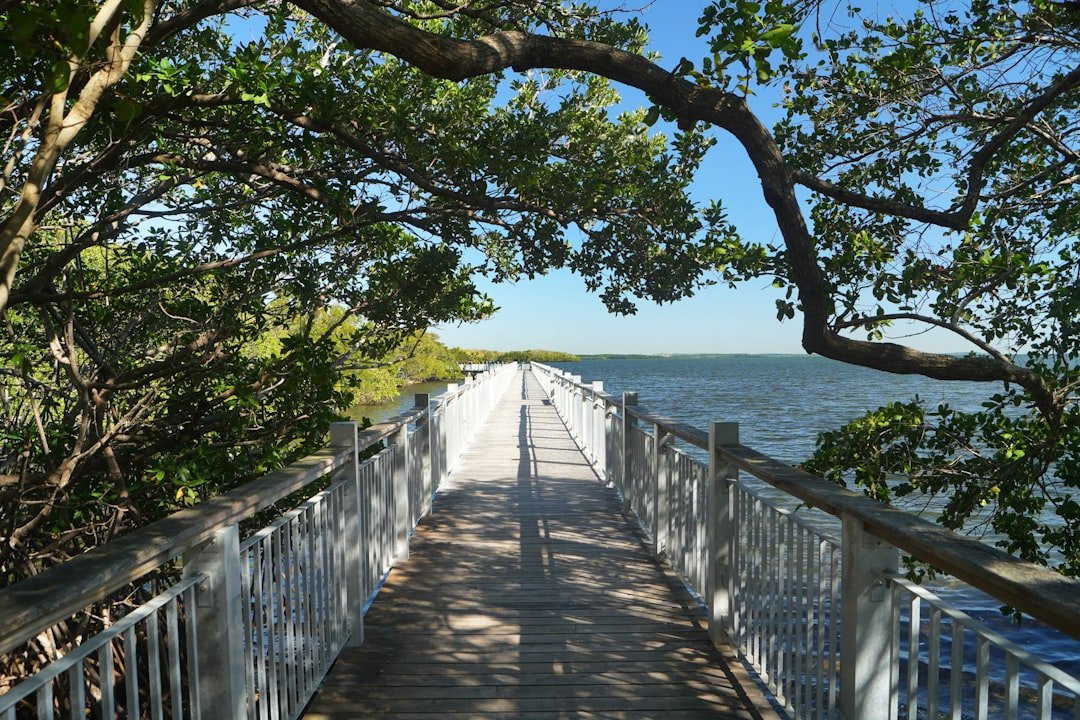
The boardwalk itself is well-maintained but shows the scars of Hurricane Ian, which tore through the region in September 2022. Some sections remain buckled or replaced with newer lumber, a visible reminder of how these ecosystems absorb and recover from catastrophic weather. Nature is already healing — ferns and new growth push through gaps in the canopy, and the mangroves’ root systems continue their slow, patient work of rebuilding the protective barrier that shields inland communities from storm surges.
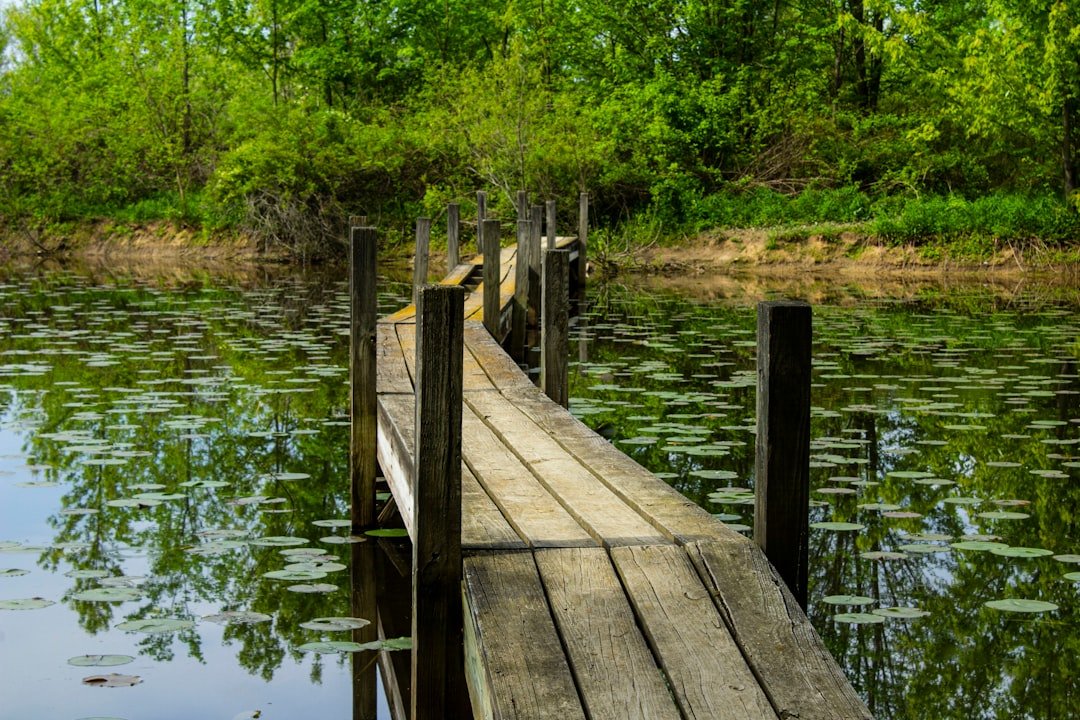
Along the trail, small observation decks provide stopping points where you can linger over the water. At low tide, mud flats stretch out between the roots, revealing a textured landscape of barnacles, small crabs, and the occasional wading bird picking through the shallows. At high tide, the water rises to meet the boardwalk, and the mangroves transform into a flooded forest that feels almost prehistoric.
The water itself carries a distinctive tea-colored tint — not from pollution, but from tannins released by mangrove roots and decomposing leaves. This natural staining is a sign of a healthy ecosystem, and it plays a crucial role in the estuarine food web that supports everything from juvenile fish to wading birds. If you are planning to explore the area, a good pair of waterproof hiking shoes will serve you well, especially after rain when portions of the trail can get slick.
Wildlife You Might Actually See
Four Mile Cove is not a zoo, and wildlife sightings depend heavily on timing, weather, and luck. But patient visitors who walk slowly and keep their eyes on the water are often rewarded. River otters are among the most delightful residents — they dart through the creeks and channels, sometimes popping up just feet from the boardwalk before vanishing again beneath the tannin-stained surface.
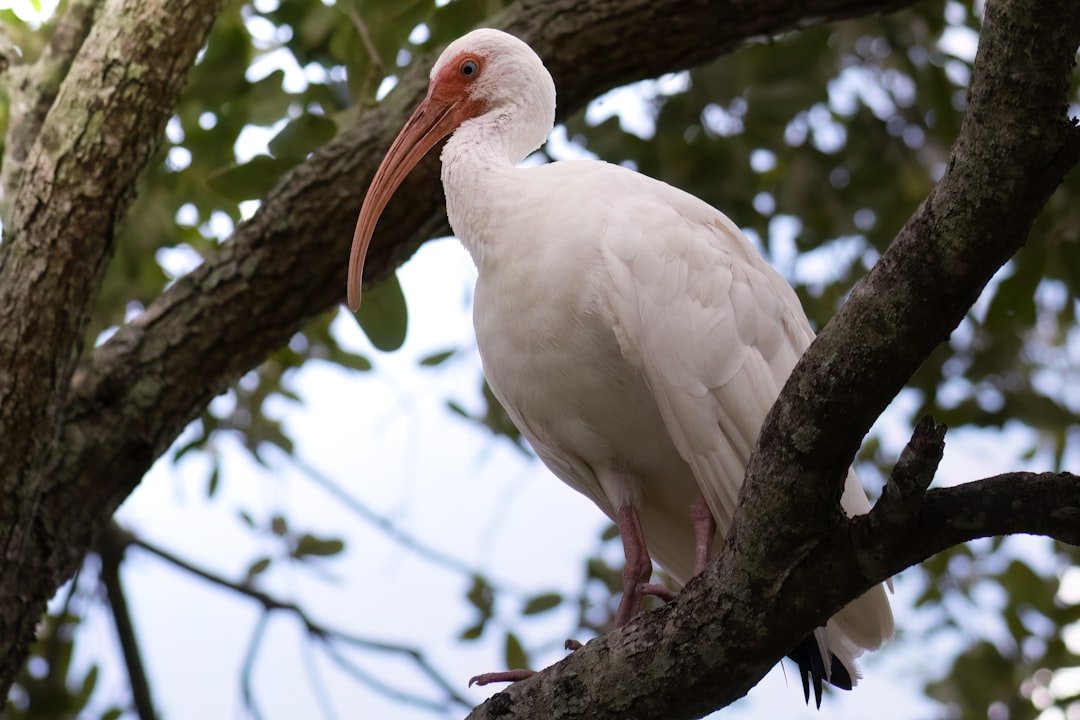
Birdlife is abundant year-round. Great blue herons stand motionless in the shallows, waiting for an unwary fish. Ibises probe the mud with their curved bills. Pelicans cruise overhead in formation. During winter months, bald eagles occasionally perch in the taller trees near the river, their white heads catching the morning light. A decent pair of compact binoculars will dramatically improve your experience here, especially for spotting smaller songbirds and raptors in the upper canopy.
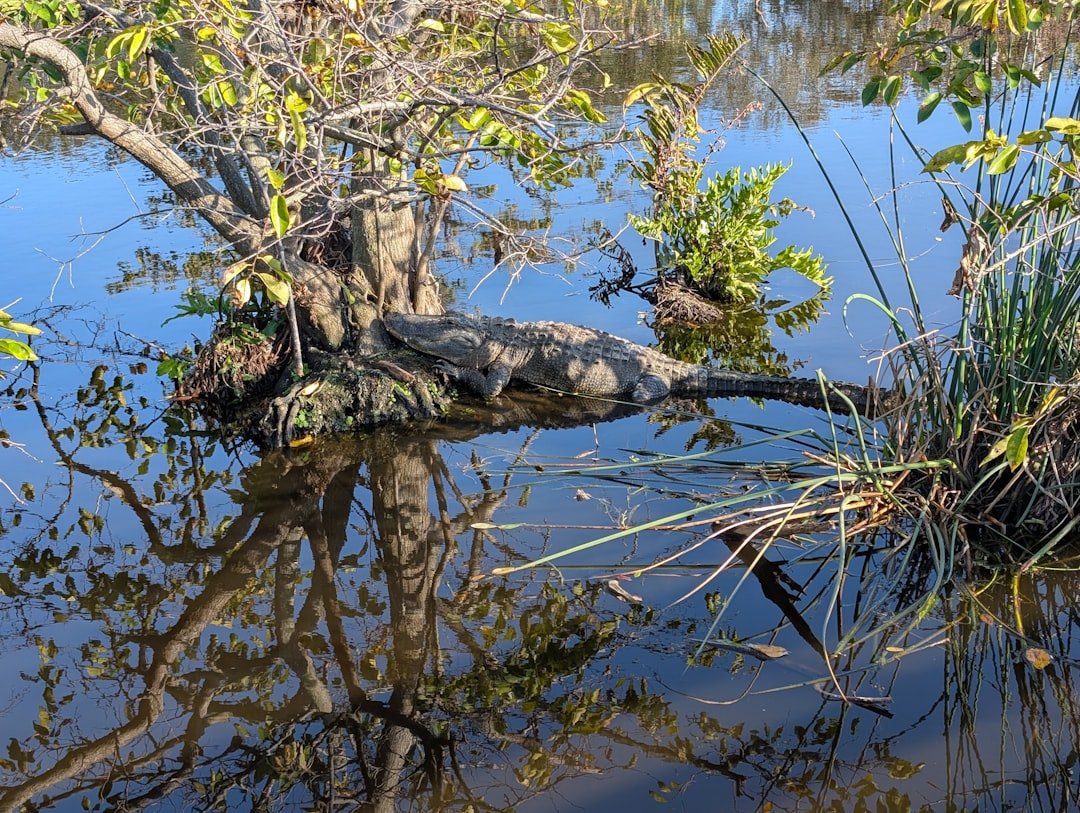
Alligators are present but infrequently seen on the main boardwalk trail. They tend to favor the quieter, less-trafficked waterways deeper in the preserve. Still, it is Florida, and the golden rule applies: never approach wildlife, keep pets on leash (where allowed), and respect the fact that you are a visitor in their habitat. Carrying a basic trail first aid kit is never a bad idea when exploring Florida’s wild spaces, even on a boardwalk.
Kayaking Alligator Creek
For those who want to go beyond the boardwalk, Four Mile Cove offers kayak and canoe access to Alligator Creek, a winding waterway that feeds into the Caloosahatchee River. Paddling through the mangrove tunnel is a completely different experience from walking above it — you are at water level, surrounded by arching roots and overhanging branches, with the current gently nudging you forward.
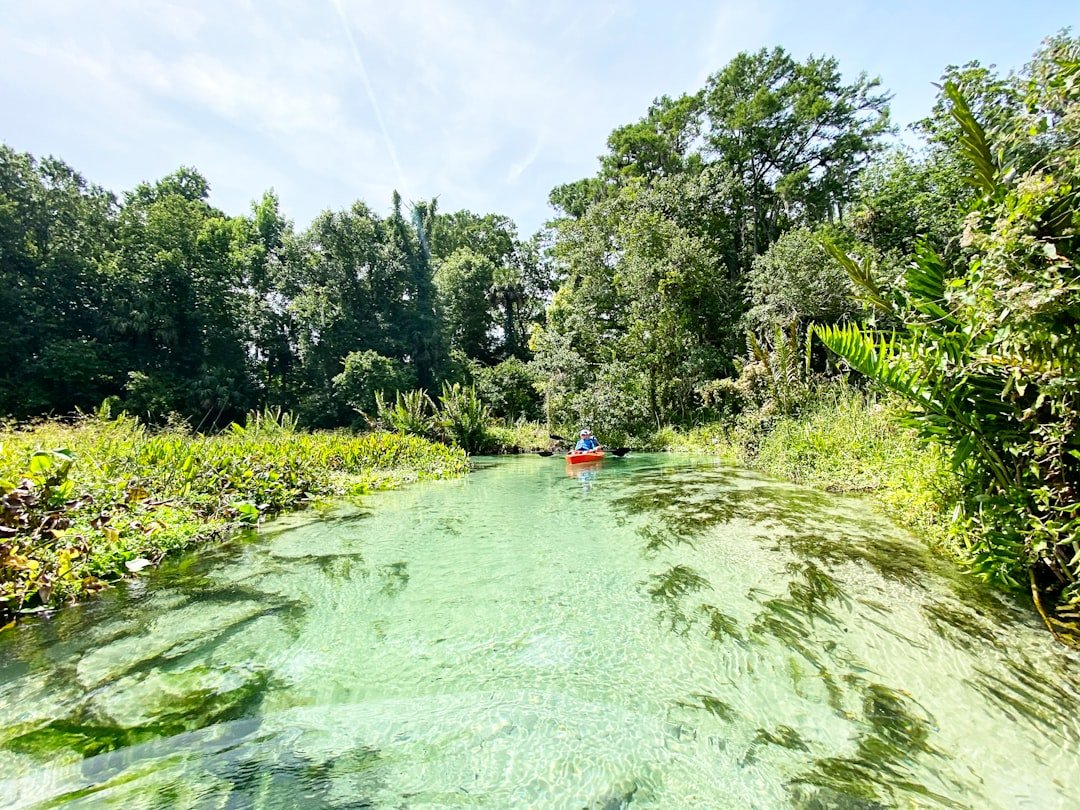
The creek is tidal, which means conditions change significantly throughout the day. At high tide, the channels are wider and easier to navigate. At low tide, you may find yourself dragging your kayak over mud flats or navigating narrow channels between exposed roots. Check a local tide chart before launching, and plan your trip around an incoming tide for the smoothest paddle.
You do not need to be an experienced paddler to enjoy Alligator Creek, but you should bring the right gear. A lightweight kayak paddle makes a difference over longer distances, and a waterproof dry bag is essential for protecting your phone, keys, and snacks. Florida sun is intense even on overcast days, so a UPF-rated sun hat and a solid application of insect repellent should be non-negotiable parts of your kit.
The Mangrove Ecosystem: Why It Matters
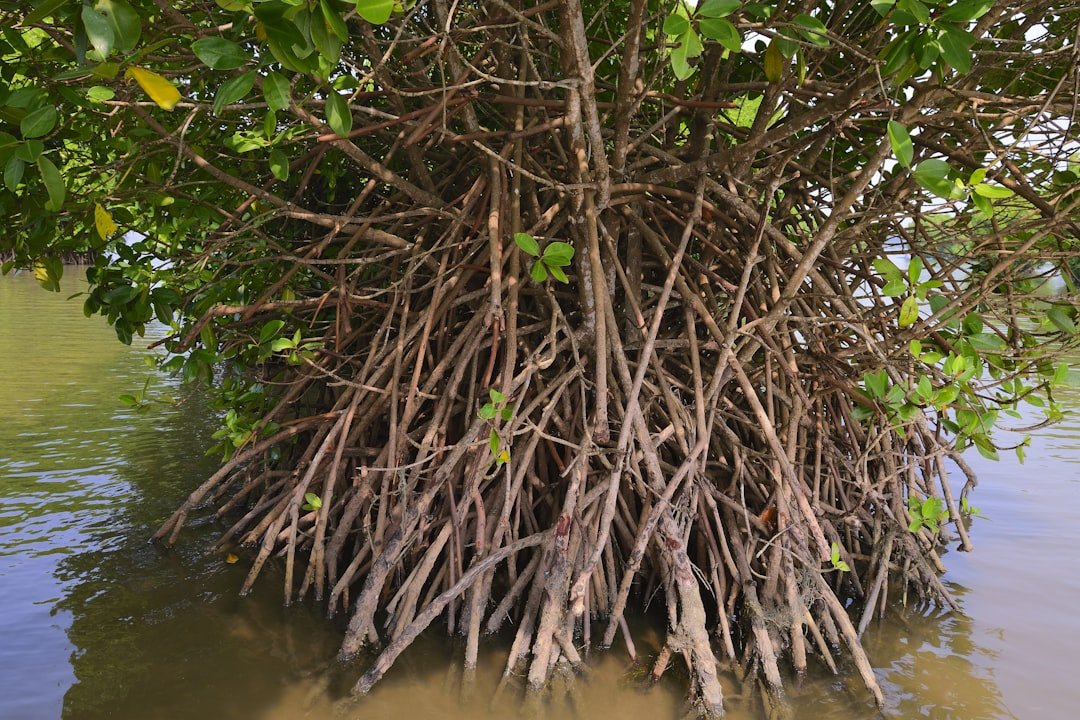
It is easy to walk the boardwalk at Four Mile Cove and appreciate the beauty of the place without fully understanding what you are looking at. Mangroves are not just attractive trees — they are engineering marvels that hold the entire coastline together. Their prop roots trap sediment and slow water flow, building land outward while simultaneously absorbing the energy of storm-driven waves. Without mangroves, barrier islands erode, inland flooding worsens, and the marine food web collapses.
Florida is home to three main mangrove species — red, black, and white — and all three are represented at Four Mile Cove. Red mangroves grow closest to the water, their distinctive arching “stilt” roots anchoring them in the soft mud. Black mangroves sit slightly higher, recognizable by the pencil-like pneumatophores that stick up from the soil like a field of breathing tubes. White mangroves occupy the highest ground, often appearing as shrubs or small trees at the inland edge of the forest.
The preserve also features sabal palms, live oaks draped with resurrection fern, and strangler figs that slowly engulf their host trees in a slow-motion embrace. Bringing along a Florida nature field guide will help you identify what you are seeing and add a layer of understanding to the visual experience.
The Veterans Memorial Area
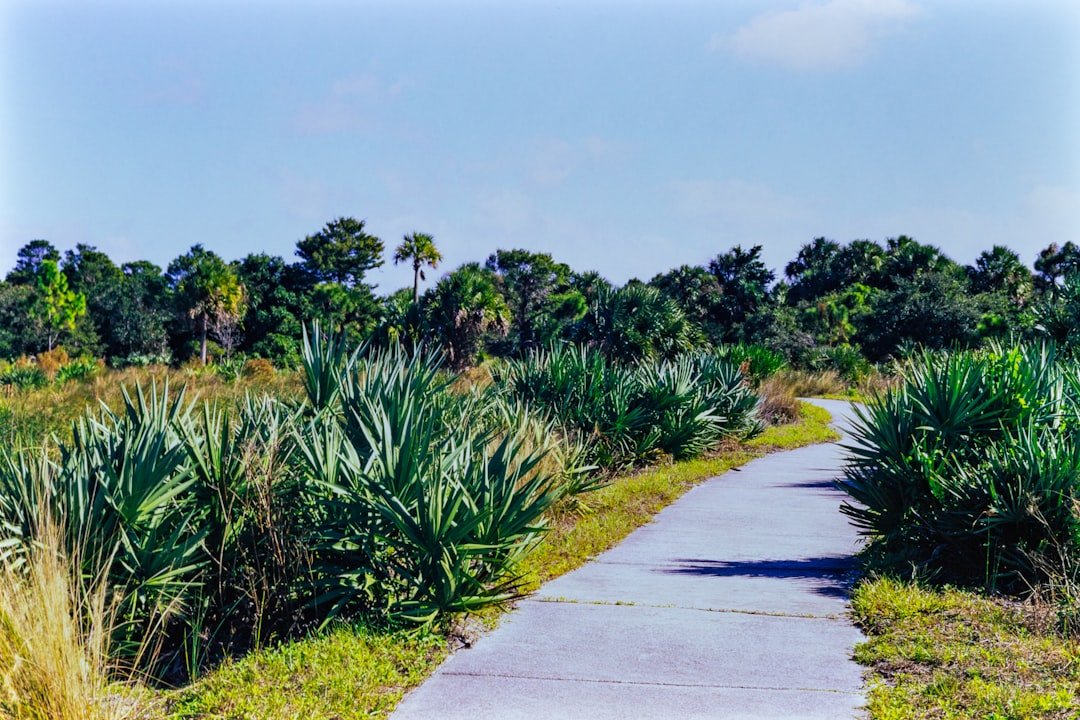
Roughly two-thirds of the way through the preserve, the boardwalk opens into a completely different landscape — a breezy, sunlit parkland that houses the Cape Coral Veterans Memorial Area. The contrast is dramatic after the enclosed mangrove tunnels, and the shift in atmosphere invites quiet reflection.
The centerpiece is a full-scale casting of the USMC War Memorial — the iconic Iwo Jima flag-raising sculpture — set against a rose garden. Surrounding it are monuments dedicated to veterans of World War II, Korea, Vietnam, the Gulf War, and the Merchant Marine. A POW/MIA memorial ensures that those who never came home are not forgotten.
It is an unexpected and moving juxtaposition — emerging from the ancient, tangled beauty of a mangrove forest into a space dedicated to human sacrifice and service. Many visitors spend longer here than they anticipated, reading the inscriptions and taking in the view of the Caloosahatchee River beyond the monuments.
Planning Your Visit
Four Mile Cove Ecological Preserve is located at 2500 Southeast 24th Street in Cape Coral, Florida. Admission is free, and the park is open daily from dawn to dusk. The main boardwalk loop is approximately one mile and takes 45 minutes to an hour at a leisurely pace — longer if you stop frequently for wildlife observation, which you absolutely should.
The best time to visit is between November and April, when temperatures are mild, humidity is low, and mosquito activity is minimal. Summer visits are possible but require preparation: bring plenty of water, expect heavy humidity, and start early in the morning before the heat peaks. A well-insulated stainless steel water bottle will keep your drinks cold for hours in the Florida heat.
There are no food concessions or vending machines within the preserve, so pack whatever you will need. A compact picnic blanket and some trail snacks turn a morning walk into a proper outing — there are several benches and open spots near the river where you can sit and enjoy the view.
If you want to document your visit, the preserve offers excellent photography opportunities, from close-up shots of mangrove textures to wide landscape views across the river. The lighting is best in the early morning when the sun is low and the water reflects the sky. For those interested in 360-degree photography or video, the dense canopy and narrow boardwalk make for a uniquely immersive capture environment.
Nearby Southwest Florida Nature Stops
Four Mile Cove is one of several under-the-radar nature destinations in the greater Fort Myers area. If you are building a Southwest Florida nature itinerary, consider combining it with a visit to Manatee Park in northeast Fort Myers, where manatees gather near the warm-water discharge of a power plant during winter months. Both sites are free, both offer boardwalk access to waterside wildlife, and together they make for a full day of low-cost, high-reward nature exploration.
To the west, Cabbage Key offers a completely different experience — a boat-access island with hiking trails through tropical vegetation and a historic inn that feels frozen in time. And just north of Cape Coral, the artistic fishing village of Matlacha provides a colorful contrast to the quiet green of the preserve, with galleries, seafood shacks, and some of the best kayaking launch points on Pine Island Sound.
For a broader perspective on what Southwest Florida offers nature enthusiasts, the regional wildlife watching guide covers additional spots for spotting everything from migrating birds to nesting turtles.
What to Bring
The preserve is not a remote wilderness, but a few preparations will make your visit far more enjoyable. Beyond the standard Florida outdoor kit — sun protection, hydration, bug spray — consider bringing a lightweight daypack to carry your essentials hands-free. The boardwalk is flat and accessible, but if you plan to kayak, you will need more specialized gear and should check water conditions before launching.
A waterproof chart of Cape Coral waterways is a great investment if you plan to paddle Alligator Creek or explore the broader canal system. And for anyone interested in the human history behind the landscape, the Cape Coral Images of America book provides fascinating background on how this planned city was carved out of mangrove and wetland in the mid-twentieth century.
If you want to capture your experience in a truly immersive format, the Insta360 One X3 camera paired with the selfie stick with built-in tripod is the same gear used to document the preserve in full 360-degree detail — and it transforms a simple nature walk into an interactive memory you can revisit from every angle.
The Quiet Reward of Showing Up
Four Mile Cove will never have the dramatic dunes of a national seashore or the thundering waterfalls of a mountain park. Its beauty is quieter and more subtle — the way light filters through a mangrove canopy at nine in the morning, the ripple pattern a fish leaves on still water, the slow architectural wonder of roots that have spent decades building land one particle at a time.
That subtlety is exactly what makes it worth visiting. In a region increasingly defined by development and traffic, this 365-acre patch of original Florida coastline remains accessible, free, and genuinely wild. You do not need a permit, a reservation, or a tour guide. You just need to show up, slow down, and pay attention.
The mangroves have been doing their work here for thousands of years. The least we can do is spend an hour walking among them.