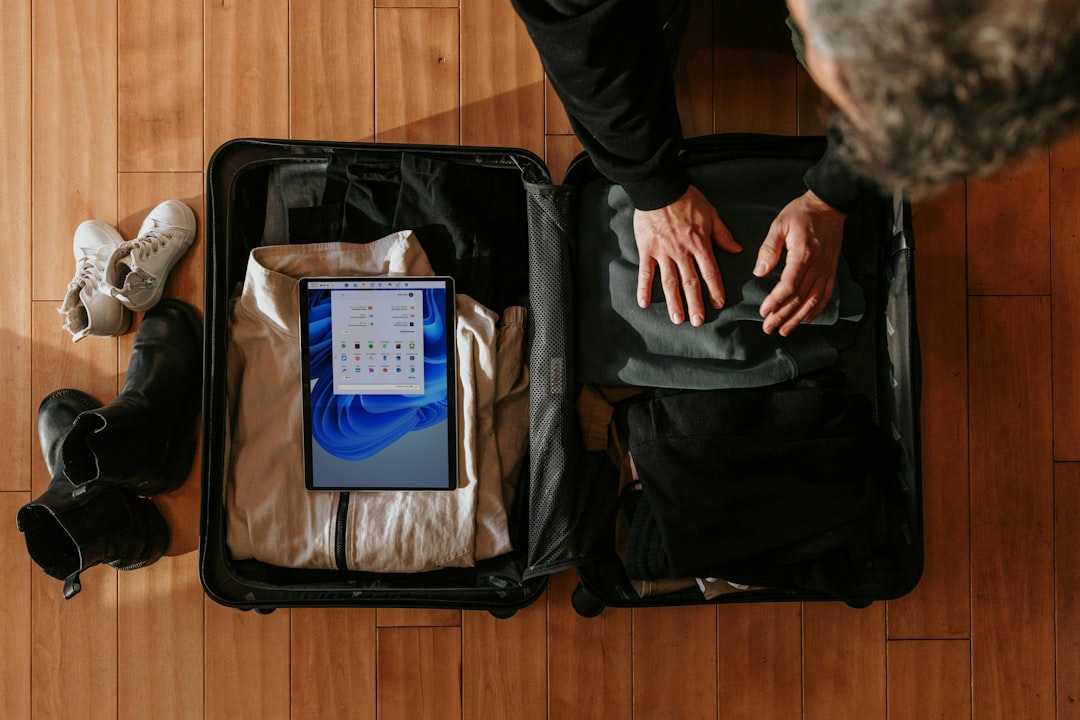
The Compression Packing Cube Experiment: Three Trips, Six Brands, One Verdict
I’ll be honest: I was skeptical when compression packing cubes started flooding my Instagram feed. Another travel gadget promising to revolutionize how I pack? I’ve heard that one before. But after watching my team struggle to cram two weeks of gear into carry-ons for our most recent road trip through the Southwest, I decided it was time to put these space-saving wonders to the test.
Over the past three months, I’ve tested six different compression packing cube sets across varied travel scenarios—a two-week National Parks road trip, a week-long international conference, and a weekend getaway. My goal was simple: determine which cubes actually deliver on their space-saving promises and which fall apart after one trip.
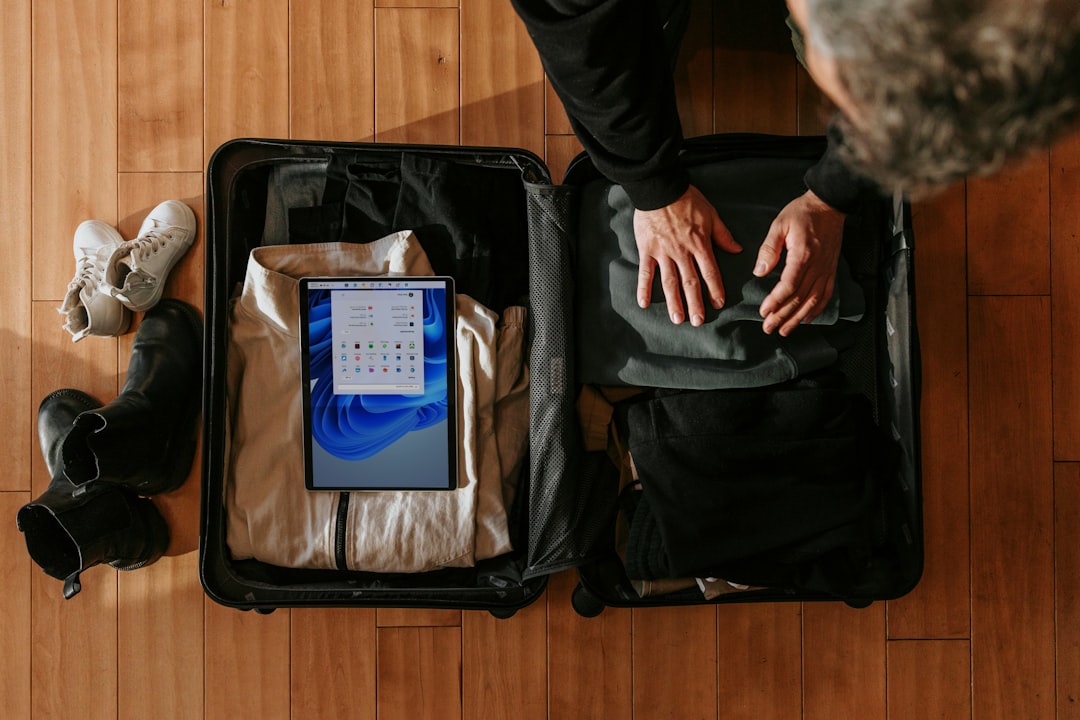
The testing wasn’t just about how much I could cram into each cube. I evaluated zipper durability (the most common failure point), mesh integrity (nothing worse than your socks visible through a gaping hole), compression effectiveness (did it actually shrink my load?), and practicality (could I actually find anything without dumping everything out?). Here’s what I discovered.
The Compression Mechanics: It’s Not Rocket Science, But Close
Before diving into specific brands, let’s talk about how these cubes actually work. Traditional packing cubes keep you organized, sure, but they don’t reduce volume. Compression cubes add a second zipper system that literally squeezes air out, reducing bulk by up to 30% according to most manufacturers. My testing? Some hit that mark, others didn’t come close.
The mechanism is simple: pack your cube, zip it closed normally, then use the second compression zipper to flatten everything down. The key is the compression zipper starts at the middle and works outward, forcing air out through mesh panels. When it works, it’s like watching your suitcase expand in slow motion. When it doesn’t, you’ve just overcomplicated your packing routine for zero benefit.

The Top Performers: Actually Worth Your Money
OlarHike 10 Set: The Overachiever
This set surprised me. Ten pieces seemed excessive, but the variety of sizes meant I could dial in my organization to an almost obsessive degree. The compression zippers glided smoothly without catching—a small detail that matters when you’re rushing through airport security. What really set the OlarHike apart was the mesh paneling: over 1,000 tiny holes that let my clothes breathe while still maintaining structure. After three weeks of rugged travel, zero snags, zero tears.
The compression? I managed to fit five days of clothing into space that previously held three. The key was the intermediate sizes—medium cubes for shirts, smalls for undergarments—and the compression zippers actually stayed compressed. No mid-trip expansion that defeats the whole purpose.
Veken 9/11 Set: The Balanced Choice
For travelers who want organization without overkill, the Veken 9-piece set hits the sweet spot. What impressed me most was the garment bag—compression for dress shirts and blouses without the wrinkles. The fabric feels more substantial than competitors, with a reinforced stitching around zipper corners (spoiler: this is where most cubes fail).

The compression isn’t quite as aggressive as OlarHike—I’d estimate 20% volume reduction versus 30%—but the tradeoff is durability. After a month of testing, including being tossed into overhead bins and stuffed under campervan seats, the Veken cubes looked nearly new. If you’re rough on your gear (raises hand), these are the ones that’ll last.
BAGAIL 6 Set: Minimalist’s Dream
Sometimes you don’t need a dozen specialized cubes. You need six that work flawlessly. The BAGAIL set takes a less-is-more approach with half-mesh front panels that let you see contents without fully opening. Smart design detail: the compression zippers have protective flaps that prevent fabric from getting caught—a chronic issue with cheaper brands.
The compression is solid, hitting that 25% reduction sweet spot. But what I genuinely appreciated was the color-coded system: black cubes for pants, gray for shirts, light gray for undergarments. No more opening every cube to find one pair of socks. Simple innovation, huge time-saver when you’re living out of a suitcase.
The Mid-Pack: Good Enough, But Not Great
BAGSMART 6 Set: Lightweight Champion
The BAGSMART cubes prioritize weight savings—each piece feels practically featherlight. That’s great for strict airline weight limits, but I noticed the fabric is thinner, and after a month of heavy use, the mesh around one zipper corner started fraying. The compression works adequately, but I found myself babying these more than others.
That said, if you’re a gentle packer who travels occasionally and values every ounce, these are solid. Just don’t expect them to survive a season of rugged adventure travel. They’re built for business trips, not backroads.
Aerotrunk 6-Pack: Style Over Substance
I’ll give the Aerotrunk set credit: the beige colorway looks professional peeking out of your suitcase. And the compression zippers operate smoothly. But I encountered two dealbreakers: first, the mesh is less substantial, and I’m already seeing slight stretching after moderate use; second, the compression feels less effective, maybe 15% volume reduction.

For business travelers who prioritize aesthetics and pack conservatively, these work. But for anyone trying to maximize space on adventure trips, there are better options in this price range.
The Missing Piece: What About The Rest?
Compression cubes are great for clothes, but they’re just one piece of the packing puzzle. After three trips, I’ve developed a complementary system that works with—not against—the cubes. First, a hanging toiletry bag for bathroom essentials (compression cubes and liquids don’t mix). Second, a dedicated laundry bag that compresses dirty clothes separately—nothing like crushing clean clothes into soiled gym wear.
For longer trips, I’ve started using a luggage scale to maximize compression without exceeding weight limits. There’s a science to this: compress as much as possible, weigh, then adjust. Too much compression and you’ll hit overweight fees before security. Too little and you’re carrying unnecessary bulk. The sweet spot varies by airline and trip length, which is why I always weigh before heading to the airport.
The Verdict: Are Compression Cubes Worth It?
After three months and six brands, my answer is yes—with conditions. Compression packing cubes absolutely reduce volume, and for certain travelers, that 20-30% space savings makes the difference between carry-on only and checked baggage hell. But not all cubes are created equal, and the wrong choice means dealing with broken zippers in a hotel room at midnight.
For most travelers, I recommend the OlarHike 10 Set if you want maximum organization and compression, or the Veken 9 Set if durability is your priority. Budget-conscious travelers will find the BAGAIL set hits the value sweet spot without major sacrifices.

What I won’t tell you is that compression cubes revolutionized every aspect of my travel. They didn’t. They’re a tool—one that solves a specific problem (space) moderately well. If you’re struggling to fit everything into your luggage, or you’re tired of rummaging through exploded bags in hotel rooms, they’re absolutely worth the investment. If you’re a light packer who’s already mastered the art of minimal travel, you might not need them at all.
The real test isn’t whether compression cubes work—they do, when they’re well-made. The test is whether your travel style benefits from what they offer. For me and my team, the answer was yes. For you? That depends on how you travel, what you carry, and whether you value organization over speed when packing. Either way, you now know which ones actually deliver on their promises.
Building Your System: Beyond the Cubes
The biggest lesson from this experiment? Compression cubes are just one component of a smart travel system. The cubes handle your clothes, but what about everything else? On my Southwest road trip, I discovered that the real space wins came from rethinking my entire approach to gear selection—not just how I packed it.
That means quality over quantity in every category. One reliable carry-on suitcase that fits overhead bins versus three checked bags. One excellent hardshell carry-on that protects fragile gear. The compression cubes? They’re the final step—organizing what’s already been carefully curated. Start there, and suddenly you’re not just packing smarter—you’re traveling lighter, cheaper, and with less stress.
The next time you’re staring down a suitcase that won’t close, consider whether compression cubes might be the solution. Just do your research first, choose a set that matches your travel style, and don’t expect miracles. Smart packing isn’t about gadgets—it’s about systems that work together to solve problems. These cubes? They’re one piece of that system, and for the right traveler, that piece makes all the difference.
2 thoughts on “The Compression Packing Cube Experiment: Three Trips, Six Brands, One Verdict”