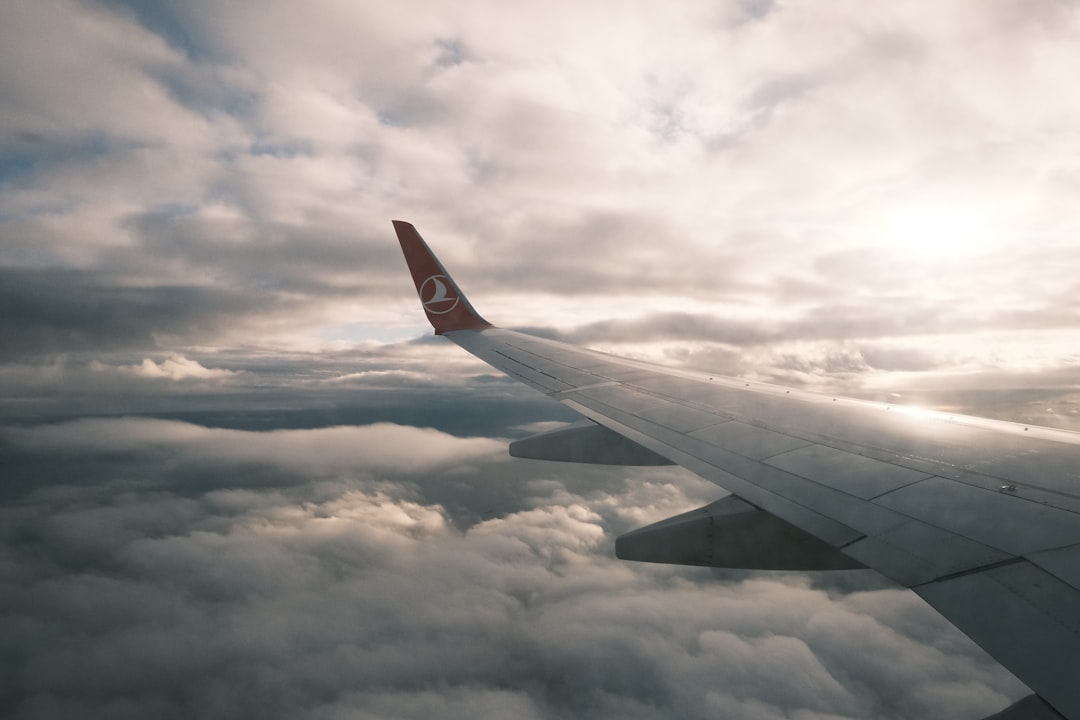
I’ve slept on some truly miserable surfaces. Airport floors in Singapore. A bench outside a pharmacy in Lisbon. The back seat of a Fiat Panda parked somewhere in the Apennines. But nothing — and I mean nothing — compares to the particular agony of falling asleep upright at 35,000 feet and waking up to discover your head has been hanging at a 45-degree angle for the past hour while your neck muscles stage a walkout.
If you’ve ever stumbled off a red-eye looking like you lost a bar fight with your own seat, you already know why the travel neck pillow industrial complex exists. What you might not know is that the market has fractured into wildly different design philosophies, each one solving a slightly different version of the same problem. So my team and I decided to spend three months flying with seven distinct pillow styles — memory foam, inflatable, scarf-style, wrap-around — across routes that added up to roughly 12,000 miles. Here’s what survived and what didn’t.
Why Most Travel Pillows Fail (And It’s Not What You Think)
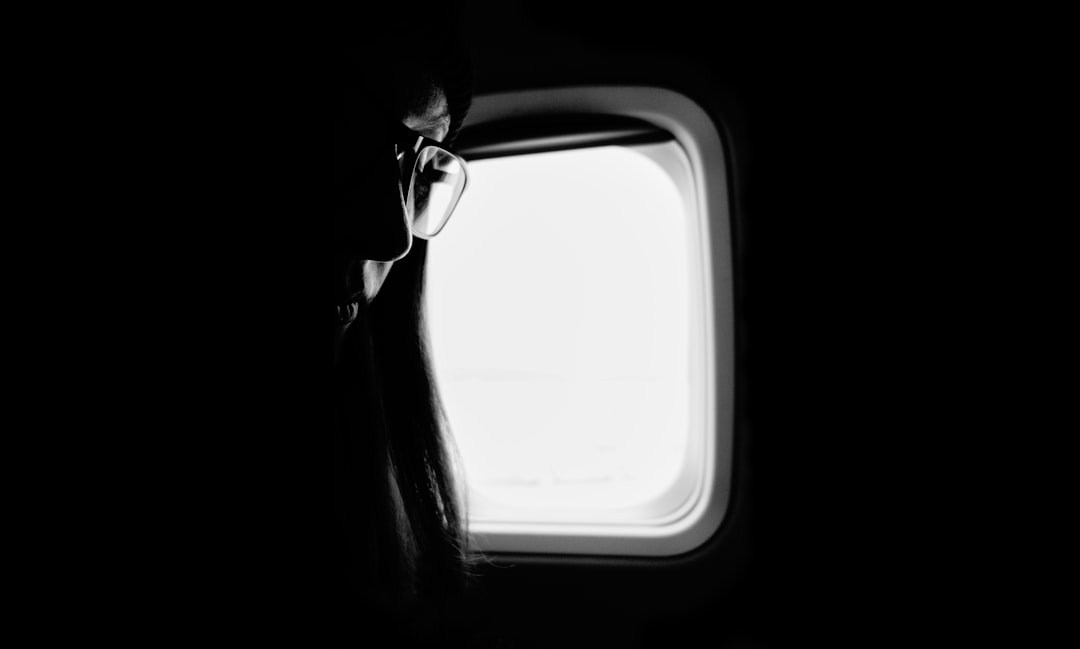
The fundamental issue isn’t padding. It’s biomechanics. When you fall asleep sitting up, your head doesn’t just drop forward — it rotates, tilts, and shifts laterally in unpredictable sequences. A traditional U-shaped pillow addresses maybe one of those vectors. Your chin still drops. Your head still lists sideways like a sailboat in a gust. And that’s before you account for turbulence, recline angles, and the fact that airline headrest wings are about as effective as a suggestions box at the DMV.

After the third red-eye where I arrived looking like a bobblehead who’d seen things, I started taking this seriously. I reached out to a physical therapist friend who explained that the key isn’t just supporting the neck from behind — it’s preventing the forward and lateral head drop that strains the sternocleidomastoid muscle. That insight reframed the entire test. I wasn’t looking for soft. I was looking for structural.
The Seat-Strap Approach: Cabeau Evolution S3

The Cabeau Evolution S3 takes a problem-solving approach that immediately stood out. Its signature feature is a pair of elastic straps that loop around your airplane seat’s headrest wings, anchoring the pillow in place so your head literally cannot drop forward. The memory foam is dense and responsive — not the cheap squish you find in airport kiosk pillows — and the cover has a cool-to-the-touch finish that actually makes a difference on stuffy long-haul cabins.
I tested the indigo version on a Seattle-to-Newark red-eye, and the difference was immediate. No head bob. No whiplash wake-up. My head leaned back into the pillow, which was leaned against the seat, which was secured by the straps. It’s the closest thing to an actual bed I’ve found at altitude. The trade-off? It’s bulky. Even compressed in its carrying case, it takes up meaningful real estate in a personal item backpack, and the strap system only works on seats with adjustable headrests — meaning some budget carriers and smaller regional jets are out.
For travelers who prioritize sleep quality above all else and fly on mainline carriers, this is the one to beat. If you’re curious about Cabeau’s entire range, the Evolution Cool variant adds airflow vents for hot sleepers — same structure, more breathability.
The Wrap-Around Contender: BCOZZY Double Support
Where the Cabeau anchors to the seat, the BCOZZY takes the opposite approach: it anchors to your neck. The design uses a patented double-layer wrap that overlaps at the front, creating a configurable chin rest that you can tighten or loosen depending on how you sleep. Side-sleepers can shift the bulk to one side. Back-sleepers can center it. Front-droopers — the most afflicted group — get genuine chin support that prevents the dreaded head-loll.
I used this one on a Fort Myers to Denver flight (three hours, middle seat, no room to spread out). The adjustability is genuinely impressive. It’s not as plush as the Cabeau, and the clasp mechanism takes a flight or two to get used to, but for a sub-$30 pillow that works across every seating configuration — even those seats with fixed headrests — it punches well above its weight. Fully washable, too, which matters more than you’d think after a few trips.
The Budget Memory Foam Pick: napfun Travel Pillow
Not everyone wants to spend $35-$50 on a travel pillow, and honestly, I respect that. The napfun travel pillow comes in at roughly half the price of premium options while delivering 100% memory foam construction in a traditional U-shape. No bells, no whistles, no straps — just a solid, comfortable foam pillow that does the basics right.
My team tested this on a short-haul Phoenix to Oakland run. The foam density is slightly softer than the Cabeau, which some testers preferred and others found too yielding. The cover is removable and washable. There’s a snap closure to keep it secured around your neck, and it comes with a small carrying bag. It doesn’t solve the head-drop problem the way the BCOZZY or Cabeau S3 do, but if you’re a back-sleeper on a budget, it’s a perfectly competent option.
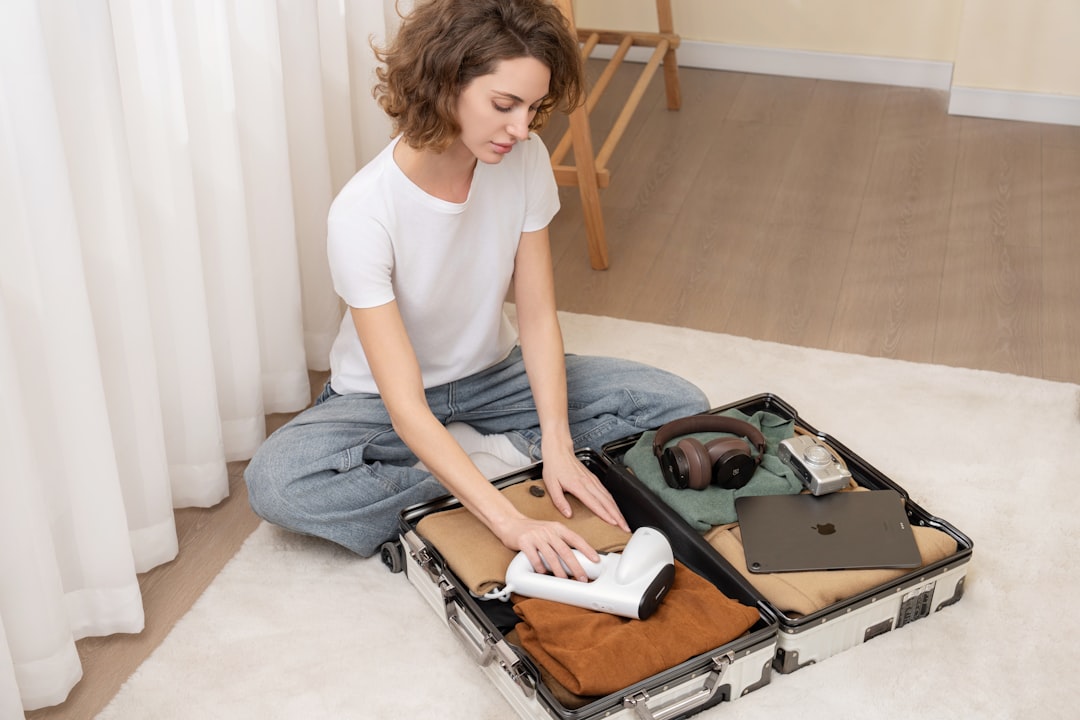
The Scarf That’s Secretly a Pillow: Huzi Infinity
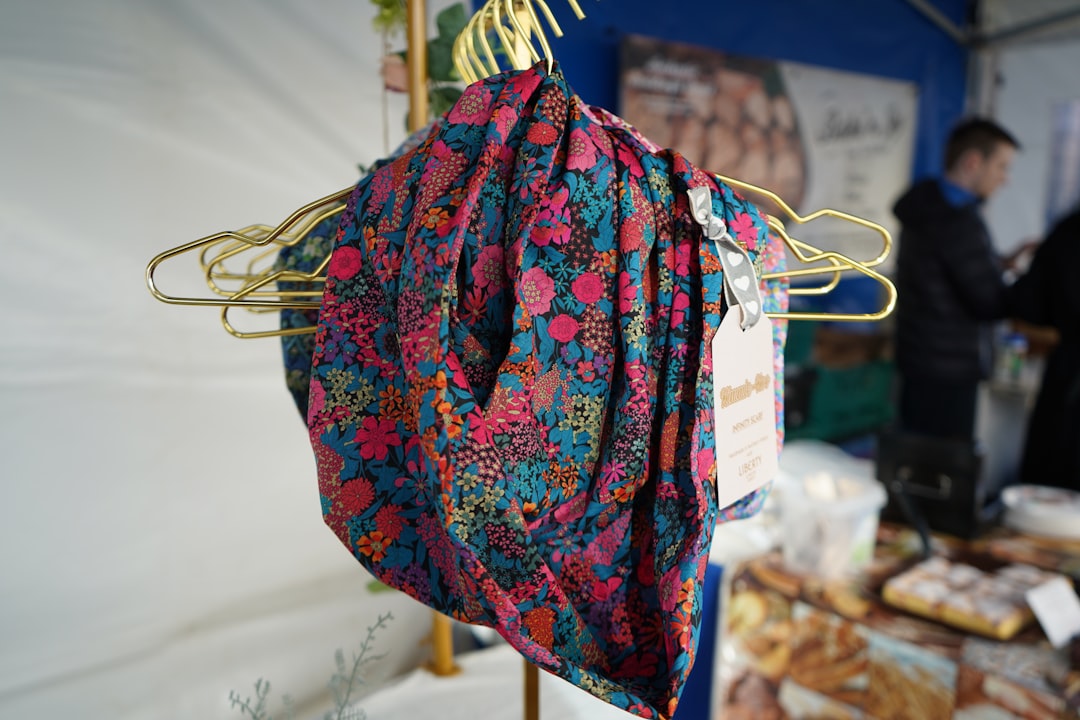
This is the wildcard of the group. The Huzi Infinity Pillow looks like a chunky knitted scarf — because that’s essentially what it is. But coil it around your neck and it functions as a soft, moldable support that works in any position. Lean left, lean right, lean forward — the filling shifts to accommodate.
I’ll be honest: I was skeptical. It felt too soft, too formless. But on a cold overnight bus ride through the Rockies, it earned my grudging respect. It doubled as an actual scarf when the heating failed. It bunched up into a lumbar pillow when I wasn’t using it for my neck. And because it doesn’t have a rigid U-shape, it packed flat at the bottom of my bag. The Infinity won’t give you the structured support of a Cabeau, but for travelers who value versatility and don’t want to look like they’re wearing a neck brace through the airport, it’s a genuinely different approach to the problem.
The Inflatable Minimalist: HITSZS
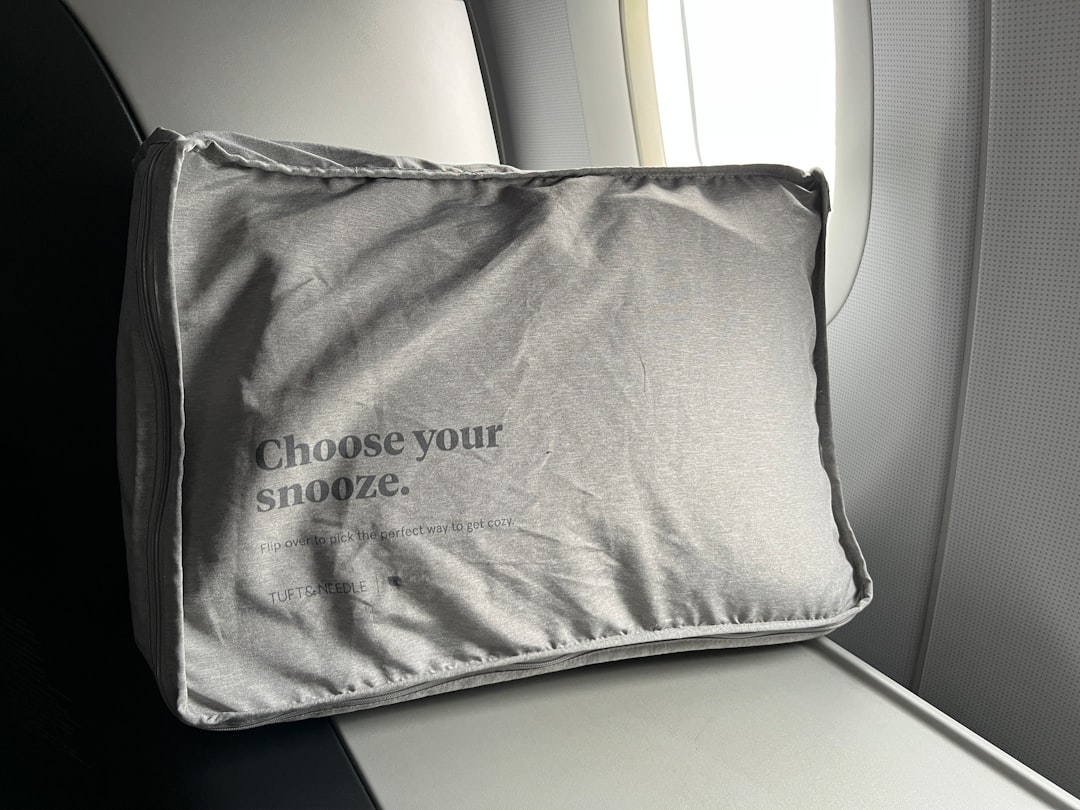
If packing space is your religion, the HITSZS inflatable travel pillow is your artifact. Deflated, it fits in a jacket pocket. Inflated, it provides firm, adjustable support via a valve system that lets you dial in exact firmness. The velvet cover is removable and washable, and it ships with a contoured eye mask and earplugs — a full sleep kit for under $20.
The trade-off is tactile. No inflatable will ever match the plush sink-in feeling of memory foam. But on a recent trip where I was trying to pack a week’s worth of gear into a single carry-on, the space savings were undeniable. I also tested the 360° Patented Inflatable Pillow, which adds a more structured wrap design — better for chin support if you’re a chronic head-dropper but still inflatable enough to vanish into a pocket.
Verdict on inflatables: they’re the ultralight backpacker’s choice. Not the most comfortable, but the most practical when every cubic inch of bag space matters.
The All-in-One System: MLVOC Kit
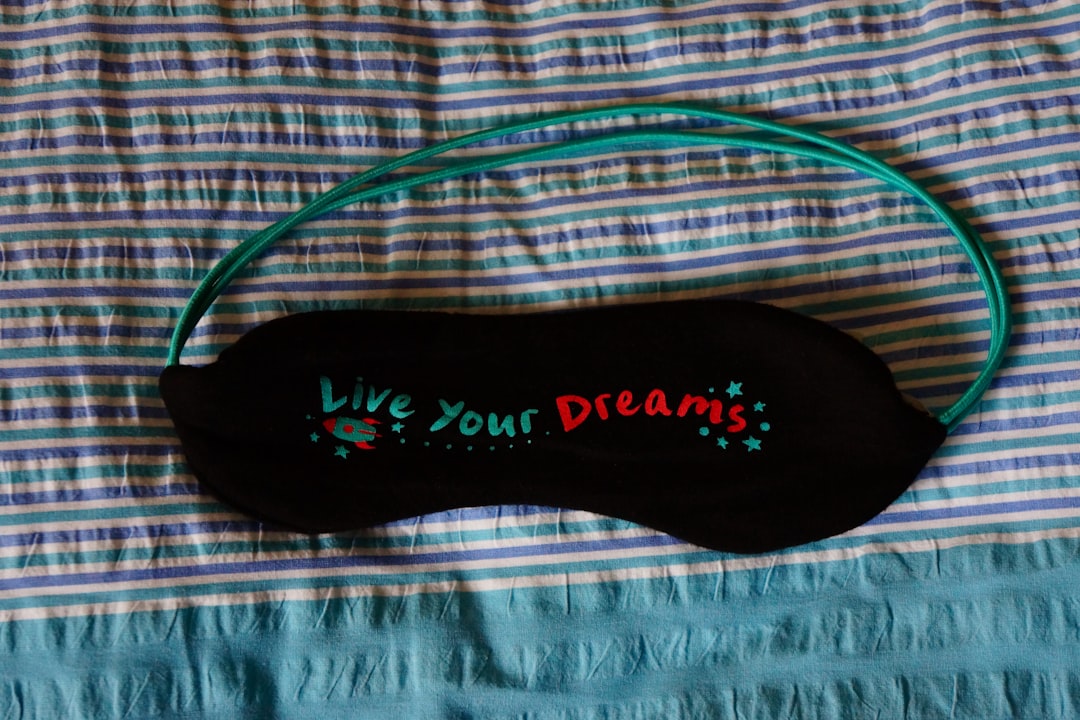
The MLVOC travel pillow kit acknowledges something most pillow makers ignore: neck support alone won’t give you airplane sleep. You need darkness and quiet. The kit pairs a memory foam U-shaped pillow with a 3D contoured eye mask and a set of earplugs — all in a compact carrying case that clips to your bag.
The pillow itself sits in the middle of the pack — firmer than the napfun, softer than the Cabeau. But the mask is where this kit shines. The 3D design has deep eye cups that don’t press against your eyelids, and the strap is wide enough to distribute pressure evenly. I’ve flown with separate masks and pillows before and always ended up fumbling with one or the other. Having them as a matched set, pre-packed in a case, removed friction entirely.
If you don’t already own a quality sleep mask, the bundled value here is hard to argue with. Speaking of which — upgrading your mask is one of the highest-ROI travel purchases you can make. The MZOO patented light-blocking mask is the standalone version I now carry on every flight that isn’t overnight-friendly.
Beyond the Pillow: Building Your Airplane Sleep Stack
A neck pillow is the foundation, but real in-flight sleep is a system. After three months of testing, here’s the stack my team and I settled on for maximum rest at altitude:
- The pillow — Whatever matches your sleep style from the options above.
- A quality eye mask — Cabin lights during service, seatmate screens, that one person who opens their window shade at dawn over the Atlantic. Light is sleep enemy number two.
- Noise management — Engine hum is a different frequency from cabin chatter. The Loop Quiet 2 ear plugs handle both with a comfortable silicone design that stays put for hours. Better than disposable foam, and they come in a tiny case.
- Warmth — Airplane cabins hover around 65°F, which sounds fine until you’re sedentary for six hours. A compact travel blanket from BEDELITE adds serious comfort, or the PAVILIA 2-in-1 that doubles as a pillow when folded into its pouch.
The whole stack weighs under two pounds and packs into the corner of a carry-on. On my last overnight flight, I combined the Cabeau Evolution S3, the MZOO mask, Loop earplugs, and the PAVILIA blanket — and for the first time in my life, I woke up before the descent announcement actually feeling rested. Not “airplane rested” where you’re technically conscious but spiritually damaged. Actually rested.

So Which One Should You Buy?
After 12,000 miles of deliberate, sometimes painful testing, here’s the decision tree:
You fly mainline carriers and want maximum sleep quality: Get the Cabeau Evolution S3. The seat-strap system is the real deal, and the foam quality justifies the price.
You fly a mix of carriers, including budget and regional: The BCOZZY works everywhere because it doesn’t depend on the seat. Its adjustability makes it the best all-rounder.
You’re on a tight budget: The napfun delivers 80% of the performance at 50% of the cost. No shame in that.
You’re an ultralight packer: Go inflatable. The HITSZS or the 360° patented version will vanish into your bag and still save your neck.
You want versatility beyond the plane: The Huzi Infinity is a pillow, a scarf, a lumbar support, and a balled-up stress ball — all in one. It’s the most creative solution in the category.
You’re starting from scratch and need the full kit: The MLVOC bundle gives you pillow, mask, and earplugs in a single purchase. Pair it with a compact blanket and you’re set.
The truth is, there’s no single best travel pillow — there’s the best one for how you fly. But there is a clear worst option: the $12 memory foam pillow from the airport kiosk that flattens after one use and leaves you more uncomfortable than no pillow at all. Skip that, invest twenty minutes in figuring out your sleep style, and your next red-eye might actually feel like rest instead of endurance.
And if you’re the type who likes to track every aspect of your travel setup, a good pillow is the foundation. Everything else — the mask, the plugs, the blanket — is optimization. But that foundation? It’s the difference between arriving functional and arriving broken. Choose accordingly.
1 thought on “Seven Travel Neck Pillows, 12,000 Miles, One Clear Winner: My In-Flight Sleep Showdown”