
There’s a particular kind of misery that comes with standing on a street corner in a foreign city while your umbrella turns itself inside out. I know this feeling intimately. Over the past two years, my team and I have chased monsoon seasons across Southeast Asia, sprinted through sudden downpours in Lisbon, and gotten caught in more than one freak storm system rolling off the Pacific. And through all of it, I carried five different compact travel umbrellas because I wanted to know — once and for all — which one actually deserves space in a carry-on.
The results surprised me. Price had almost nothing to do with performance. Brand reputation meant less than I expected. And the one I ended up reaching for every single morning cost less than dinner.
Why I Became Obsessed With Travel Umbrellas
It started during a trip to Hanoi last September. The forecast called for scattered showers — what I got was a solid week of torrential rain that flooded alleys knee-deep and turned every street crossing into a wading expedition. I had packed a cheap folding umbrella from a corner store back home. It survived exactly one afternoon before two spokes snapped and the canopy folded backward over my head like a defeated flower.
I spent the rest of that trip borrowing umbrellas from hotel lobbies, wrapping myself in garbage bags, and once — memorably — using a menu as a makeshift shield while sprinting back to our guesthouse. My team never let me live it down. When I got home, I ordered five of the highest-rated compact travel umbrellas I could find and committed to testing them properly.
What I wanted was simple: something small enough to live permanently in my daypack, light enough that I’d forget it was there, and tough enough to handle real wind. Not a gentle drizzle. Real, angry, sideways-blowing tropical weather.

The Testing Grounds
I didn’t test these in a lab or a mild Portland drizzle. Each umbrella went through three specific gauntlets over an eight-month period:
Gauntlet One: Urban Monsoon. Two weeks in Vietnam and Thailand during rainy season. Think narrow streets with zero cover, wind tunnel effects between buildings, and rain heavy enough to soak through a rain jacket in under three minutes.
Gauntlet Two: Mountain Wind. Hiking in the Cascades and a surprise storm in the Dolomites. This tested structural integrity — whether the spokes would hold when gusts hit 40-50 mph and whether the canopy material could take sustained abuse without tearing.
Gauntlet Three: Daily Travel Abuse. Getting shoved into overstuffed backpacks, pulled out wet and shoved back in, left in hot car trunks, and generally treated the way real travelers treat gear. If an umbrella can’t survive being crammed next to a fully packed travel backpack and a water bottle, it doesn’t belong on the road.
The Five Contenders

The TUMELLA Windproof (100MPH Wind-Tested)
This was the umbrella I expected to win everything. TUMELLA markets this model heavily around its wind resistance — they claim it’s been tested in winds up to 100 mph, which is frankly absurd for something that folds down to 11 inches. The canopy uses a vented double-layer design that lets wind pass through rather than catching it like a sail.
In practice, the vented design genuinely works. During a squall in Da Nang that sent most people running for cover, the TUMELLA held its shape while I watched three other umbrellas on the street invert simultaneously. It’s on the heavier side for a compact — about 15 ounces — and the auto-open-close button is loud enough to get looks in quiet places. But if you’re traveling somewhere with serious weather, this one earns its keep. You can find the TUMELLA windproof travel umbrella here.
The EEZ-Y Premium Auto Folding
The EEZ-Y was my dark horse pick. It shares the same 100 mph wind claim as the TUMELLA but uses a different rib architecture — nine resin-reinforced fiberglass ribs instead of the TUMELLA’s vented canopy system. In theory, this should provide similar wind resistance with a simpler design.
It performed admirably in most conditions. The auto-open-close mechanism is smooth, the canopy is generously sized for a compact (42 inches when open), and it survived mountain wind better than I expected. Where it struggled was sustained tropical rain — the canopy coating started showing wear after about four months of heavy use, and water began beading less effectively. For occasional travelers or city trips, it’s excellent. For months-long monsoon chasing, look elsewhere. Check current pricing on the EEZ-Y windproof umbrella if you want a solid all-around option.

The Rain-Mate Compact
At around $16, the Rain-Mate was the cheapest umbrella in the test, and I’ll admit I expected it to fail early. Instead, it became one of my favorites for everyday travel. The fiberglass rib design is surprisingly robust, the auto-open-close works reliably, and it weighs just 11 ounces — light enough that I forgot I was carrying it until I needed it.
It won’t handle the same wind speeds as the TUMELLA or EEZ-Y, and the canopy is slightly smaller (38 inches). But for the price, it’s remarkably good. I handed this one to a colleague who was traveling through Japan during typhoon season, and she used it daily for three weeks without a single issue. If budget matters — or if you’re the type who loses umbrellas regularly — the Rain-Mate compact is hard to beat for the money.
The SY COMPACT Travel
The SY COMPACT is the umbrella I see recommended most often in travel forums, and for good reason. It hits a sweet spot between price, weight, and durability that works for most people. The construction feels solid — nine fiberglass ribs, a reinforced shaft, and a canopy that sheds water quickly.
Where it fell short for me was in extreme conditions. During the mountain wind test, the SY COMPACT held its own for about twenty minutes before one of the ribs developed a slight bend. It still functioned, but the canopy never quite sat right afterward. For city travel, weekend trips, and places where you’ll encounter rain but not gale-force wind, this is a dependable choice. See the SY COMPACT travel umbrella for yourself — it’s a reasonable mid-range option.

The Seniny Windproof UV
The Seniny was the wildcard. It’s marketed as both a rain and sun umbrella, with a UV-blocking coating that supposedly makes it useful in clear weather too. That dual-purpose angle is smart for travelers trying to minimize gear, and the design is sleek — it comes in several colors and has a comfortable matte-finish handle.
As a rain umbrella, it’s competent. Not spectacular, but it handles moderate rain and light wind without complaint. The UV coating is genuinely useful — I used it as a sun shade during a long walking tour in Bangkok and stayed noticeably cooler. But the construction isn’t quite at the level of the TUMELLA or EEZ-Y for serious weather. The ribs are thinner, and after a particularly aggressive afternoon squall, I noticed the auto-open mechanism getting sluggish. If you want one item that handles both sun and rain for light to moderate travel, the Seniny windproof UV umbrella does the job.
What I Learned About Umbrella Construction
After eight months of testing, I started noticing patterns that go beyond brand names. Here’s what actually matters in a travel umbrella:
Fiberglass ribs are non-negotiable. Every umbrella in this test that used fiberglass ribs outlasted any steel-ribbed alternative I’ve owned. Fiberglass flexes under wind load instead of bending permanently. If an umbrella doesn’t explicitly mention fiberglass ribs, skip it.
Vented canopies work. The TUMELLA’s double-layer vented design was the clear winner in extreme wind. The concept is simple — wind passes through vents instead of catching the canopy — but the execution matters. Cheap vented umbrellas leak rain through the vents. Well-made ones channel it away.
Auto-open-close is worth it. I was skeptical about this feature, but after fumbling with manual umbrellas while holding bags, phones, and passports, I’m converted. The ability to deploy one-handed in two seconds is genuinely useful when you’re caught in sudden rain.
Canopy size matters more than you think. The difference between 38 and 42 inches sounds small until you’re trying to keep a daypack dry alongside yourself. Bigger is better — until it becomes too large to pack, which is where the compact designation earns its value.
The Companion Gear That Made a Difference
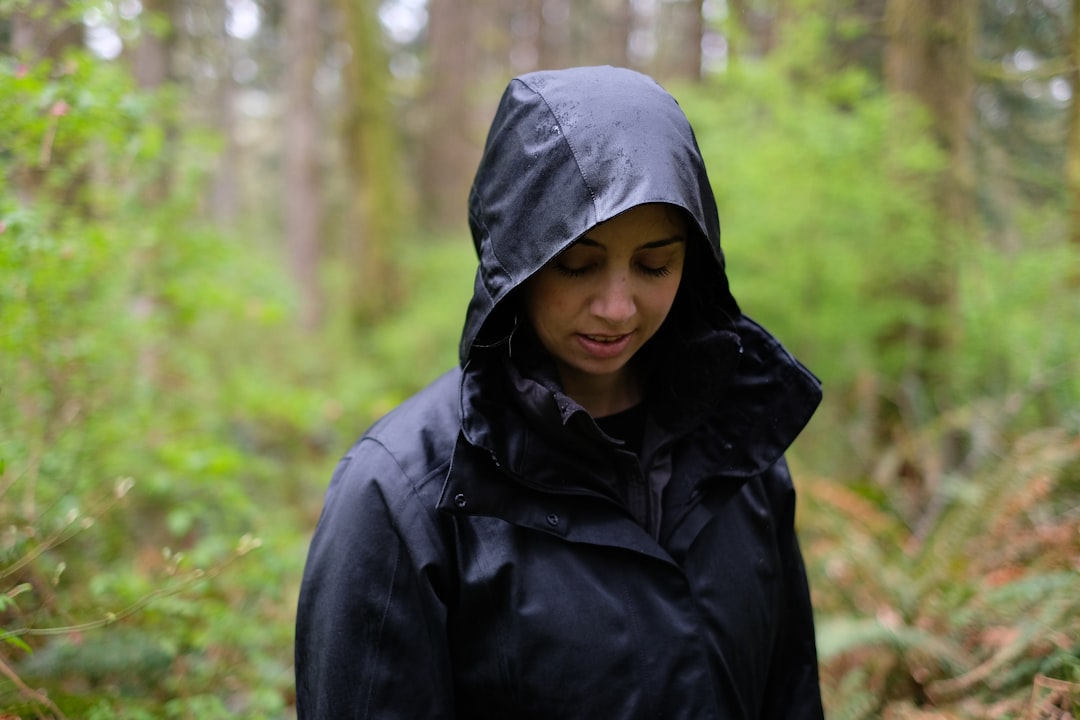
An umbrella is your first line of defense, but serious rain travel requires backup. After getting caught in downpours that overwhelmed even the best umbrellas, I built a companion kit that lives in my pack alongside whichever umbrella I’m carrying. A few items proved especially valuable:
Disposable rain ponchos. I keep a pack of compact disposable rain ponchos in every bag I own. They cost almost nothing, take up zero space, and when the rain is truly biblical, throwing one on over your clothes and pack beats trying to hold an umbrella in gale-force wind. The Hagon PRO five-pack is a slightly thicker option if you want something that won’t shred after one use.
A packable rain jacket. For longer trips where rain is guaranteed, I layer a lightweight jacket under my umbrella. The HLKZONE packable rain jacket (comes in a two-pack, which is great for couples) and the 33,000ft lightweight rain jacket are both solid options that compress down to nothing and weigh under 10 ounces.
A waterproof dry bag. When the rain wins — and sometimes it will — your electronics and documents need protection that a umbrella can’t provide. I use a 5L waterproof dry bag backpack for my phone, charger, passport, and any non-waterproof items. For longer trips or if you’re carrying camera gear, the 40L dry bag backpack gives you serious capacity for multi-day wet conditions. I wrote about this at length in my four-layer rain kit breakdown — it’s worth reading if you travel with anything that can’t get wet.
The Final Verdict
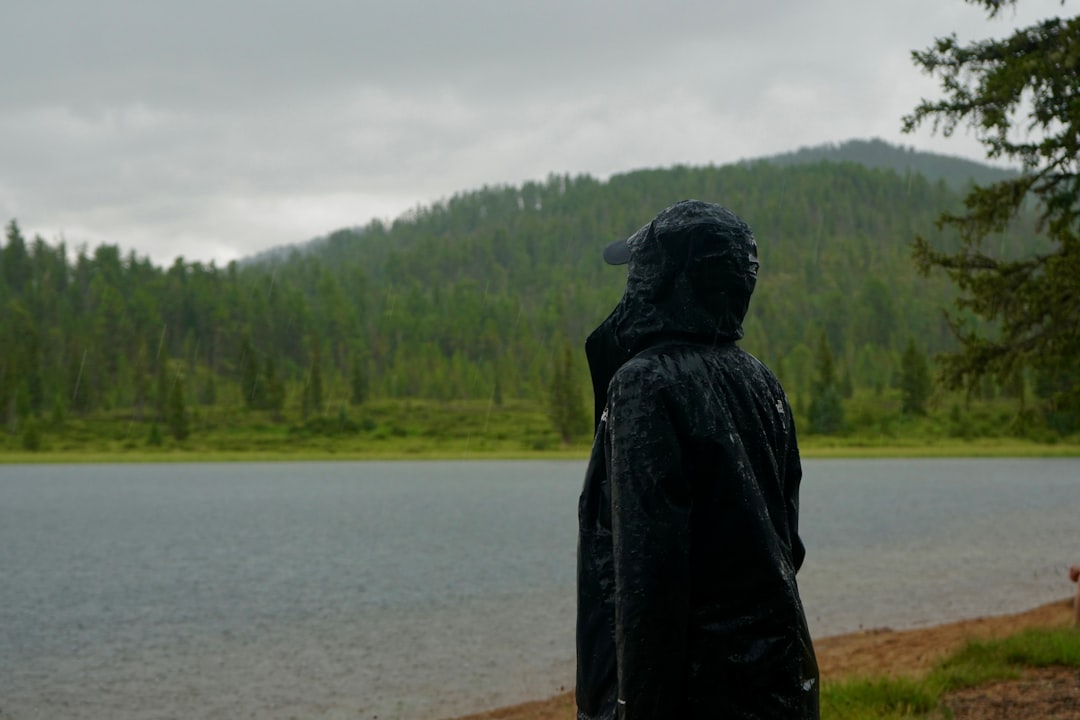
After eight months, three monsoon seasons, and more soaked socks than I care to count, here’s where I landed:
Best overall: The TUMELLA. It’s not the cheapest, but the vented canopy design genuinely works in conditions that destroy other umbrellas. If you’re traveling anywhere with serious weather — Southeast Asia during monsoon season, the UK at any time of year, mountain regions — this is the one I’d pack first.
Best value: The Rain-Mate. At roughly $16, it outperformed umbrellas costing three times as much in everything except extreme wind. For most travelers doing normal trips — city breaks, weekend getaways, the occasional rainy day — this is all the umbrella you need.
Best for light travel: The Seniny UV. If you’re trying to pack minimal and want sun coverage too, it does double duty acceptably. Just don’t expect it to hold up in a real storm.
The rest of the field is fine. The EEZ-Y is well-built but showed wear faster than expected. The SY COMPACT is reliable but not exceptional. Either would serve you reasonably well for occasional use.

How I Pack Rain Gear Now
My current setup, refined over hundreds of days of travel, looks like this: the TUMELLA lives in the water bottle pocket of my daypack for instant access. A pack of disposable ponchos sits in the bottom of my bag as emergency backup. My phone and documents go in a small dry bag inside my backpack. And if I know rain is certain — not just possible — I’ll layer a packable rain jacket over everything.
This system has kept me dry through some genuinely miserable conditions, from Bangkok flash floods to unexpected squalls in the Italian Dolomites. The total weight of all of it, including the umbrella, is under two pounds.
The lesson I keep learning in travel — whether it’s finding the right neck pillow or choosing rain gear — is that the best equipment isn’t always the most expensive. It’s the stuff you actually have with you when things go wrong. A $200 umbrella left at the hotel does you no good in a downpour. A $16 Rain-Mate that’s always in your bag? That’s the one that saves the day.
Pack something. Pack it every time. And when the sky opens up on your next trip, you’ll be the person still walking — not the one sprinting for cover with a menu over your head.