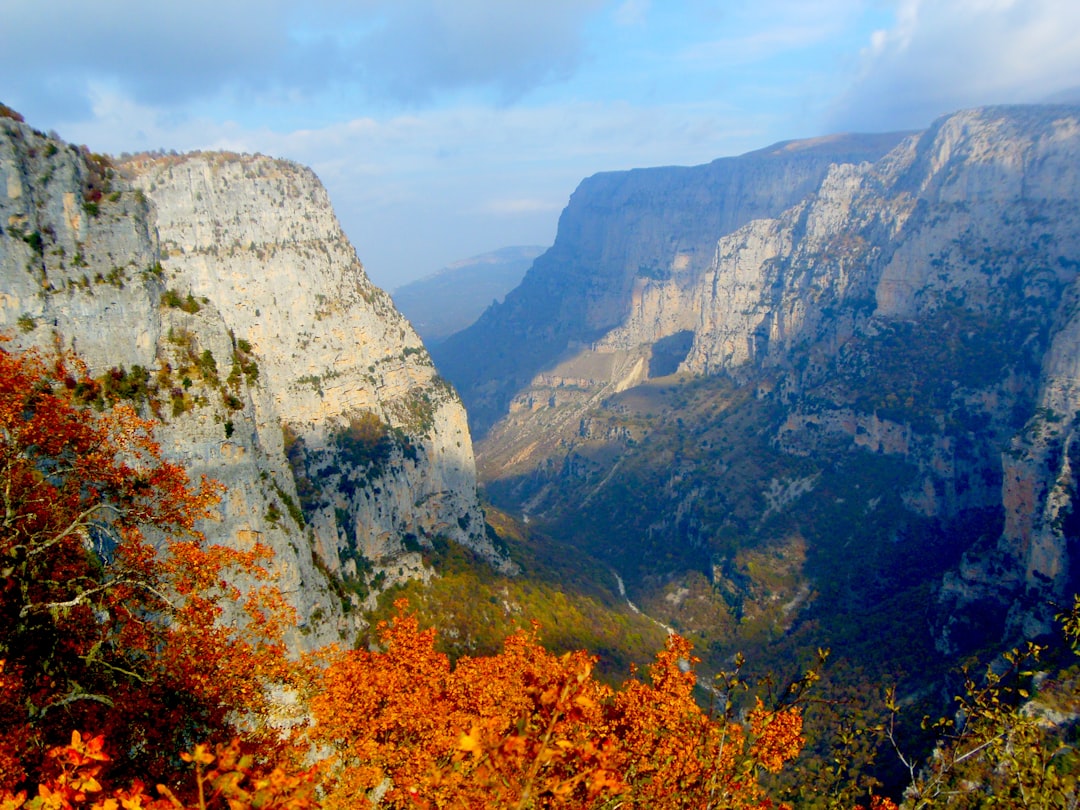
Every October, something quietly absurd happens about forty miles south of Rochester. A river that spent ten thousand years carving a 600-foot canyon through western New York gets framed by a few million maple, oak, and birch trees that all decide to ignite at the same time — and somehow, most of the country still has no idea it exists. I’ve chased fall color across New England, driven the Blue Ridge until my brakes complained, and stood elbow-to-elbow at overlooks in the Smokies. Letchworth State Park beats all of them, and it does it without the traffic.
My team and I rolled into the Castile entrance on a Tuesday morning last October, expecting a decent state park. What we got was a canyon that looks like someone Photoshopped the best parts of Vermont, Virginia, and Yosemite into a single frame. We stayed three days. We should have stayed five.
Why They Call It the Grand Canyon of the East
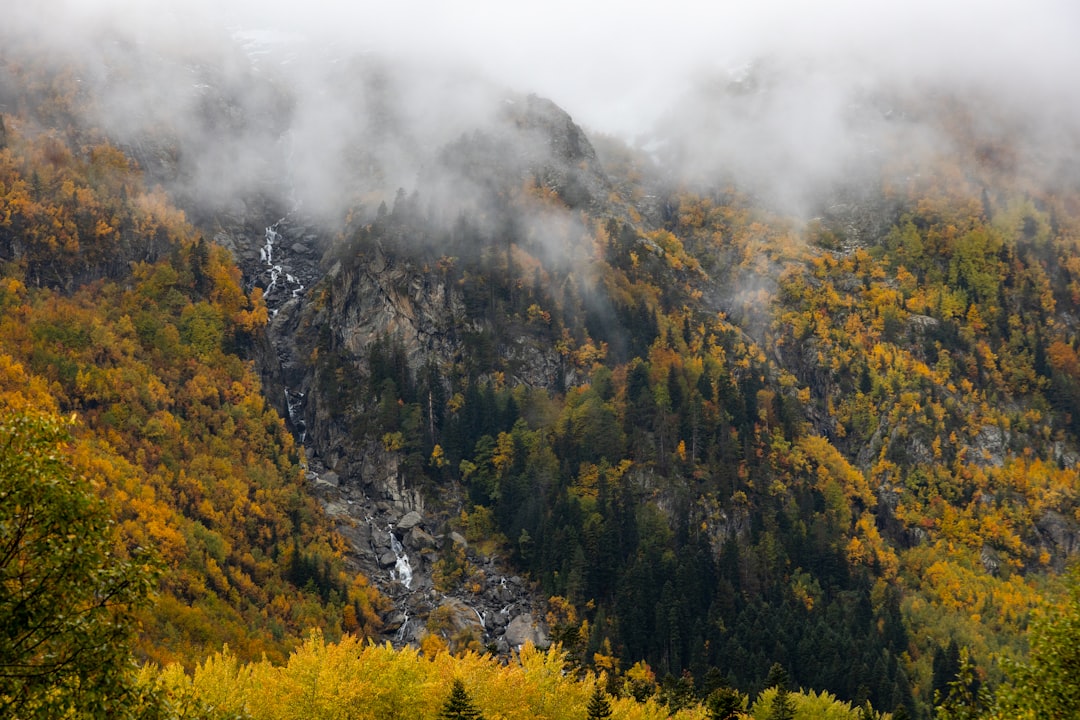
The nickname gets thrown around loosely in the Northeast — there’s a “Grand Canyon of Pennsylvania,” a “Grand Canyon of Maine,” probably a Grand Canyon of somewhere in Jersey. Letchworth is the one that earns it. The Genesee River drops through a gorge up to 550 feet deep, walled in by shale and sandstone cliffs that turn amber and rust in fall, with hemlocks hanging on the darker slopes like brushstrokes of green that refuse to quit.
It’s 14,000-plus acres of gorge, waterfall, and forest, and USA Today readers once voted it the best state park in the country. The crowd levels, though, remain oddly reasonable. On an October weekday, my photographer set up at Inspiration Point and had the whole ledge to himself for twenty minutes. Try that at Cadillac Mountain in Bar Harbor. I’ll wait.
We’ve written before about state parks that embarrass their national neighbors, and this is the flagship example. Letchworth delivers canyon-scale drama with state-park crowd math.
Three Waterfalls, One Rock Ledge
The park’s spine is a trio of falls stacked along the Genesee inside a mile of each other. Upper Falls sits directly beneath the towering railroad trestle — more on that beast shortly. Middle Falls is the showstopper: 107 feet wide, thundering over a curved precipice, with mist that drifts up the cliff face and catches morning light in a way that makes photographers audibly gasp. Lower Falls is the scrappy one, a 70-foot cascade you reach by a long stone staircase of 127 steps, and the climb back up will remind you which year you were born in.
Here’s the local move nobody tells you: catch Middle Falls at sunrise. The sun rises behind the east rim, and for about twenty minutes the mist rising off the plunge pool lights up gold while the cliff walls are still in shadow. I shot it handheld because I’d left my tripod in the van — a mistake I won’t repeat. If you’re serious about frames, a lightweight travel tripod like the K&F Concept aluminum folds down small enough to clip to a daypack and holds steady enough for silky 2-second exposures of the falls.
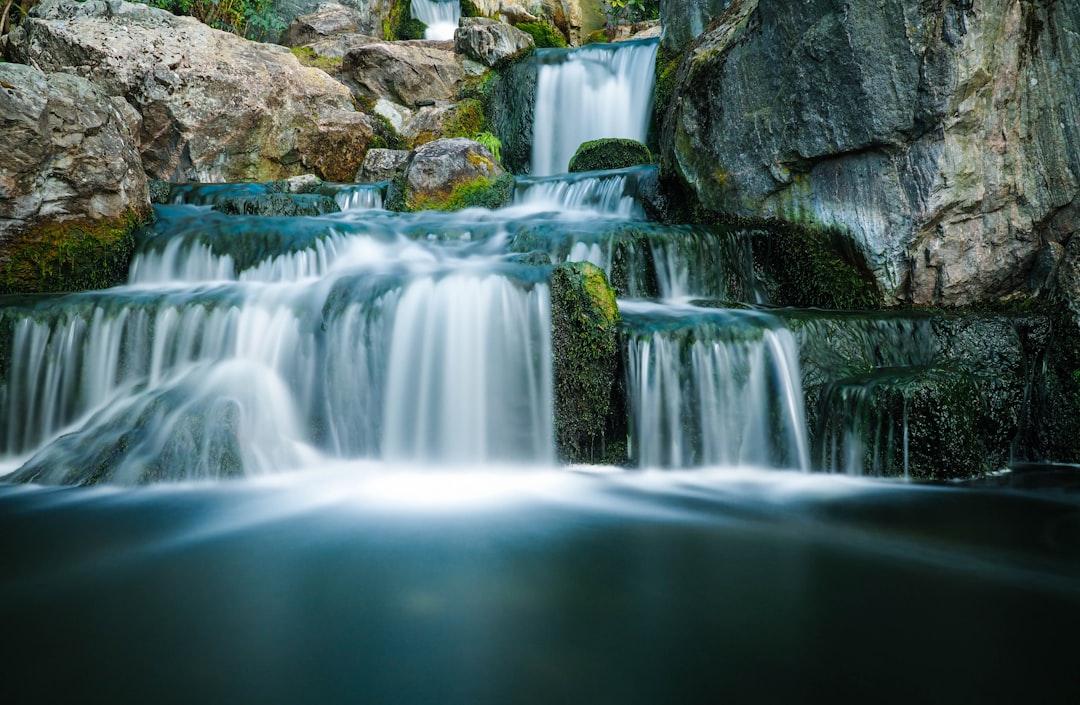
The Seneca people called the middle cascade Seh-ga-hun-da — “falls of the descending mist” — long before William Pryor Letchworth ever laid eyes on this valley. Standing on the Gorge Trail with that mist drifting over you, you understand the name was doing honest work.
The Portageville Trestle Might Steal the Show
Just above Upper Falls, a working railroad bridge — the Genesee Arch Bridge — spans the entire gorge 235 feet above the water. It’s the modern replacement for the famous wooden Portage Viaduct, and when a freight train crosses at golden hour, the whole scene goes cinematic: red-and-orange canyon walls, a steel skeleton overhead, and the slow percussion of railcars you feel in your chest before you hear them.
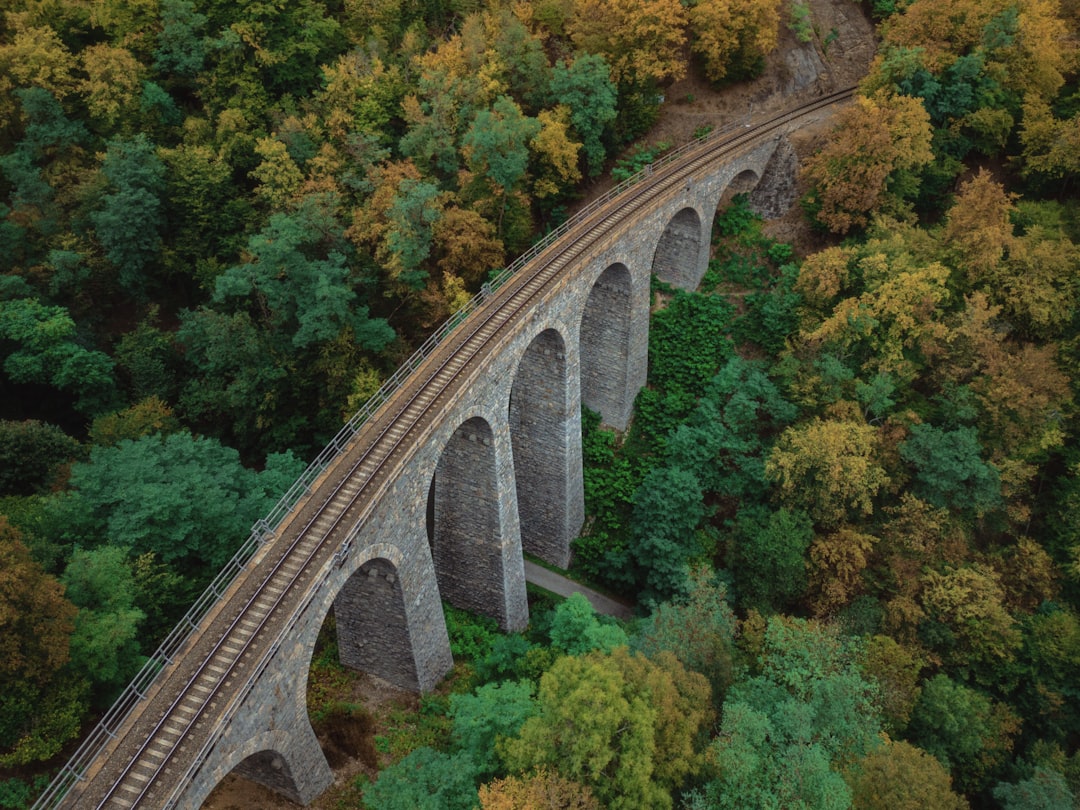
Insider timing: trains aren’t scheduled for tourists, but the line sees regular freight traffic, and our camp neighbors swore by late-afternoon stakeouts near the Archery Field Overlook. We got lucky on day two — a long consist rumbled across at 4:40 p.m. while the maples were backlit. Worth the wait. Bring something to pass the time; I kept a pair of compact 12×25 binoculars in my jacket and spent the downtime picking out turkey vultures riding thermals below the rim.
Hiking the Gorge Trail Without the Guesswork
The seven-mile Gorge Trail (#1 on the park map) is the one hike that matters here. It runs canyon-side from the Portageville entrance past all three falls, Wolf Creek Falls, and a string of overlooks — Inspiration Point, Big Bend, Tea Table — each one a legitimate postcard. You can hike it one-way with a shuttle car, sample short segments from a dozen parking areas, or bite off the full out-and-back if your knees are feeling ambitious.
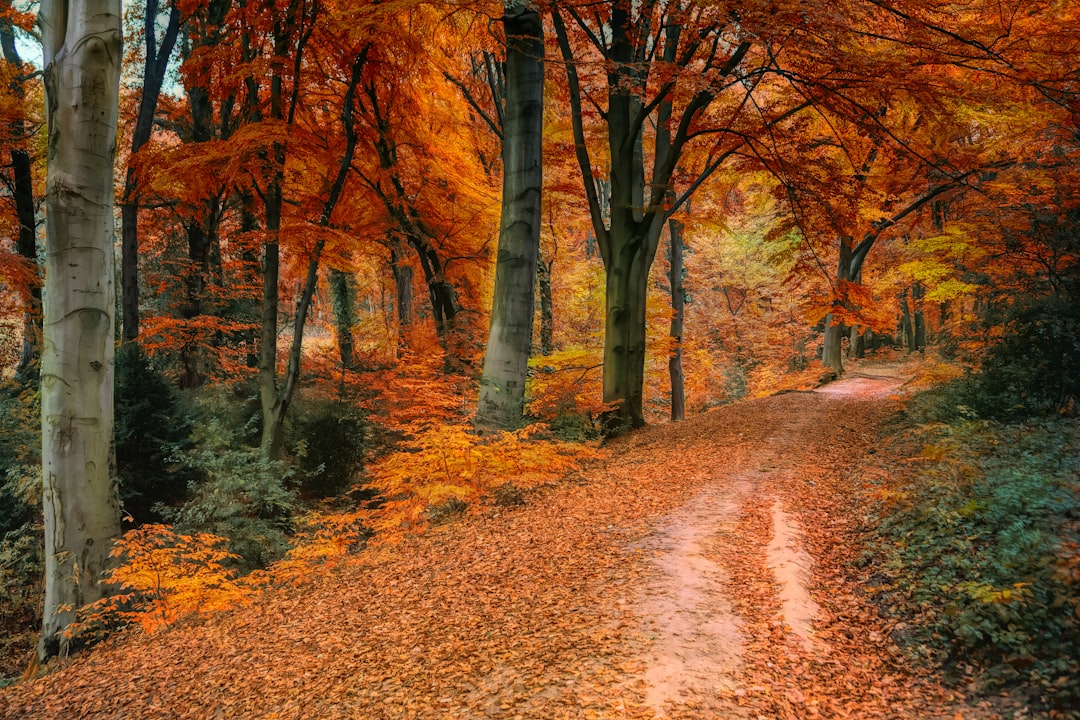
My notes from the trail, in no particular order: the segments between Middle and Lower Falls are the most dramatic; Big Bend in late afternoon has the best light on the inner canyon; and the stairs down to Lower Falls punish sloppy footwear. Total elevation change along the gorge is modest, but the stone staircases are steep and often slick with spray. A pair of collapsible trekking poles with cork grips saved my quads on the return climbs — they fold into the pack when the trail flattens, which is more than I can say for my dignity on step 127.
Beyond the gorge, 66 miles of trail loop through the park’s quieter backcountry, including the 20-plus mile Letchworth Trail for backpackers. But honestly? If you only have a weekend, work the gorge. That’s where October does its best work.
Balloons Over Letchworth: The Splurge Worth Booking
Here’s the wildcard. A hot air balloon company launches flights from beside the historic Glen Iris Inn at the park’s southern end, May through mid-October — meaning there is a narrow seasonal overlap when you can float 2,000 feet over a burning canyon of fall color. My teammate did the flight on our last morning and has not shut up about it since.
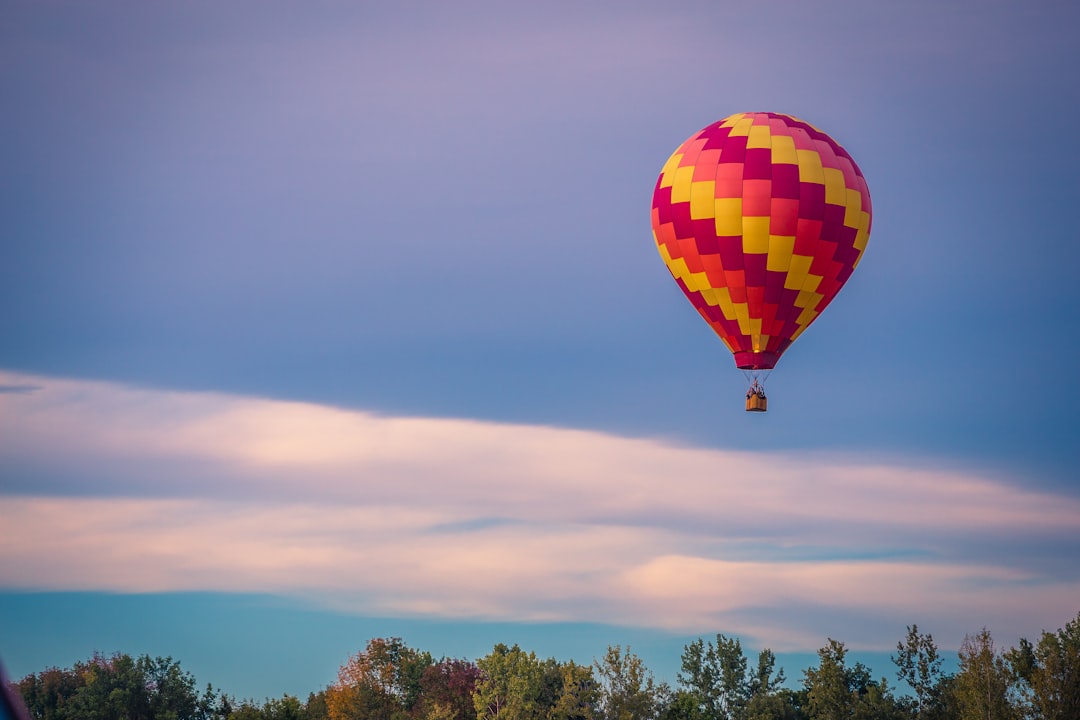
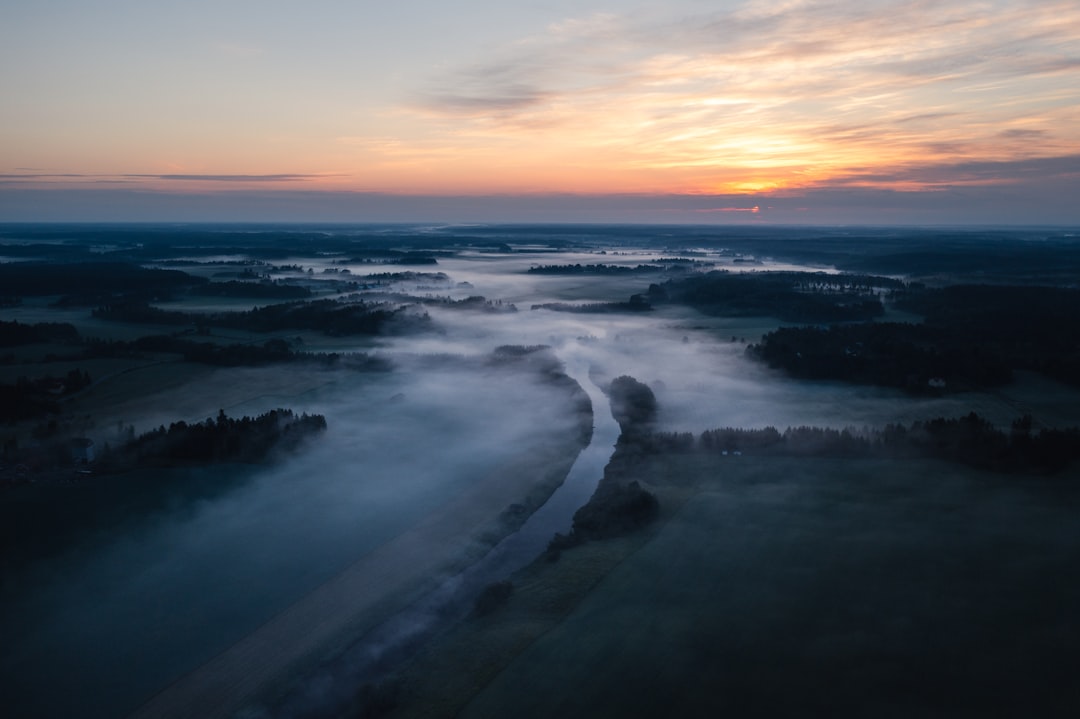
The math is unforgiving: flights run daily but weekend slots book out weeks ahead, and the foliage window closes around mid-October. If you’re going, book the balloon and the cabin the same day you book the drive. Sunrise launches catch the mist pooled in the gorge — the same mist the Seneca named — and from that altitude the Genesee looks like a silver thread stitched through a quilt of red.
Pinching the Timing: When Color Actually Peaks
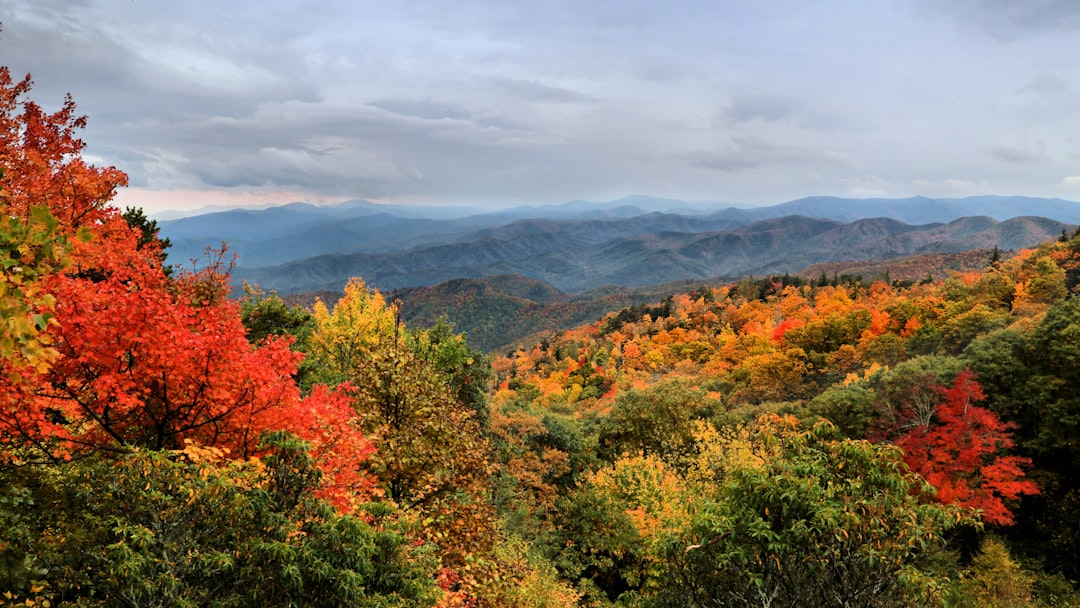
Western New York peaks early-to-mid October in a typical year, and the gorge microclimate can run a few days behind the ridgelines. We aimed for the second week and nailed it — maples at full flame on the rim, oaks just starting to turn at river level, a slow-motion color wave rolling down the canyon walls over four days.
The trap is overthinking it. Our fall foliage forecasting guide covers the regional mechanics, but the short version for Letchworth: target October 7–15, watch the park’s foliage reports, and go midweek if you possibly can. Weekends in October draw the leaf-peeping buses; weekdays you’ll share Inspiration Point with maybe a dozen people and a chipmunk.
What to Pack for a Gorge Weekend
October in western New York swings from 65-degree sunshine to 38-degree sleet in a single weekend — ours did. Pack for two seasons and you’ll be fine.
Layers are everything. A packable insulated puffer stuffed into a daypack covers the cold mornings at the overlooks and vanishes when the afternoon warms up, and a lightweight rain shell handles both the weather swings and the mist off Middle Falls, which will absolutely find you. My editor runs cold and lived in both for three days straight.
For the daypack itself, something in the 30–40 liter range carries layers, water, and camera gear without turning a gorge stroll into an expedition. The Maelstrom 40L my crew packed has a built-in rain cover, which the aforementioned Middle Falls mist tested thoroughly. Hydration matters more than you’d expect — all those stairs — so a vacuum-insulated bottle like the CamelBak Chute Mag keeps water cold on the climb out of the canyon.
One more: if you’re chasing sunrise at the falls or the overlooks, you’ll be walking the paved paths in the dark. A rechargeable LED headlamp weighs nothing and saved us from a comedy of ankle-turning near-misses on the way to Inspiration Point at 6:15 a.m.
Where to Sleep, Eat, and Recover
The park runs four campgrounds plus cabins, and the Highbanks campsites sit so close to the canyon rim that you can hear the river from your tent. That’s where we stayed, and I’d do it again — but the Glen Iris Inn, Mr. Letchworth’s restored country estate right at Middle Falls, is the move if you want hot showers and a dining room overlooking the plunge. Book it far ahead for October.
For supplies, the towns ringing the park — Castile, Mount Morris, Perry — are classic small-town western New York: cheap gas, good diners, and a general store for firewood. And if you’re building a longer route, the Finger Lakes wine country starts about an hour east — our Finger Lakes harvest season guide pairs almost too well with a Letchworth weekend, because the grapes and the maples peak within the same two-week window.
The Bottom Line on Letchworth in Fall
Two days is the floor. Three is right. Drive in through the Castile entrance, spend day one on the southern gorge from the Arch Bridge to Lower Falls, day two on the middle section’s overlooks and whatever trail energy you have left, and day three up at Mount Morris Dam watching the canyon open wide before you point the car home.
The Grand Canyon of Arizona took six million years and ends up on every screen saver in America. The Grand Canyon of the East took an ice age, three waterfalls, one gorgeous engineering marvel, and a hot air balloon, and somehow stays a rumor. Keep it that way, maybe — but if you go, go in the second week of October, midweek, with layers, at sunrise. You’ll have the mist, the color, and the canyon almost to yourself, which is exactly how Mr. Letchworth would have wanted it.