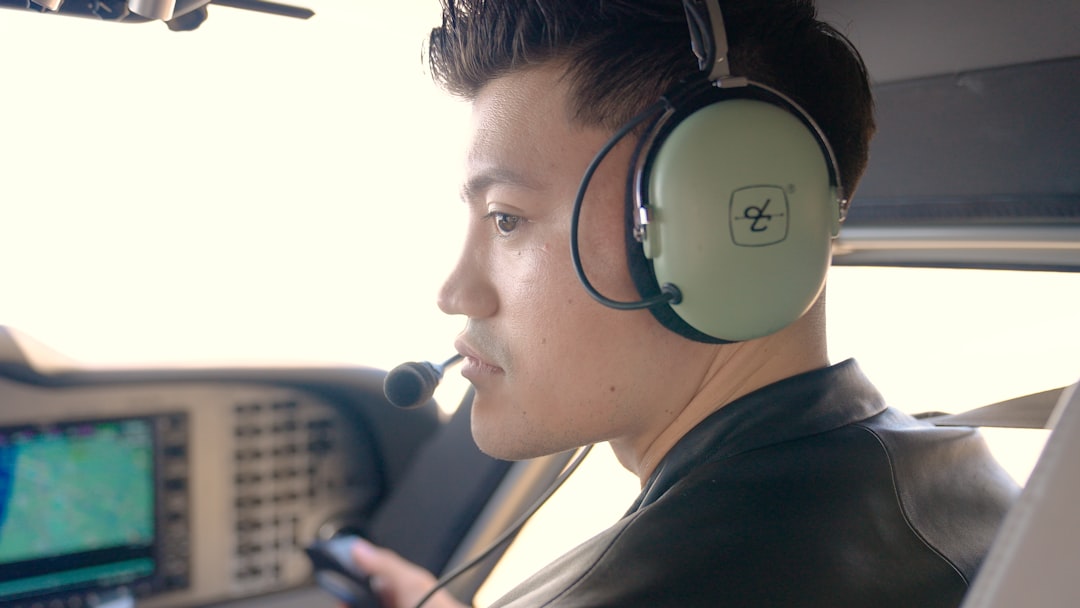
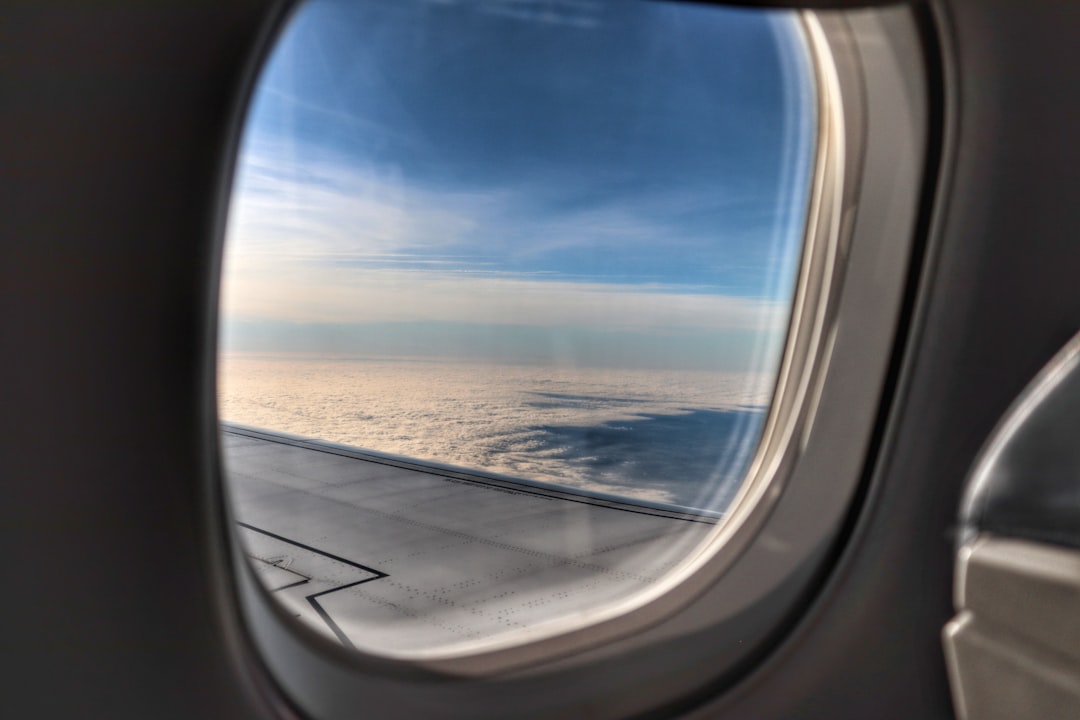
The seat was 14B, a window on the wrong side of the engine, and the man across the aisle had already decided his phone conversation outranked the rest of the cabin. That was a Tuesday in late August, somewhere over Ohio, and it was the flight that finally made me get serious about noise cancelling. Not the casual, browse-a-listicle kind of serious. The kind where my team and I hauled nine different pairs through five airports in three weeks, logging battery drain, ear fatigue, and exactly how much engine roar each one erased at cruise altitude. Fall is when the long-haul itineraries come out — red-eyes to Europe, leaf-peeping connections through Denver, that Thanksgiving route you already dread — and the right pair of headphones changes those flights more than any seat upgrade I’ve ever bought.
Why Cabin Noise Is Actually the Problem
Most people think jet lag and cramped seats are what wreck them after a flight. Cabin noise is the quieter culprit, literally. At cruise, a typical airliner interior sits between 75 and 85 decibels — roughly a vacuum cleaner running two feet from your head, for five or six uninterrupted hours. Your body reads that as low-grade stress, raises your heart rate, and makes actual sleep nearly impossible unless you’re one of those people who can nap through a rock slide.
Active noise cancellation works by listening to the drone around you and generating an inverted sound wave that flattens it before it hits your ear. It’s most effective on the low-frequency rumble of engines and airflow, which is precisely the stuff that wears you down on a long flight. It does far less against the crying baby three rows up or the mid-cabin chatterbox, a distinction that matters when you’re deciding what to buy.
After our three weeks of testing, I stopped thinking of ANC headphones as audio gear. They’re fatigue gear. The pair you pack determines whether you land wrung out or functional, and that difference compounds across a whole trip.
Over-Ear or Earbuds: Decide by the Bag, Not the Hype
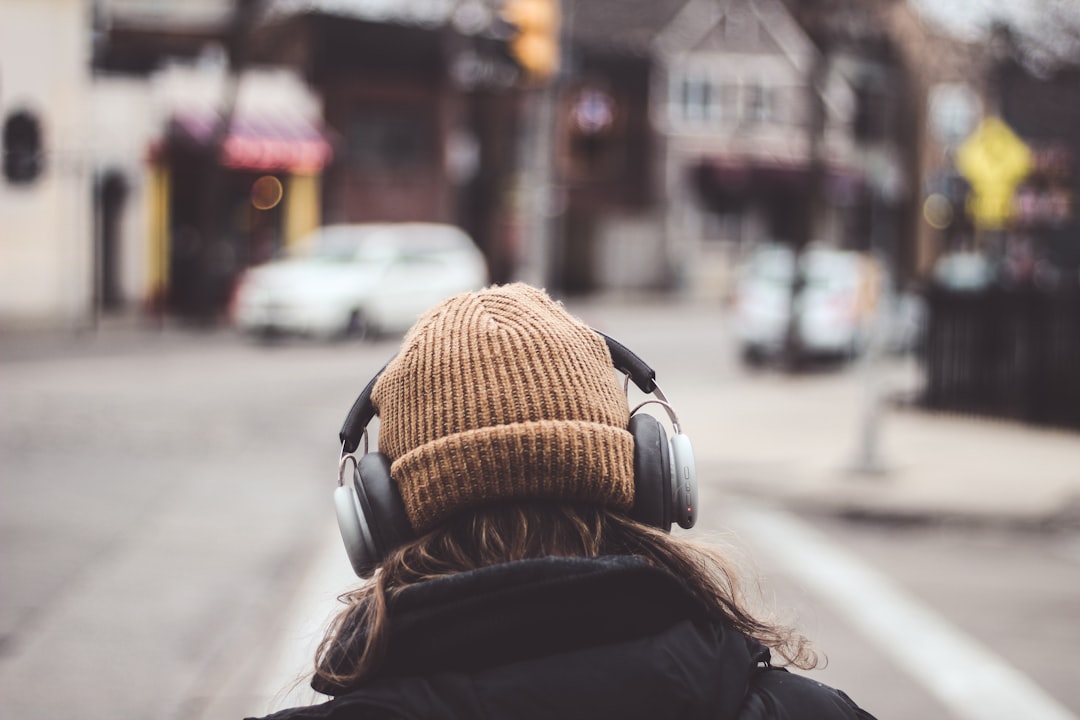
The first fork in the road is form factor, and it’s a packing decision as much as a sound one. Over-ear headphones deliver the deepest cancellation and better comfort across a 10-hour flight, but they eat real space — even folded, a flagship pair in its case takes up about a third of a personal item. If you’re playing the budget-airline game where every cubic inch counts, that matters. Earbuds slip into a pocket, wake instantly, and handle calls at the gate, but their cancellation has less raw muscle and small ears get fatigued after a few hours.
My rule after this month of testing: over-ears for any flight over four hours, earbuds for everything else. If you only fly short hops, don’t let anyone talk you into a flagship can. And if you want the full math on squeezing both into a tight carry-on, my writeup on beating the personal item sizer covers the space budget these things compete for.
The Flagship Tier: Sony WH-1000XM6 vs. Bose QuietComfort Ultra
This is the matchup everyone asks about, and after flying both back to back, I get why the arguments never end. The Sony WH-1000XM6 is the most complete travel headphone I’ve used: the new noise processor erases engine drone so thoroughly that the first minute of a flight feels like someone hit a mute button on the airplane. Sony also finally fixed the folding problem — the XM6 collapses into a case that fits a work bag instead of fighting it. Battery ran past 30 hours with ANC on in our tests, which is two transatlantic round trips between charges.
The Bose QuietComfort Ultra (2nd Gen) counters with the more comfortable clamp. On a nine-hour overnight to Lisbon, I forgot I was wearing the Bose around hour two — something that has never happened to me in any Sony. Bose’s cancellation has also closed the gap on raw hush, and the call quality is now genuinely good, which matters if you’re dialing into a meeting from a layover. The honest verdict: Sony wins on silence and battery, Bose wins on comfort and conversation. You cannot pick wrong; you can only pick by priority.
The Smart Middle: Where Value Lives
Here’s where the testing surprised me. The step-down tier — headphones in the $200 to $350 range — now delivers maybe 85 percent of the flagship experience for half the money. The standard Bose QuietComfort carries the same family tuning as its Ultra sibling with slightly less aggressive cancellation and fewer luxuries. Unless you fly monthly, you will not feel shortchanged.
The Sony WH-CH720N became my team’s default loaner pair. It’s absurdly light — you notice the absence of weight on your head by hour three — and its cancellation shrugged off a 737’s engines well enough that two testers asked which flagship they’d been wearing. For a secondary pair, a gift, or a first dip into ANC, it’s the one I hand people.
And then there’s the budget shocker. The Soundcore Q20i regularly dips under $60, and its hybrid ANC took more of the cabin roar out than any cheap pair has a right to. Is it flagship-quiet? No. The build feels it, and the padding flattens on marathon flights. But for the price of one airport dinner, it converts a bearable flight into a pleasant one. If you’re unsure whether ANC is for you, start here without guilt.
When Earbuds Are the Right Answer
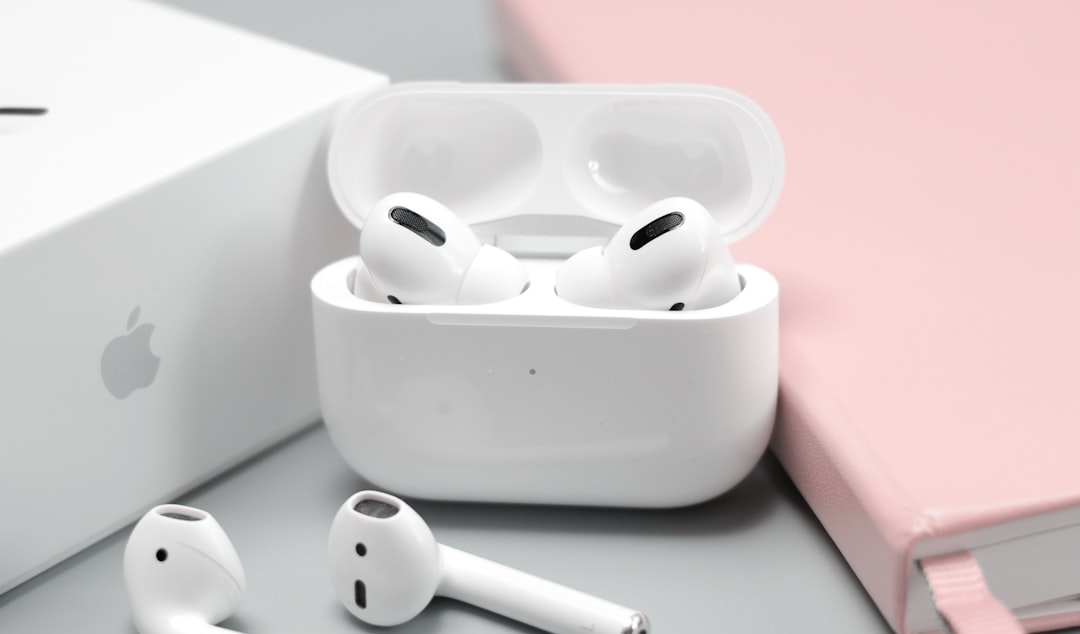
Earbuds shine on short flights, commuter hops, and days when your bag is already a physics experiment. The AirPods Pro 3 were the strongest performers in our earbud batch: the cancellation now brushes against mid-tier over-ears, the transparency mode is the best in the business for hearing gate announcements without pulling anything out of your ears, and the case charges off the same cable as everything else I carry. If your phone has a fruit logo, the pairing experience alone justifies them.
One niche worth knowing about: sleeping. Flat, low-profile sleep earbuds like the Soundcore Sleep A30 are built for side sleepers — they sit flush enough that you can rest your head on the pillow, or the window, without a thing digging into your ear. They won’t out-cancel a flagship can, but they’ll mask cabin drone and a snoring seatmate with buffered white noise, which is often the difference between arriving human and arriving wrecked. Pair them with the routines in my red-eye survival guide and you’ve built a legitimate overnight system.

The Accessories That Earn Their Space
Two small purchases punched above their weight during testing. First, a rigid headphone case — if your over-ears ride in a packed backpack, a soft pouch eventually means cracked headbands, and I’ve seen it happen in an overhead bin. A hard shell adds barely any weight and turns a $400 investment into something you stop worrying about.
Second, foam or silicone replacement ear tips. This is the cheapest upgrade in audio. A proper tip seal improves both bass and passive isolation, which means your earbuds don’t have to work as hard and the ANC feels stronger. Half my team re-tested their earbuds with better tips and ranked them a full tier higher. Fifteen dollars, immediately better flights.
Small Realities Worth Knowing Before You Buy
A few field notes that don’t fit on a spec sheet. Airplane Wi-Fi and ANC don’t fight each other, but Bluetooth does drain batteries faster than the box claims — assume two-thirds of the advertised runtime in the real world, because manufacturers quote lab numbers with cancellation off. Charge the night before, not the week before. Many newer planes still lack Bluetooth on their seatback entertainment, and while newer aircraft are adding it, a small transmitter bridges the gap; I wrote up the $35 transmitter that solves this a few months back and it remains in my kit. And remember that no cancellation on Earth fully erases a crying infant — ANC targets the drone, not the drama. That’s what downloaded playlists are for.
One more thing frequent flyers overlook: your headphones matter most when things go wrong. The night my 6:15 p.m. departure got cancelled, a quiet corner of the terminal, a good soundtrack, and a charged headset turned a rebooking marathon into a manageable evening. The cancellation playbook I published covers the logistics; the headphones cover your sanity while you work it.
My Verdict After Nine Pairs and Five Airports

If you want the single answer: for frequent long-haul flyers, the Sony WH-1000XM6 is the pair I’d spend my own money on, with the Bose QuietComfort Ultra a coin flip away for anyone who prizes comfort above all. Fly a few times a year? The WH-CH720N or standard QuietComfort will spoil you for a fraction of the price. Short-hop commuter? AirPods Pro 3 or their equivalent, full stop. And if budget is the deciding factor, the Q20i proves that meaningful silence no longer costs $400.
Fall’s itineraries are already loading — the red-eye to Lisbon proved that to me in the best way. The aspens in the Sierra start turning mid-September, the monarchs are moving through Texas by October, and every one of those trips starts and ends in a loud metal tube. Pack the right noise canceller and the flight stops being the tax you pay for the destination. It becomes, honestly, the quietest part of the whole adventure.
1 thought on “Dead Quiet in 14B: The Noise-Cancelling Lineup That Changed How I Fly”