There is a moment, somewhere around 9:25 on the last Friday of September, when the crowd stops being a crowd. Twenty thousand people who have been drinking coffee and stamping warmth into their boots since dawn suddenly go quiet, all at once, because someone on a ridge three-quarters of a mile away has lifted a hand. And then the prairie starts to shake.
I have watched the Custer State Park Buffalo Roundup from both viewing areas over the years, and I keep coming back for the same reason: nowhere else in North America can you stand behind a fence line and watch roughly 1,300 bison move across open grass toward a single set of corrals, pushed by real riders on real horses doing real work. It is not a performance. It is a 61-year-old management operation that happens to be one of the most spectacular free wildlife spectacles on the continent.
The 61st Annual Buffalo Roundup lands on Friday, September 25, 2026, with the Arts Festival running the full weekend of September 24–26. If you are even loosely thinking about going, this is your planning window. Here is everything my crew and I have learned about doing it right.
Why South Dakota Runs 1,300 Buffalo Toward One Corral
Start with what this event actually is, because understanding the purpose changes how you experience it. The park’s bison herd is one of the largest publicly owned herds in the country, and grass can only feed so many animals. Every fall, cowboys, cowgirls, and park staff drive the entire herd into a set of corrals near the park’s southern edge so crews can vaccinate, test, brand, and sort animals. Some get sold at auction to keep the range in balance. The roundup is the engine that keeps the herd healthy — the spectacle is a byproduct.
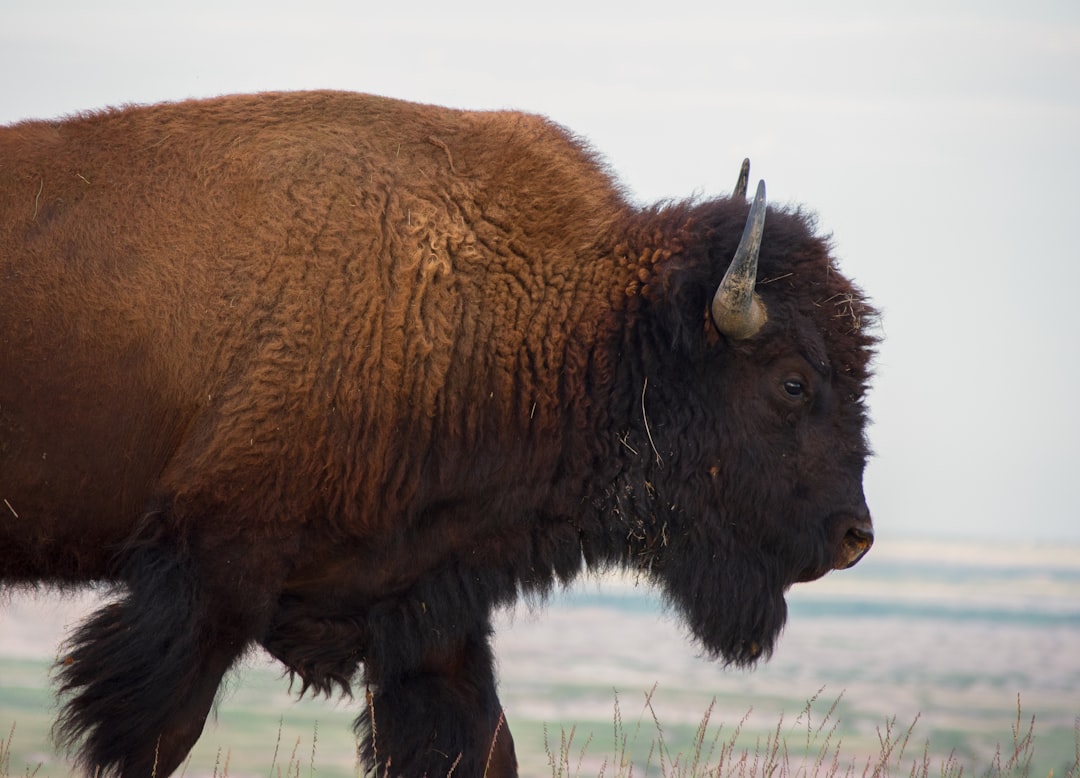
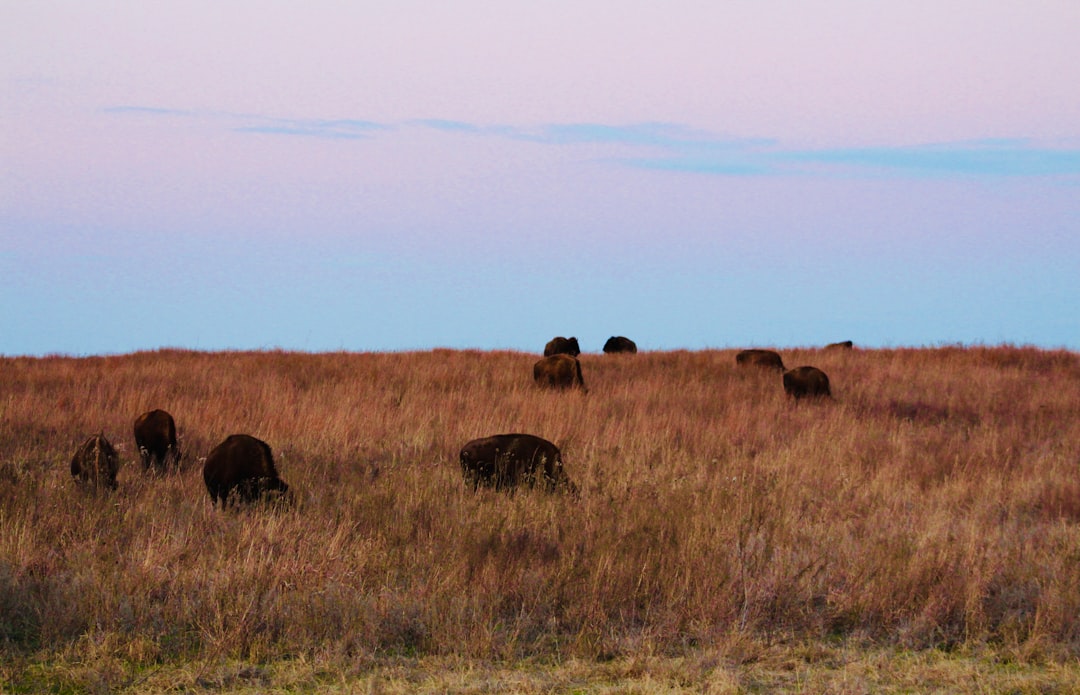
That byproduct is worth planning a trip around. The herd moves as a single dark mass, and when the front of it decides to run, the sound arrives before the animals do: a low, rolling rumble that you feel in your sternum before your ears make sense of it. On still mornings you can hear the riders whistling and calling, half a mile off, working the edges of the herd like they are folding a giant blanket.
My researcher pulled the official details from South Dakota Game, Fish and Parks so we could plan the morning down to the minute. The roundup itself begins at 9:30 a.m. Mountain Time. The corrals sit in the middle of the park, and spectators watch from two designated areas, north and south. Here is the part first-timers miss: you have to choose your side before Friday morning, because all vehicles enter and exit the same way, and there is no crossing over once the operation is underway.
The 6:15 A.M. Decision That Shapes Your Whole Day
Parking lots at both viewing areas open at 6:15 a.m., and breakfast goes on sale at the same time at both ends. Arriving that early sounds aggressive until you understand the math: 20,000 spectators, limited parking, and the best fence-line spots gone by 8. My team’s standing rule is to be through the gate and walking to the viewing area before 7, chairs in hand, coffee still hot.
The north viewing area is reached by heading south from the Game Lodge area on Wildlife Loop Road. The south side sits east on Wildlife Loop Road near Blue Bell campground. Both have their advocates. The north side tends to catch the herd’s final approach with the granite hills behind it; the south side often gets earlier action as riders first turn the herd. Neither is wrong. What is wrong is showing up at 9 a.m. and parking a mile out in the cold.
One logistics note that has saved us twice: leave the camper at the campground. Oversized vehicles get routed to the North Overflow Lot and shuttled in, which adds a chunk of time to your morning. Drive the truck or car instead. And this is not a morning for pets — if you absolutely must travel with one, park rules require it to stay in your vehicle, which is no life for a dog on a dust-choked fence line.
For the pre-dawn walk from parking to the viewing area, a rechargeable headlamp earns its spot in your pocket, and a 40-ounce vacuum bottle of coffee earns its spot in your hand. The breakfast at the viewing area is a real meal — pancakes and cowboy coffee energy, for a fee — but the lines are long and you do not want to surrender your fence-line spot to go stand in one at 8:45.
What the Morning Actually Feels Like
Between 6:15 and 9:30 the viewing areas have the feel of a small town fair that hasn’t woken up yet. Folding chairs colonize the fence lines in rows. People in wool and canvas drink coffee and visit with strangers. Around 9:00 the energy shifts — everyone starts scanning the hills to the south and west, because somewhere out there, riders are already moving.
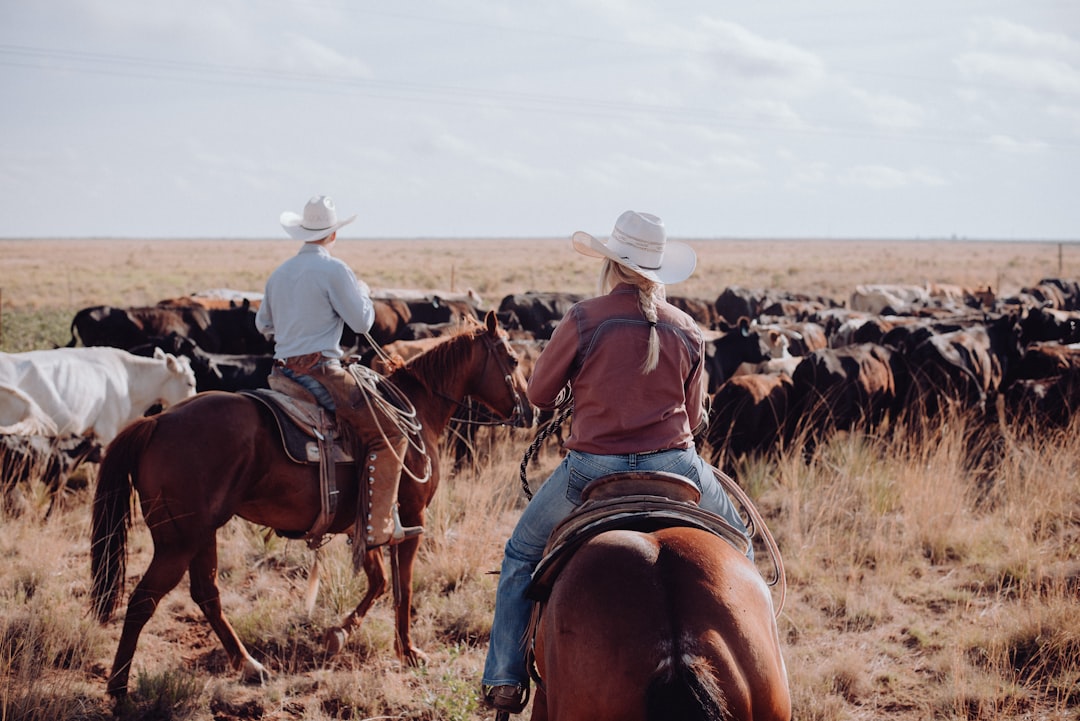
The riders are not park staff alone. Since the beginning, Custer has invited private citizens to ride in the roundup — applications go in months ahead, chosen riders are notified by mid-June, and they bring their own seasoned horses for two days of riding that include a required Thursday orientation. On Friday they drive the herd about five miles into the corrals, taking orders from team leaders, and they are expected to hold it together in front of one of the largest live audiences any horseback work gets anywhere.
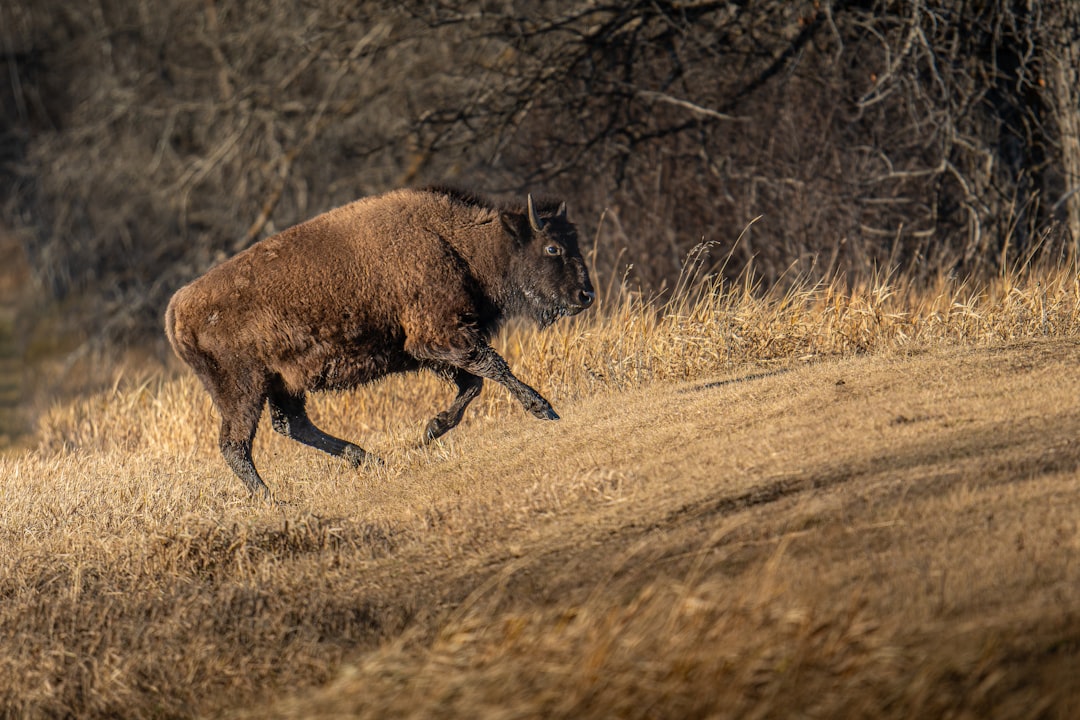
Then the herd arrives. It comes as texture first — a darkening of the grassline — then as dust, then as noise. A full-grown bull bison weighs around a ton, and when hundreds of them choose to move at once, the ground carries the information to your feet before your eyes sort out the details. The crowd noise that follows is something I would cross three states to hear again.
Plan to stay put until the herd is safely in the corrals, which generally lands around noon. Nobody leaves early anyway. Once the final animals are funneled in, lunch is served at the corrals — another paid meal, and honestly one of the better hamburger experiences of my travel year, eaten standing in the sun while a ton of buffalo stares at you from behind steel pipe.
The Gear That Earned Its Spot in My Truck
The park’s own guidance is refreshingly blunt: bring folding chairs, cameras, binoculars, layered clothing, rain gear, and sunscreen. That list is correct, and after a few years of doing this, my crew has refined it into a system.
September in the Black Hills runs cold mornings and warm afternoons — we have shivered at 34 degrees at 6:30 a.m. and peeled to shirt sleeves by 2 p.m. Layers are not optional. A merino wool beanie and a shell you can stuff in a daypack cover both ends of that spread, and a packable waterproof rain jacket handles the mountain weather that can swing from blue sky to graupel in an hour without asking.
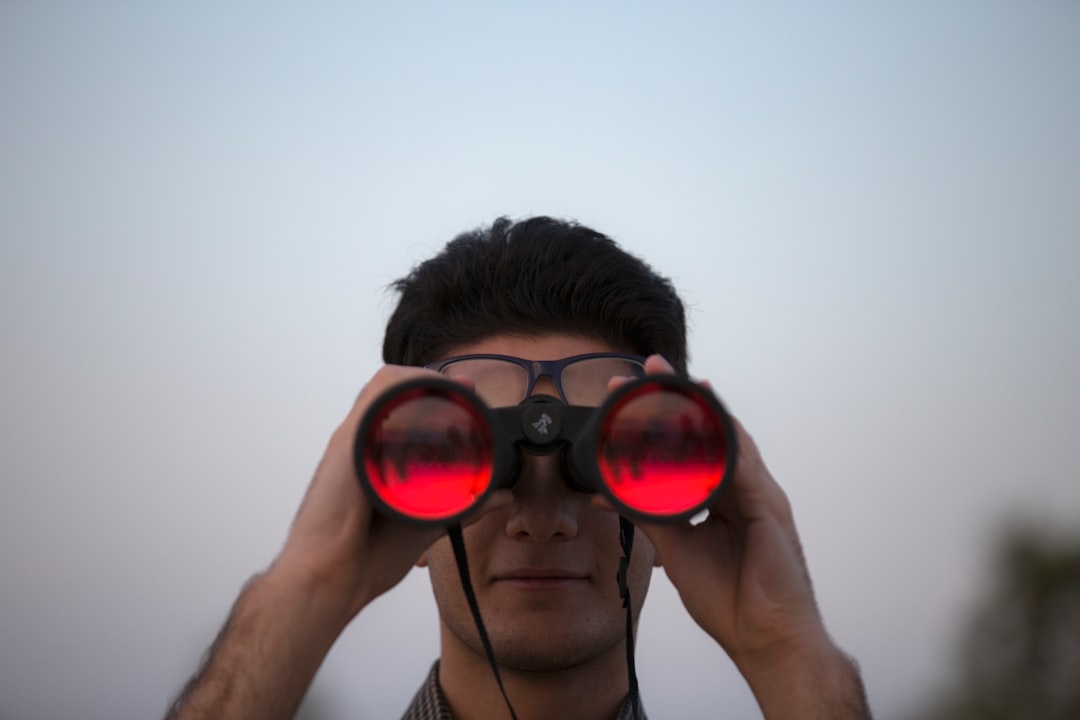
Two items specific to this event: a breathable neck gaiter, because when the herd runs, the dust travels serious distances and you will be blowing grit out of your sinuses for two days otherwise; and binoculars, because the action starts far from the fences. I wrote a whole piece on why compact 12×25 binoculars own September’s wildlife shows, and the roundup is the ultimate proof — the riders turning the herd on the far ridges are where the story starts, not at the corral gate. A solid pair of compacts lives in my truck from Labor Day onward.
For seating, skip the nice reclining chairs and bring something light you can carry a half mile in the dark and fold one-handed while holding coffee. My current camp chair is a Coleman with a built-in cooler pocket, which is exactly as useful as it sounds when breakfast lines are long. And sunscreen — high plains sun at 5,000 feet does not care that it is autumn.
After the Dust Settles: Working Pens and a Weekend Festival
Most of the crowd drains out by early afternoon, which is a mistake. From about 1 p.m. to 3 p.m., crews work the animals in the corrals — testing, branding, sorting — and this is the part I find quietly fascinating. Watching handlers move calmly among a thousand penned bison, sorting animals gate by gate, is a masterclass in low-stress stock work. Kids who are genuinely interested in animals will remember this longer than the thunder.
The roundup is also only one act of a three-day weekend. The Buffalo Roundup Arts Festival runs September 24–26 on the grounds across from the Peter Norbeck Outdoor Education Center, with up to 150 vendors selling fine art and crafts, a heavy share of it South Dakota-made. There is a pancake feed to start the mornings, and Western and Native American entertainment runs under the big top through the weekend. My crew’s Saturday tradition: arts festival in the morning, chili for lunch, one last slow drive through the park before heading home Sunday.
If you cannot break away Friday, know that the festival carries Saturday on its own, and park crews continue working the remainder of the herd into October — the corrals stay busy after the spotlight moves on. The event is also broadcast for those watching from home, though I will argue until the cows come home that a screen does not transmit the sound a herd this size makes.
Sleeping Within Earshot of the Herd
Here is the sentence that matters most in this entire piece: book your bed now. Twenty thousand spectators descend on a corner of the state where the nearest big city is Rapid City, forty minutes north. Custer and Hill City rooms go fast, and park campgrounds — Blue Bell, Game Lodge, Stockade Lake — fill with a regulars-first energy every September.
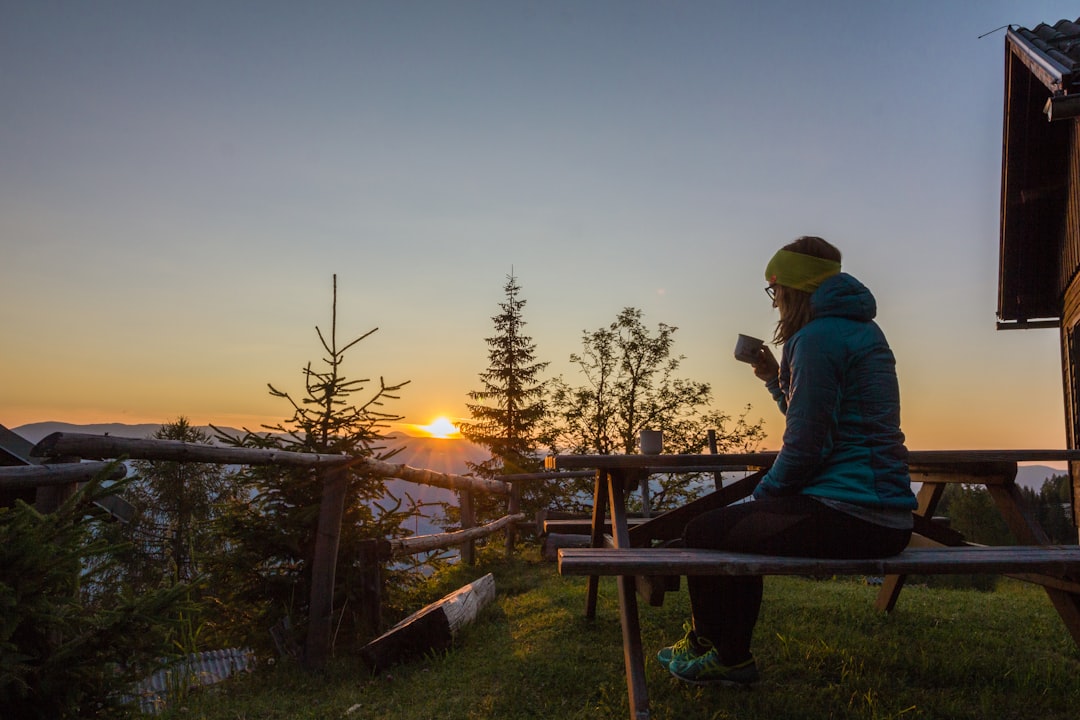
Camping inside the park runs in the neighborhood of $44 a night, which is some of the best-value sleeping in the National Park-adjacent world, and it puts you minutes from the viewing areas instead of an hour. Riders with horses have their own option at French Creek Horse Camp, with the same fee structure. We mapped the whole region out in our Black Hills and Badlands road trip guide, which doubles as a good framework if you want to build a longer loop out of the weekend — Mount Rushmore, Wind Cave, and the Badlands are all within an easy drive.
Give the Wildlife Loop a Morning of Its Own
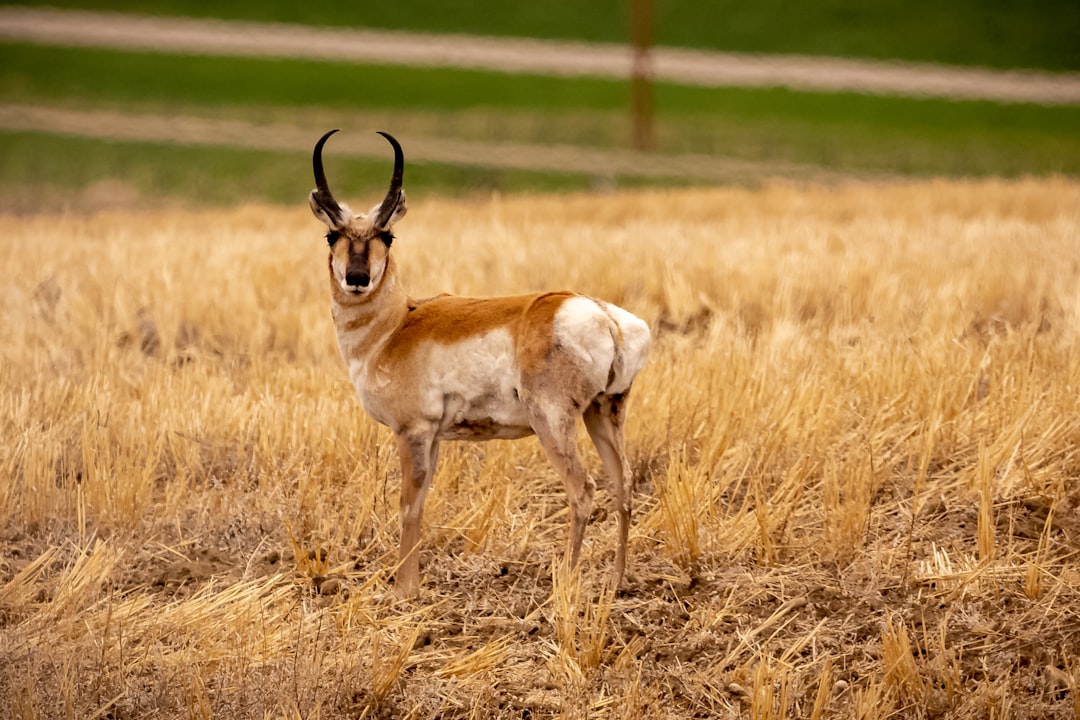
Do not treat the Wildlife Loop as your access road only. On any other morning of the year, that 18-mile arc of prairie and pine is the best free wildlife drive in the Midwest. The park’s pronghorn — the fastest land animal in North America — graze the open flats like they know they cannot be caught. The famously pushy begging burros work the pullouts. And because late September is elk rut in the hills, the dawn air carries bugling from the high meadows, the same soundtrack that makes Yellowstone in September such a draw — without the reservation system.
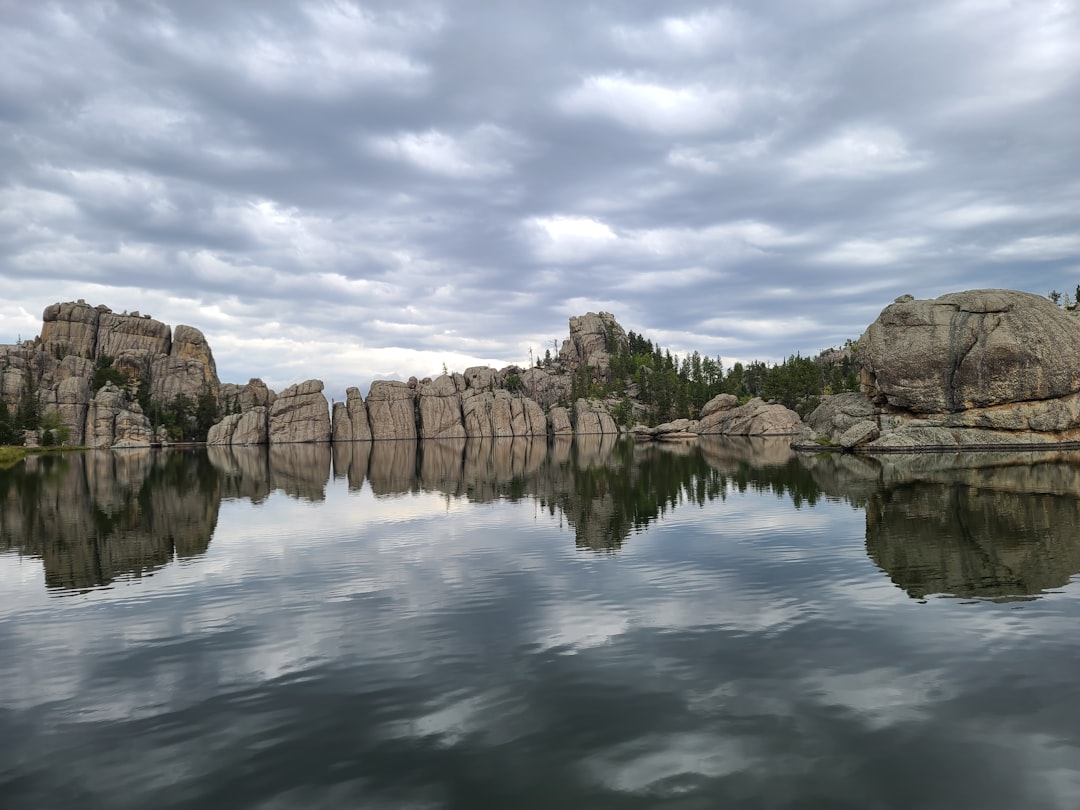
Pair the loop with the Needles Highway if your schedule allows — the granite spires, tunnels, and pigtail bridges of State Route 87 are fifteen minutes of driving and a lifetime of adjectives, and Sylvan Lake at the top is the prettiest puddle in the state. A solid dash phone mount matters more here than almost anywhere; the tunnels are one-lane and the curves demand both hands on the wheel.
One last practical note: a park entrance license is required and can be bought online ahead of time, which keeps the Thursday-night and Friday-dawn entry lines moving. It is valid for the whole stay, so the festival, the loop, and the Needles are all covered.
If Friday Does Not Work for You
The rider program is the long game — applications open early in the year, chosen riders hear by mid-June, and you need a fit, experienced horse to apply. If that is you, put a reminder on your calendar for this winter, because riding five miles at the edge of 1,300 bison is about as vivid as travel gets.
For everyone else, the playbook is simple. Pick a viewing side before Friday. Be parked by 7. Bring the chair, the glass, the layers, and the gaiter. Stay past noon, watch the crews work, eat the hamburger, and let the Arts Festival carry your Saturday. And when the front of that herd turns and the ground starts talking, put the phone down — some sounds deserve your whole attention.