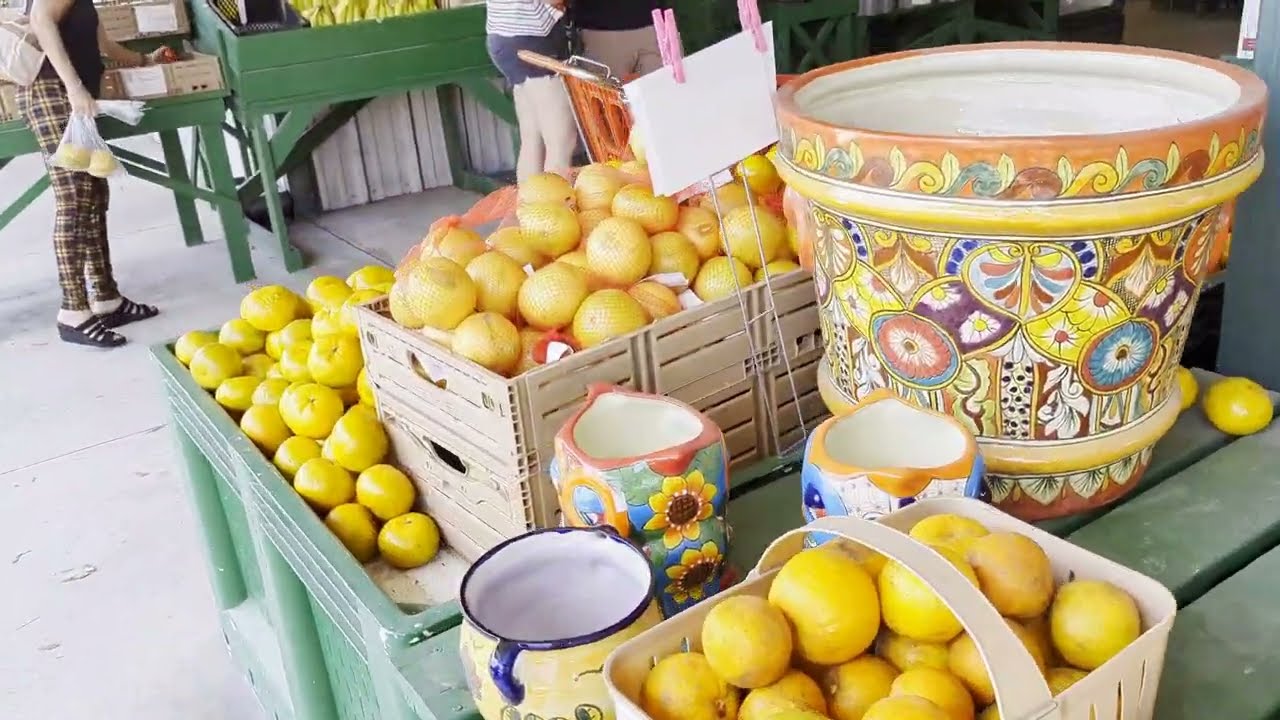
The turn off the highway comes faster than you expect. One minute you’re sandwiched between semi trucks on the corridor down Florida’s east coast, and the next you’re rolling through White City, just inland of Fort Pierce, where the roadside turns green and heavy and the air picks up something faintly sweet. Follow it far enough and you end up at a chain-link gate, a gravel lot filling with pickup trucks, and a stretch of open-air sheds that a family has been running for more than seventy years. This is farm country the way the brochures promise it and the interstates mostly skip it.
What surprises most first-time visitors isn’t the produce, though the produce is excellent. It’s the scale of the operation — a working farm market and a full tropical nursery sharing the same property, so your Saturday errand can end with a flat of strawberries in one hand and a seven-gallon mango tree in the other. Few road stops in Florida reward a detour quite this completely.
Where the Grapefruit Actually Grows
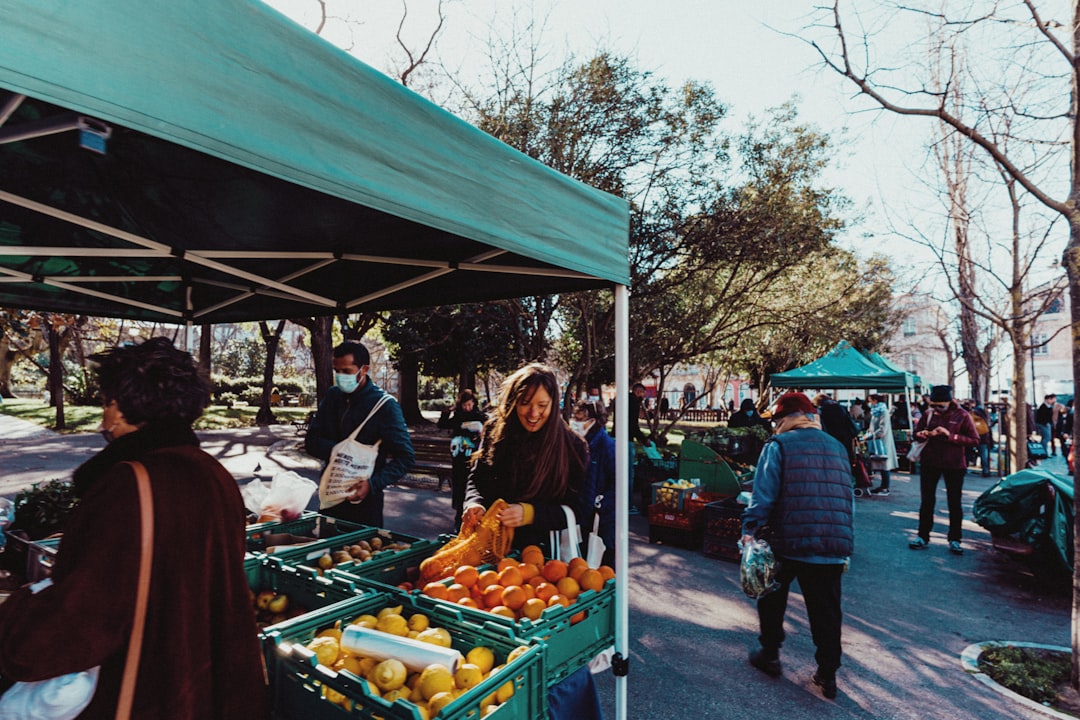
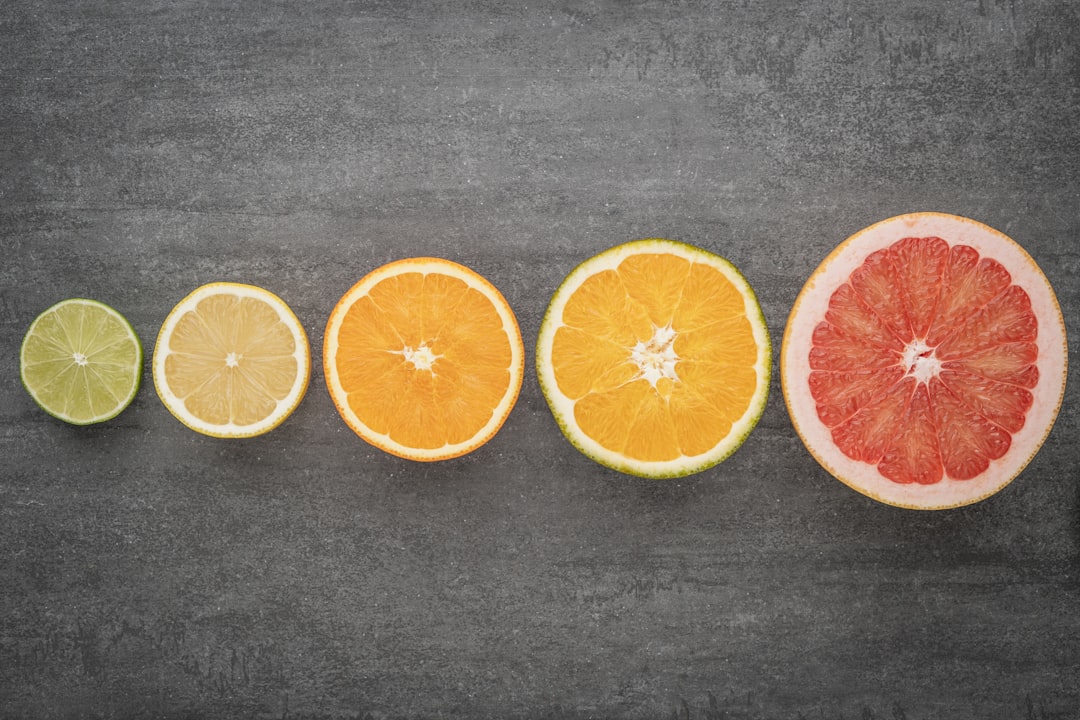
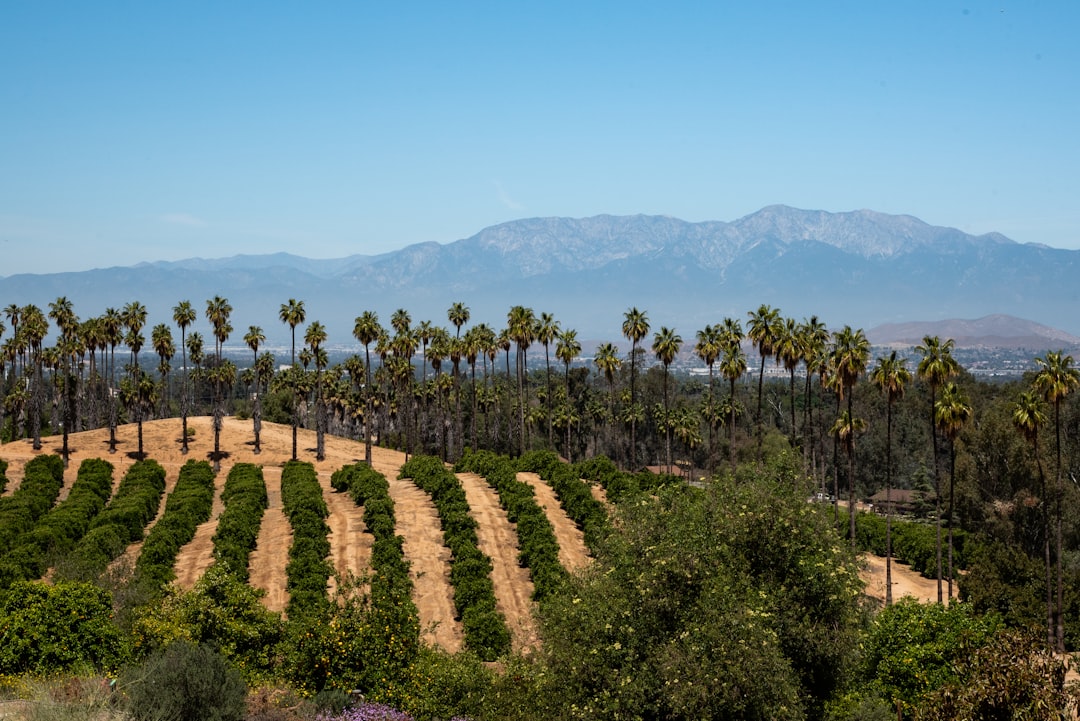
The stretch of coast from roughly Sebastian down to Stuart is the heart of the Indian River citrus district, one of the most famous fruit-growing regions in the country. The formula is odd but effective: sandy ridges a few miles from the Atlantic, summer humidity that would wilt a northerner, and a shallow water table that roots drink from all year. Grapefruit grown here developed a reputation for being thinner-skinned, sweeter, and heavier in the hand than fruit from almost anywhere else.
That reputation took a beating over the past two decades — hurricanes, development pressure, and citrus greening cut the groves back hard — which is exactly why the surviving farm stands matter now. Every flat sold at a place like this is a small act of continuity. If you want a taste of the region before you plan the drive, Indian River citrus shipped straight to your door is a reasonable preview, but the stand itself is the real thing.
Stand in the yard on a Saturday and you can see why the fruit earns its name. The trees start a few hundred feet from where you’re standing, and everything on the tables inside was picked within shouting distance of them. In an era when supermarket “local” can mean a six-hour truck ride, there is something quietly radical about fruit that traveled four hundred yards.
Seventy Years of Saturday Mornings
The Nelson family opened their market in the early 1950s, when this stretch of Old Dixie Highway was the main road and the groves ran to the horizon. Three generations later it still runs as an open-air stand — one of the last of the true old-style Florida markets — and Saturday morning is when it hums. The crowd is a genuine cross-section: retirees refillling their juice supply, restaurant buyers negotiating by the bushel, young families pushing wagons, snowbirds stocking up before the drive north.
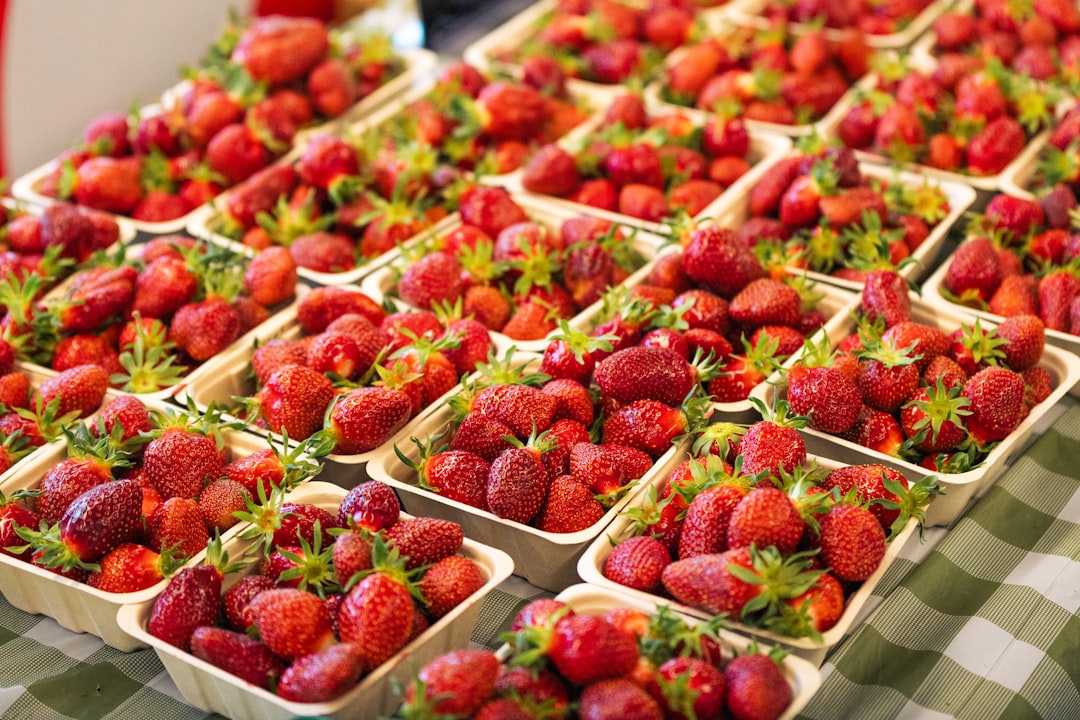
The pricing structure rewards commitment. Singles are for tourists; the real business happens in flats and bushels, sold close to wholesale, with prices that shift daily based on what came in that morning. In early spring the tables run heavy on grapefruit, sour oranges, and mandarins alongside out-of-region staples like apples and potatoes. Winter adds flats of strawberries. Late spring brings corn, peanuts, and carrots by the sack. Everything is labeled plainly, much of it non-GMO, with organic rows marked where they exist.
Beyond the raw produce, the sheds carry the region’s pantry: jars of local honey, Natalie’s juices pressed in Fort Pierce, jars of turmeric root dug that week (the answer to a question most people have never asked aloud — what turmeric looks like before it’s a powder), and tubs of smoked fish dip that locals buy by weight. Packing a few reusable produce bags saves you juggling loose fruit, and the dried tangerine wedges on the shelf near the register make a surprisingly good road snack for the drive back.
How to Shop It Without Losing Your Mind
The single best piece of advice for this market comes from the people who run it: you can’t really just browse, because there’s simply too much. Arrive with a plan. Know whether you’re here for a week of snacking fruit, a juice program, or a pantry restock, because the volume pricing tempts you toward decisions your refrigerator may not support. Saturday mid-morning is the busiest window; arriving within the first hour of opening buys you room to maneuver and first pick of the flats.
Veterans bring hardware. A folding steel garden cart with removable sides turns four flats and a bushel from an awkward juggling act into a one-trip haul, and it folds flat enough to live behind a truck seat for the rest of the trip. If your itinerary still has hours of driving in it, an insulated grocery tote keeps strawberries and fish dip from becoming a science experiment before you reach the hotel fridge.
Flats, Bushels, and the Trunk Arithmetic
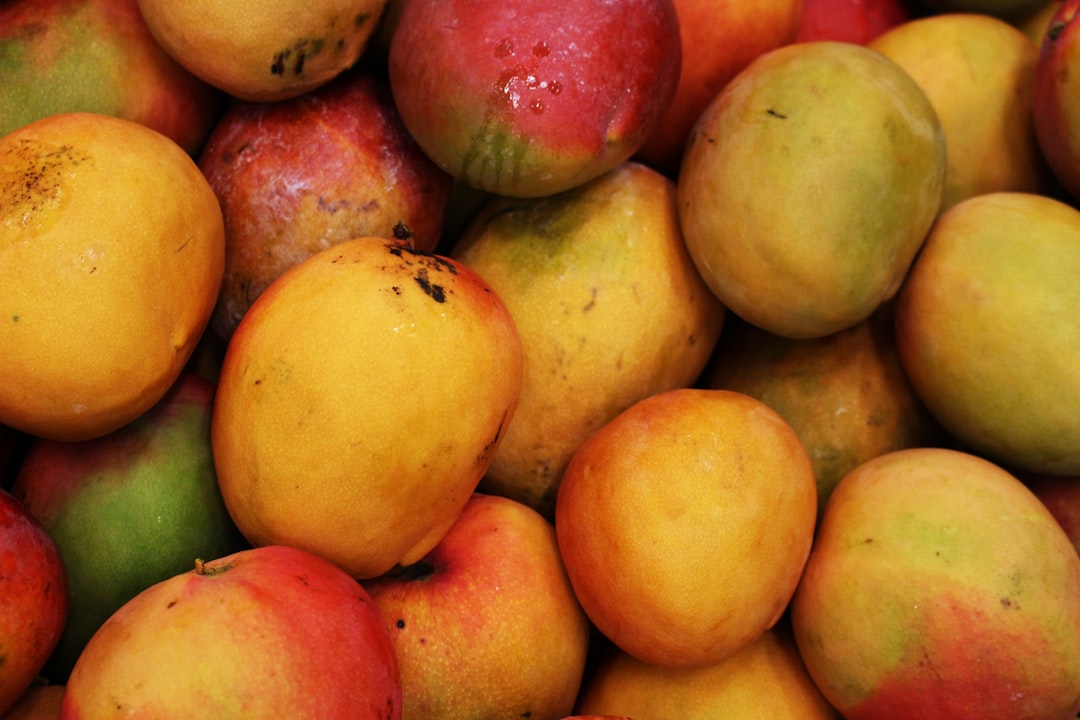
A flat of citrus is roughly a shopping bag and a half of fruit; a bushel is a small laundry basket. Two people can comfortably eat through a flat of mandarins in a week, which makes it the right unit for couples on a weeklong Florida loop. A bushel of grapefruit is juicing territory — the math belongs to RV kitchens, vacation rentals, and anyone with a hand press and ambition. The smart play for solo travelers: linger near the register until another small party shows up and split a bushel at the wholesale price. Locals do this without ever having met each other before. It’s practically a civic institution.
The Nursery Next Door: Mango Trees by the Gallon
Walk past the last produce shed and the property changes character. Rows of potted trees run back from the path — dozens of mango varieties with names like Coconut Cream, Valencia Pride, and Tommy Atkins, alongside grapefruit, pomelos, kumquats, key limes, avocados, olives, and bananas. Further in, the ornamentals take over: bromeliads, agave, Christmas palms, bamboo, hibiscus. For a northern gardener, walking these rows is a small act of envy management.
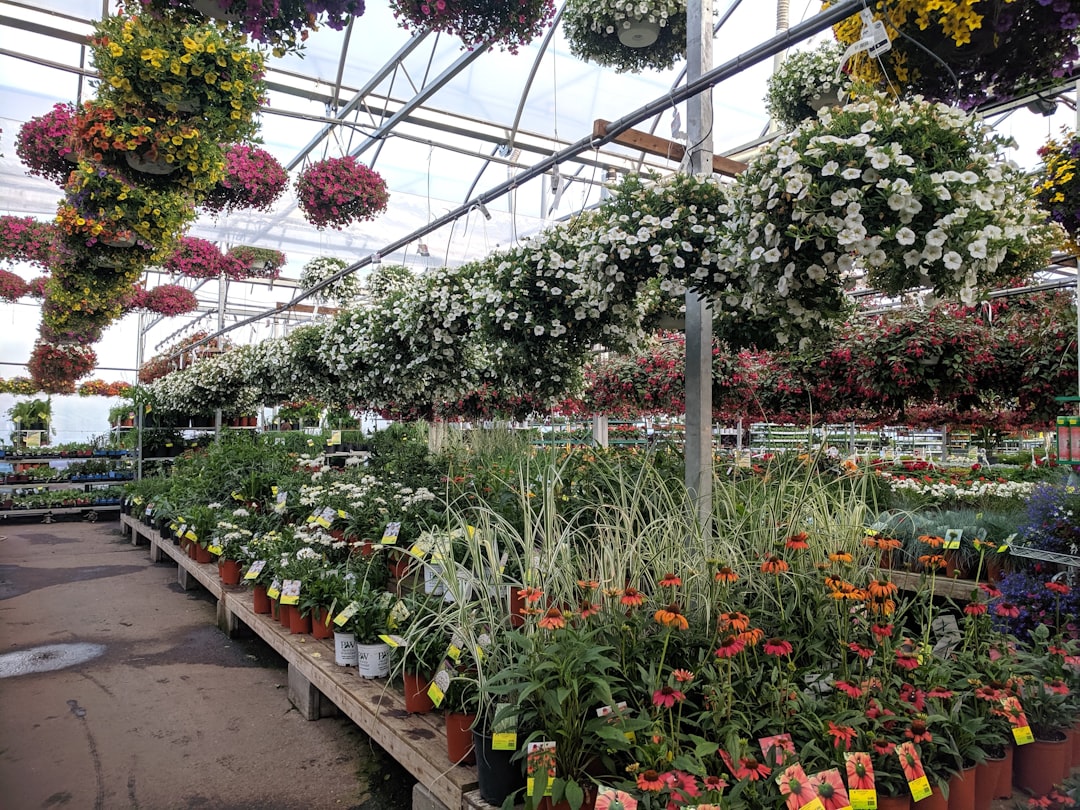
Everything is sized by pot, from three-gallon starters to twenty-five-gallon specimens that leave the farm in the bed of a pickup. A seven-gallon citrus tree runs about fifty dollars; the twenty-five-gallon flagship costs $175 and will change the geometry of your yard. Two rules govern the rows: don’t pick fruit off the display trees, and understand that the guarantee ends at the gate — the farm promises every plant leaves healthy and happy, and everything after that is between you and your watering can.
Snowbirds and recent Florida transplants come here specifically to start backyard groves, and the staff will happily talk varieties for as long as you can stand in the sun. Do your homework first: a book on building a Florida food forest or the standard guide to Florida fruit and vegetable gardening will save you from planting a Coconut Cream mango in a frost pocket, which is the kind of mistake that takes three years to become obvious.
Timing a Visit Around the Harvest Calendar
September is the calm before the sweetness. The first early-season oranges start hitting stands in October, tangerines and mandarins peak from November through Christmas, and grapefruit hits its stride between December and February — which happens to align perfectly with peak strawberry season and the nicest driving weather in the state. By March the citrus tail is long, but that’s when the nursery side takes over and the nursery crowd thickens ahead of the summer rains. Midsummer belongs to mangoes, avocados, and tropical fruit.
If you’re planning a winter trip around the fruit, a few kitchen accessories travel well. A handheld citrus juicer turns a vacation-rental bag of mandarins into breakfast, and a tin of tangerine zinger tea covers the evenings when the juice run finally ends.
If You Only Have One Saturday
Make it a winter one. December through February stacks peak grapefruit, strawberry flats, perfect weather, and manatee season within a half hour’s drive — the single best odds of catching the whole region at once. Arrive at opening, work the produce sheds while the flats are full, let the nursery rows eat your late morning, and be gone by early afternoon with the trunk riding low.
One Market, One Full Treasure Coast Day
The market is the anchor, but the region around it is the reason to stay. Head east toward the water and you can link together a genuinely great single day: the produce stop in the morning, lunch on the waterfront in Fort Pierce, and an afternoon drifting down the coast. The A1A detour between Fort Pierce and Vero Beach is the scenic spine of that afternoon, slow and bridge-studded and much better than the interstate you left behind.
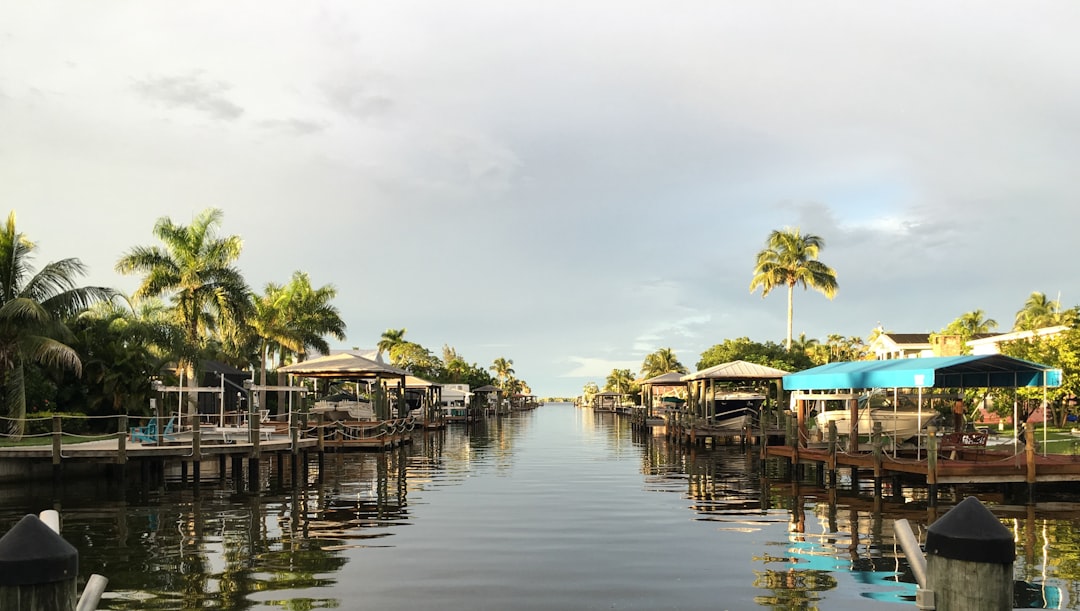
In winter, detour to the warm-water outflows where Florida’s wild manatees gather by the dozen — the same season your trunk is full of grapefruit, which makes for an unbeatable January pairing. Head south instead and the 17-mile drive past Jupiter Island’s oceanfront estates turns the route home into a sightseeing run. If you fall for the area the way people tend to, a bit of Fort Pierce memorabilia is the cheapest real estate commitment you’ll ever make.
And when winter comes and the trip is still four months out, the region has one more mercy available: you can have Florida fruit shipped while you wait. It isn’t the same as a Saturday morning in White City with a wagon and a plan — but it keeps the promise alive, and in Florida, the fruit always comes back around.
1 thought on “Flats, Bushels, and Mango Trees: Loading Up the Trunk in Florida Citrus Country”