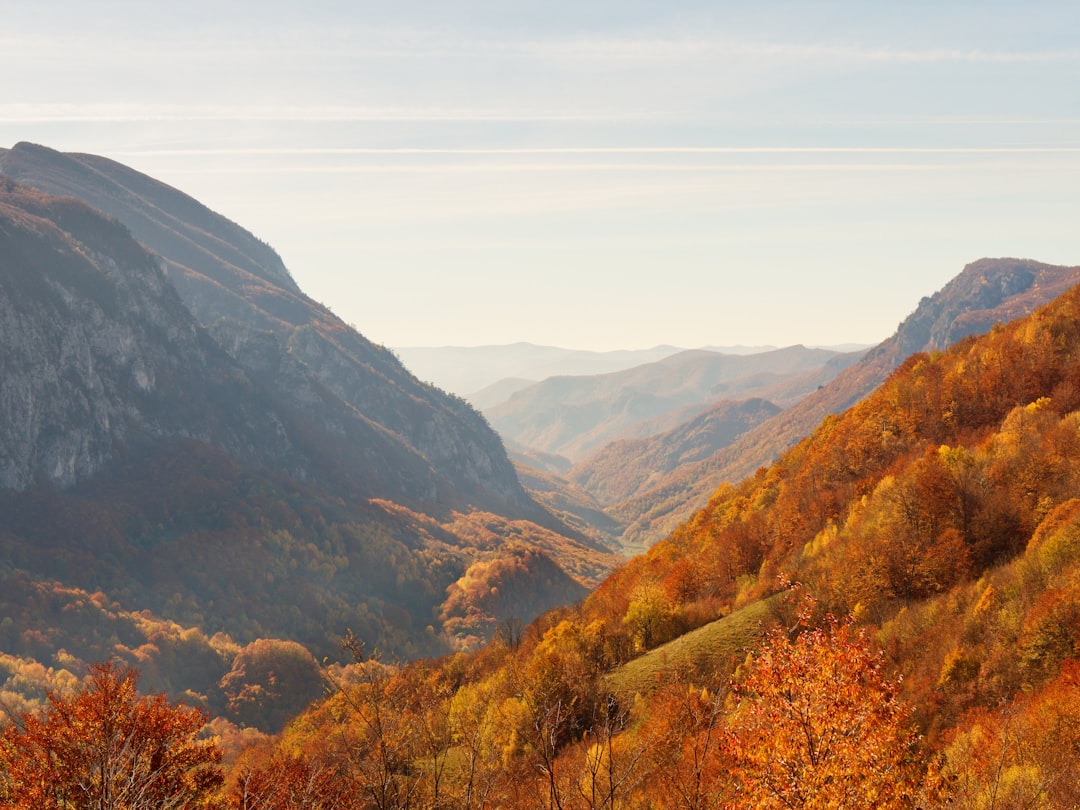
The thermometer at the trailhead read 38 degrees when I laced up last Saturday. By the time my crew and I reached the overlook two hours later, I’d stripped my shell, tied it around my waist, and was hiking in a long-sleeve top that still smelled like it came out of the drawer. Three weeks earlier, on nearly the same route, I’d done this dance in cotton and spent the descent damp, chilled, and quietly furious with myself. The difference between those two mornings wasn’t fitness or luck. It was wool.
September is the month that breaks casual hikers. You leave the car in air that bites, climb into sunshine that flatters, and then stop for a summit snack just long enough for your sweat to turn cold against your back. I’ve spent a few seasons and more than a few paychecks learning how to dress for that whiplash, and after this summer’s testing sessions with my gear team, I’ve landed on an answer that sounds almost too simple: merino wool, from the skin out.
The Fiber That Regulates Instead of Just Insulating
Let’s get the science out of the way, because understanding it changes how you shop. Merino fibers are finer than ordinary wool — roughly a third the diameter of the stuff your grandfather’s sweaters were made from — which means they bend against your skin instead of prickling it. More importantly, those fibers are hygroscopic: they absorb up to 30 percent of their weight in moisture vapor without feeling wet. While cotton holds your sweat against you like a cold rag and synthetics wick it but breed bacteria, merino moves it through the fiber structure itself and stays warm in the process.
That’s the theory. The practice showed up on a rain-soaked section of trail in the North Cascades this June, when one of my researchers got caught in a squall wearing a merino tee under a shell. Her base layer was damp. She was comfortable. I watched it happen and finally stopped being a skeptic.
The odor resistance is real too, and not in a marketing-speak way. Merino’s keratin structure is naturally antibacterial, which is why thru-hikers have been wearing the same wool shirt for four or five days between washes for years. In 2026 the trend went fully mainstream — trail reports this season show merino spreading from shirts into pants, hats, socks, and gloves, as gram-counting long-trail hikers realized one fiber could replace half their wardrobe.
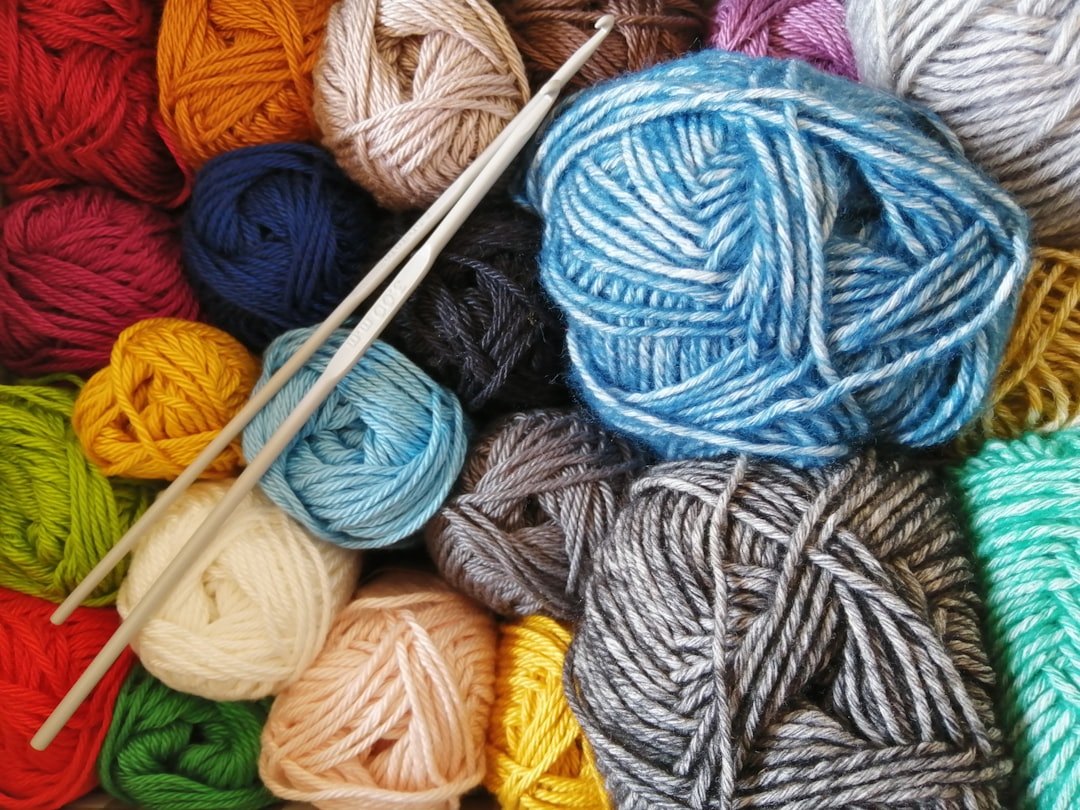
If you’re building a kit from zero, start with a versatile short-sleeve or lightweight crew. A 100 percent merino tee like the one I now pack for every trip runs warm on the climb, dry on the ridge, and presentable at the brewery afterward. It’s the single garment I’d rescue from a house fire, travel-wise.
Reading the Numbers: 150, 200, 250
Merino shopping comes down to one number: fabric weight, measured in grams per square meter. Lower is lighter and more breathable; higher is warmer and heavier. A 250-weight piece is roughly 67 percent heavier than its 150-weight sibling, and proportionally toastier.
Here’s the translation my team and I settled on after a summer of A/B testing on the same trails:
- 150 gsm — for temps above 60 degrees, humid climates, and high-output climbs where you want breathability over warmth.
- 200 gsm — the fall sweet spot. Made for that 40-to-60-degree band where September lives. This is what I wore on the 38-degree morning, and it carried me comfortably into afternoon sun.
- 250 gsm — for slow-paced days, photography stops, summit hangs, and anything below freezing where you’ll generate less heat than you lose.

For tops and bottoms together, a matched set is usually cheaper per piece than buying separate garments. The merino base layer set my crew tested this spring survived forty-plus days on trail between us without thinning at the seams, and the women’s version with midweight and heavyweight options got the same verdict from my most ruthless gear editor — she wore hers through a soggy week in the Wallowas and declared it “boringly reliable,” which is the highest compliment she pays anything.
The Sock Drawer Overhaul
If you do nothing else from this article, change your socks. Feet are the engine of a hike, and they’re also where cotton does its worst damage — blisters form in the damp, warm environment a cotton sock maintains all day. Merino socks manage moisture, resist odor across multi-day wear, and cushion in the right places.

After burning through a dozen pairs across the team, we landed on two workhorses. The Danish Endurance crew socks hit the sweet spot of cushioning and durability for full-day hikes with a pack, while the innotree three-pack has become my default for travel — three pairs covers a week when the wool is doing its odor-control job, and the price per pair is hard to argue with. My rule of thumb: however many socks you think you need for a trip, replace half the cotton ones with merino and thank yourself at mile eight.
Hats, Gloves, and the Neglected Neck
Extremities are where September mornings do their damage, and this is where the head-to-toe approach pays off fastest. You lose significant heat through your head, and fingers that go numb on a ridge can end a hike before its best section.
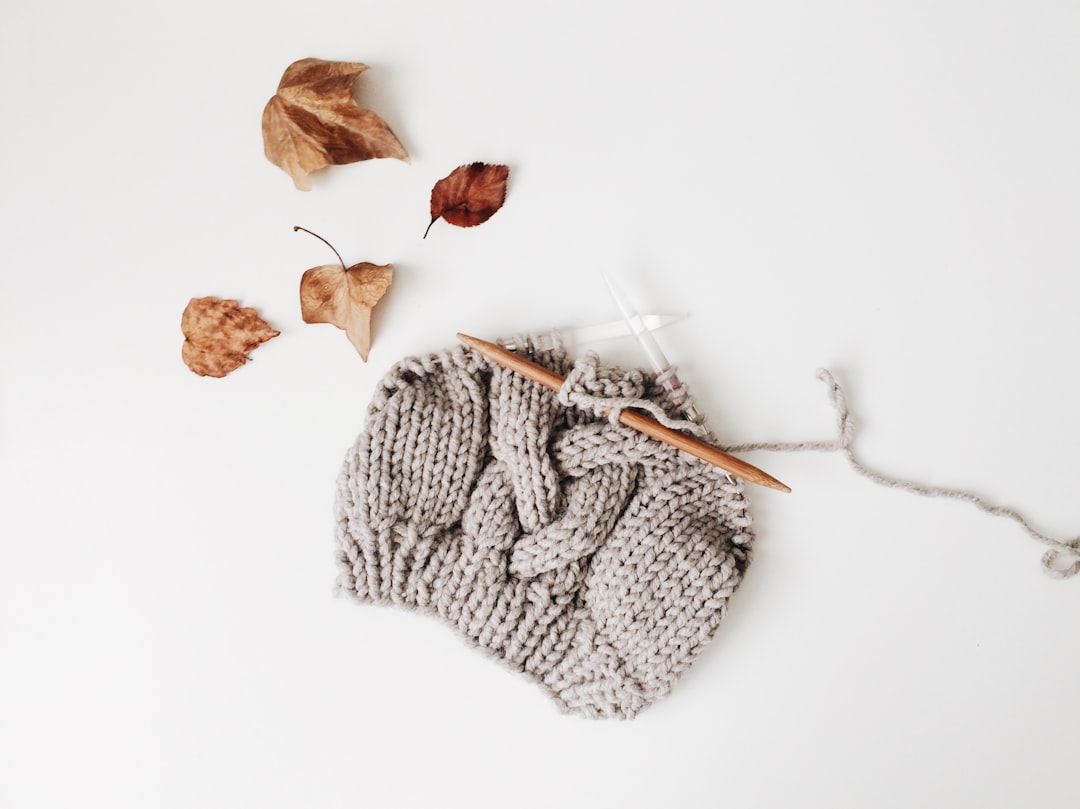
For the head, I carry two weights. A heavier Smartwool Merino Sport 250 beanie lives in my pack from October through April, while a lighter simple merino cuff beanie handles September — thin enough to stuff in a pocket, warm enough to take the edge off a dawn start. Cuffed watch-cap styles also pull down over the ears when the wind picks up on exposed ridgelines.
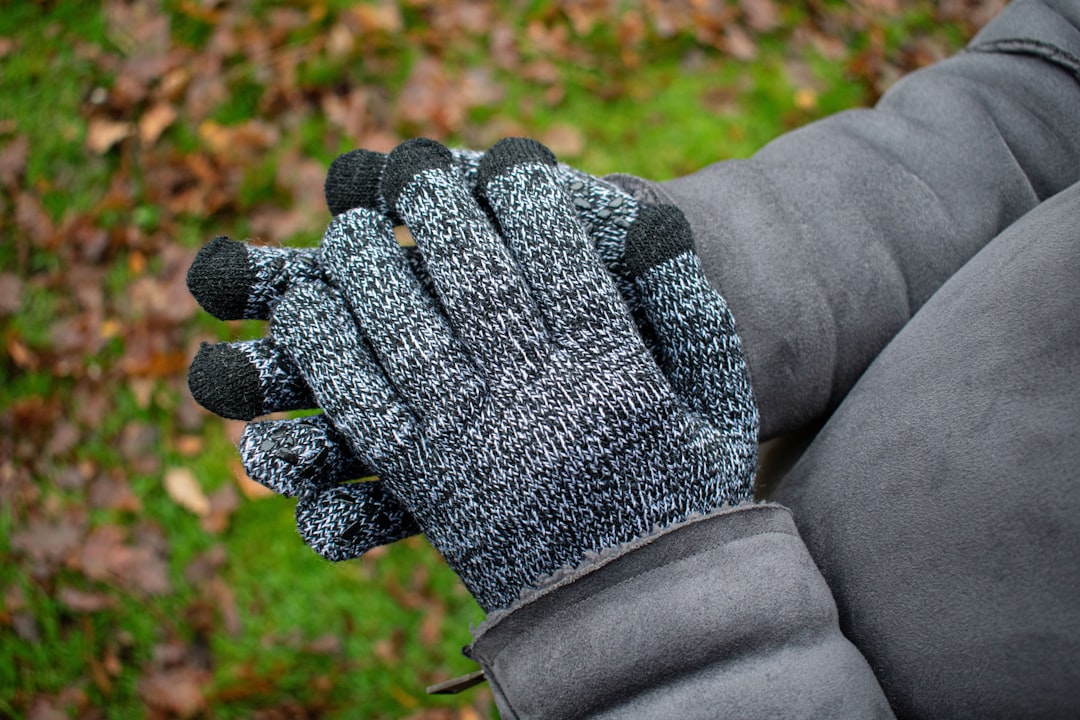
Hands are a two-layer problem in shoulder season. My base is a lightweight merino glove liner — enough for the hike up — with the Smartwool touchscreen gloves sliding over the top when the temperature drops or I’m shooting photos for more than a few minutes. The touchscreen compatibility matters more than you’d think; fumbling bare fingers out of a glove at 30 degrees to fire off one summit photo is exactly how cold fingers happen.
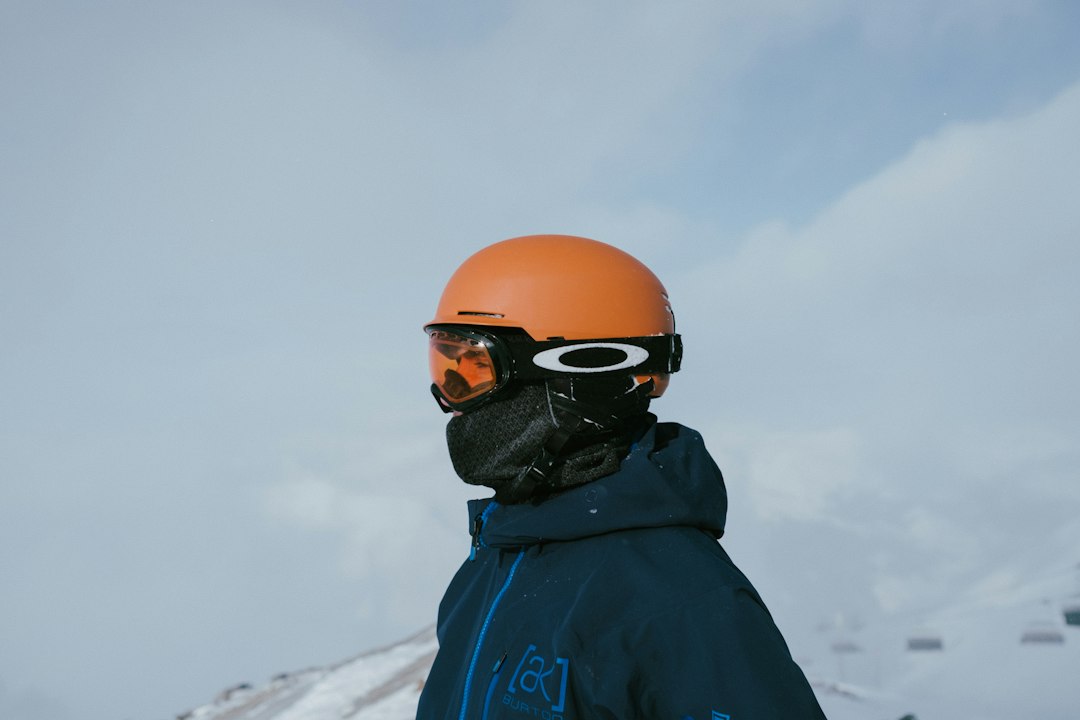
The neck is the most underrated real estate on your body. A Buff lightweight merino neck gaiter weighs almost nothing, scrunches into a fist-sized pocket, and does quadruple duty: neck warmer, emergency hat, dust screen on dry fall trails, and sun protection at elevation. Mine goes on before the pack does, every trip from September to June.
Blends, Pure Wool, and the Durability Question
Pick up any merino hangtag and you’ll face a second decision: 100 percent wool or a blend with a sliver of nylon or elastane. Purists insist on 100 percent, and there’s a case for it — nothing regulates like the real thing. But our test set told a more nuanced story. The blended pieces, usually 83 to 89 percent merino, showed noticeably less wear at high-friction points: heels of socks, cuffs of sleeves, the shoulders where pack straps ride. The 100 percent pieces felt marginally softer on day one but pilled faster under a loaded backpack.
My recommendation after a season of side-by-side use: go blended for anything that takes abuse — socks, glove liners, base layer bottoms — and pure merino for pieces that mostly sit against your skin without friction, like tees and neck gaiters. A two or three percent synthetic content doesn’t change the temperature regulation or the odor resistance in any way my team could detect on trail. What it changes is whether the garment looks fresh in its third season, and that’s the difference between a purchase and an investment.
How the Layers Stack
None of this works in isolation — merino’s job is to be the first floor of a building. Over the base layer goes your insulation, and the packable down jacket I wrote about last week has earned permanent first-string status there. A 200-weight merino base under a down jacket has kept me comfortable standing still at 20 degrees — and shed to just the base layer forty minutes into a climb. Add a shell for wind and rain, and you have a three-piece system that handles anything September through November can throw at it.
The whole kit also travels beautifully, which matters if your fall plans involve more than day hikes. Everything packs small, wears long between washes, and layers into itself. When I’m mapping out foliage-season trips like New England’s leaf-peeping trains or a scouting run at the Eastern Sierra’s two-week aspen window, the merino kit is the one constant — it handles the 6 a.m. departure and the 2 p.m. golden hour without a wardrobe change.
Washing, Storing, and the Cost-Per-Wear Math
Merino costs more than cotton, sometimes a lot more, and I won’t pretend otherwise. The honest case for it is arithmetic. A base layer you wear four days between washes, for six months a year, across multiple seasons, is not a $90 shirt — it’s a few cents per wear. My oldest merino pieces are entering their sixth fall. Cotton tees rarely survived their first season of trail duty.
Care is simpler than the reputation suggests. Cold water wash on gentle, ideally in a mesh bag, and then air dry — the dryer is where merino goes to shrink two sizes. Skip fabric softener, which coats the fibers and kills the wicking. Store it folded rather than hanging; wool shoulders will stretch under their own weight on a hanger. And if you get a month of storage moths finding your kit, cedar blocks in the drawer are cheap insurance.
The Season Ahead
There’s a stretch of trail above my house that I hike every September, mostly as a temperature gauge for my own curiosity. This year I did it in the full head-to-toe kit, and the numbers told the story: 39 degrees at the car in a 200-weight base, beanie, and gloves; shell off at the first switchback; gloves and beanie in the pockets by mile two; down jacket on for a twenty-minute summit break; everything reversed on the descent. No damp chill. No regret. Just a body that stayed in the comfortable band for three straight hours while the mountain did its seasonal swinging.
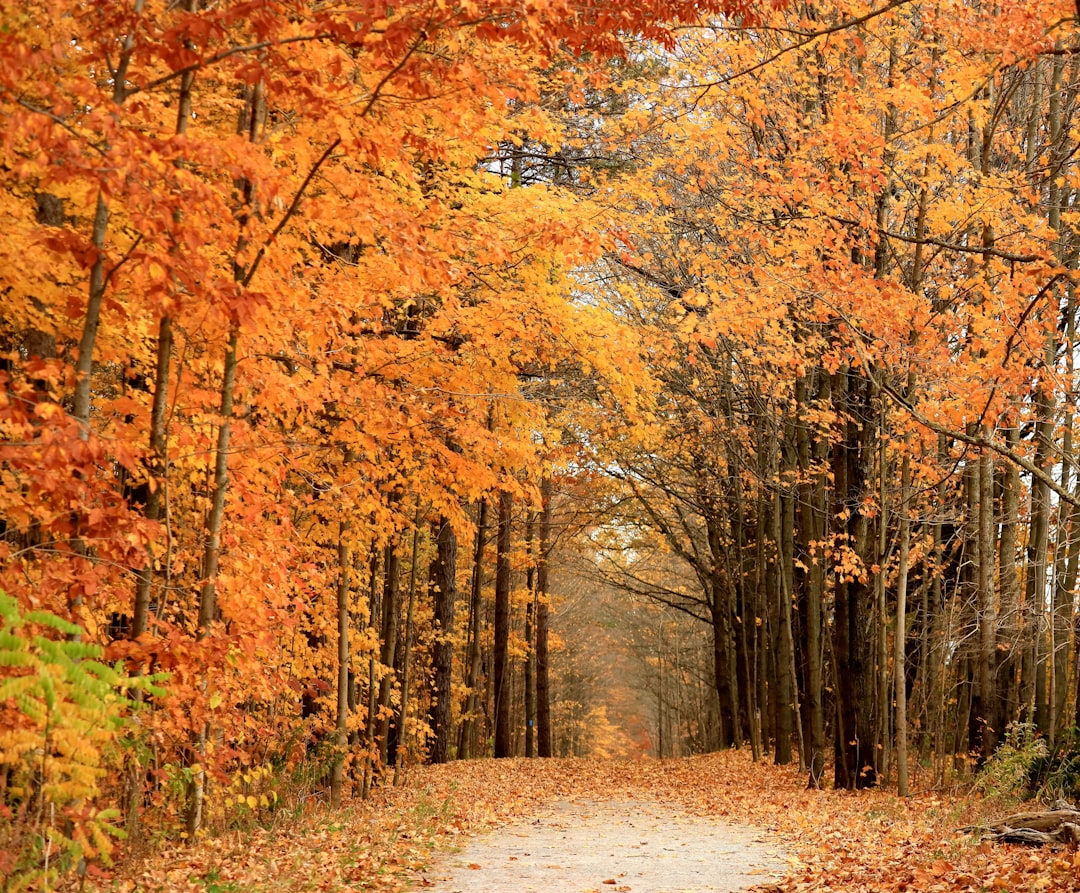
That’s the whole pitch, really. Fall’s best hiking — places like the Wallowas in late September, when the larches turn and the crowds are gone — happens precisely in the temperature zone cotton can’t handle. Dress for the swing, not the snapshot. The sheep figured this out millennia ago. All we had to do was follow them up the mountain.
1 thought on “The Sheep Had It Figured Out: My Head-to-Toe Merino Kit for Fall’s Mood Swings”