Every late September, my crew and I spread maps across the same scratched dining table and argue about October. This year the argument ended early. The vote was unanimous: Hocking Hills, the pocket of sandstone gorges an hour southeast of Columbus, Ohio, that somehow still flies under the radar of leaf-season travelers who assume New England holds the only worthwhile October in the country.
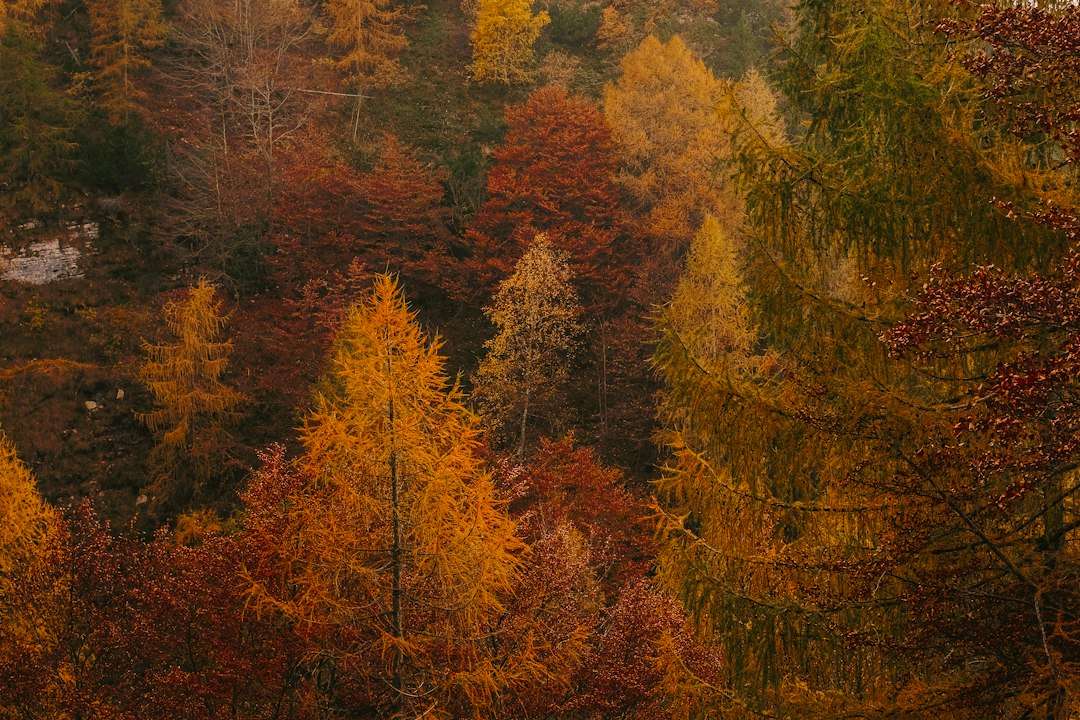
Here is the thing that makes this place different from every other fall destination we cover. Hocking Hills doesn’t peak once. The color clock runs in two directions at once — the high rims turn gold while the deep gorges are still green, and then the gorges catch fire and hold their color a full week and a half after the ridgelines have gone bare. Time it wrong and you’ll see one half of the show. Time it right and you get two peak seasons in a single month.
Why This Park Peaks Twice
The answer is written in rock. Black Hand sandstone, laid down some 330 million years ago, tilts across this corner of Ohio like a badly set table. Where meltwater and creeks carved down through it, you get the gorges — Old Man’s Cave, Cedar Falls, Conkle’s Hollow — cool, shaded, and damp enough that frost arrives late and the maples dawdle. Up on the rim, the same trees stand in full sun and thin soil, and they shut down for winter on an earlier schedule.
Our photographers have now logged three Octobers here, and the pattern has held each year. The rims and ridgelines hit peak color somewhere around October 10 to 15. The gorge floors, protected and humid, hold green until mid-month and then burn crimson and orange from roughly October 15 right through the 25th. It’s the opposite of the mountain logic we documented chasing the Porcupine Mountains’ single explosive peak week on Lake Superior, where everything goes at once. In Hocking Hills, patience is rewarded with an encore.
Old Man’s Cave Deserves Your Alarm Clock
Start with the namesake, but start it early. Old Man’s Cave is a half-mile gorge of stepped sandstone, footbridges, and splash pools along Old Man’s Creek, named for a nineteenth-century hermit who lived and died in it. By mid-October weekend standards it is the single most visited trail in the region — the upper lot typically fills before 10 a.m., and the line of cars backing up onto the county road is its own attraction.
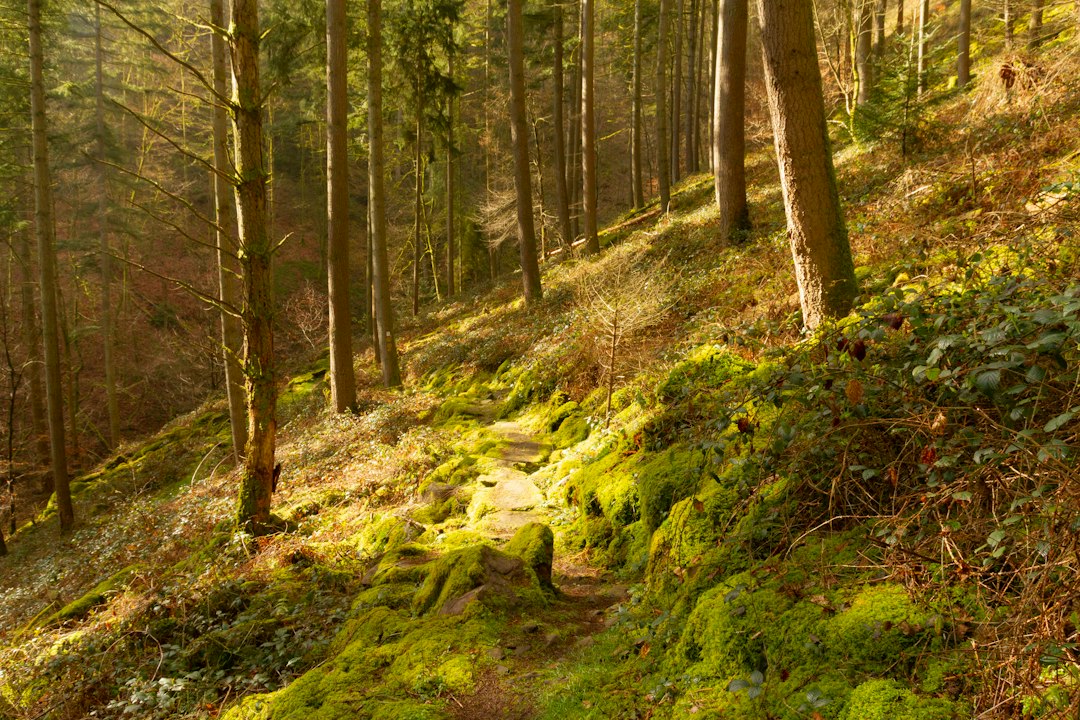
The fix is the same one that saved our mornings on the Kancamagus Highway at dawn: arrive before the sun clears the rim. We were walking down the stone steps at 7:40 with the gorge to ourselves, mist still lifting off the creek, and the only sound was water. A good dimmable headlamp like the Black Diamond Spot 400 earns its spot in your pack for that first ten minutes of dark trail — and again on the walk out if you linger past sunset. By 9:15 we had the full gorge loop done and were drinking coffee while the first wave of the crowd was still hunting for parking.
Cedar Falls: The Half-Mile That Pays Off All Morning
A couple of miles down the Grandma Gatewood Trail — the six-mile spine that links the park’s three flagship hollows — Cedar Falls drops a fifty-foot curtain of water into a bowl of hemlock. Early settlers mistook those hemlocks for cedars, and the wrong name stuck, which tells you something about how long people have been getting things slightly wrong in this park and loving it anyway.
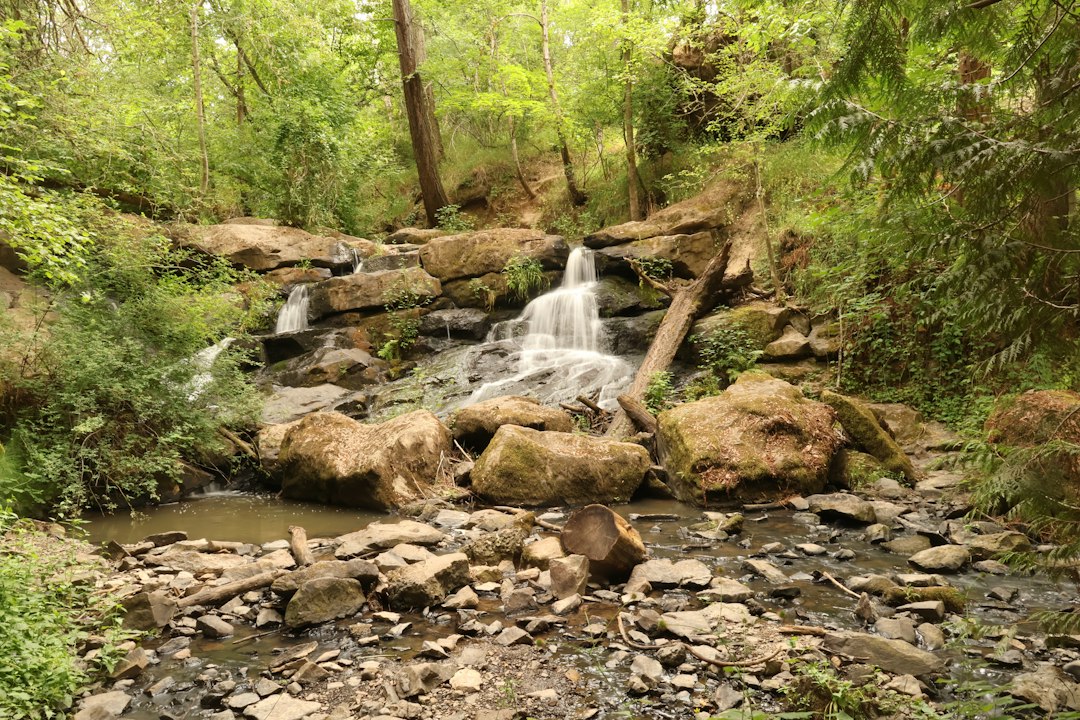
In October the bowl around the falls is one of the most reliable color scenes in the state, because the gorge walls reflect the maples down onto the water. The trail down from the parking area is short but steep in spots, and a set of aluminum trekking poles turned my knees’ least favorite descent into a non-event — worth it if you’re linking all three hollows in a day. Our rule of thumb: Old Man’s Cave at first light, Cedar Falls by mid-morning before its lot turns over full, Ash Cave whenever the day hands you a problem.
Ash Cave Works When the Weather Won’t
Because it will rain on you eventually. October in southeast Ohio throws forty-degree mornings and warm drizzle at the same forest, and when it does, Ash Cave is your answer. A paved, stroller-friendly quarter-mile leads back to the largest recess cave in Ohio — a seven-hundred-foot horseshoe of overhanging sandstone big enough that a light rain never reaches the back wall.
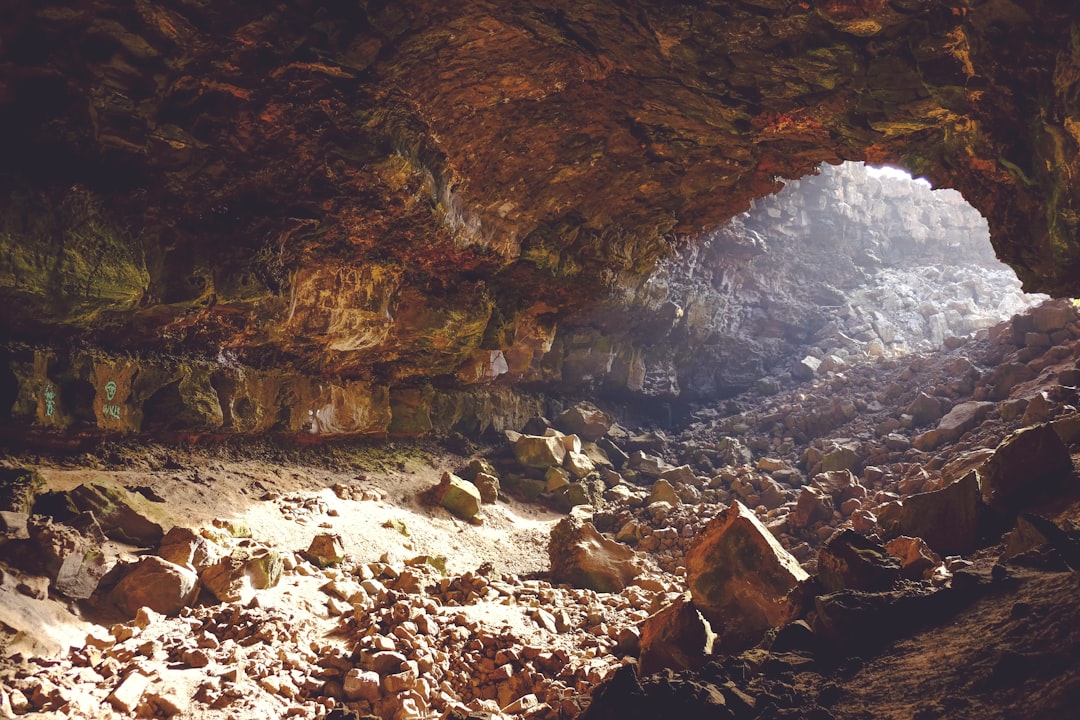
Stand under it and look up at the streaks of iron staining the cliff face, with a seasonal waterfall threading off the lip when the water table is up. We got rained on twice last trip and honestly, the cave in a drizzle — water coming off the rim, gold leaves floating down into the shallows — was the single best photograph one of my shooters brought home. Keep a packable waterproof shell in the daypack anyway; gorge trails stay slick for hours after rain stops.
Conkle’s Hollow: Take the Rim, Skip the Squeeze
Conkle’s Hollow State Nature Preserve sits a few miles east of the main park corridor, and it’s where the two-clock trick pays off first. The gorge floor trail is an easy, accessible mile through ferns and cliff walls. But the rim trail above it — two and a half rugged miles along the top of two-hundred-foot cliffs — is where you want to be in that October 10 to 15 window, when the canopy below you peaks a full week ahead of the gorge floors.
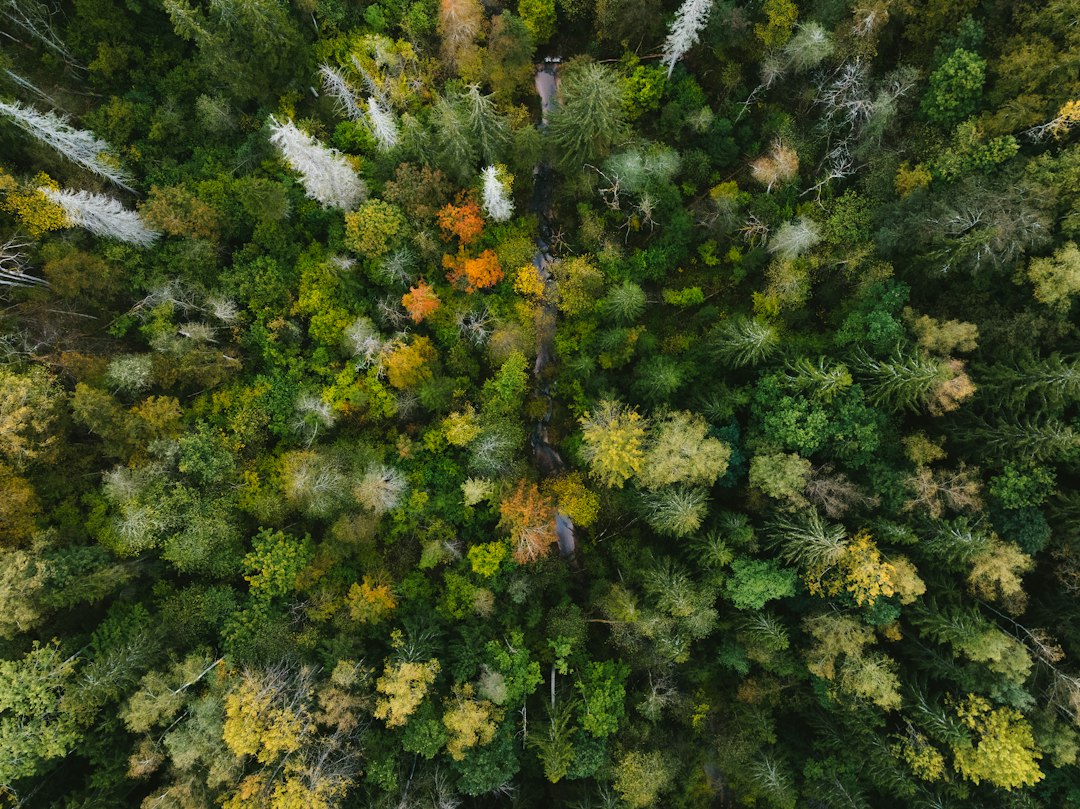
You’ll look straight down into a bowl of color that the crowds at Old Man’s Cave can’t see because they’re standing inside it. The rim has no guardrails to speak of and serious drop-offs, so this is a look-don’t-lean walk; keep kids and dogs on the gorge floor version. Bring the compact binoculars — we picked out turkey flocks and a pair of pileated woodpeckers working a dead snag across the hollow, and on a clear day you can read the weather coming across the whole valley.
The North End: Rock House and Cantwell Cliffs Without the Buses
Two more hollows sit on the quiet northern side of the region, and they see a fraction of the traffic. Rock House is the only true cave in the park — a tunnel-like chamber carved into a cliff midway up a gorge wall, with window-like openings that spill light across the floor. It’s a short half-mile loop, half geological curiosity, half natural photography studio once the afternoon sun angles in.
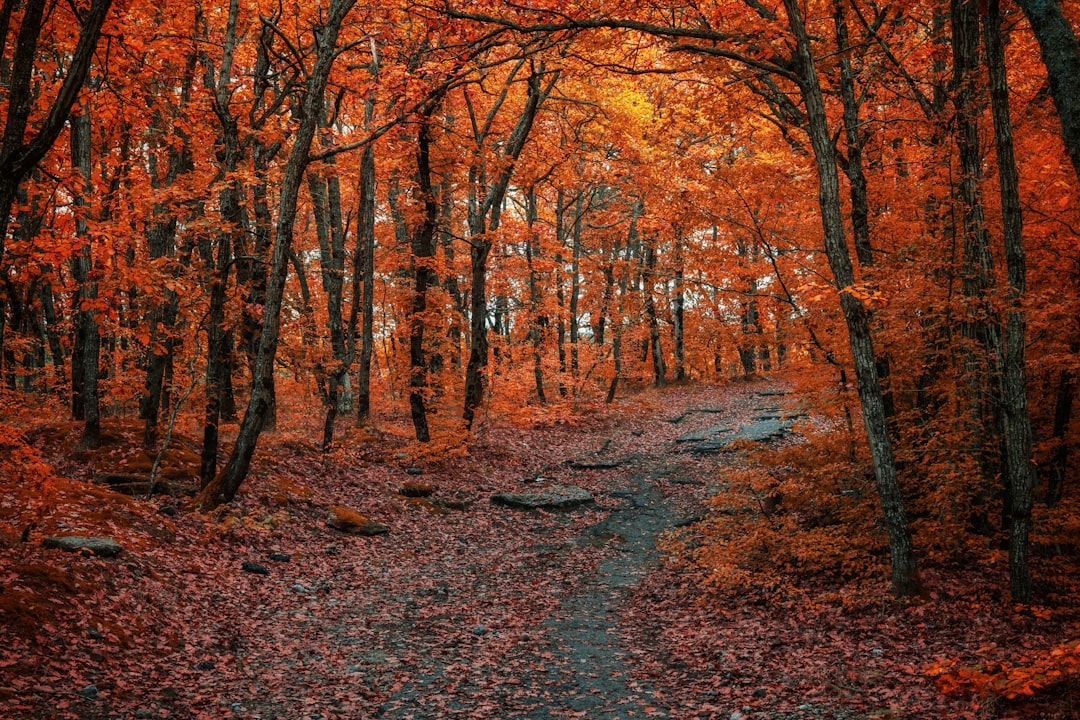
Cantwell Cliffs, farther north still, is the locals’ favorite for a reason: a long staircase, a narrow crevice passageway locals call Fat Woman’s Squeeze, and cliff-top lookouts that in mid-October you’ll often share with a handful of people rather than a parking lot’s worth. If the forecast for the main corridor is wall-to-wall sunshine and every cabin guest in the county is heading for Old Man’s Cave, flip your plan and spend that day north. We did exactly that on a Saturday last season and timed our longest trail gaps without a single photo-bomber.
Cabin Country Realities
Now the part nobody wants to hear: lodging. The Hocking region bills itself as the cabin capital of the Midwest, and the inventory really is absurd — hundreds of rentals tucked into hollows and ridgelines between Logan and Rockbridge. Every one of them that sleeps two, has a hot tub, and faces trees is booked solid for October weekends by mid-September. If you’re reading this with Columbus-day weekend on your calendar, midweek is your play: Monday through Thursday nights open up, prices soften, and the trails go quiet enough to hear woodpeckers three hollows over.
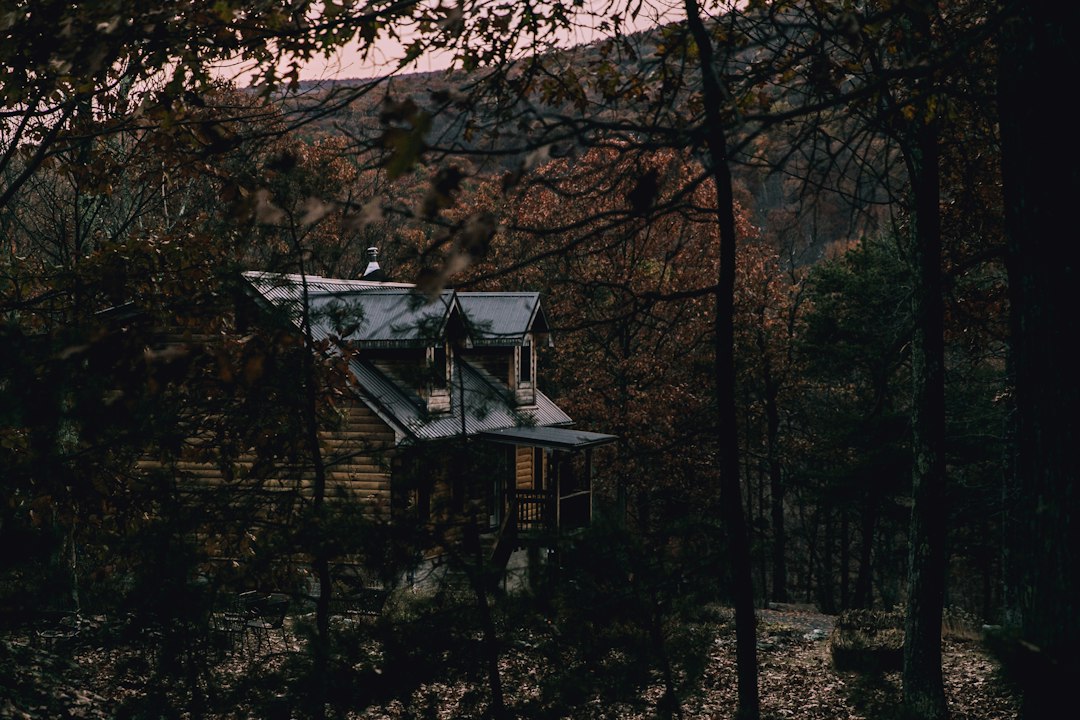
The cabin evenings are half the trip. Build the fire, pull on cushioned merino hiking socks, and break out something from the jerky stash we now buy by the variety pack — camp stores in Logan will keep you supplied, but their hours shrink after Labor Day, so arrive stocked. And if you’re building a bigger Midwest loop, the drive up through Michigan pairs well with a stop like the cheese-country detour through Pinconning we mapped last week.
What My Pack Carried (and What Yours Should)
Gorge trails are stair-masters with leaf litter on them, and they trash bad footwear. My third pair of Merrell Moab hiking shoes is still the answer for wet sandstone — grippy, broken-in out of the box, and forgiving on the long link-up between hollows. Everything rides in a low-profile daypack big enough for shells and snacks without swaying on narrow rim trail.
Water matters more here than people expect — the gorge microclimate hides how much you sweat climbing out. A wide-mouth insulated bottle keeps the morning’s coffee hot at the rim and the afternoon’s water cold in the sun. And because the hollows sit miles from the nearest anything, the smallest item on this list matters most: a pocket first-aid kit, for the day a slick root or a misplaced ankle ends someone’s trip early. Mine has been opened twice in three years, and both times it was the most valuable thing anyone in the group was carrying.
The Two Windows That Matter
So here’s the whole plan compressed. October 8 to 15: hike high. Conkle’s Hollow rim, Cantwell Cliffs, Rock House, any ridgetop trail — that’s when the rims peak and the crowds haven’t arrived at full strength. October 15 to 25: drop into the gorges. Old Man’s Cave, Cedar Falls, and Ash Cave hit their stride as the rims fade, and the waterfalls pick up October’s steadier rains.
Ohio’s state park system charges no admission, which removes the last excuse. Watch the state’s weekly fall color reports the way we do, go midweek if you possibly can, and if the timing gods hand you a Saturday in peak gorge season anyway — start before sunrise, finish at John Glenn Astronomy Park down the road, where the same ridgelines that gave you color all day hand you a dark sky full of stars at night. Or trade the steering wheel for a rail car and let someone else do the chasing: the fall foliage trains running through neighboring states cover similar country without a single parking decision.
Two peaks, one month, six hollows. That’s the pitch that won the argument at our table. Pack for forty at dawn and seventy by two, and let the sandstone do the rest.