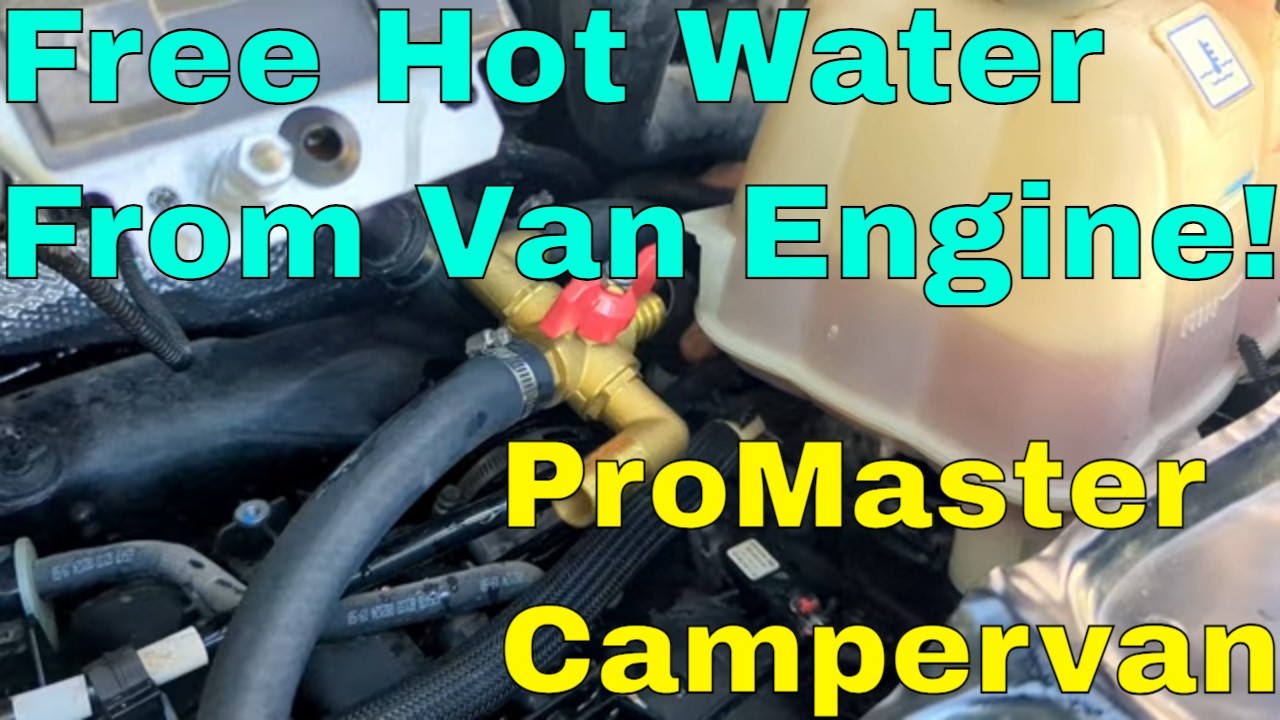
There is a particular kind of dread that arrives around 6 p.m. at a boondocking spot: you are filthy, the sun is dropping, and the only water in the van is exactly as cold as the mountain air outside. For my first two years of van life I solved this the way most people do — quickly, miserably, and with a lot of yelping. Then I spent a weekend running two coolant lines from my engine to a six-gallon tank under the kitchen galley, and the problem quietly disappeared. Now the drive itself makes the hot water. Every mile of highway, every winding climb toward a trailhead, every grocery run into town is time the engine spends heating my next shower.
The Luxury Almost Every Van Build Gives Up First
Hot water is usually the first thing cut from a van build budget, and I understand why. A propane tankless heater means another fuel system running inside a small metal box. An electric kettle or tank drains the batteries you spent thousands of dollars building. Even the humble solar shower bag — which I still keep as a backup — depends on sunlight, ambient temperature, and a patience I do not have after a dusty hike. In practice, most van lifers end up on a rotating circuit of baby wipes, gym day passes, and campground showers that cost eight dollars and run lukewarm at best.
Run the numbers on the alternatives sometime. A campground shower runs five to ten dollars a visit; a gym day pass, when you can find one near where you actually camp, runs twenty and comes with a forty-minute round trip. Over a month of travel, that is real money spent entirely on standing somewhere warm. The tank-and-coolant approach flips the math: fuel you were already burning heats water as a free byproduct, and the only ongoing cost is a few minutes of winterizing each fall.
When I originally designed my water system, I made the same compromise. The plan covered tank placement, a pump, filtration, and winterizing, but hot water got postponed to “someday.” You can read how that baseline system came together in my campervan water system design writeup — the short version is that everything downstream of the pump was built to be upgraded later, which turned out to matter enormously.

The Marine Trick Boaters Figured Out Decades Ago
The answer to van hot water has been sitting in boat catalogs for fifty years. Sailors have never wanted to run a generator just to warm shower water, so marine suppliers build tanks with a heat exchanger coil wrapped around the inside. Engine coolant — the same fluid keeping your motor from melting — circulates through that coil on its way back to the radiator loop. Heat moves from coolant to fresh water, and by the time you drop anchor, or in my case pull into a campsite, the tank is steaming.
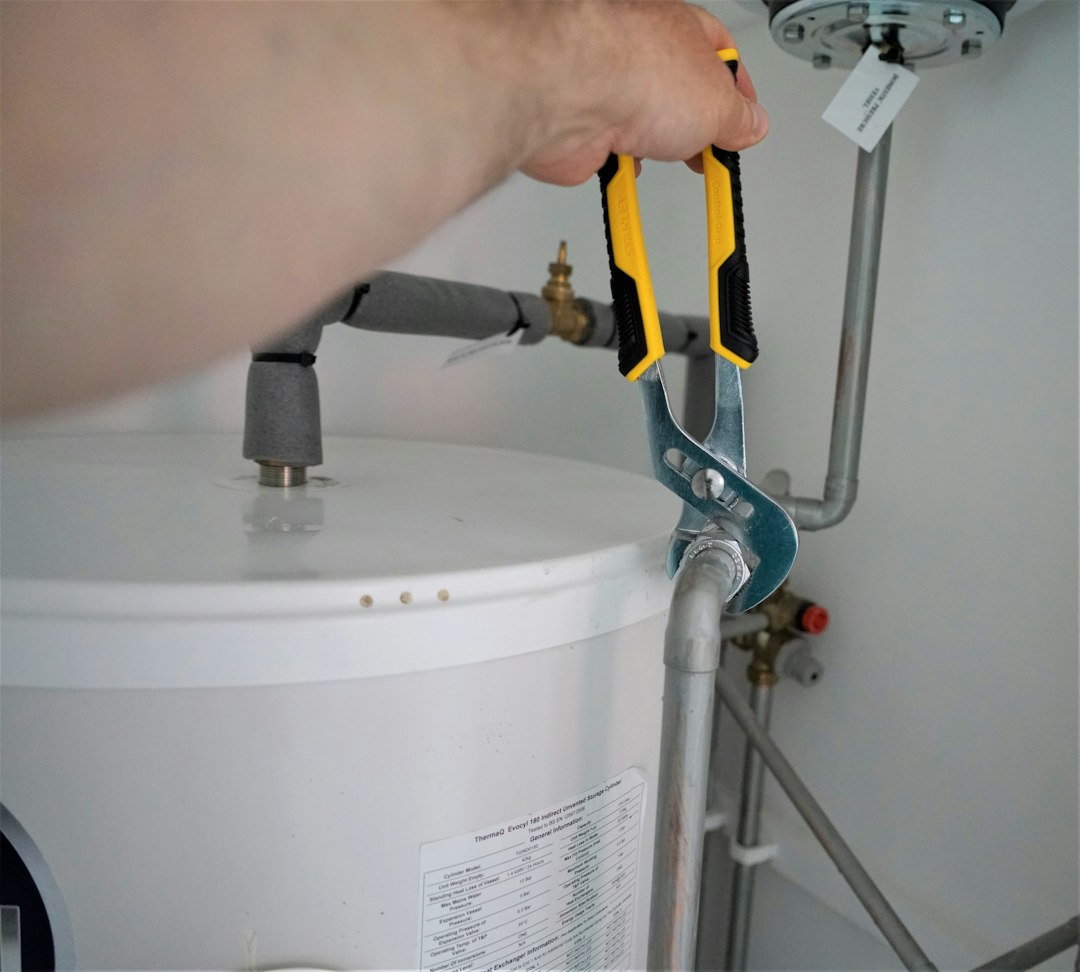
These tanks usually hold four to six gallons, which sounds small until you realize a low-flow shower head uses barely half a gallon a minute. Six gallons is a real shower — dishes included. Most marine units also carry a 120-volt shore power heating element as a backup, so on the rare occasion you are plugged into electricity, the engine does not have to do any work at all. I went with a Kuuma marine water heater, the same style boaters have trusted through decades of saltwater abuse, and mounted it in a dead-space cavity beside the galley where nothing else fit anyway.
Tapping Into the Coolant Loop Without Regretting It
The intimidating part is not the tank — it is the moment you cut into your van’s factory coolant hose. Take a breath first, because a little planning makes this almost boring. The tap-in point goes near the coolant reservoir, where hose access is easy and flow is predictable. From there, everything runs through a diverter valve. I used a four-way brass valve so I can choose, with a single lever, whether coolant loops only through the engine bay or detours back to the water heater.
That valve matters more than it looks. On a frigid morning you want every bit of engine heat going to the dashboard and the cabin, not into a tank of cold water. Flip the lever once the engine is warm, and the heater tank becomes a second radiator that happens to be full of tomorrow’s shower. It also gives you a clean shutoff for maintenance, so a leaking tank can never strand you.
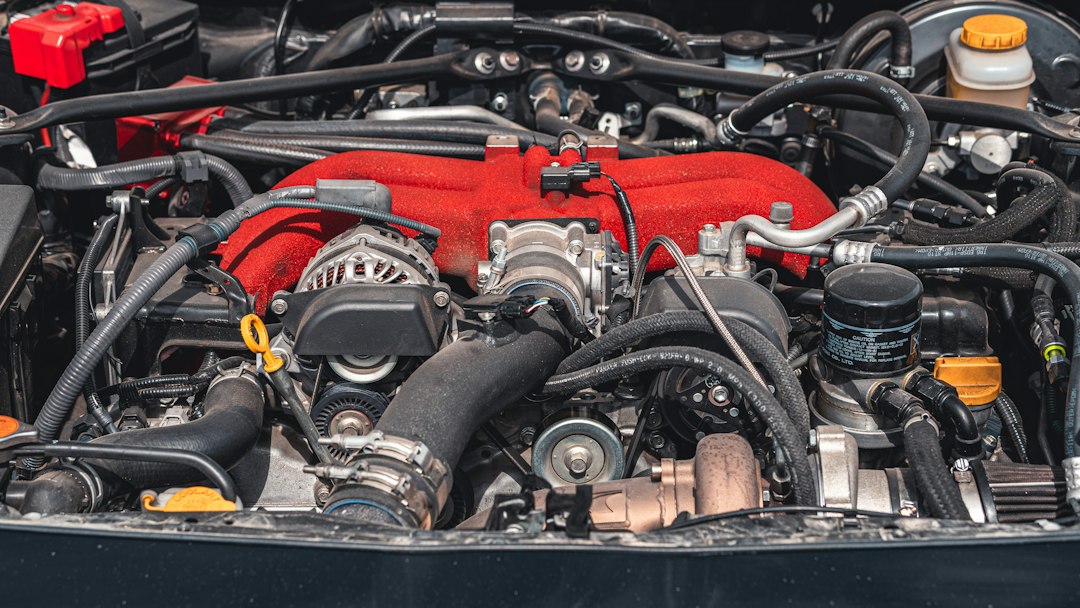
This is also the stage where watching someone else’s mistakes pays for itself. The full install — reservoir tap, valve, cutting the factory hose, preloading the loop, and the troubleshooting session that followed — is captured start to finish in this walkthrough:
Routing Lines Under the Van Without Cooking Them
Getting coolant from the engine bay to a tank mounted mid-ship means running two hoses along the underbody, and the underbody of a van is a hostile place. The exhaust and catalytic converter run hundreds of degrees hotter than any hose enjoys. My route dropped the lines from the engine bay, swept them outboard away from the exhaust, then ran them forward alongside the fuel tank where they are clipped to existing frame points and shielded from road debris.
Two details saved this part of the project. First, an aluminum heat shield sleeve over any hose that passes within a foot of exhaust components — cheap insurance against a softened, bulging line two states from home. Second, buying proper marine-grade coolant hose rather than generic heater hose, with formed elbows at the tight bends so the hose never kinks flat at exactly the moment it matters. Every connection got a stainless clamp from a full hose clamp kit, because the three clamps you already own are never the three sizes you need.
Filling, Bleeding, and the First Test Run
Here is where the project humbled me, and where I will try to save you an afternoon. Coolant loops despise air. Before connecting the final hose, I preloaded the entire new run with properly mixed coolant — the right OAT-spec coolant for a ProMaster cut with distilled water — so the system would not have to burp a foot of air on its own. Even then, the first engine start produced a suspense film: the supply line warmed immediately, the return line stayed stubbornly cold, and the dash temperature gauge dropped toward cold while the loop sorted itself out.
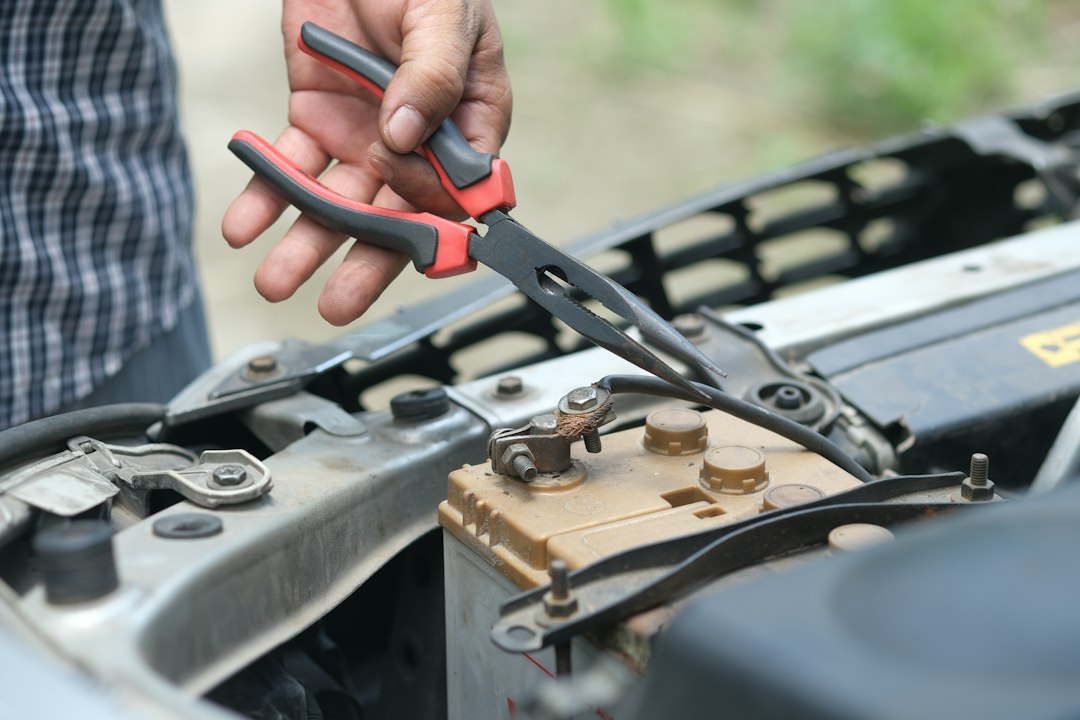
The fix was patience plus the bleeder valve. Cracking it open released the trapped pocket, the return line finally came up to temperature, and the dash gauge recovered once real flow returned. Two other lessons from that afternoon: the one-time factory-style clamps will break exactly when you have no spares, and a proper hose crimping kit with coolant hose cutters turns a frustration session into a five-minute job. Buy it before you start, not after.
What Engine-Heated Water Actually Changes on the Road
The difference shows up in small, unglamorous ways that add up fast. Pull into a trailhead after ninety minutes of driving and there are six gallons of hot water waiting — a real shower at the car before the hike even starts, not a shivering afterthought. Dishes stop being a cold-fingered negotiation; grease actually comes off the pan. Winter mornings get gentler, because the tank doubles as a heat reservoir that takes the edge off the galley area overnight.
It also quietly stretches how long I can stay gone. With hot water on tap, boondocking far from any campground stops feeling like roughing it, and the “we need a real shower” surrender to a hotel happens a lot less often. In cold-weather travel the tank pairs beautifully with my diesel heater — one system warms the air, the engine warms the water, and together they cover the two reasons people give up on winter van life. If you missed that build, the full diesel heater install story covers the air side of the equation.
One honest caveat: winterizing is no longer optional. When overnight lows threaten to freeze, the loop and tank need to be drained or protected with the right non-toxic antifreeze — the pink stuff — exactly like any RV plumbing. My two-weekend winterizing routine now includes the heater tank and its lines, which adds maybe twenty minutes to the whole process. Keep a solar shower bag tucked away as a backup and even the worst-case scenario — a failed pump in the middle of nowhere — is an inconvenience, not a crisis.

Was It Worth the Weekend?
Tallying receipts, the whole system — tank, valve, hose, shield, clamps, coolant, and the crimping kit I should have owned anyway — came in under the cost of a season of campground showers. It burns no propane, draws nothing from the battery bank, and cannot be forgotten at home. The engine was going to make that heat regardless; the tank simply catches it on the way past.
If you are mid-build, run the coolant lines before the walls close in, even if the tank comes later. If your build is already buttoned up, the underbody route means it is never too late. Either way, the promise is the same: stop the van at sunset, twist a faucet, and feel the day’s drive come out warm.