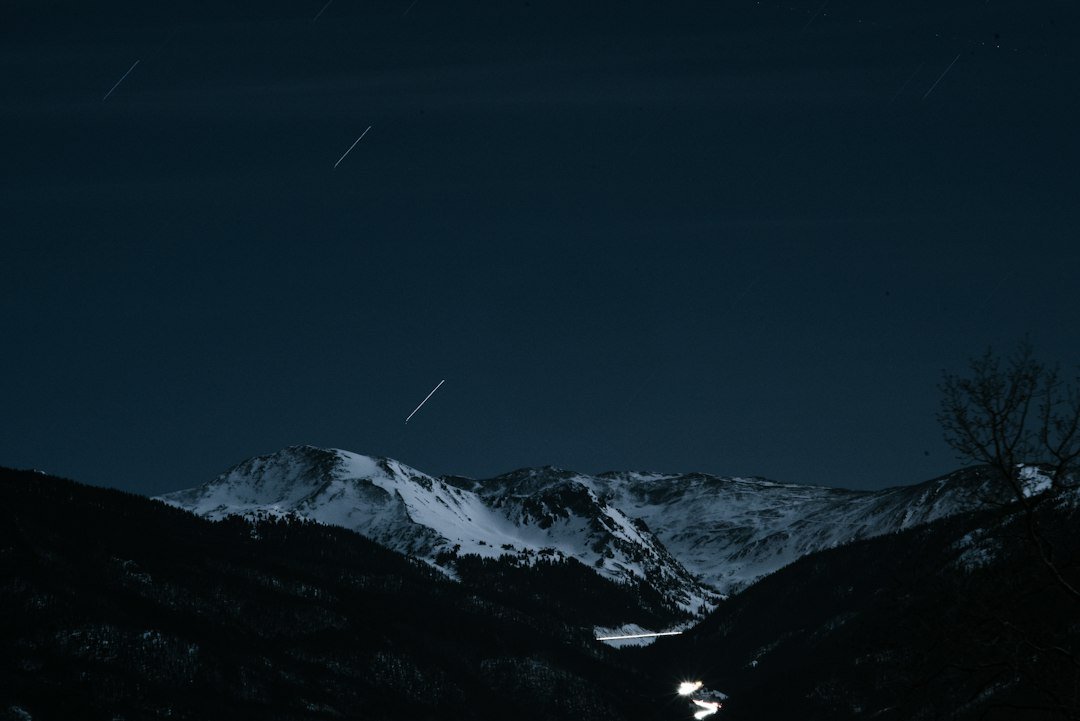
Every October I find myself standing in a cold field at two in the morning, craning my neck at a patch of sky most people stop thinking about after Labor Day. The crew calls it the appointment. The rest of the world calls it the Orionid meteor shower, and this year’s appointment book says Wednesday night into Thursday morning, October 21–22, with an encore the following dawn.
Here’s the honest version of 2026: a fat waxing gibbous moon will hang around for most of the night like a stadium light somebody forgot to switch off. Casual stargazers will look up, see a washed-out sky, and go to bed. Don’t be one of them. The moon sets a few hours before dawn — and in that last dark hour, the sky opens up and drops pieces of the most famous comet in history over your head.
This is the field guide to that hour: when it happens where you live, where to point your chair, what to wear so you last past the first coffee, and the dark-sky basins worth the drive. My team has run this play for three Octobers running. It works.
Halley’s Ghost, Right on Schedule
The Orionids are the debris trail of 1P/Halley — the comet humanity has watched return for over two thousand years, the one that swung past last in 1986 and won’t be back until 2061. Halley’s nucleus is a five-by-nine-mile chunk of ancient ice and dust, and every pass by the sun cooks a few feet of material off its surface. That dust doesn’t disappear. It fans out along the comet’s 76-year orbit like sparks behind a locomotive, and every late October, Earth drives straight through the inbound lane.
What hits our atmosphere is small — most grains are the size of sand or pea gravel — but the geometry is violent. Halley orbits the sun backwards relative to the planets, retrograde, which means we meet its debris nearly head-on. The closing speed runs around 41 miles per second. That’s why Orionids snap: sharp, fast streaks rather than lazy drifters, and roughly half of them leave persistent trains — glowing ion trails that hang in the sky for a second or three after the meteor itself is gone. I once watched a train fade for what felt like a full breath, long enough to pull language out of a colleague I won’t repeat here.
Halley actually gives us two showers a year. The outbound lane crosses our orbit in early May as the Eta Aquariids; the inbound lane is October’s Orionids. The comet itself is currently parked billions of miles out near the head of Hydra, far too faint for any instrument you can carry to a field. But its dust arrives on schedule every autumn, no waiting until 2061 required.
What the 2026 Sky Deals You
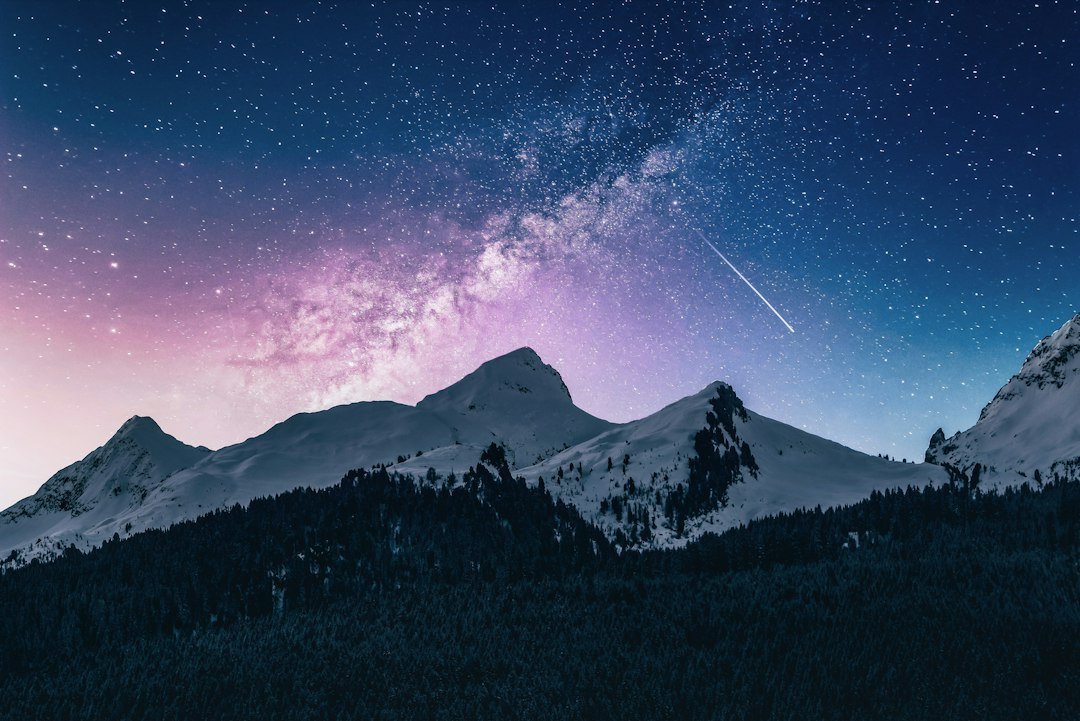
Meteor-calendar math first. The Orionids are technically active from September 26 through November 22, but the predicted peak lands at 18 UTC on Wednesday, October 21 — early afternoon in North America — which pushes the prime viewing to the mornings of October 21, 22, and 23. Unlike some showers that spike and quit inside a single night, the Orionids ride a broad, plateau-like maximum. If Thursday dawns cloudy, Friday’s second serving comes close.
Expectations, set honestly: under a dark sky with no moon, the American Meteor Society’s numbers work out to roughly 10 to 20 meteors per hour at peak. That’s one every three to six minutes — a rhythm, not a fireworks finale. The Orionids have quietly overdelivered before; in the exceptional stretch of 2006 through 2009, rates spiked to 50–75 per hour, right up there with the August Perseids. Nobody can promise a repeat. The shower has a documented habit of surprising exactly the people who skipped it.
Most Orionids burn white or faintly yellow. Every so often one flashes green — that’s magnesium and nickel vaporizing — or orange, from sodium and iron. And because the particles arrive at head-on speeds, the shower occasionally throws a genuine fireball that breaks apart in flight. If you catch one of those, the American Meteor Society genuinely wants your report; fireball sightings from multiple locations help researchers triangulate the meteoroid’s path.
The Moonset Math: Owning the Last Dark Hour
Now the 2026 complication, in full. Full moon falls on the night of October 25–26, so the peak mornings share the sky with a waxing gibbous that rises before dark and stays up most of the night. That moonlight will erase every faint Orionid — and faint meteors are the majority of any shower’s output — until the moon itself gets out of the way.
Which it does. On the peak mornings, the moon sets a few hours before dawn. From the moment it drops below your western horizon until morning twilight starts brightening the east, you get the only genuinely dark window of the night — and it lands exactly when the Orionids are at their best. The radiant climbs over the eastern horizon before midnight and rides highest around 2 a.m.; by the post-moonset hour, Orion stands tall in the south-southeast with a long dark runway above him.
So the whole game is knowing your local moonset. Look it up for your location — a weather app or a planisphere star wheel both handle it — and work backwards: be on site, settled, and dark-adapted 45 minutes before moonset. Your eyes need a solid half hour to reach full night vision, and every phone check resets the clock. For the impatient, there’s a trick my crew uses in the desert: park yourself in the moon’s shadow, with a ridge, hill, or treeline blocking the glowing horizon. The eastern sky darkens slightly ahead of official moonset, and the brightest early meteors punch through anyway.
Where to Look (Hint: Not at Orion)
Counterintuitive but true: the worst place to stare is directly at the radiant. Meteors near their origin point travel toward you, appearing as brief, dimensionless flashes — anything within about 30 degrees of the radiant tends to be invisible or deeply unsatisfying. The good streaks happen farther along their paths, and those paths can end anywhere in the sky.
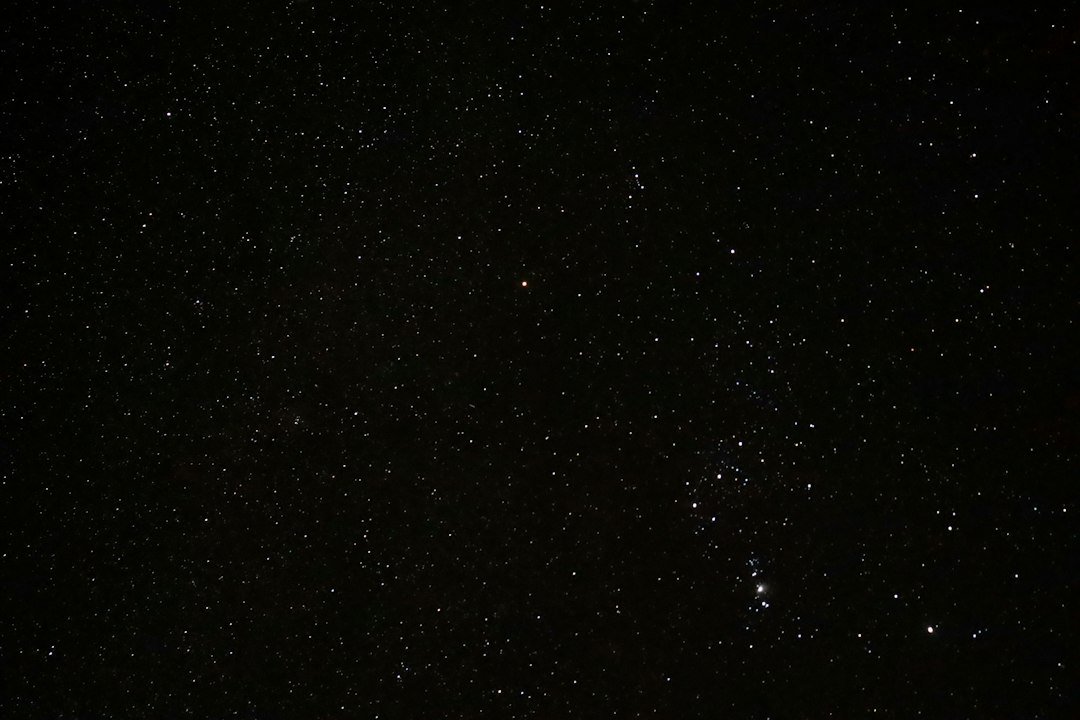
Find the widest, most open sky you can — a meadow, a lake shore, a farm field margin — lie back at roughly 45 degrees, and take in about two-thirds of the dome overhead. The radiant sits near the upraised club of Orion the Hunter, just north of the red giant Betelgeuse, so point your feet roughly south-southeast and let Orion anchor the edge of your vision. Out with friends? Do what veterans do at big star parties: fan out facing different compass points and call out what you catch. Two people covering opposite halves of the sky effectively double the group count.
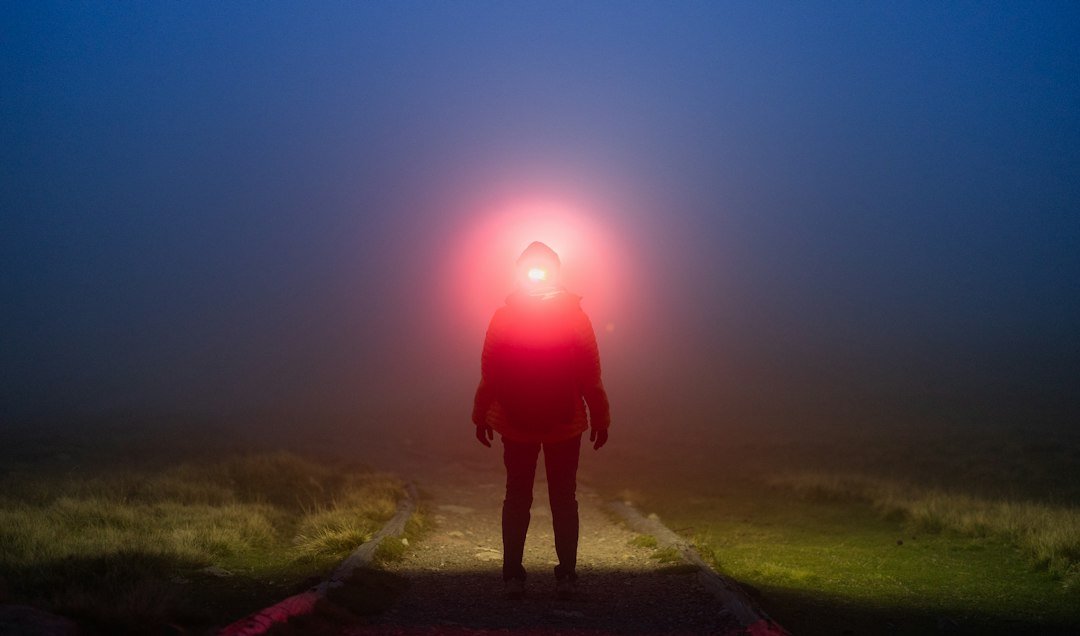
Between meteors, the October night supplies its own consolation prizes. The Pleiades cluster hangs high and looks luminous through a pair of 10×50 binoculars, and the winter stars — Sirius, Capella, the twins — arrive at their midnight brilliance in the small hours. Carry a red-light headlamp as your only illumination; red preserves the dark adaptation you spent forty minutes building. Mine stays looped around my wrist, switched off, more talisman than tool.
Picking Your Patch of Dark
The moon is this year’s gatekeeper, but light pollution is the permanent one. A waxing gibbous over Manhattan is a lost cause; the same moon over high desert country still leaves you the bright end of the shower and every fireball. The rule of thumb my crew uses: 60 to 90 minutes of driving from a city core buys two full magnitudes of darkness — enough to roughly double your visible count.
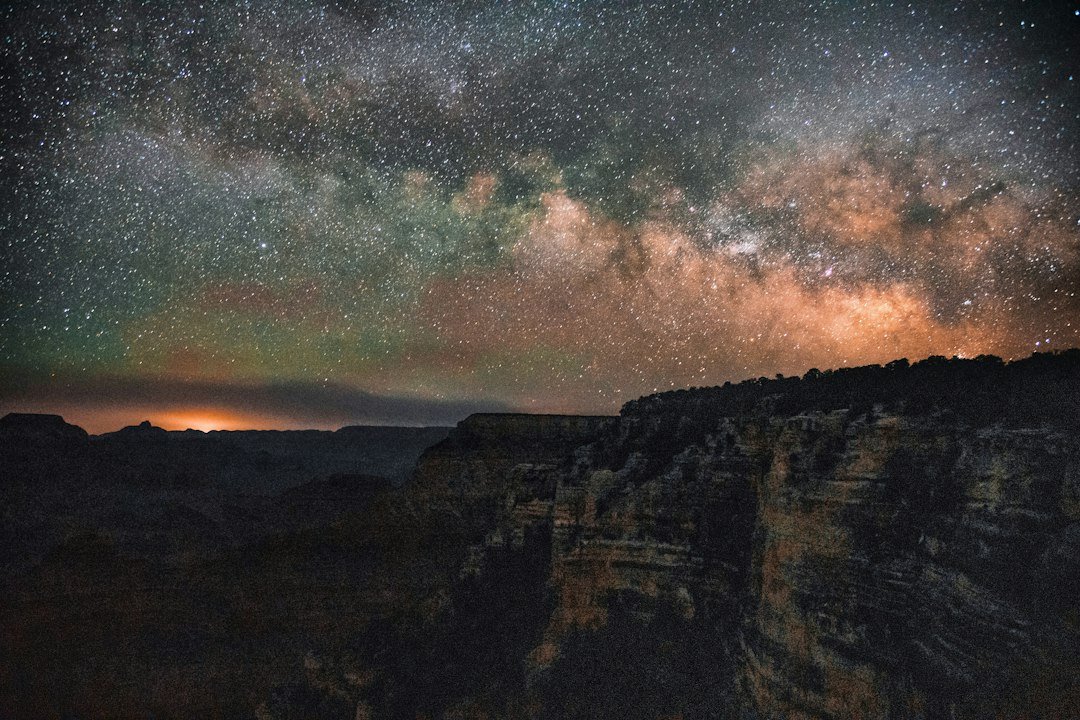
Regionally, October has already blessed a few of our favorite dark basins this year. Far West Texas is about as good as the Lower 48 gets — Big Bend’s real season starts in October, when the heat breaks and the park’s gold-tier International Dark Sky designation finally gets to show off. Up on the northern plains, an October week in the Badlands pairs bugling elk and late gold cottonwoods with some of the darkest air east of the Rockies. And in the Mojave, Death Valley’s backwards schedule means autumn is when that park opens rather than closes — furnace temperatures retreat and the dunes go church-quiet after sunset.
No desert within range? Certified International Dark Sky Places now number over 200 in the United States alone — state parks, nature preserves, even lakeshores within a tank of gas of major metros. Filter the official finder for sites within two hours of home, verify overnight access rules, and favor the one with the lowest horizon toward the southeast.
The 3 A.M. Kit That Earns Its Trunk Space
October pre-dawn is a different animal than August’s. The Perseids of midsummer reward a beach towel; the Orionids demand real insulation. My standing kit, refined over three seasons of field notes, fits in one bin.
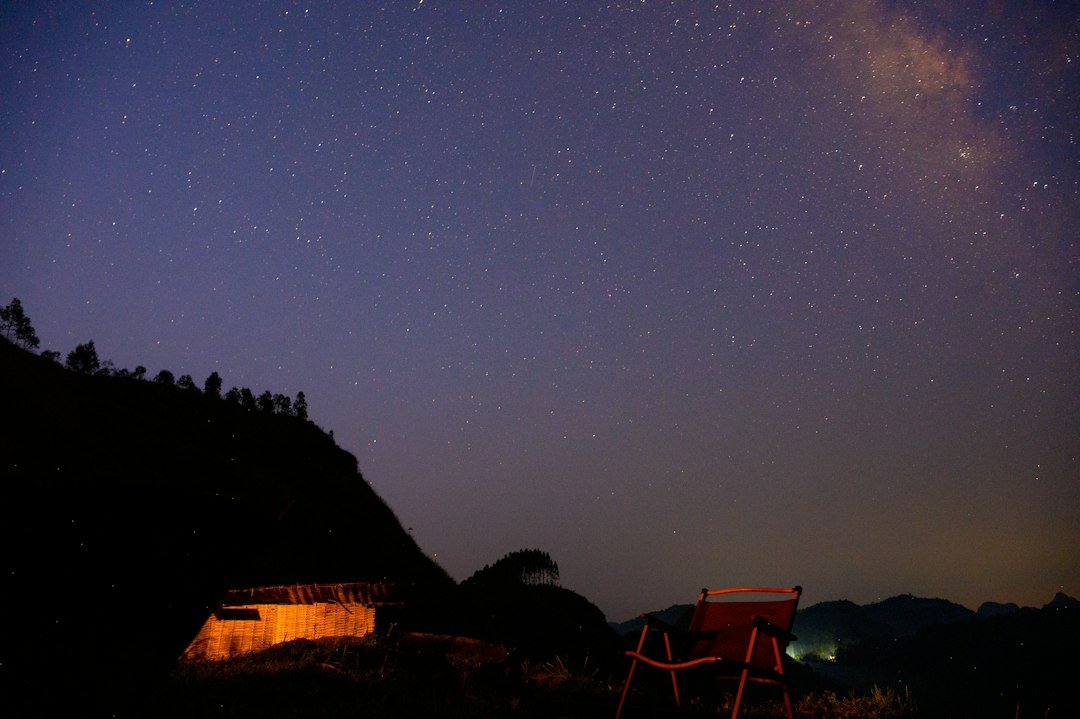
Dress for ten degrees colder than the forecast — clear skies mean radiational cooling, and clear skies are the entire point. A packable down jacket over your layers is the single highest-value item in the bin. Add a wool blanket, because wool keeps insulating when the dew settles — and it will settle — and get your body off the ground with a reclining camp chair or a foam sleeping pad, since the earth pulls heat out of you faster than the air ever will.
For hands and core: chemical hand warmer packs tucked into pockets and mittens make the difference between one meteor and one hour of meteors, and a hot water bottle wrapped in a sock at the small of your back is old-fashioned alchemy. My colleague swears by hers; I’ve stopped teasing her about it because the thing plainly works. Then the ritual that anchors the whole morning — a proper insulated thermos of something steaming. Coffee, cider, broth. The contents matter less than the steam.


If the Clouds Win (or the Moon Does)
The Orionids stay active through November 22, so a rained-out peak week isn’t the end — the stream keeps producing modest numbers into early November, though the moon only brightens through its October 26 full phase before relenting. The pragmatic play if the peak mornings cloud over: bank the plan and redirect it toward the Geminids on the night of December 13–14, the year’s most reliable shower, which this time arrives with only a slender early-setting crescent to contend with. Same kit, colder night, richer rates.
And if this week hooks you — the patience, the cold, the strange intimacy of a sky that finally goes properly dark — put August on the calendar now. Our Perseids dark-sky field guide covers the summer version of this play: warmer nights, richer rates, bigger crowds. Same blanket, same thermos, fewer layers. The Orionids are the connoisseur’s shower; the Perseids are the people’s. You’re allowed to love both.

Before You Set That Alarm
Final calibration for expectations. Under this year’s conditions, a realistic haul works out to an Orionid every five to ten minutes in the dark hour — fewer than a pure dark-sky year, but composed disproportionately of bright ones, since faint meteors are exactly what moonlight removes. Fireball odds tick up accordingly. Slow your breathing, fix your gaze on empty black, and let peripheral vision do the hunting; it’s more sensitive to motion and dim light than your center of view.
That’s the whole playbook. One hour, honestly dark, deliberately cold, aimed at nothing in particular. Every streak you catch is a piece of a comet people have watched cross the sky for two thousand years — a grain of ancient dust ending its journey at 41 miles a second, sixty miles above your head. The moon takes the evening. You take the ending.
1 thought on “The Moon Sets, the Sky Opens: Catching Halley’s Dust in the 2026 Orionids”