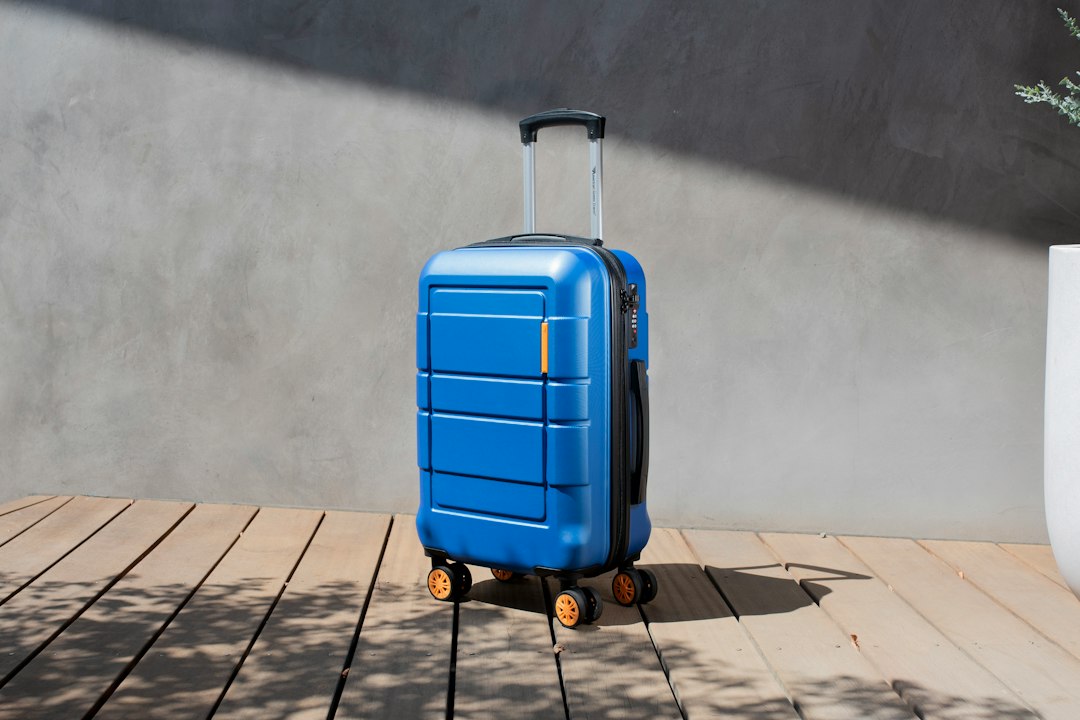
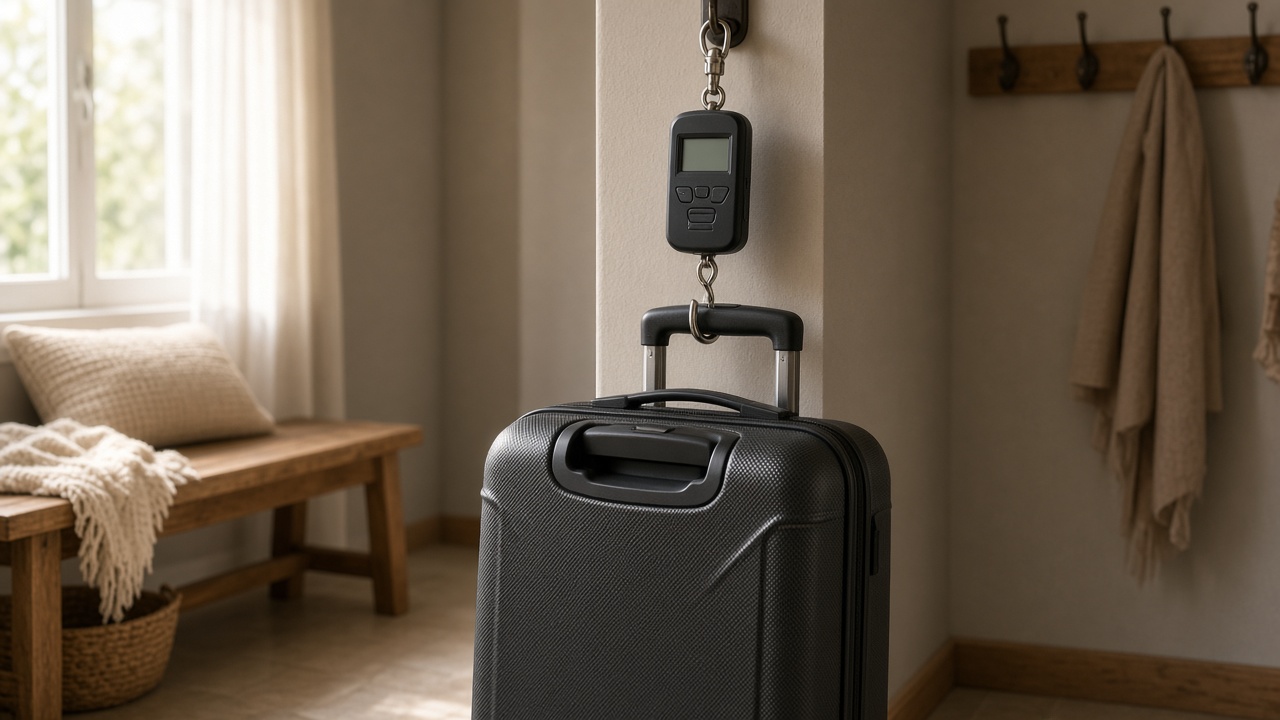
The night before our last family trip, I stood in the front hallway holding a suitcase by its handle with one hand and a fifteen-dollar luggage scale with the other. The number on the screen said 53.4 pounds. That’s 3.4 pounds over, and on most U.S. airlines that would have turned a $45 bag into a $145 bag at the counter. I pulled out a pair of hiking boots, a hardcover book and a bottle of maple syrup that was supposed to be a gift. The scale read 48.9. Problem solved, for the cost of an extra five minutes and a slightly heavier backpack.
That moment is the reason for this article. Over the spring, almost every major U.S. carrier pushed the price of a first checked bag to $45 each way. That’s $90 round trip, per bag, per person. This is the first Thanksgiving and the first Christmas at that price, and plenty of people won’t notice until they’re at the kiosk with a credit card out. My team and I spent the past week pulling the current fee charts, re-running our own packing tests and working out where the real money goes. Our conclusion: the $45 hurts, but the overweight fee is what does the damage.
The 2026 Bag-Fee Board, in Plain Numbers
Here’s where the big domestic airlines stand as of late October 2026, for standard economy fares on domestic routes. These are each-way prices. Fees can change without much notice, so check your airline’s baggage page the week you fly.
| Airline | 1st checked bag | 2nd checked bag | Worth knowing |
|---|---|---|---|
| Alaska | $45 | $55 | Co-brand cardholders usually get the first bag free |
| American | $45 online, $50 at the airport | $55 | Basic Economy tickets issued on or after May 18, 2026 cost more ($50 online, $55 at the airport) |
| Delta | $45 | $55 | A third bag jumps to $200 |
| Southwest | $45 | $55 | Applies to tickets bought on or after April 9, 2026. Choice Extra fares and A-List Preferred members still get two free bags |
| United | $45 if prepaid 24+ hours ahead, $50 otherwise | $55 | Paying early saves $5 per bag, each way |
| JetBlue | $45 to $59 | Varies | Peak travel dates cost more, and the holidays count as peak |
| Frontier | Around $79, varies by route | Varies | Bags over 40 pounds count as overweight |
Hawaiian, now part of the Alaska family, also charges $45 for the first bag. If you’re keeping score, that’s every big U.S. carrier with free checked bags long gone on domestic flights. Southwest was the last holdout, and it started charging in 2025.
Do the math for a family of four, each checking one bag on a round trip: $360 before anyone buys a sandwich at the gate. With two bags each, it’s $800. Holiday trips also tend to be heavier, because of coats, boots, gifts and the leftovers somebody’s aunt insists you take home.
Why the 50-Pound Line Matters More Than the $45
Here’s the part of the fee chart people skim past. On Delta, Southwest and most other U.S. carriers, a checked bag between 51 and 70 pounds costs an extra $100 on top of the regular bag fee. Between 71 and 100 pounds, that extra climbs to around $200. Over 100 pounds, most airlines won’t take the bag as checked luggage at all. Size counts too: anything over 62 linear inches (length plus width plus height) gets an oversize charge that can also reach $200.
So a 52-pound suitcase isn’t a $45 problem. It’s a $145 problem, each way. That’s $290 round trip for one bag that was two pounds too heavy, and that’s real money for a few extra sweaters.
Frontier makes the line even tighter: anything over 40 pounds is overweight there. If you’re flying a budget carrier this season, read the fine print twice.

The $15 Gadget That Lives in My Hall Closet
A Digital Luggage Scale is the best value in travel gear, and I’m not exaggerating. Mine cost less than a third of one bag fee and has paid for itself several times. You hook it through the suitcase handle, lift until the bag hangs free, hold it for two seconds, and it shows the weight.
A few things we learned from using one for years:
- Aim for 48, not 50. Airport scales aren’t always calibrated the same as yours, and a damp coat or a last-minute souvenir adds weight. Two pounds of buffer has never failed me.
- Weigh the bag again before the return flight. Bags almost always come home heavier than they left. Pack the scale; it weighs about as much as a deck of cards.
- Lift with the scale, not your back. Hold the handle with both hands, keep your elbows bent, and bring the bag up slowly. A sudden jerk throws off the reading.
- Bathroom scale backup: weigh yourself, then weigh yourself holding the bag, and subtract. It works, but it’s less accurate and more annoying the night before a 6 a.m. flight.
Two Bags Into One: How We Consolidated a Family of Four
Over the summer, a family on my team tried an experiment for a week-long trip to visit relatives. Two adults and two kids would normally check three bags. This time they checked one large shared bag and everyone else carried on. The checked bag held everything bulky: shoes, coats, toiletries in full sizes, and the gifts that couldn’t be shipped. Clothes went into each person’s carry-on.
Their savings: two fewer checked bags at $45 each way, so $180 round trip. That’s more than a nice dinner out on vacation. The trade-off was a bit more planning, a couple of evening laundry runs, and a firm rule that the shared bag got weighed before anyone left the house.
Not every family can pull that off, especially with babies or ski gear. But it’s worth sitting down together and asking whether you really need a bag per person, or whether that’s just habit. If your luggage is falling apart anyway, our year-long test of budget luggage sets that held up to real abuse is a good place to start.
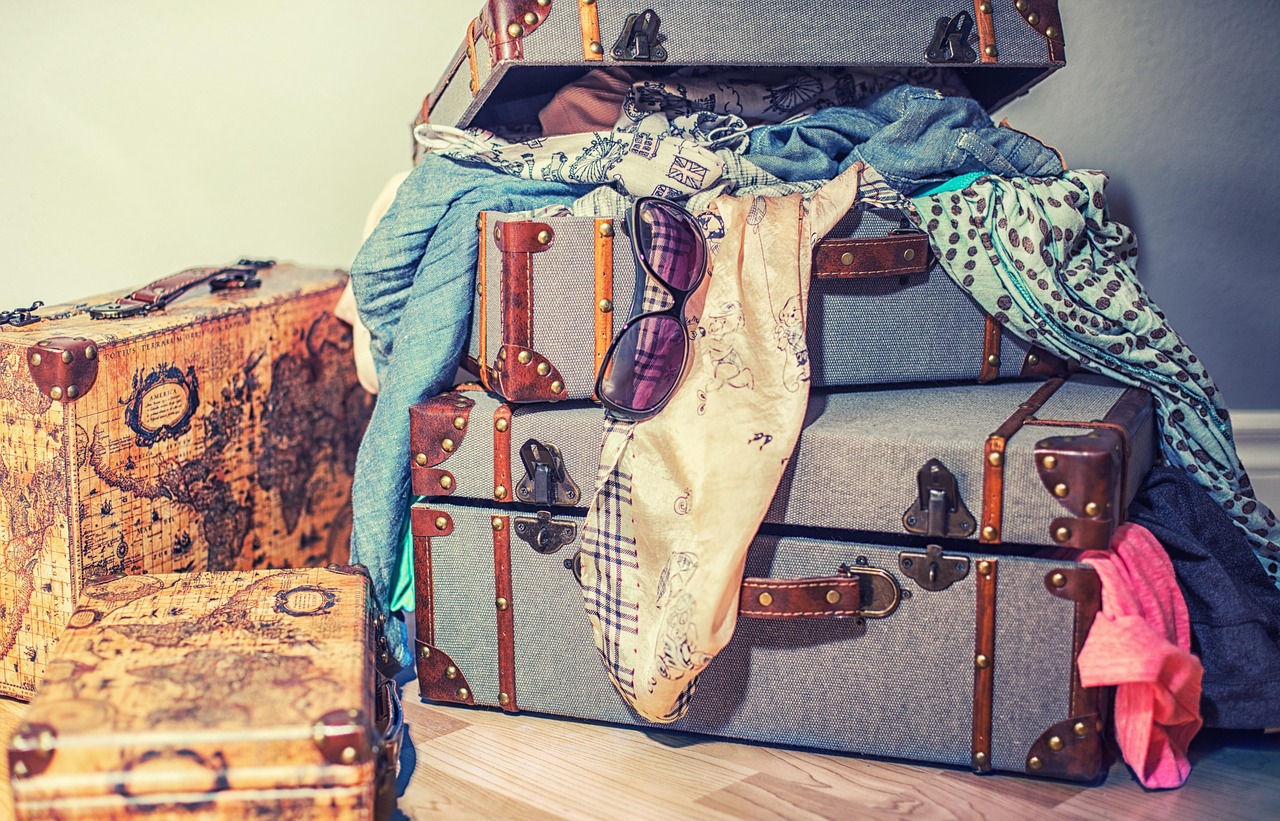
The Packing System That Does the Heavy Lifting
Getting under 50 pounds isn’t really about packing less. It’s about packing smart, and keeping the heavy stuff out of the checked bag.
Start with Compression Packing Cubes. They don’t reduce weight, but they reduce bulk, and that means one bag can do the work of two. We tested six brands across three trips earlier this year, and the full results are in our compression packing cube experiment. The short version: zippered compression cubes shrank our clothes by around a third, and the good ones survived being stuffed for a week.
For big sweaters and fleece, Roll-Up Travel Compression Bags squeeze the air out without needing a vacuum. They’re great for winter trips, when one chunky sweater can fill a cube by itself.
Then apply the oldest trick in the book: wear your heaviest items on the plane. Boots go on your feet, not in your bag. Your bulkiest coat goes on your back. If your winter coat is too bulky to wear on a plane, a Packable Puffer Jacket that folds into its own pocket weighs around a pound and works as a pillow in a pinch.
Finally, rethink the toiletries. Full-size shampoo, conditioner and lotion bottles can easily add three or four pounds to a checked bag. Most of the people you’re visiting already have shampoo. Pour what you need into Leakproof Silicone Travel Bottles and pack them in a TSA-Approved Clear Toiletry Bag, and they can go in your carry-on instead.
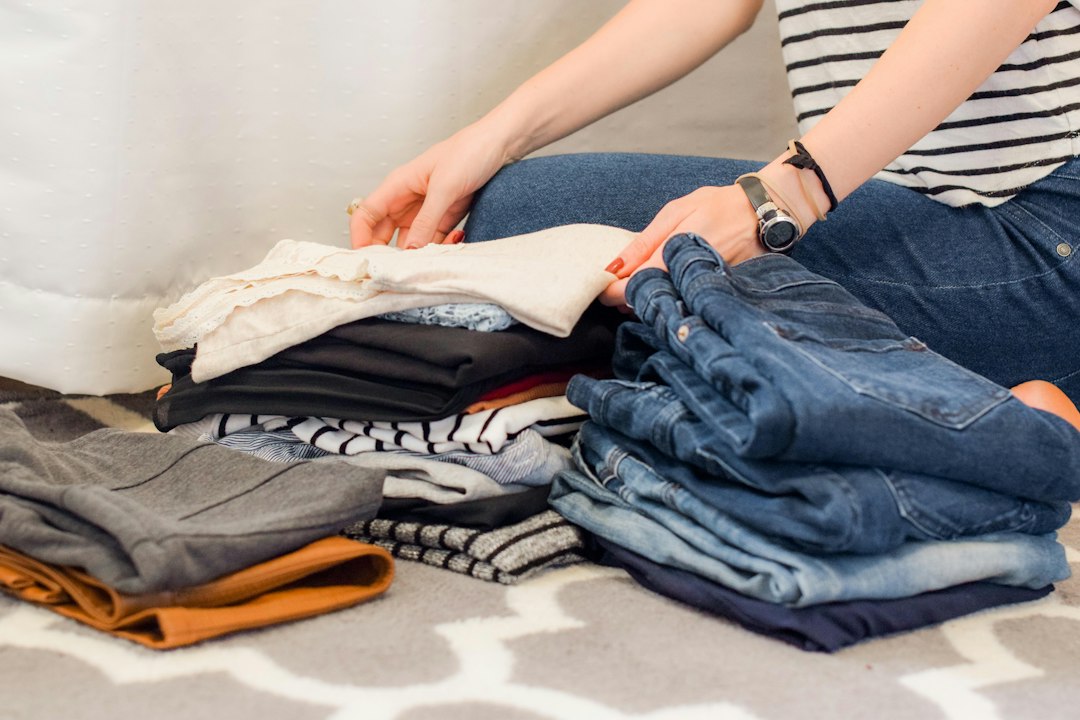
When Carry-On Only Actually Wins
For trips of five days or less, I go carry-on only about 80 percent of the time, and the bag fees are only part of the reason. Carry-on means no waiting at the carousel, no lost luggage, and an easier time rebooking if a winter storm cancels your flight. With carry-on only, you can take the first open seat on any flight. With a checked bag, your luggage may end up somewhere you’re not.
My go-to is a 40L Carry-On Travel Backpack, which fits in most overhead bins and opens like a suitcase. With packing cubes, it fits five days of clothes plus a laptop. If you’re flying a budget carrier where even the overhead bin costs money, check our personal item sizer smackdown first, because the free under-seat allowance is much smaller than most people think.
One honest caution: holiday flights are full, and overhead bins fill up fast. If you board late, the gate agent may check your carry-on to your destination, usually for free. That’s fine, unless your medication or car keys are inside. Keep those in the bag that goes under the seat.
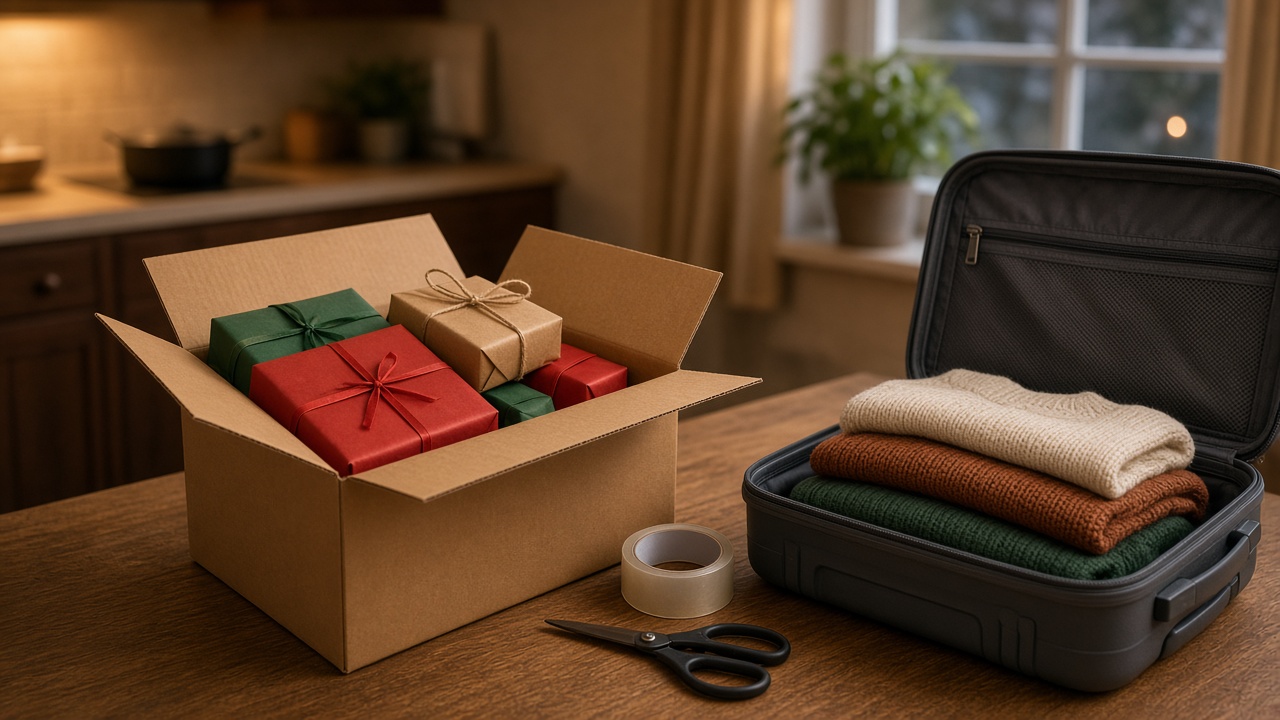
The Gift Problem, and the Box That Solves It
Here’s where holiday bag math breaks down. Wrapped presents are bulky, oddly shaped and sometimes heavy, and TSA may ask to open anything wrapped that goes through the carry-on scanner. That’s no fun when you’ve spent an evening on the bows.
What we do now: ship the gifts ahead, unwrapped, and wrap them when we get there. Ground shipping on a medium box often costs about the same as a checked bag fee and saves you from hauling them through the terminal. Or have online orders shipped straight to the house you’re visiting. Ask first, so nobody opens their own present by accident.
For the trip home, I pack a Foldable Travel Duffel Bag that zips into a pouch the size of a paperback. If the gifts I receive won’t fit in my carry-on, the duffel becomes my checked bag on the way back. That way I only pay for one bag, in one direction.
Free-Bag Loopholes Worth Checking
Before you pay a single fee, spend five minutes checking whether you already qualify for free bags:
- Airline co-brand credit cards. Most of them include a free first checked bag for the cardholder, and often for companions on the same reservation. If your card has an annual fee, the bag benefit can cover it on a single family trip.
- Elite status. Even the lowest tier of status on most airlines includes at least one free checked bag.
- Southwest fare choice. Southwest’s Choice Extra fares still include two free bags. Compare the fare difference with $90 to $180 in round-trip bag fees before you pick the cheapest option.
- Active-duty military. Many U.S. airlines waive bag fees for service members, especially those traveling on orders. Ask at the counter with your ID.
- Prepaying. On United, paying for bags online at least 24 hours before departure saves $5 per bag each way. On American, paying online instead of at the airport does the same.
If you haven’t booked your holiday flights yet, factor the bag fees into the fare comparison. A ticket that looks $40 cheaper on a budget carrier can easily come out more expensive once you add bags. Our 2026 holiday flight booking playbook covers when to buy and how to compare total costs.
If Your Checked Bag Goes on Its Own Vacation
When you do check a bag, put a tracker in it. An Apple AirTag tucked into an inside pocket has told me exactly where my bag was more than once, including the time it stayed in Charlotte while I flew on to Boston. Telling the baggage desk exactly where your bag is speeds things up a lot. If you’re on Android, our sister site compared the options in its AirTag vs. Pixel Tag vs. Chipolo vs. Tile stress test.
I also put a bright Adjustable Luggage Strap around my suitcase. It keeps an overstuffed bag from bursting open, and it makes my black suitcase easy to spot among two hundred other black suitcases on the carousel. Take a photo of your bag and its contents before you leave, too. If you ever need to file a claim, that photo is your proof.
My Quick Picks Before You Pack
If you only buy a few things before the holidays, here’s what I’d get, in order of how fast they pay for themselves:
- Digital Luggage Scale: avoids a $100 overweight fee the first time you use it.
- Compression Packing Cubes: fit two bags’ worth of clothes into one.
- Roll-Up Travel Compression Bags: tame bulky winter sweaters.
- 40L Carry-On Travel Backpack: skip checking a bag on shorter trips.
- Foldable Travel Duffel Bag: carry the gifts home, and pay for a bag in only one direction.
- Packable Puffer Jacket: warmth without the weight.
- Leakproof Silicone Travel Bottles and a TSA-Approved Clear Toiletry Bag: move toiletries out of the checked bag.
- Apple AirTag: know where your checked bag is at all times.
- Adjustable Luggage Strap: keeps your bag closed and easy to spot.
Before You Zip It
Bag fees aren’t going back down. Airlines have found that travelers will pay them, and $45 is now the price. You don’t have to pay it on every bag, though, and you never have to pay $145 for one bag. Weigh everything at home. Wear the boots. Ship the gifts. Ask yourself whether everyone really needs their own bag.
My hallway scale lives on a hook next to the front door, right beside the car keys. It’s the last thing I touch before every trip, and so far it’s never let me get to the check-in counter and find a surprise. I hope this year it saves you a few hundred dollars too, and that your bags come off the carousel first.