
There’s a moment on every trip when the vacation haze lifts and you realize you’re hungry, not for another restaurant, but for food that tastes like somewhere. On Florida’s Gulf Coast, that moment usually arrives somewhere along Pine Island Road, the four-lane ribbon that stitches Cape Coral to the mainland and eventually to the fishing villages past Matlacha. It’s a road of strip malls and boat ramps, and tucked among them is the kind of market that changes how you eat for the rest of the week.
I’ve made a habit of this over the years: before the beach, before the itinerary, find out where the people who live here buy their tomatoes. It started as a budget trick to escape resort-priced meals and became the most reliable way I know to take a town’s pulse. A market that labels which county its corn came from tells you more about a place than any visitor center.
The Case for Grocery Shopping on Vacation
Most travelers treat groceries as a chore they’re on vacation from. I’d argue the opposite. The produce aisle is the one room in any town where nobody performs for tourists. Prices are local prices. The crowd is local crowd. The argument playing out over which watermelon to buy is the same argument happening a thousand other kitchens-in-progress across the county, and you get to eavesdrop on all of it.
There’s a practical case, too. A bag of fruit, a loaf of bread, and a knife turn any roadside pull-off into lunch. On road trips where I’m determined to eat well without living out of gas station coolers, the first stop after crossing the county line is always a market, not a drive-through.
Southwest Florida rewards the habit more than most regions. This is a place where the growing season runs opposite the tourist season, where tropical fruit shows up in piles rather than singles, and where the distance from farm to shelf can genuinely be measured in tens of miles instead of thousands.
Pine Island Road, Where Cape Coral Stockpiles Its Character
Cape Coral is a city of canals — more than 400 miles of them, laid over a peninsula that real estate boosters carved into a boater’s paradise in the late 1950s. The housing tracts are broad and sun-bleached, and the commercial spine is Pine Island Road, officially State Road 78, running northwest toward the bridge at Matlacha. For visitors, it’s the road to the old-Florida fishing shacks on Pine Island. For locals, it’s where the errands happen.
That dual identity is what makes it worth slowing down on. The same stretch that funnels you toward sunset destinations also holds the businesses a city of 200,000 actually sustains: marine supply, bait, barbershops, and grocery. On my last pass through, one market in particular kept drawing locals in and out — a bright, unassuming box with a hand-painted mascot on the sign: a grinning, souped-up hot rod tractor. The place even has its own theme song, a novelty track the family that runs it apparently loves enough to share — the “Souped-Up Super-Charged Hot Rod Tractor” song is a real thing you can queue up for the drive home.
Inside a Market That Names Its Farms
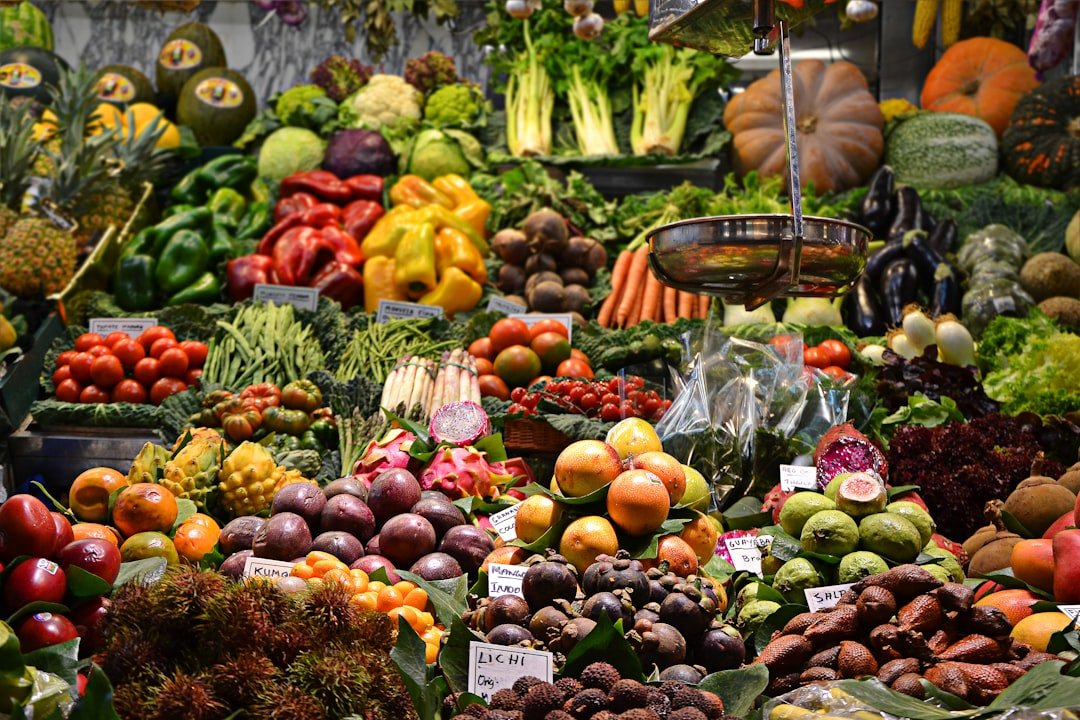
Farmers markets get the romance, but a good year-round produce market is the working version of the same idea. This one leans hard on provenance. Signs tell you where the fruit came from — not “product of USA,” but actual origins, groves and growers scattered across the peninsula. In a state where you’re never more than a couple hours from a citrus grove, that specificity is the whole point.
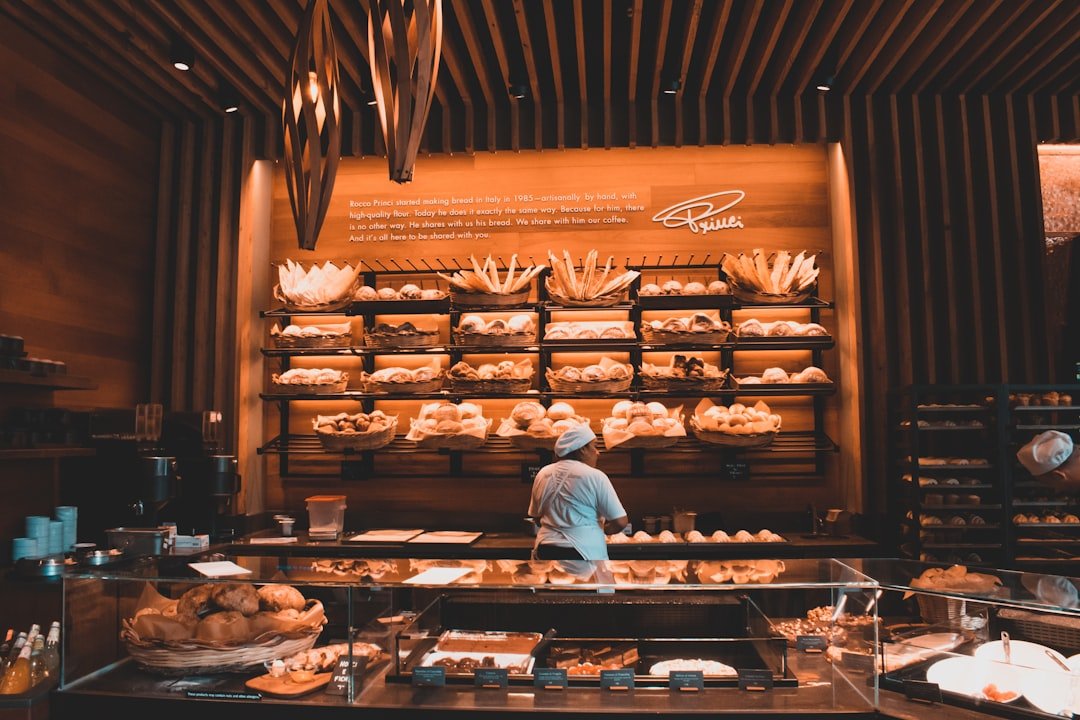
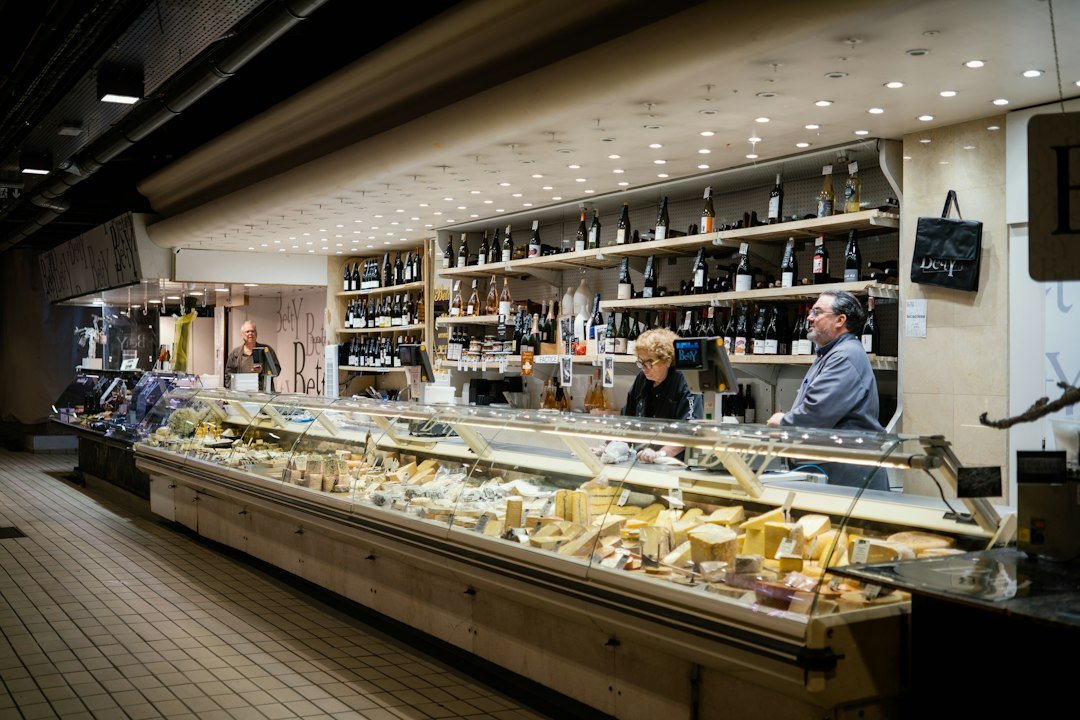
The produce section sets the tone, but the departments radiating off it are what make it a legitimate one-stop for a vacation kitchen. The bakery turns out proper loaves, the kind with crust that cracks rather than bends. The meat counter cuts to order. Behind glass, the cheese selection runs well past the national brands into sharp cheddars and crumbly feta that suggests somebody’s grandmother is involved in procurement decisions. And in a town where half the population fishes, the fresh fish case is treated with the seriousness of a municipal institution.
A few practical notes for the uninitiated. Mornings are the sweet spot — deliveries have landed, the bakery’s first batches are out, and the after-work rush hasn’t started. Don’t be shy with the counter staff; in a market this size, the person wrapping your snapper probably knows which boat it came off and whether the mangoes out front are from this week’s run or last’s. And go in with room. The rookie move is arriving with a full cooler and a rigid plan; the veterans show up with space and let the best-looking thing in the store decide dinner.
Walking it end to end takes twenty minutes if you rush, an hour if you let the guy behind the fish counter tell you what came in that morning. There’s a full walkthrough of the whole store — outside and in — that captures the layout better than words, if you want the tour before you visit:
What a Florida Aisle Looks Like in September
Here’s where the seasonal traveler gets rewarded. September in most of the country means the market is winding down — apples, squash, the long slide toward October. In South Florida, it’s late summer’s second act. Mangoes are finishing their long run, avocados are stacked in the bigger, smoother Florida varieties that make Hass look like a practice round, and the tropical bench runs deep: guava, starfruit, passion fruit draping their wrinkled skins over the bin edges like they’ve given up hiding.
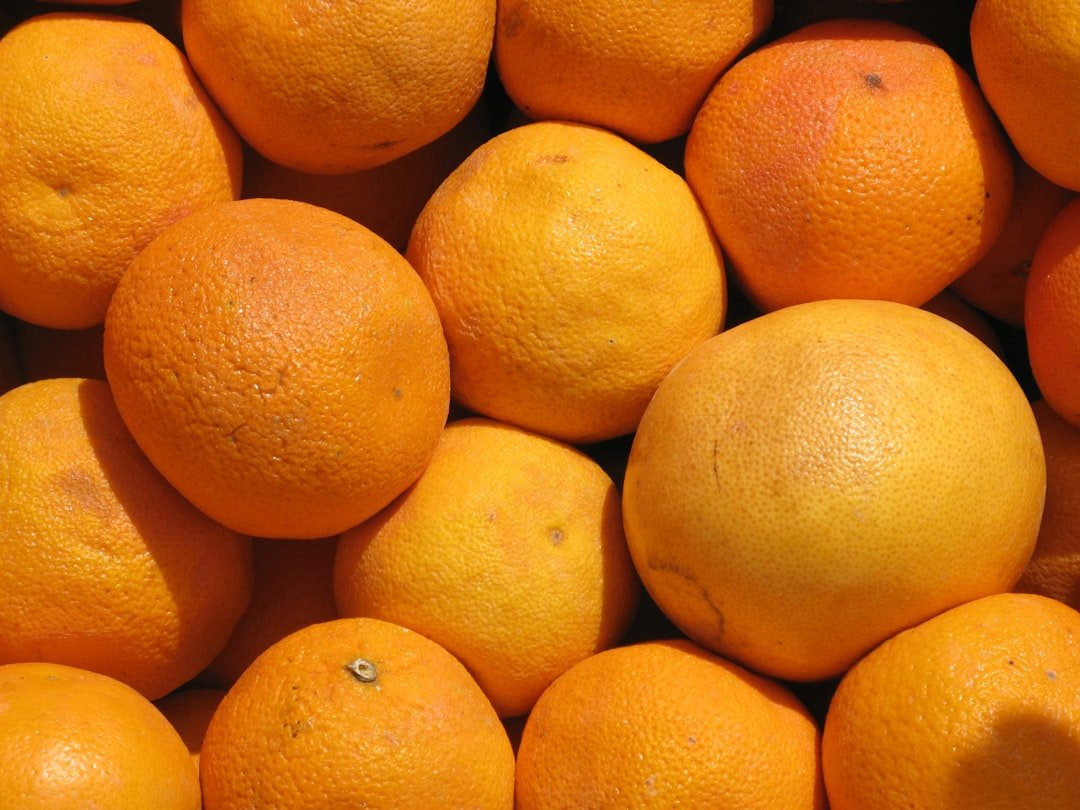
The citrus, famously, waits for winter — this is the state that treats January’s honeybells as a civic holiday. But the tail of the Caloosahatchee region produces surprises year-round, and if you’re tracing Florida’s fruit economy in earnest, the Indian River citrus country runs east of here for a proper deep dive. What a Gulf Coast market gives you in September is the tropical side of the ledger, plus the Southern standards — okra shining like green satin, eggplant in half a dozen shapes, peppers ranging from tame to regrettable.
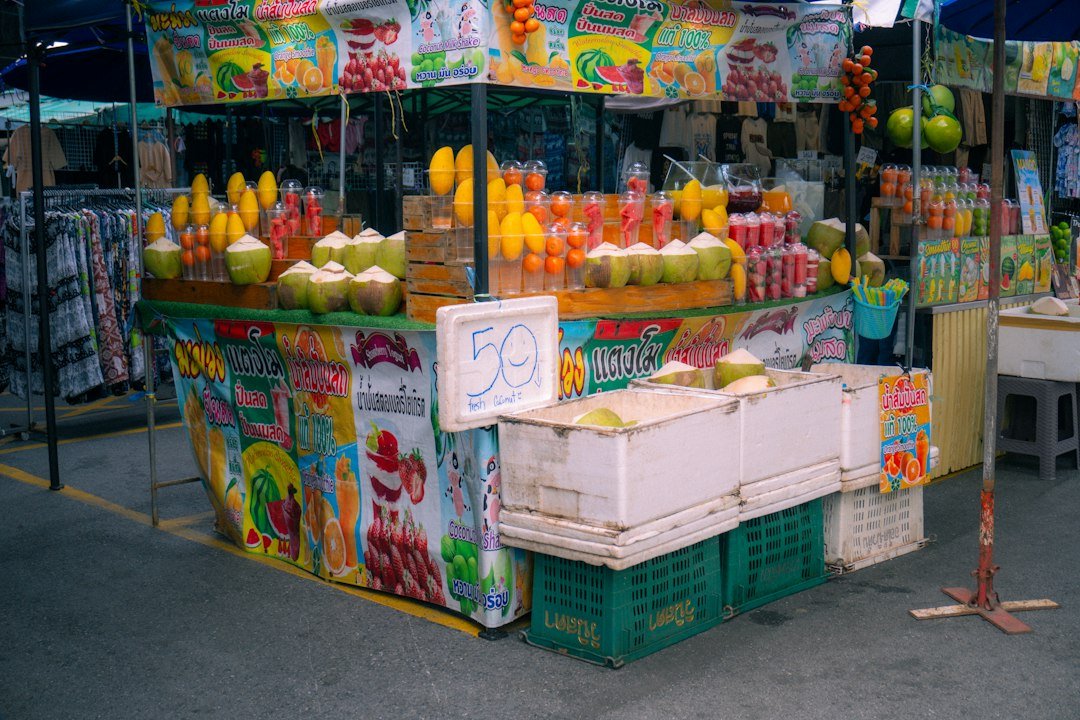
Buy with your nose, not your eyes. A mango that smells like mango at the stem is ready tonight; one that smells like nothing is luggage, not dinner. And take more than you think you need — the whole economics of vacation produce is that a five-dollar bag of starfruit beats a fifteen-dollar appetizer every single time.
Getting It Home Before Florida Gets It First
The Gulf Coast does not negotiate about heat. A trunk in September sun will cook a bag of peaches in the time it takes to watch a heron fish, so the return trip deserves two minutes of planning. The system I’ve settled on: a collapsible soft cooler with real insulation for anything fragile, and a couple of flat-folding insulated totes for the bulk of the haul. The totes zip flat into a door pocket when empty and have survived being the only kitchen equipment in a van for a month.
Two smaller habits pay for themselves. Mesh produce bags keep the market’s plastic out of your rental and let the fruit breathe on a warm drive, and a set of sturdy canvas market totes with shoulder straps turns the walk from car to condo kitchen into one trip instead of four. None of it is glamorous. All of it is the difference between slicing a perfect mango at sunset and composting one in a hotel ice bucket.
From Shopping Bag to Picnic Table
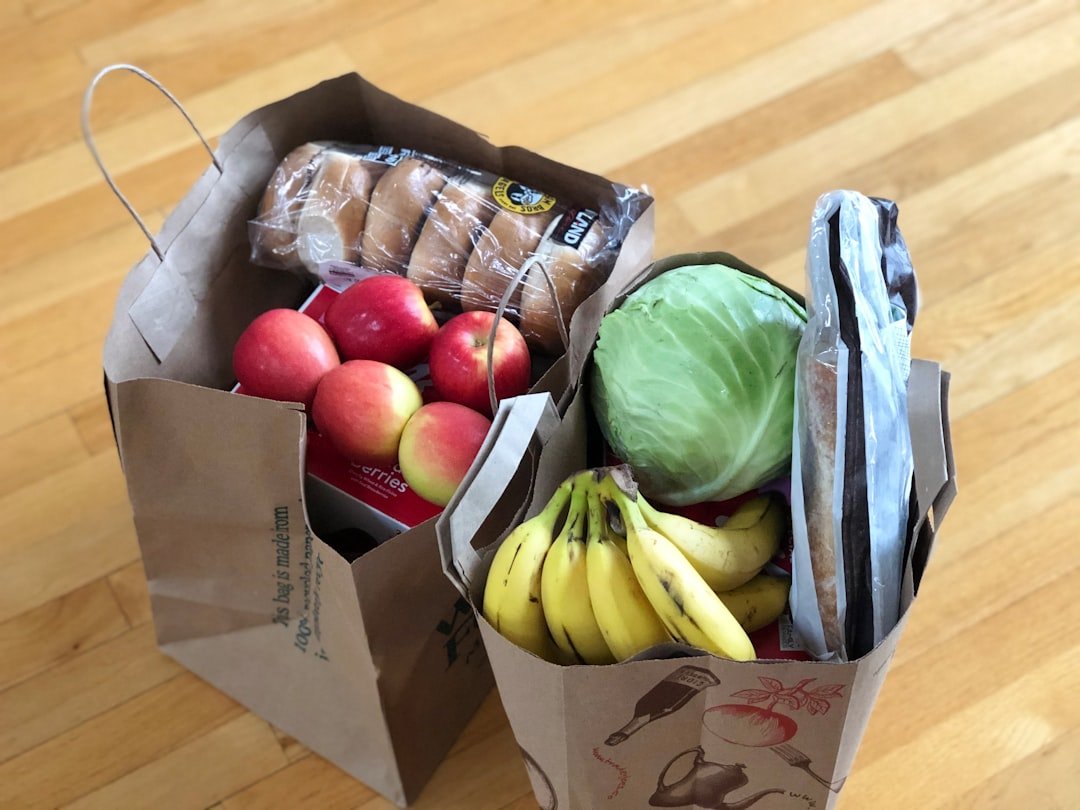
The best meal of a Cape Coral day costs almost nothing to assemble: that bakery loaf, cheese from the counter, a mango sliced into coins, lime squeezed over everything. The only tools worth packing are small ones. A stainless pineapple corer looks like a party trick until you’ve cored a fresh pineapple on a tailgate in ninety seconds, and a heavy hand press citrus squeezer turns a bag of Key limes into the dressing for everything else. Coral Gables has restaurants; you have a knife and a view.
And the views here are not incidental. Ten minutes from the market, the mangrove boardwalk at Four Mile Cove runs out over the river estuary, herons stalking the shallows below, and it asks nothing of you but the price of parking. That’s where the shopping bag becomes dinner.
The Receipt as Souvenir
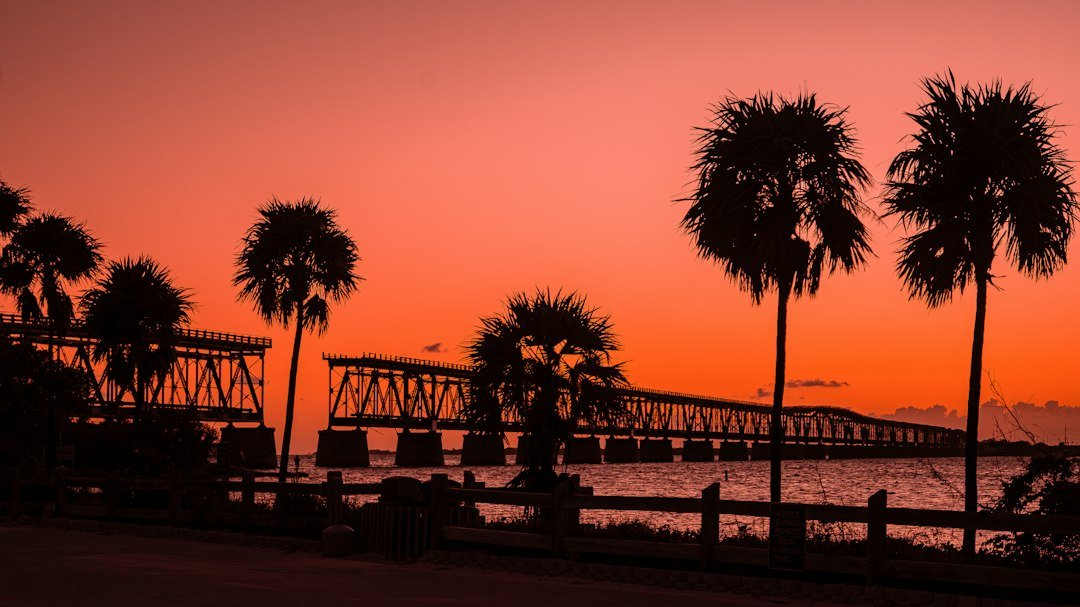
Travelers photograph sunsets; locals keep receipts. I’ve started doing both. That evening drive back down Pine Island Road, the sky over the canals doing its loud pink thing, a bag of starfruit sweating gently in the back seat — that’s the Cape Coral I’d defend to anyone who says the city is just suburbs. If you want the souvenir to outlast the fruit, there’s a decent trade in Cape Coral memorabilia for the folks back home, and fair warning that the light here will push you toward taking pictures: I shoot most of my Florida wanderings on a Pixel 7 Pro precisely because it handles that hour of pink sky without fussing.
Next morning, the leftover loaf gets toasted, the last of the lime goes on it, and the vacation continues on about six dollars. The market is still there on Pine Island Road, tractor grinning from the sign, a whole city quietly shopping around you. Shop where they shop. It’s the fastest way I know to stop being a visitor.