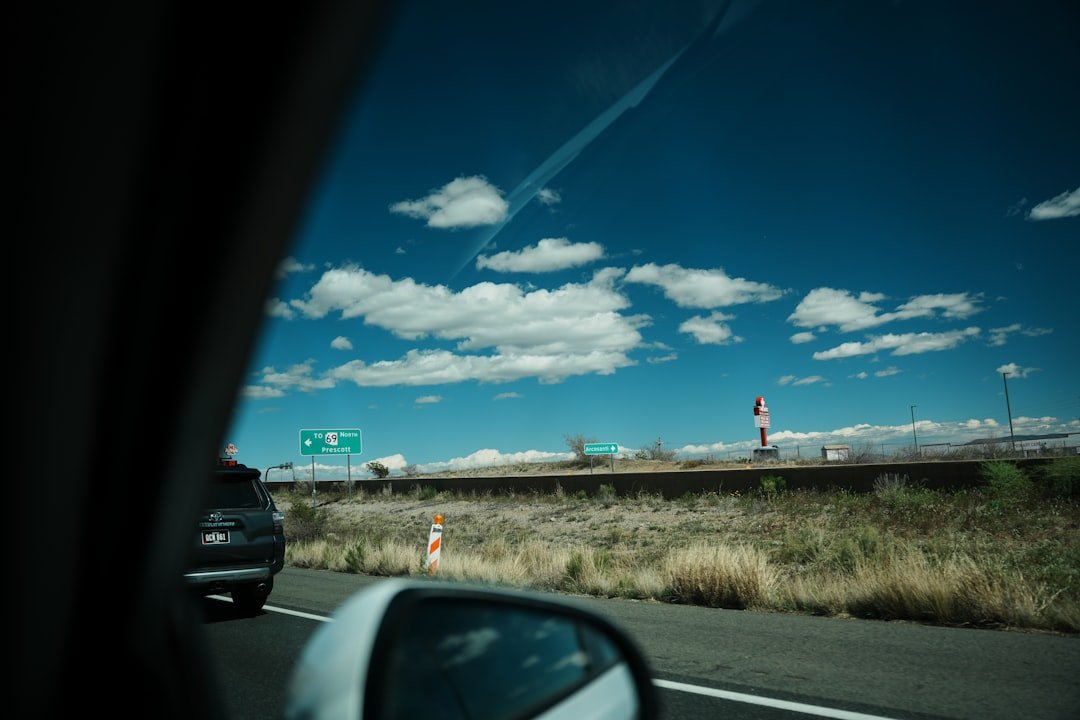
There’s something about standing at the corner of Michigan Avenue and Adams Street in downtown Chicago, staring at that green “Begin Route 66” sign, that makes your chest tighten a little. I’ve driven a lot of highways in my life — coast to coast, border to border — but this one hits different. This year, the Mother Road turns 100, and I decided the only right thing to do was drive the whole thing during its centennial summer.
Route 66 was commissioned in 1926 as part of America’s first numbered highway system, stitching together 2,400 miles of existing roads from Chicago to Santa Monica. For decades it carried Dust Bowl migrants, postwar vacationers, and anyone chasing the promise of California sunshine. The interstate system nearly killed it — bypassed towns withered into ghost communities, and the highway was officially decommissioned in 1985. But the legend never died. And in 2026, the centennial celebrations are bringing the Mother Road back to life in ways I never expected.
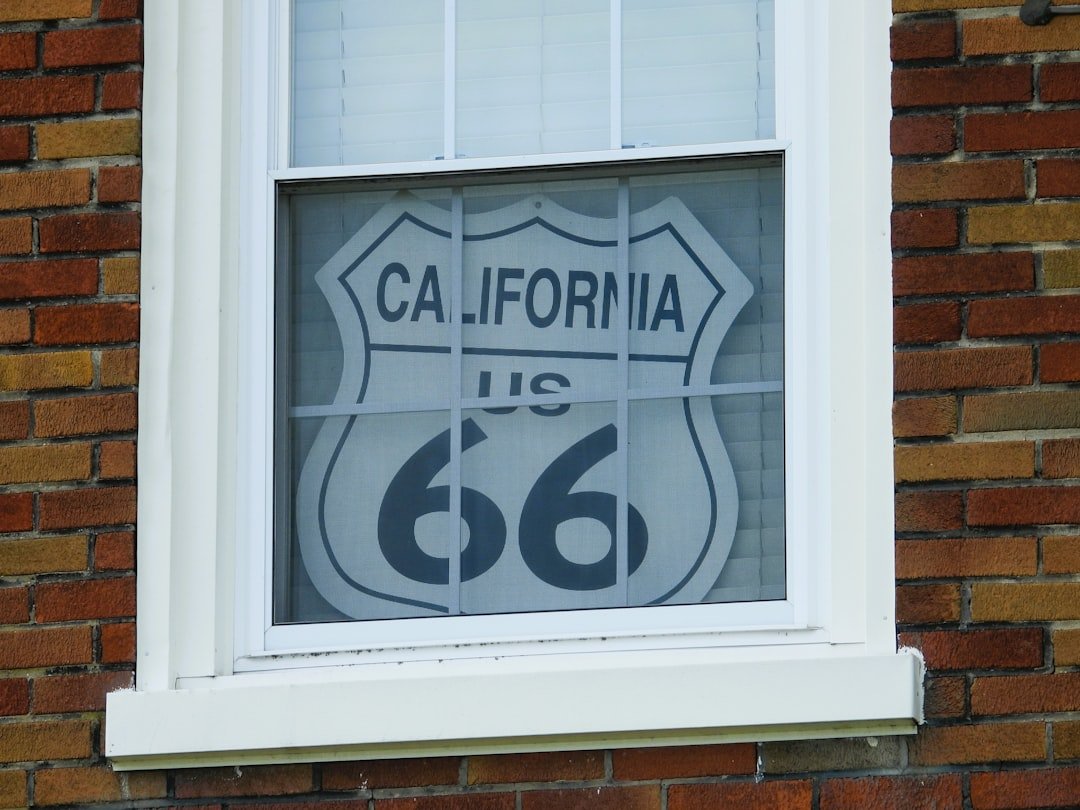
Starting in Chicago: Where the Dream Begins
Every Route 66 pilgrimage starts in Chicago, and I made a full weekend of it before pointing my car west. The city is buzzing this year — if you haven’t been recently, our complete Chicago summer guide covers everything from the new Obama Presidential Center to the neighborhoods that actually feel like the real city. The Route 66 starting point at the Art Institute is marked with a plaque, and during the centennial, there’s a whole series of kickoff events happening around Grant Park.
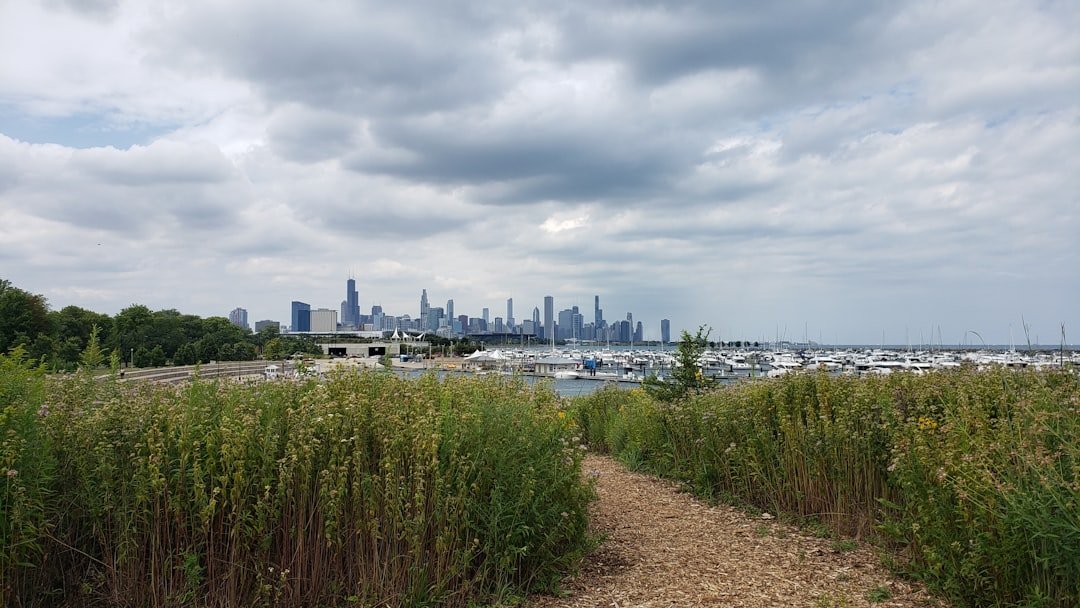
Before you leave Chicago, make sure you’re properly equipped. I grabbed a solid road trip cooler that kept drinks cold for three days straight, and a reliable dashboard phone mount — because navigating 2,400 miles of historic alignments, frontage roads, and occasional dead ends requires both hands on the wheel. Trust me on this one.
Illinois and Missouri: Small-Town America at Its Best
The first few hundred miles through Illinois are where Route 66’s personality really starts to reveal itself. You’ll pass through towns like Joliet, Wilmington (home of the Gemini Giant — a massive fiberglass astronaut statue), and Pontiac, where the Route 66 Association Hall of Fame and Museum is absolutely worth a stop. The murals painted on buildings throughout downtown Pontiac tell the highway’s story in vivid color.
Springfield, Illinois rolls out genuine Route 66 history — it’s where Abe Lincoln lived before the presidency, and the connection between Lincoln’s legacy and the highway’s promise of westward movement feels surprisingly poignant. Further south, you cross into Missouri, and Springfield (Missouri, this time) is hosting the National Route 66 Centennial Kickoff Celebration from April 29 through May 3. This is the big one — live music, classic car shows, historical exhibits, and thousands of fellow road trippers who made the pilgrimage for the centennial.
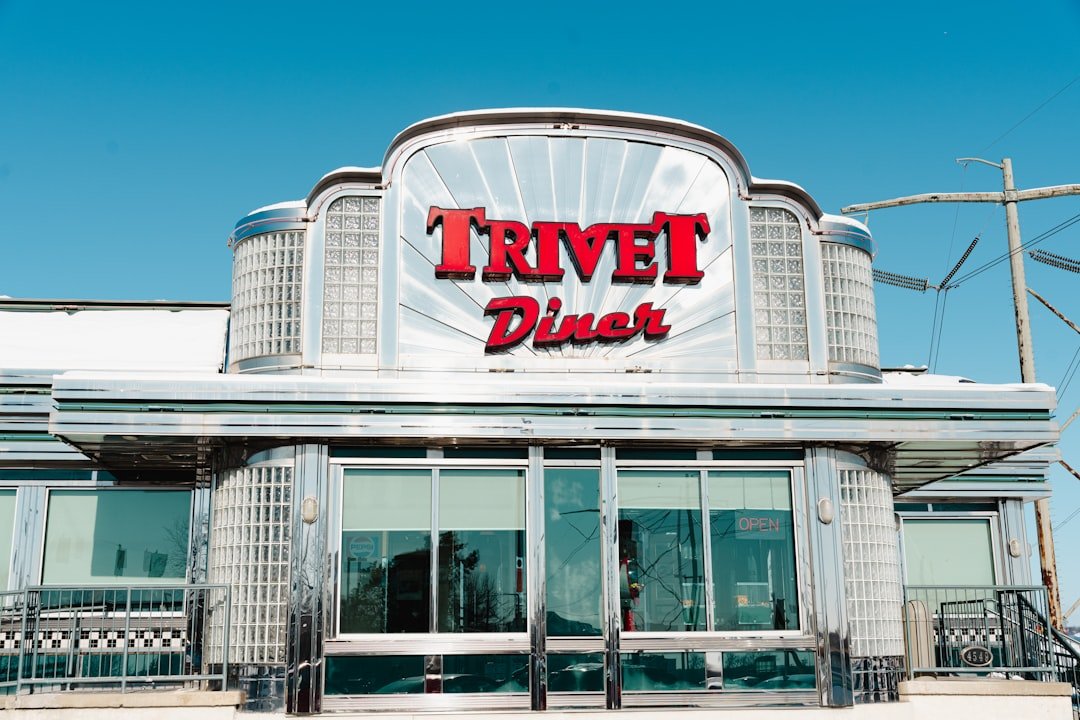
One thing I learned fast: the food along Route 66 is an attraction in itself. Family-run diners have been serving travelers for generations, and the portions haven’t shrunk. If you’re planning to camp along the way — which I highly recommend for at least part of the trip — bring a decent portable camping stove for nights when the nearest restaurant is 40 miles behind you.
Kansas, Oklahoma, and the Texas Panhandle: The Heartland Stretch
Route 66 barely clips the corner of Kansas — just 13 miles through Galena and Baxter Springs — but the Old Cars Museum in Galena is a gem for anyone who loves vintage automobiles. Oklahoma is where the route really stretches out, covering over 400 miles through Tulsa, Oklahoma City, and dozens of small towns that still trade on their Route 66 identity.
Tulsa is hosting the Route 66 Road Fest in June 2026, and it’s shaping up to be the largest centennial event on the calendar. The Oklahoma Route 66 Museum in Clinton walks you through each decade of the highway’s history, and the National Route 66 Museum in Elk City gives you the full scope of how this one road shaped American culture.
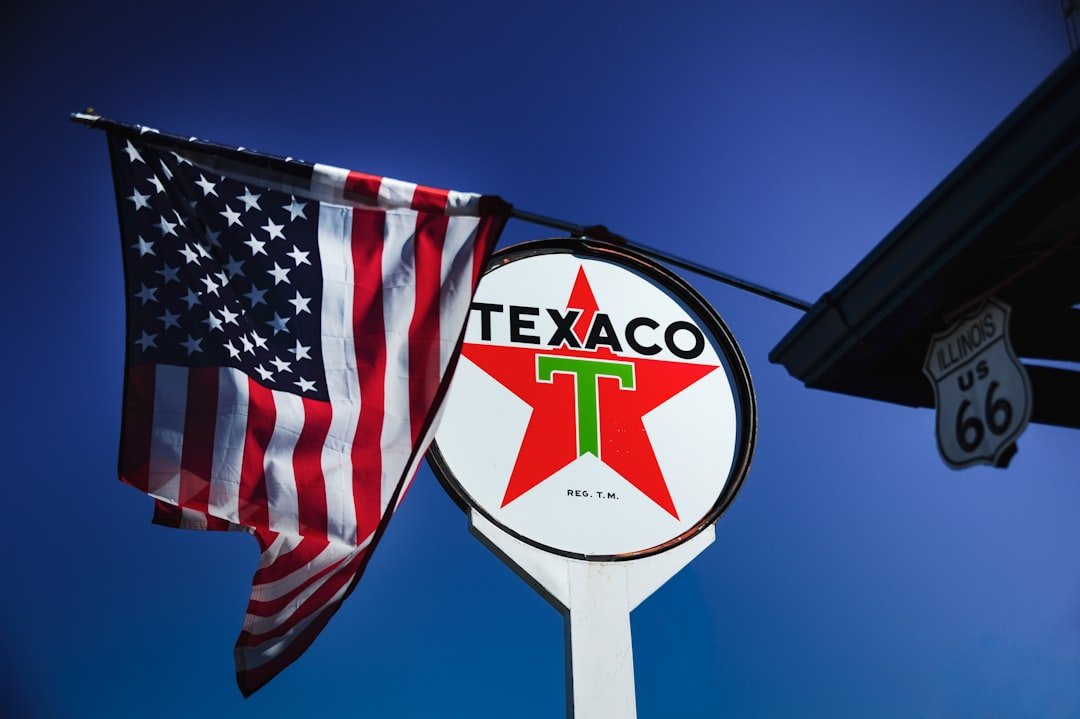
Keep your eyes peeled for the remnants of old gas stations, motor courts, and roadside attractions that defined the Route 66 aesthetic. Many have been beautifully restored for the centennial. I kept a travel journal in the passenger seat the entire trip — there’s no way you’ll remember every quirky stop without writing them down.
The Texas Panhandle section is short but memorable. Amarillo is home to Cadillac Ranch — those ten buried Cadillacs sticking nose-first out of the dirt — and it’s mandatory that you add your own spray paint to the layers of graffiti. The Big Texan Steak Ranch offers a free 72-ounce steak if you can finish it in an hour. I could not. Not even close.
New Mexico and Arizona: Desert Magic
Entering New Mexico, the landscape shifts dramatically. The high desert opens up, mesas rise on the horizon, and the sky gets impossibly wide. Tucumcari is the crown jewel of Route 66 towns — the Blue Swallow Motel, with its neon glow and lovingly restored rooms, might be the most photographed stop on the entire route. Book months in advance for the centennial year, because rooms fill fast.
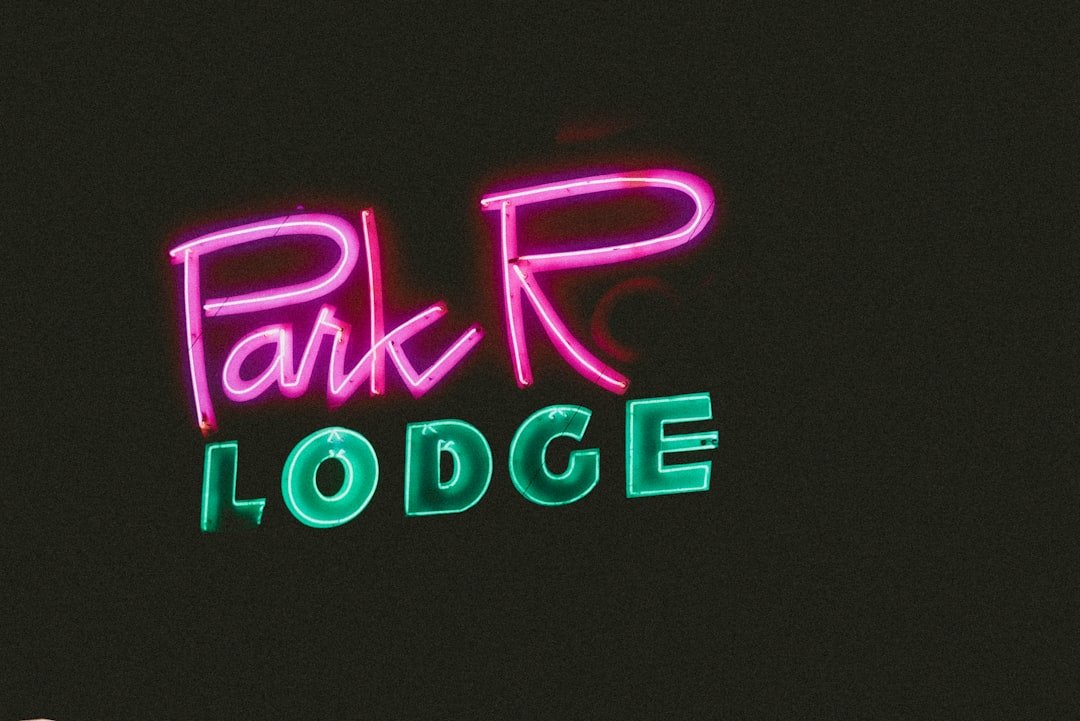
In Albuquerque, Central Avenue follows the original Route 66 alignment for miles, and the city’s Old Town district is worth a half-day of exploring. I also made time to drive the Turquoise Trail — a scenic alternate route through the mining towns of Madrid and Cerrillos that parallels the main highway and delivers some of the best high-desert scenery in the state.
Arizona is where Route 66 reaches its most spectacular stretches. The drive from Holbrook through Winslow to Flagstaff takes you through painted desert landscapes that look like they were designed for road trip photography. The Petrified Forest National Park sits right along the old alignment, and the Grand Canyon is just an hour north of Flagstaff — making this stretch ideal for a detour. Our Charleston to Savannah road trip guide covers another classic American drive, if you’re building out a whole summer of road trips.
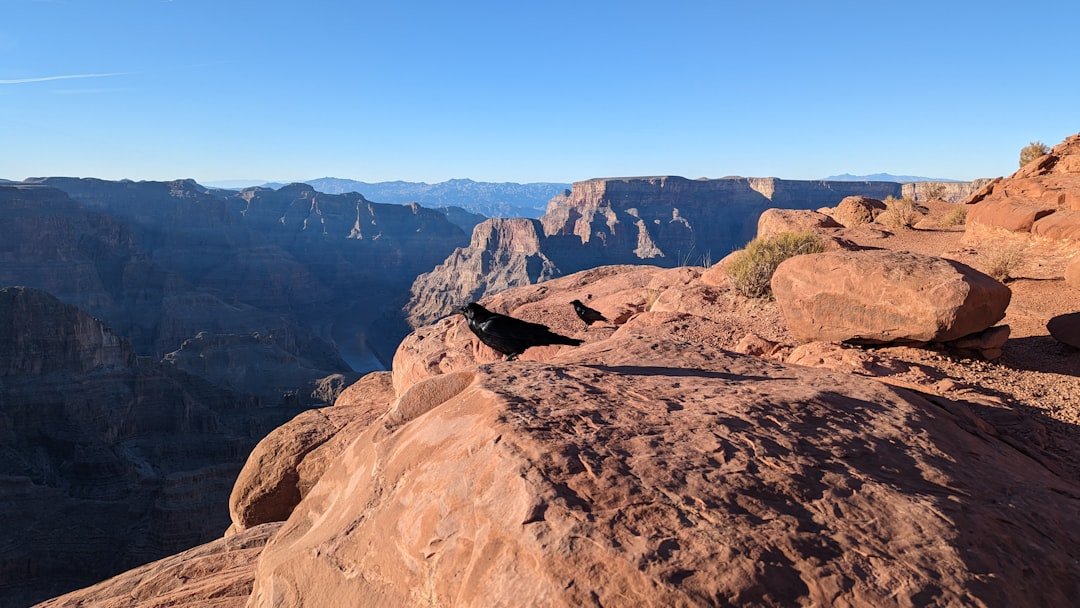
Flagstaff, Williams, Kingman, and Oatman are all hosting centennial festivals throughout 2026. Oatman is a wild donkey town — literally, burros roam the streets — and it feels like stepping into a living Western movie set. I picked up a wide-brim sun hat before this stretch and was grateful for it every mile through the desert.
The Final Push: California and the Pacific
Crossing from Kingman, Arizona into California means climbing over the Mojave Desert and dropping into the Coachella Valley. This is the loneliest, hottest, most beautiful stretch of the entire drive, and you need to be prepared. Carry extra water — gallons, not bottles. Make sure your roadside emergency kit is fully stocked, because cell service vanishes for long stretches through the desert.
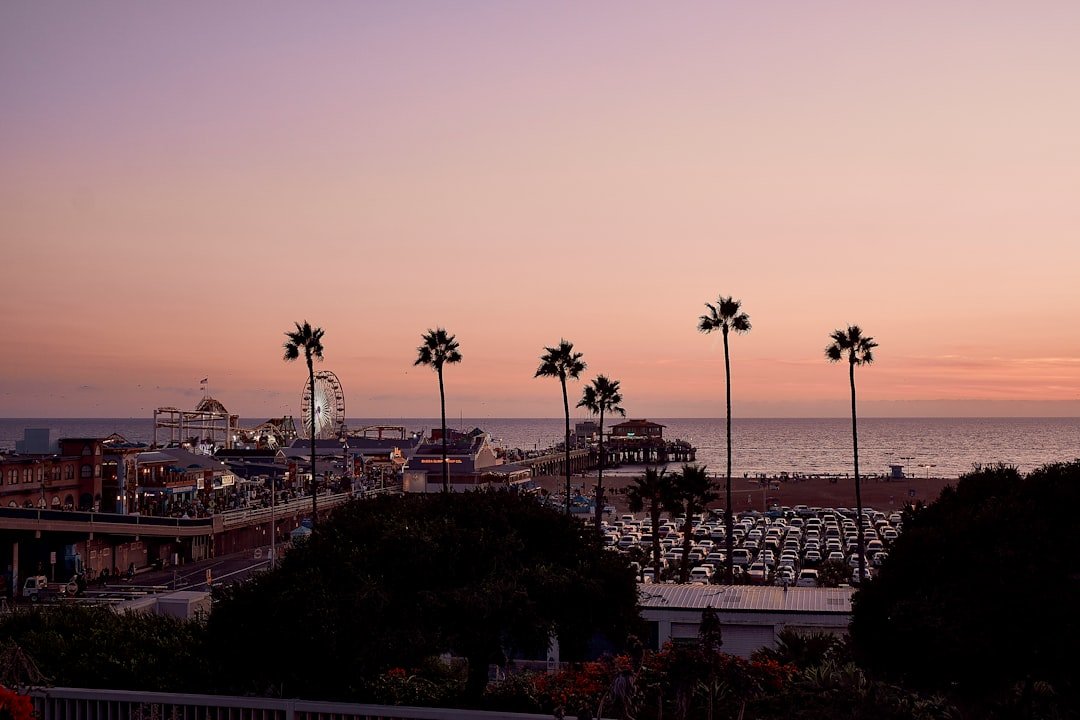
The California section passes through Barstow (home to the Route 66 Mother Road Museum), San Bernardino, and Pasadena before threading through Los Angeles and ending at the Santa Monica Pier. Standing at the “End of the Trail” sign on the pier, looking out at the Pacific after 2,400 miles, is one of those travel moments that genuinely lives up to the hype.
I drove the full route over 12 days, averaging about 200 miles per day with plenty of stops. Some people blast through it in a week, but you’d be cheating yourself. The whole point of Route 66 isn’t the destination — it’s the weird, wonderful stuff in between. The restored gas stations, the giant muffler men, the pie at the local cafe, the conversations with strangers who are chasing the same dream you are.
Planning Your Centennial Drive: What You Need to Know
The centennial celebrations run throughout 2026, but the biggest concentration of events happens from May through September. Springfield, Missouri hosted the kickoff celebration in late April and early May. Tulsa’s Route 66 Road Fest is set for June. Arizona communities have events planned all summer long, and the California Route 66 Museum in Victorville is hosting special exhibits through November — the actual 100th anniversary month.
Here’s what I wish someone had told me before my trip: you can’t drive the “original” Route 66 as a single continuous road anymore. The highway was decommissioned in 1985, and today it exists as a patchwork of state highways, county roads, frontage roads, and city streets. Some sections are beautifully marked with historic Route 66 signs; others require careful navigation. Download a dedicated Route 66 mapping app or pick up one of the excellent printed guides available at museums along the route.
Accommodations along the route range from lovingly restored mid-century motels to chain hotels in larger towns. For the authentic experience, book the historic properties — the Blue Swallow Motel in Tucumcari, the El Rancho Hotel in Gallup, the Wigwam Motel in Holbrook (you sleep in a concrete teepee). But book early for the centennial year. I’m talking months in advance for the most popular spots. A good packing cube set makes motel-hopping much easier when you’re unpacking and repacking every night.
Why 2026 Is the Year to Do This
Route 66 has always been special, but the centennial adds a layer of energy and community that you won’t find any other year. Car clubs are organizing cross-country caravans. Museums are unveiling new exhibits. Small towns that have been quietly preserving their Route 66 heritage for decades are finally getting the attention they deserve. There’s even a feature-length documentary about the Mother Road making the festival circuit this year.
The highway turned ordinary towns into American legends, and then the interstates turned many of those legends into ghost towns. But the ones that survived — and the people who kept them alive — have stories that will stay with you long after you reach the Pacific. This isn’t just a road trip. It’s a rolling museum of American ambition, reinvention, and stubborn refusal to let something beautiful die.
If you’ve been waiting for a sign to drive Route 66, this is it. The Mother Road is 100 years old, the neon is lit, and the coffee at the next diner down the road is always hot. All you have to do is point your car west and go.
For more road trip planning resources, check out our guides to cross-country road trip safety and the best portable coffee makers for road trips — because bad coffee on a 2,400-mile drive is a crime against the journey. And if you’re looking for something to listen to along the way, a portable Bluetooth speaker makes every motel room feel a little more like home.
1 thought on “Route 66 Turns 100: Driving the Mother Road During the 2026 Centennial”