There is a moment, halfway across the bridge that leaves Jupiter and angles toward the barrier island, when the mainland noise simply stops. The Intracoastal opens up beneath you, the water goes from channel-deep green to the impossible turquoise of the shallows, and ahead stands a thin green ribbon of land that most Floridians have never set foot on. No high-rises. No beach bars. Just seventeen miles of sea grapes, hedges, and some of the most expensive private real estate in the United States.
Jupiter Island, Florida, is a genuine oddity. It is, by most measurements, one of the wealthiest zip codes in America — a place where a handful of PGA Tour champions, entertainers, and quietly enormous fortunes have built compounds behind walls of ficus. And yet the road that runs the island’s entire length, State Road A1A, is public. Anyone can drive it. Anyone can, with a little local knowledge, find sand on the ocean side that belongs to no one at all. The drive from the Jupiter Inlet Lighthouse in the south to Hobe Sound on the mainland takes under an hour without stopping, but that would be missing the point entirely. This is a road to be taken slowly, windows down, polarized sunglasses on, with a playlist that matches the water.
Where Exactly Is Jupiter Island?
Jupiter Island sits in Martin County on Florida’s Treasure Coast, roughly ninety minutes north of Miami and twenty minutes south of Stuart. It is a barrier island in the classic Florida mold — a narrow sand ridge between the Atlantic Ocean and the Indian River Lagoon — but unlike its neighbors to the south, it never developed a tourism economy. The town incorporated in 1953 specifically to keep it that way, enacting some of the strictest zoning in the country: enormous minimum lot sizes, a ban on commercial development, and a population that has hovered around eight hundred people for decades.
The result is a landscape that feels almost anachronistic. Where Miami Beach stacked condos forty stories high, Jupiter Island kept its dunes. Where other barrier islands paved over their maritime hammocks, this one left its canopy of sable palms, gumbo limbo, and strangler figs largely intact. The town maintains its own police force, its own fire rescue, and a famously low tolerance for tour buses. What it does not maintain — and this surprises people — is any illusion of ownership over the beach itself. Under Florida law, everything below the mean high-water line belongs to the public. The trick is simply getting to it, and that is where a little planning pays off.
Starting at the Jupiter Inlet Lighthouse
The best version of this drive begins at its most photographed landmark. The Jupiter Inlet Lighthouse, completed in 1860, is a 108-foot red-brick tower that stands on an ancient Tequesta shell mound at the junction of the Loxahatchee River and the inlet. A young Army engineer named George Meade — yes, the future general who would win the Battle of Gettysburg — had a hand in its design, and climbing the 105-step spiral staircase to the gallery is worth every bit of the effort. From the top you can see the entire geography of the day ahead of you: the mainland, the inlet, the Loxahatchee snaking inland, and the southern tip of Jupiter Island waiting patiently across the water.
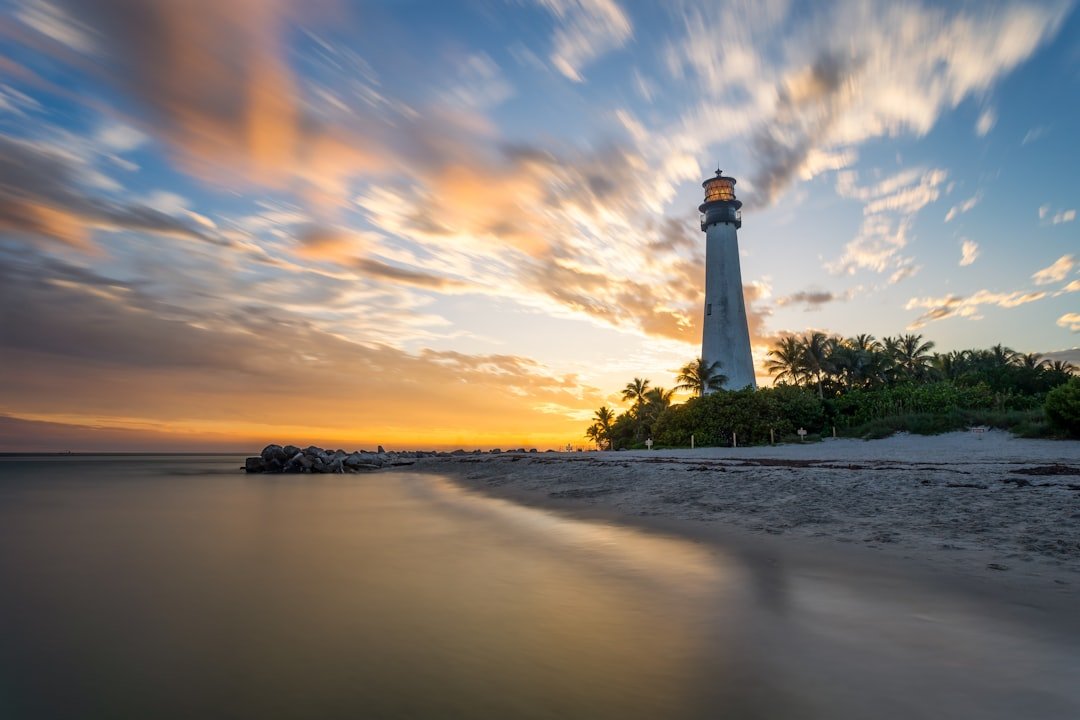
The lighthouse grounds themselves deserve an unhurried hour. The keeper’s quarters house a genuinely good museum on the region’s maritime and Seminole-era history, and the Tindall Pioneer Homestead site tells the story of the families who scratched out a living here long before the fortunes arrived. If the visit leaves you smitten — and it tends to — large-format lighthouse wall art is a surprisingly popular souvenir among visitors who want to bring a piece of that red tower home. From the lighthouse, it is a short hop north through downtown Jupiter to where A1A crosses the water and the island drive properly begins.
The Drive: Seventeen Miles of Deliberate Quiet
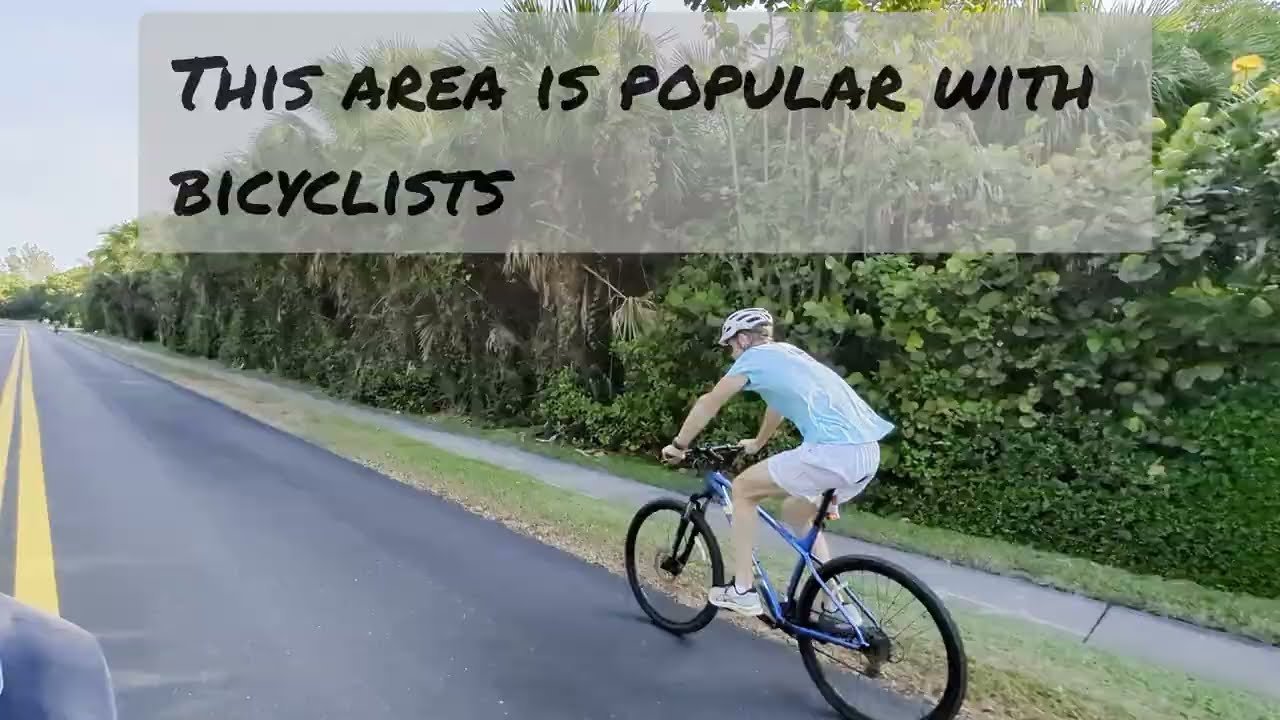
Beach Road, as the island’s stretch of A1A is known locally, is a narrow two-lane road with no lights, no billboards, and almost no visible human activity. The vegetation presses close on both sides — sea grape on the east, mangrove and gumbo limbo on the west — and it opens up only occasionally to flash a sliver of ocean or a glimpse of a driveway disappearing behind a hedge that cost more than most houses. The speed limit is modest and strictly enforced by a police department whose entire job is, in essence, this road. Take the hint. Roll the windows down instead.
What makes the drive genuinely rewarding, rather than just a gawk at gates, is how much wildness survives here. Ospreys work the lagoon side of the island. Manatees surface in the coves. In spring and fall, the hammocks drip with migrating warblers, and the ocean side preserves some of the last undeveloped dune systems on this stretch of the Atlantic. The full-length experience — inlet to Hobe Sound and back — is captured beautifully in this 360-degree tour, which lets you pan around the entire route as it unfolds:
Navigation on the island could not be simpler: there is one road, and it goes north. What deserves a place in your glovebox rather than your phone is a proper road atlas of Martin County, because the paper version shows the beach access points, parks, and bridge crossings more clearly than most apps — and cell service on the island can be patchy under the canopy. For the ride itself, a collection of coastal-leaning music on the stereo completes what is, in truth, one of Florida’s great short drives.
Finding the Public Beach Accesses
Here is the local knowledge that unlocks the island. While the private estates dominate the road, several genuinely public beach spots dot the ocean side, and they are rarely crowded precisely because so few visitors know they exist. Coral Cove Park, toward the island’s northern end, offers free parking, restrooms, and a rock-strewn shoreline where the Anastasia limestone pokes through the sand. Hobe Sound Beach at the island’s northern tip sits just before the bridge back to the mainland. And the Nature Conservancy’s Blowing Rocks Preserve — more on that below — anchors the central coast. Arrive early, bring a beach umbrella with a proper sand anchor because the afternoon sea breeze is reliable and stiff, and you may share a stretch of sand with a dozen people at most.
The Wealth Factor: Why the Richest Choose Quiet
It is worth pausing, even mid-drive, to understand what you are looking at. Jupiter Island’s zip code routinely appears at or near the top of national rankings of America’s wealthiest communities, ahead of Palm Beach and Beverly Hills on a per-household basis. The roster of current and former landowners reads like a casual survey of golf’s modern history — Greg Norman and Tiger Woods have both owned major compounds here — alongside names from music and industry who value exactly what the island engineered: discretion. There are no restaurants to be photographed leaving, no clubs to join visibly, no reason for a paparazzi telephoto lens to make the trip.
The island’s extreme privacy has even fed a small literary genre. A certain flavor of South Florida mystery novel has long used Jupiter Island as a backdrop — money, isolation, and salt air make for good fiction — and visitors with a long drive ahead of them sometimes pack a murder mystery set on Jupiter Island itself for the full atmosphere. There is something fitting about it. The hedges are so high, the driveways so long, that the imagination naturally fills in what the eye cannot reach.
Blowing Rocks Preserve: Florida’s Wildest Shoreline
Midway down the island lies its single most dramatic piece of public land. Blowing Rocks Preserve, managed by the Nature Conservancy, protects seventy-three acres where the largest exposed outcropping of Anastasia limestone on Florida’s Atlantic coast meets the open ocean. The rock is jagged, pocked with Swiss-cheese holes, and tinted orange and cream — a shoreline that looks transplanted from another continent entirely. When a strong northeast swell coincides with high tide, waves compress into the holes and erupt as geysers that can, on the best winter days, throw spray fifty feet into the air. It is one of the only places in Florida where the beach itself puts on a show.
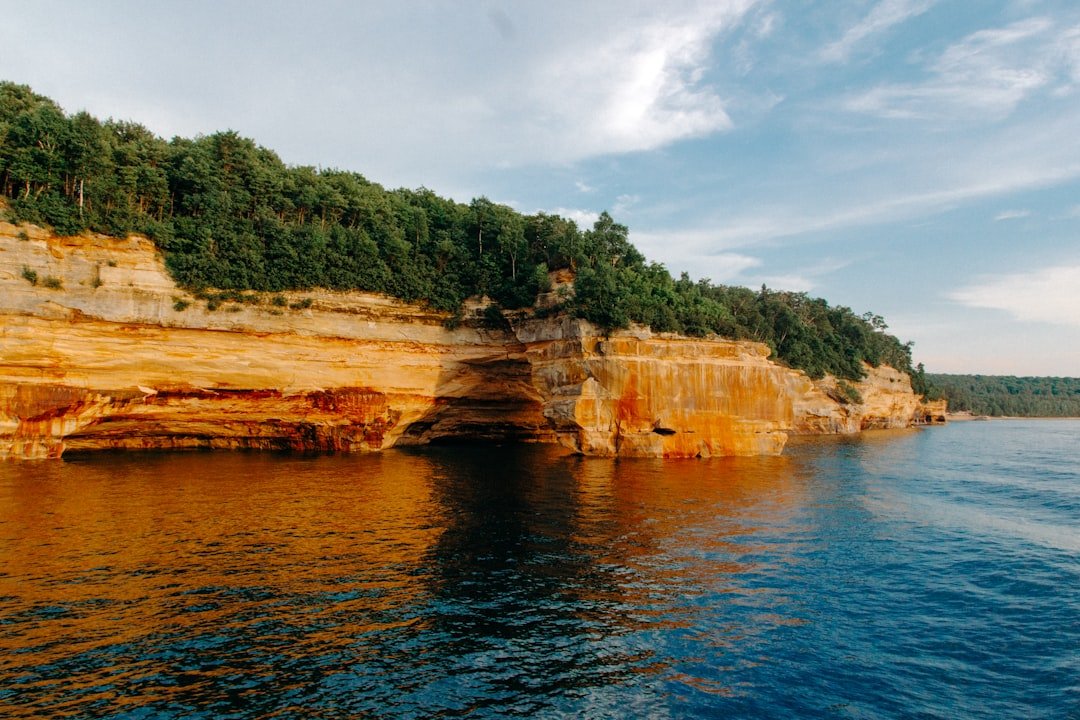
Visit in summer and you get a different preserve entirely: the sea grape tunnels leaf out into deep green shade, the rocks glow in the late-afternoon light, and the beach becomes a working nursery for sea turtles. The modest admission fee funds habitat restoration, and a short boardwalk trail connects the ocean side to the lagoon side, where mangroves filter the tea-colored water of the Indian River Lagoon. Bring more water than you think you need — shade is scarce on the shoreline — and slather on reef-safe mineral sunscreen, since whatever washes off you here ends up in a very living estuary.
Sea Turtles and the Summer Nesting Season
From March through October, the beaches of Jupiter Island and the rest of Martin County become some of the most productive loggerhead sea turtle nesting habitat in the western Atlantic. In a strong summer, countywide surveys log several thousand nests — each one a tractor-tread drag mark in the sand, a soft mound, and roughly a hundred leathery eggs incubating under the sun. Greens and the enormous, rare leatherbacks nest here too. The island’s strict lighting ordinances exist almost entirely for these animals: hatchlings navigate by the glow over the ocean, and a single porch light aimed wrong can pull a whole clutch inland toward a road.
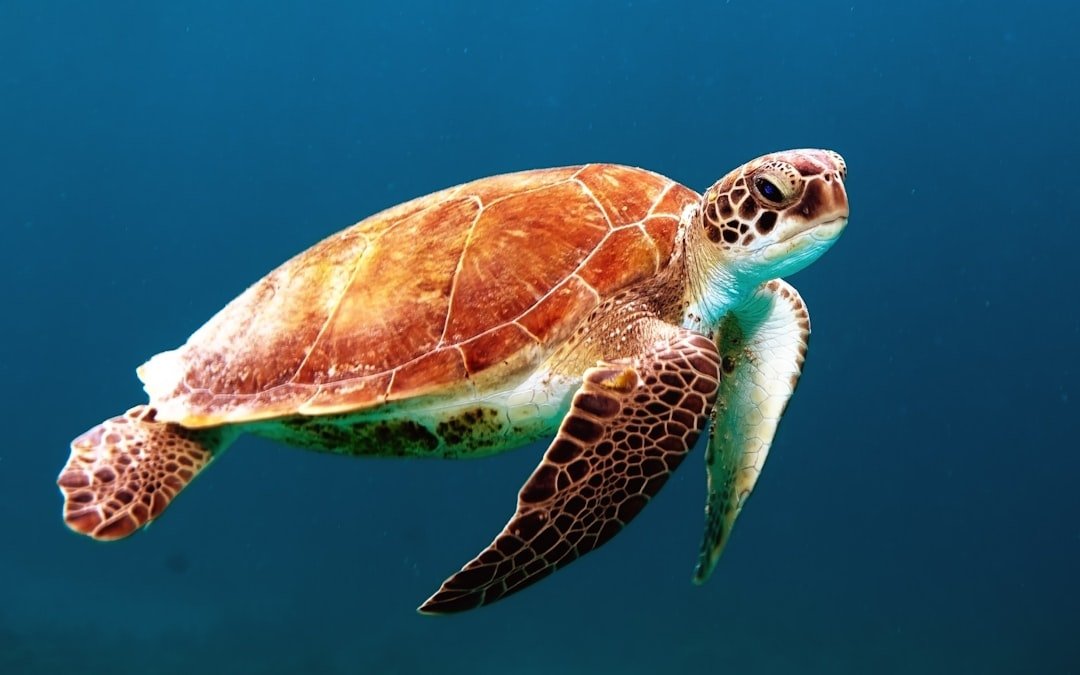
For travelers, this creates one of Florida’s understated wildlife spectacles. Early-morning beach walks in June and July reveal the previous night’s nesting tracks before survey teams document them, and late-summer visitors occasionally luck into a boil — the term for the moment a nest erupts and a hundred hatchlings scramble for the sea. Keep your distance, fill no holes, knock down no sandcastles at dusk, and leave the flashlight at home. The turtles have been running this beach for millions of years; the etiquette is to let them continue.
Paddling the Indian River Lagoon
The ocean side gets the photographs, but the lagoon side holds the life. The Indian River Lagoon system, which the island’s western shore faces, is one of the most biologically diverse estuaries in North America — a shallow, brackish highway for bottlenose dolphins, manatees, tarpon, and more wading birds than anyone has ever successfully counted on one paddle. Kayak launches on the mainland side sit minutes from the island’s bridges, and a calm morning on the water delivers the island from its best angle: silent, green, and utterly unbothered by the fortunes behind the hedges.
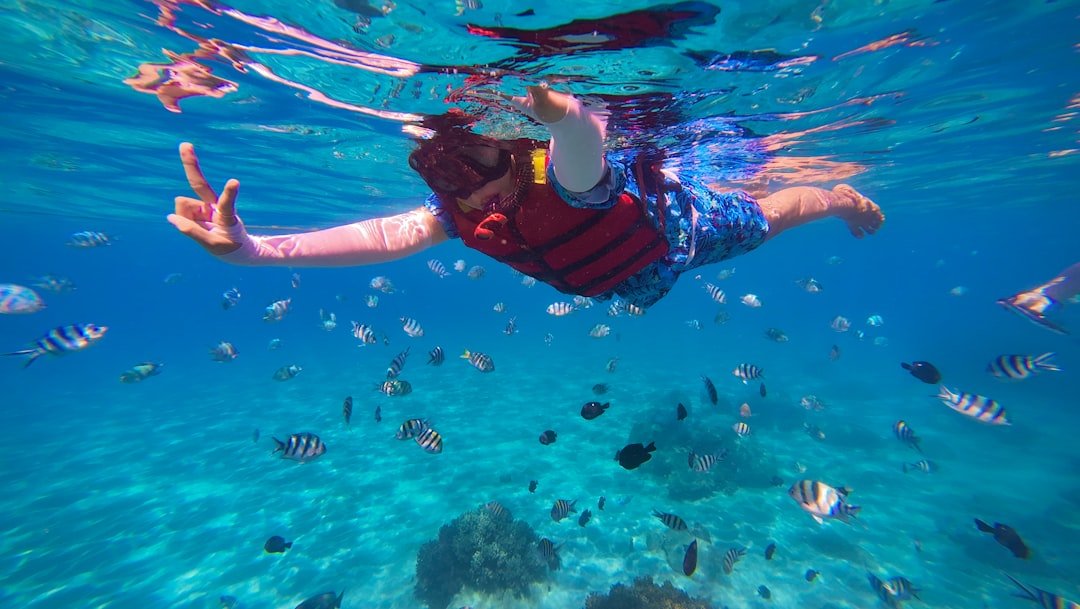
Pack electronics and a dry change of clothes in a waterproof dry bag, because the lagoon has a way of inviting spontaneous swims, and near the rocky patches around Coral Cove the snorkeling is genuinely worthwhile — small tropical fish, the occasional stingray, and water clarity that surprises people who assumed clarity ended at the Keys. A quality snorkel set fits easily in a day bag. For travelers who fall for the estuary the way many do, a well-regarded environmental history of the lagoon is the deeper read, and if paddling Florida’s quiet water is your preferred pace, our pieces on exploring the state’s hidden waterways by small boat and the Florida island you can only reach by boat are natural companions.
Hobe Sound: Where the Island Returns You to Earth
The drive ends the way a good sentence should — with a deliberate return. At the island’s northern tip, A1A bends west, crosses a short bridge over the water, and delivers you into Hobe Sound, a mainland town of murals, fish camps, and unassuming excellence in the categories that matter: coffee, tacos, and proximity to Jonathan Dickinson State Park. The park deserves at least half a day itself. Its Hobe Mountain — all eighty-six feet of it — is the highest natural point in South Florida, and the observation tower at its summit flattens the entire region into a single view: the island you just drove, the lagoon beside it, and the ocean beyond.
There is a quiet satisfaction in this route that busier Florida destinations struggle to replicate. You leave the Jupiter Inlet with its lighthouse and its history, thread seventeen miles of manicured wildness past some of the wealthiest privacy in America, stand on shoreline that belongs to the public forever, and finish in a town where nobody cares about any of it. If your taste runs toward mangrove boardwalks and overlooked coastal gems, or river towns travelers usually blow past on the highway, Jupiter Island is the drive that ties them all together. Do not wait to do the things you have talked about doing. Make someday today.
1 thought on “Jupiter Island: The 17-Mile Florida Drive Past America’s Wealthiest Addresses”