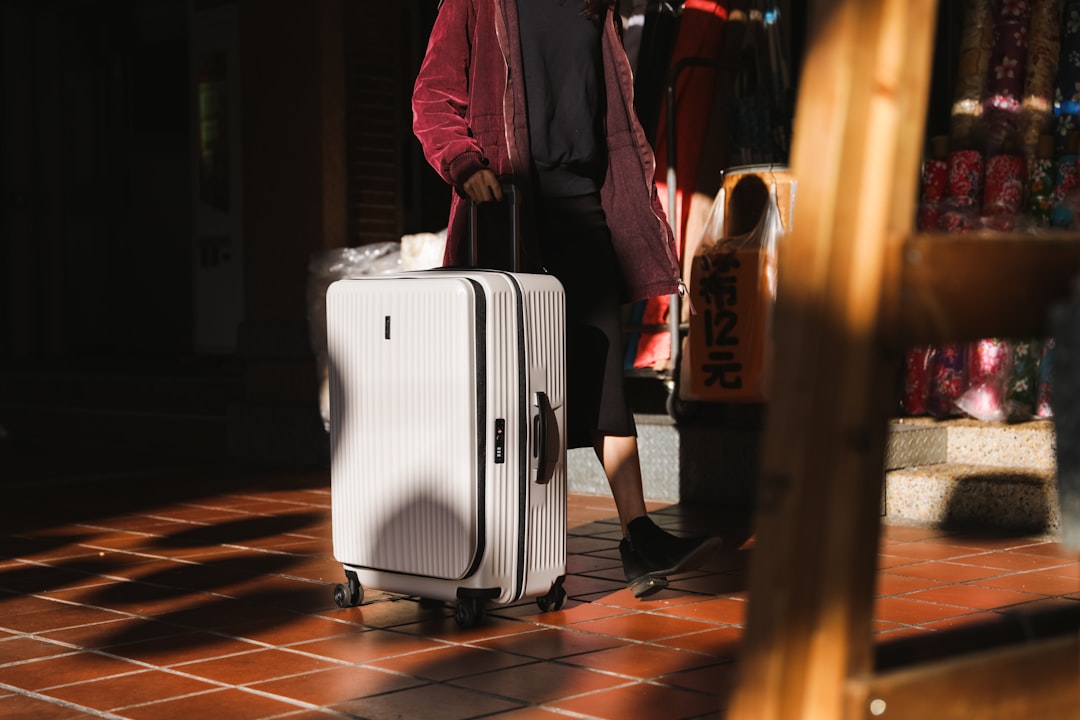
The text arrived at 11:47 on a Tuesday night, while I was standing in an airport hotel lobby in Philadelphia wearing the same shirt I’d flown in that morning: “Your bag was seen in Cleveland.” Not Philadelphia, where I was. Cleveland. Where I was not, and where no part of my itinerary went anywhere near. My suitcase had apparently decided to see the Rock & Roll Hall of Fame without me.
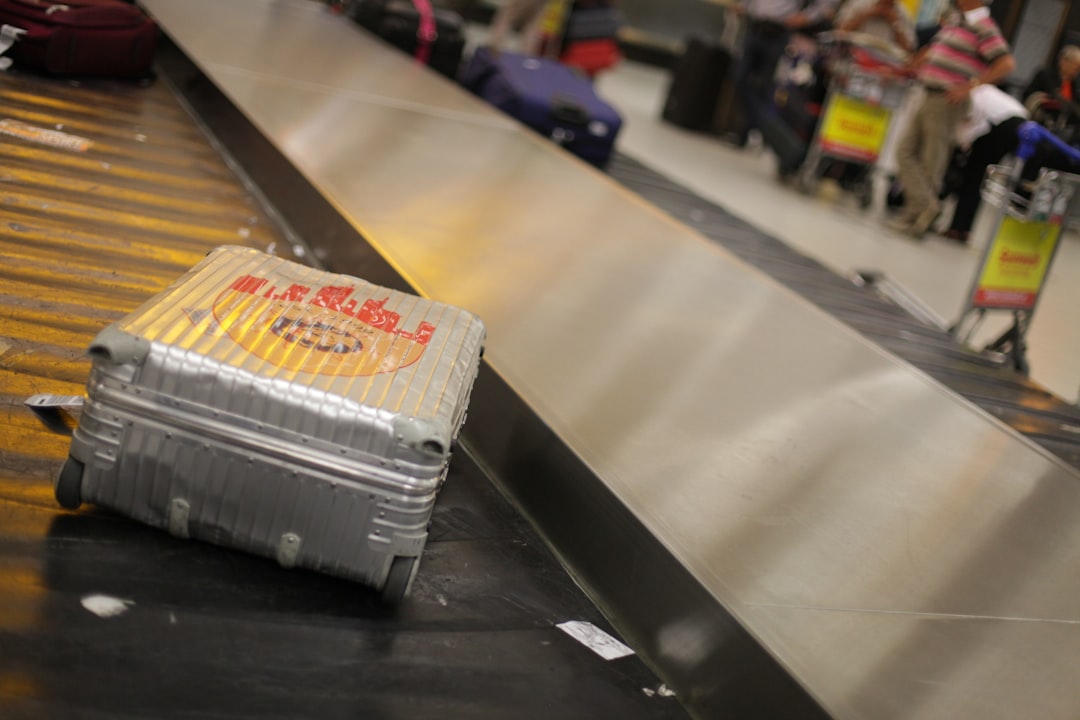
That bag carried two days of client meetings, a jacket I’d owned for a decade, and every cable I own. What it also carried — tucked into an interior pocket — was a tracker I’d wedged in there years ago after one too many close calls. The airlines lost interest in my problem roughly ninety seconds after filing the report. The tracker, at least, kept me informed while a ground crew somewhere in Ohio figured out what they’d done. If you want the full saga of what three airlines and two borders taught me about where bags actually go, I wrote the whole thing down here. The short version: the tracker got my bag back in fourteen hours, and the airline’s own system took three days to say anything at all.
That night in the hotel, I started sketching out what I actually wanted. Not a tracker I had to remember to move from bag to bag. Not a charger I had to dig out of a backpack. Luggage where the intelligence lived in the luggage. My team mocked up a shortlist, we started ordering boxes, and what follows is everything we learned about the current state of suitcases that look after themselves.
What “Smart Luggage” Actually Means in 2026
The phrase has been abused into meaninglessness — brands slap it on anything with a USB port. But the category has genuinely matured into three things: location tracking that lives inside the bag, charging built into the shell, and materials engineered so the “smart” parts don’t make the suitcase worse at being a suitcase. That last one matters more than people think. Early smart bags were heavy, fragile, and had the battery life of a sad firefly.
The tracking piece is where the real change happened. For years the answer was a separate tracker riding shotgun in a pocket, and that’s still a perfectly good solution — I’ll get to the budget path in a minute. But in the last year, luggage makers started embedding Find My-compatible electronics directly into the locks themselves, which means the tracker can’t be removed by a tired ramp agent, a sticky-fingered handler, or by you forgetting to transfer it into the bag you’re actually taking. The bag reports itself. No accessories, no ritual, no thinking.

The Tracker That Lives Inside the Lock
The one that ended up in my hallway after weeks of testing is the July Checked with CaseSafe, and the concept is elegantly weird: the world’s first integrated, trackable TSA lock. The lock — the part of a suitcase no thief wants to pry open and no airline wants to damage — houses electronics that ping Apple’s Find My network and Google’s Find Hub. Setup took me less than a minute; the bag appeared on my phone’s map next to my keys, and that was that.
On a practical level, this solves the two failures of pocket trackers. First, placement: buried in a pocket, a tracker’s signal gets muffled by clothing and the bag’s shell. Built into the lock housing near the zipper line, it sits at the edge of the bag with half the world to talk to. Second, permanence: you cannot forget to pack it, because it is the lock. The bag itself is German polycarbonate with an eggshell curve, spinner wheels quiet enough to roll past a sleeping toddler, and a compression strap system that genuinely buys back space — the 24.5-inch version swallowed a week of my gear with room for the souvenirs I inevitably buy and immediately regret.

Is it perfect? No. The Find My integration means Android households get routed through Google’s Find Hub, which works but feels second-class. And at $255–$295 depending on sales, it’s an investment in one bag rather than a fleet. My take after a month: the tracker-in-lock design is the direction the entire industry will copy within two years, same as removable power banks after the 2017 lithium rules. Buy it now or wait for the imitators — but the concept is permanent.
The Battery Rule Every Airline Is Actually Enforcing
Here’s the part of smart luggage nobody warns you about, and it’s the reason half the category died in 2018: lithium batteries and cargo holds don’t mix, and airlines got strict about it. If a bag with a built-in battery is going to be checked, the battery must come out and ride in the cabin with you. Period. Gate-checking a carry-on counts — pull the battery before you hand it over at the jet bridge, or be that person holding up the line while forty people glare at you.
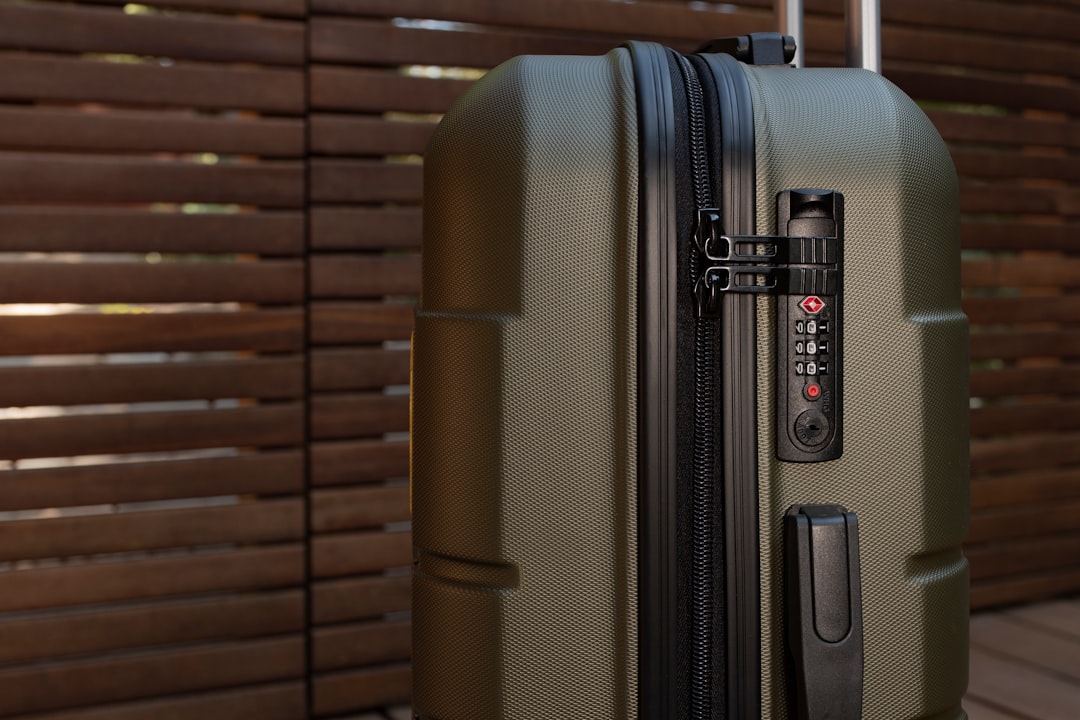
The current generation of smart bags handles this properly. July’s power bank pops out of a housing behind the wheels without tools — a five-second operation my colleague demonstrated to a skeptical gate agent in Denver who’d clearly never seen the model before. The lesson we burned into our checklist: whatever bag you buy, test the battery removal at home, in bad light, in a hurry. If it needs a coin, a fingernail sacrifice, or a prayer, it will fail you exactly when a departure board is counting down against you.
Charging at the Gate Without Wrestling for an Outlet
The built-in power bank is the feature I expected to ignore and ended up relying on most. Airport outlets are a battleground — two plugs shared by a gate area of ninety people, one of whom is charging a laptop, a tablet, and what appears to be a drone. A battery that lives in your suitcase means you stroll past the scrum, find an actual seat, and top up from there.

If your current luggage is staying, the standalone version of this freedom costs about thirty bucks: an Anker 10,000mAh power bank rides in any personal item and covers a phone two full charges. Pair it with a compact charging cube for hotel rooms — the $40 cube my whole team now travels with turned out to be one of the best upgrades we’ve covered all year. The built-in battery in a smart bag is cleaner, but don’t let a non-smart suitcase stop you from fixing the dead-phone problem this week.
The Budget Path: Make the Bag You Own Smarter
Here’s my honest advice if $300 for luggage isn’t in this month’s budget — the tracking half of smart luggage costs about the same as dinner for two. An Apple AirTag 4-pack covers every bag in your house with spares for keys and a camera case. The upgrade most people skip is the mount: a bare AirTag rattling around a suitcase pocket works, but a proper locking AirTag holder with a cable anchors it to the bag’s frame so it can’t migrate into a shoe or vanish during a security inspection. Android household? The Life360 Tile tracker runs the same play on its own network, no Apple gear required.
The budget path even extends to powered luggage. Wrangler’s Smart Spinner carry-on runs under $100 with a charging port and a removable battery, and it’s the bag I hand to guests who insist smart luggage is a rich person’s toy. It won’t survive a decade of abuse the way premium shells will — mine retired after two years of weekly flights — but it proves the concept without the invoice.

The Deep End: When the Bag Outlives the Electronics
At the top of the market sits the argument that a suitcase should be a twenty-year object, which changes the math entirely. Briggs & Riley’s expandable hardside carries a lifetime guarantee that includes airline damage — the company will repair what a conveyor belt does to it, forever. That’s a different philosophy from replaceable-tech-in-a-shell: buy the chassis once, and if you also want tracking, a $25 tag inside is a rounding error across two decades of service.
I keep going back and forth on which philosophy wins, and I suspect the answer is personal. If you replace luggage like I replace running shoes, integrated tracking makes sense because you’ll never own the bag longer than its electronics. If you buy one bag per lifetime, buy the immortal shell and add cheap trackers as a subscription. I ran my own carry-on conversion experiment earlier this summer — here’s the kit that got me down to a single overhead-bin bag — and the smartest item in it wasn’t smart at all. It was just well made.
Habits That Matter More Than the Hardware
Two cheap rituals from my team’s flight logs save more heartache than any tracker. Weigh before you go: a digital luggage scale costs about the price of one overweight-bag fee and kills the gate-side repacking dance in front of strangers. And lock everything even when it’s carry-on — a set of TSA-approved combination locks costs less than lunch and turns opportunistic theft into somebody else’s problem. Zippers are the weakest point on any bag, smart or dumb, and a lock is still the cheapest insurance in travel.
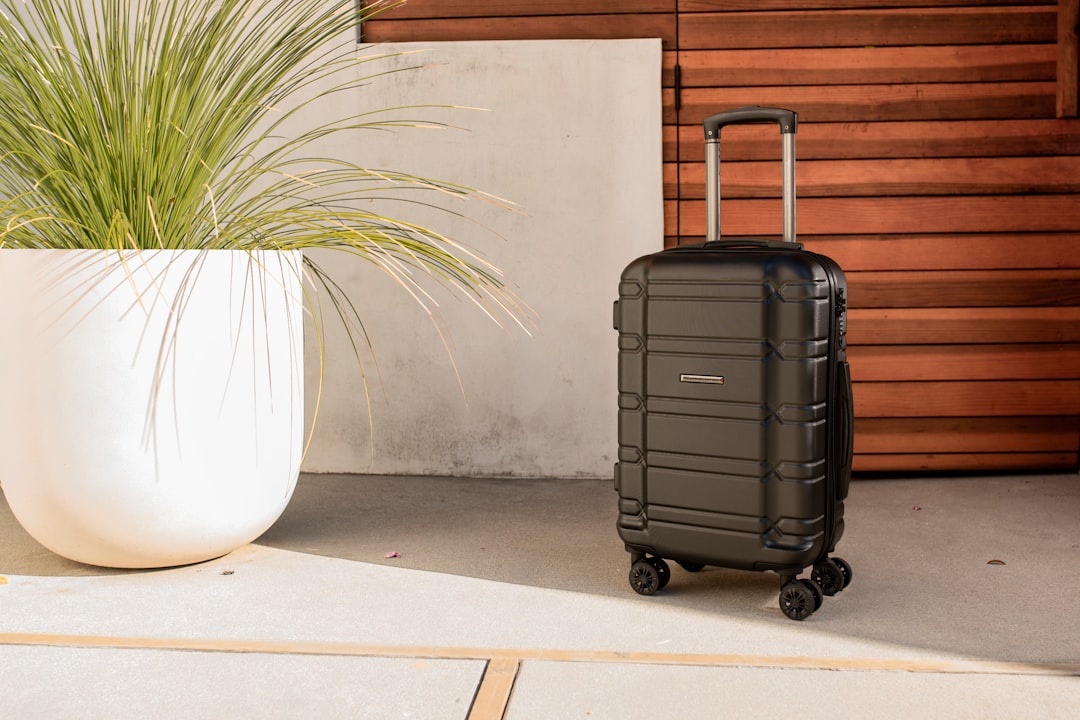
The Cleveland bag made it home, by the way. It rolled off a carousel twenty-six hours later looking smug, with the tracker in the pocket having done its quiet, unglamorous job. But the next trip, the bag told me where it was from inside its own lock, charged my phone at the gate, and never asked me to remember anything. That’s the whole pitch of this generation of luggage in one sentence: the remembering stops being your job. For a chronic over-packer who once tracked a suitcase across two countries from a hotel lobby, that’s not a gadget. That’s peace of mind with wheels on it.
1 thought on “My Suitcase Texted Me From Cleveland: Why I Finally Bought Luggage That Tracks Itself”