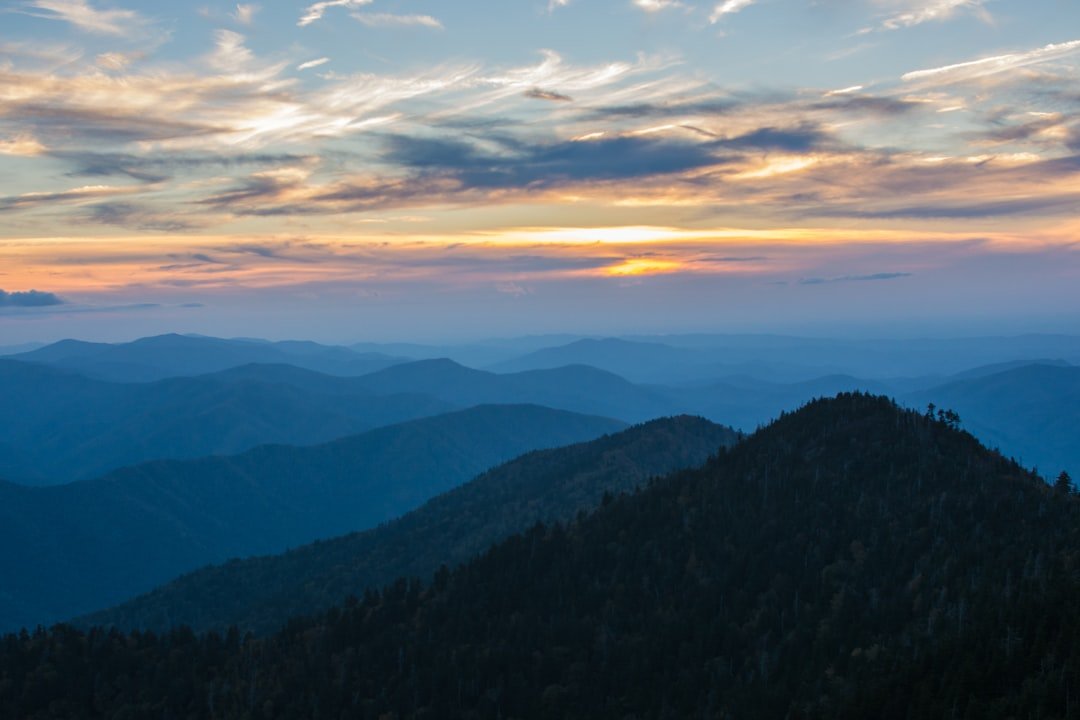
I’ve seen some wild things in my years of chasing experiences across North America — northern lights flickering over Iceland, bioluminescent bays glowing in Puerto Rico, a meteor shower from the floor of Death Valley. But nothing, and I mean nothing, prepared me for the night I sat on a damp log in the Tennessee woods and watched an entire forest start to blink in unison. The synchronous fireflies of Great Smoky Mountains National Park aren’t just a natural phenomenon. They’re a reminder that the planet is still capable of things that feel genuinely magical.
This year’s event runs May 20–27, 2026, and if you haven’t entered the lottery yet, you’re already behind — results went out May 6th. But whether you scored a pass or you’re planning for next year, here’s everything I learned from my own pilgrimage to Elkmont, plus what I wish someone had told me before I went.
What Are Synchronous Fireflies, Exactly?
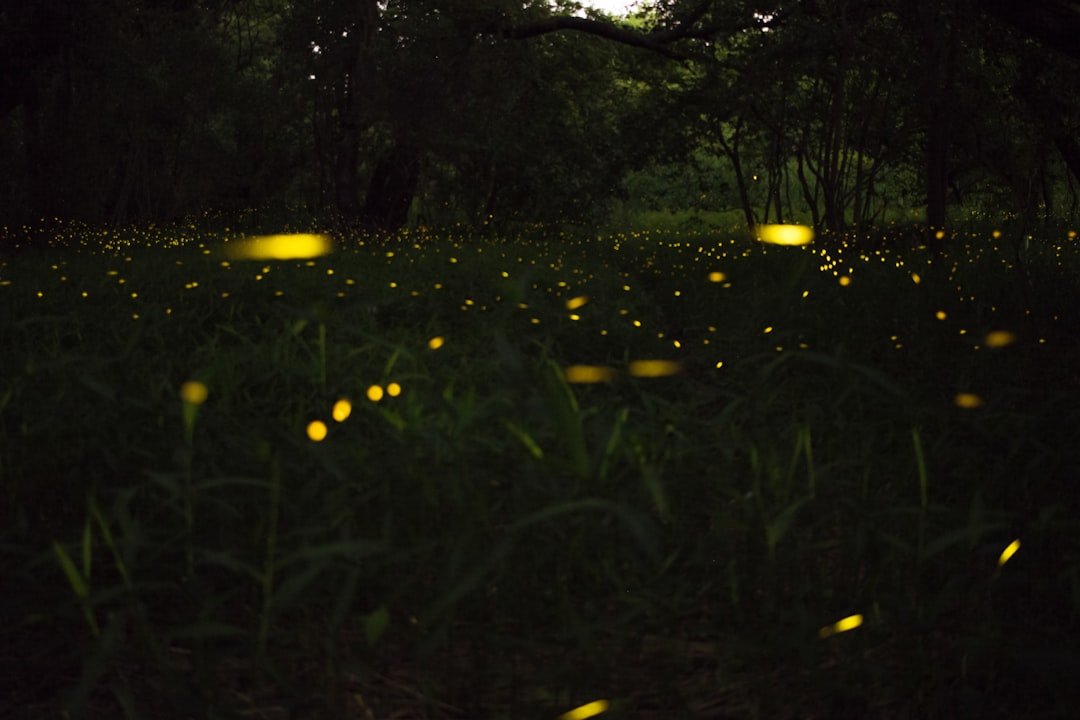
The star of this show is Photinus carolinus, one of at least 19 firefly species that live in Great Smoky Mountains National Park, and the only one in North America that synchronizes its flash pattern. Males flash together in bursts of five to eight, then all go dark at once, then flash again. When hundreds — sometimes thousands — of them coordinate across the forest floor and the understory, the effect is hypnotic. The darkness pulses like a heartbeat.
Scientists still don’t fully agree on why they sync up. The leading theory is competitive courtship: males flash together to give females a clear comparison of who’s brightest and fastest, and females respond with a single answering flash to signal interest. Whatever the evolutionary reason, the result is one of those rare natural spectacles that photographs terribly and astonishes in person. You really do have to be there.
The Lottery: How to Actually Get In
Here’s the part that trips people up. You can’t just drive to Elkmont in late May and expect to see the fireflies. The National Park Service limits vehicle access during the eight-day viewing period, and the only way in is through a lottery system on Recreation.gov.
For 2026, the lottery opened April 24 and closed April 27. You pick two preferred dates, pay a $1 application fee, and wait. Selected applicants are charged $29 per vehicle reservation, which admits one vehicle with up to seven people. The park issues only 120 reservations per night — that’s 960 total across the entire event. One application per household, non-refundable, non-transferable.
The odds aren’t great, but they’re not terrible either. My advice? Be flexible on dates. Mid-week nights tend to have fewer applicants, and the fireflies don’t care what day of the week it is. I went on a Tuesday and the display was just as spectacular as any weekend night would have been.
What to Pack for Firefly Viewing
The viewing experience lasts three to four hours from the moment you park to the time you get back to your car. You’ll be sitting in the woods, in the dark, in late May in the Smokies. That means humidity, bugs, and temperature drops after sunset. Here’s what I brought and what I’d change next time.
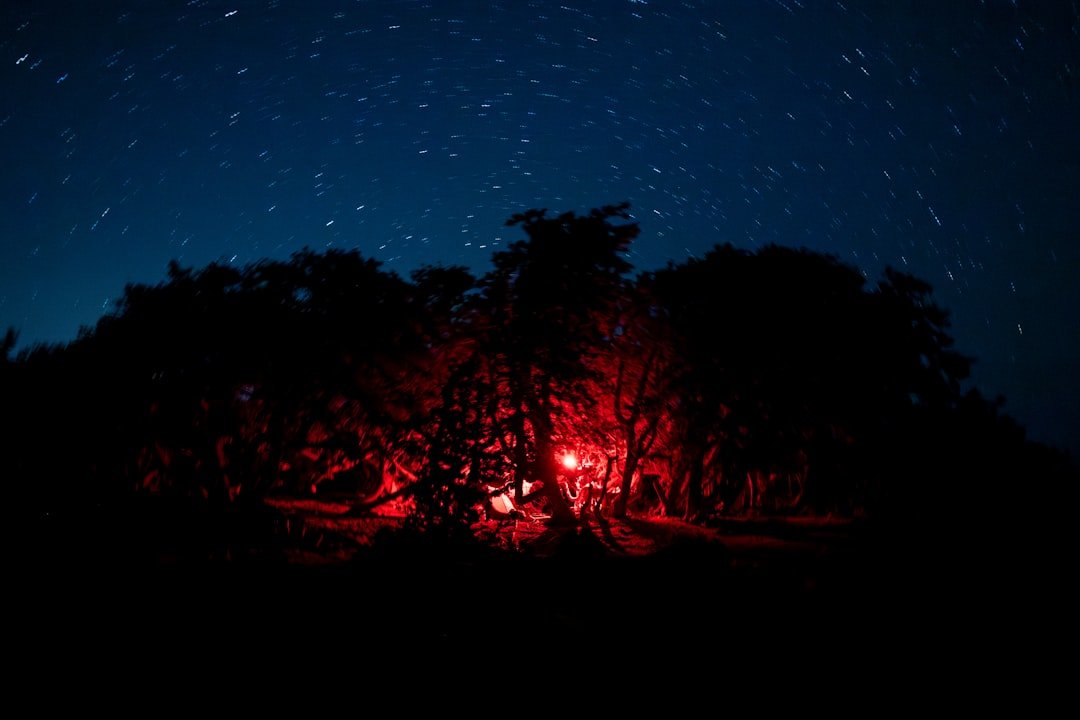
First and most important: a red-light flashlight or headlamp. White light disrupts the fireflies and ruins the experience for everyone around you. Park rangers will send you back to your car if you’re using white light. A red light preserves your night vision and keeps the fireflies doing their thing. I used a headlamp with a dedicated red mode and kept it on the lowest setting.
Bring a lightweight camping chair or a blanket. You’ll be sitting still for over an hour while you wait for full darkness and the peak display. The ground at Elkmont is damp and uneven. I brought a small packable blanket, but a camp chair would have been much more comfortable. Just keep it compact — space is limited along the viewing areas.

You’ll also want good bug repellent. May in the Smokies means mosquitoes and gnats, period. I went with a DEET-free formula because I was worried about damaging some of my gear, and honestly, I should have gone stronger. The bugs don’t care about your natural ingredients. Bring the real stuff and reapply.
Layers matter more than you’d think. It was nearly 80 degrees when I arrived at 7 p.m., and in the mid-50s by the time I walked back to my car at 11. A packable down jacket and a light travel blanket are worth the extra weight in your daypack. You won’t regret it when you’re sitting motionless in the dark for two hours.
The Experience: Arriving at Elkmont
If you won the lottery, here’s how the evening actually unfolds. You’ll arrive at the Sugarlands Visitor Center parking area, where shuttle buses transport lottery winners to the Elkmont viewing area. The shuttles start running in the late afternoon, and I’d recommend getting on one of the earlier runs. You want time to find a good spot, settle in, and let your eyes adjust before the show starts.
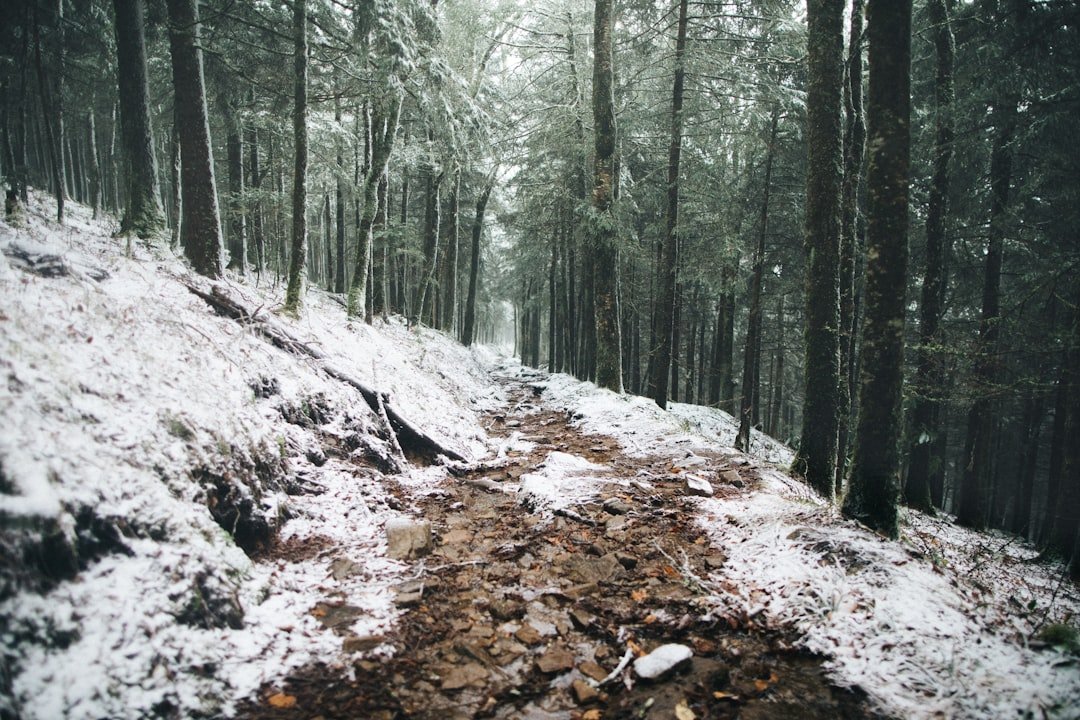
The viewing area is along the Little River and Jakes Creek trailheads, near the Elkmont Campground. Park staff and volunteers guide you to designated viewing spots. You’re not allowed to wander freely — this is about protecting the fireflies’ habitat during their mating season, and the restrictions are completely justified. The fireflies need darkness and undisturbed forest floor to do their thing.
As dusk settles, you’ll start seeing scattered flashes — lone fireflies warming up. It’s like watching a crowd arrive at a concert before the band comes on. Random blinks here and there, no rhythm yet. Then, somewhere around 9:30 or 10 p.m., depending on how dark the sky is, it happens. A cluster of flashes goes off together. Then another. Within minutes, the entire forest is pulsing.
I’ve tried to describe this to people and I always fail. The word “synchronous” makes it sound mechanical, like a light show at a theme park. It’s not. It’s organic and imperfect and alive. Waves of light ripple through the trees, brighter in some areas, dimmer in others, with pockets of darkness that make the next burst even more dramatic. The flashes are soft — a warm, greenish-yellow — and they illuminate the forest in layers, from the leaf litter all the way up to the canopy.
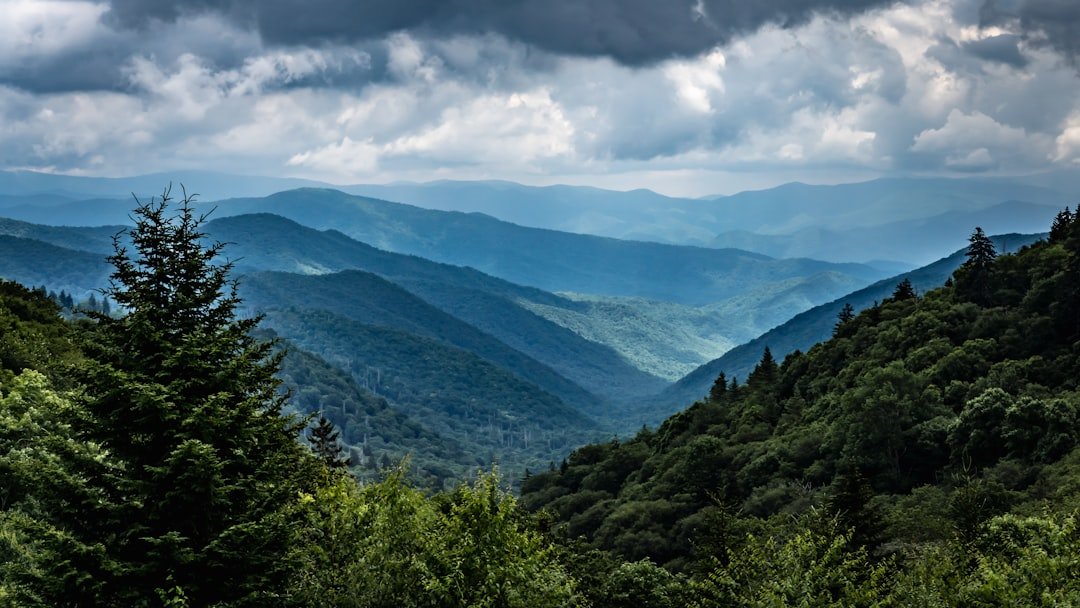
Photography Tips (And Why You Should Put the Camera Down)
I brought my travel tripod and my best low-light lens. I spent the first 30 minutes trying to get the shot. Then I put the camera away and just watched. Here’s why: synchronous fireflies are nearly impossible to photograph well with anything short of professional gear and long exposures. Phone cameras are useless. Point-and-shoots won’t cut it. Even my mirrorless body with a fast prime lens produced images that captured maybe 10% of what I was seeing with my own eyes.
If you’re determined to try, you’ll need a sturdy tripod, manual focus set to infinity (autofocus will hunt endlessly in the dark), a wide aperture, and ISO cranked up. Expose for 10 to 30 seconds and hope for the best. But honestly? The best firefly photos you’ve seen online were likely stacked composites from multiple exposures. What you’ll capture in a single frame won’t match your memory.
My genuine recommendation: take a few shots in the first 20 minutes, then put the camera away. Sit in the dark. Let the forest do its thing. The experience of being present for it is worth more than any photograph.
Where to Stay Near Elkmont
If you’re one of the lucky ones with a reservation, you’ve got a few options for accommodation. The simplest is camping at Elkmont Campground itself — registered campers don’t need a lottery pass and have walking access to the viewing area. The campground is beautiful, set along the Little River, and fills up fast for this week. Reserve as early as possible.
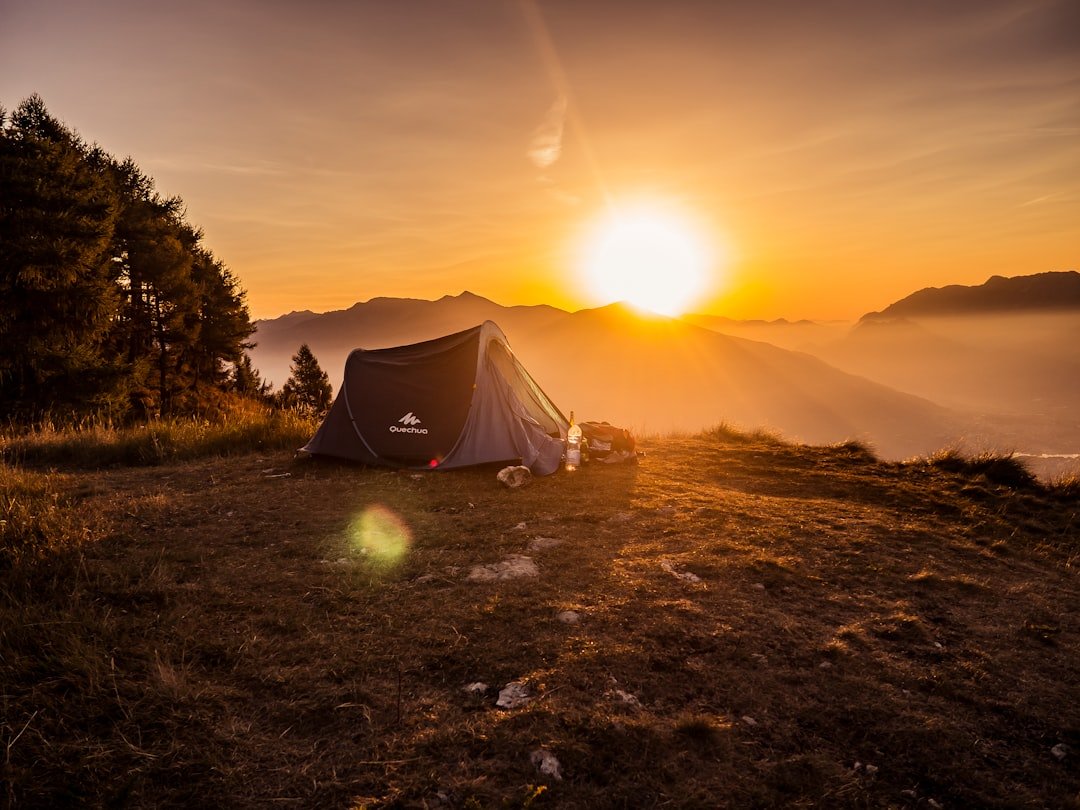
Gatlinburg is the closest town, about 20 minutes from the Sugarlands Visitor Center. It’s touristy and crowded, especially in late May, but it has every amenity you need. I stayed in a cabin rental outside of town and that was the right call — quiet, surrounded by trees, and a short drive to the park entrance. Townsend is another option on the quieter, less commercial side of the park, about 30 minutes away.
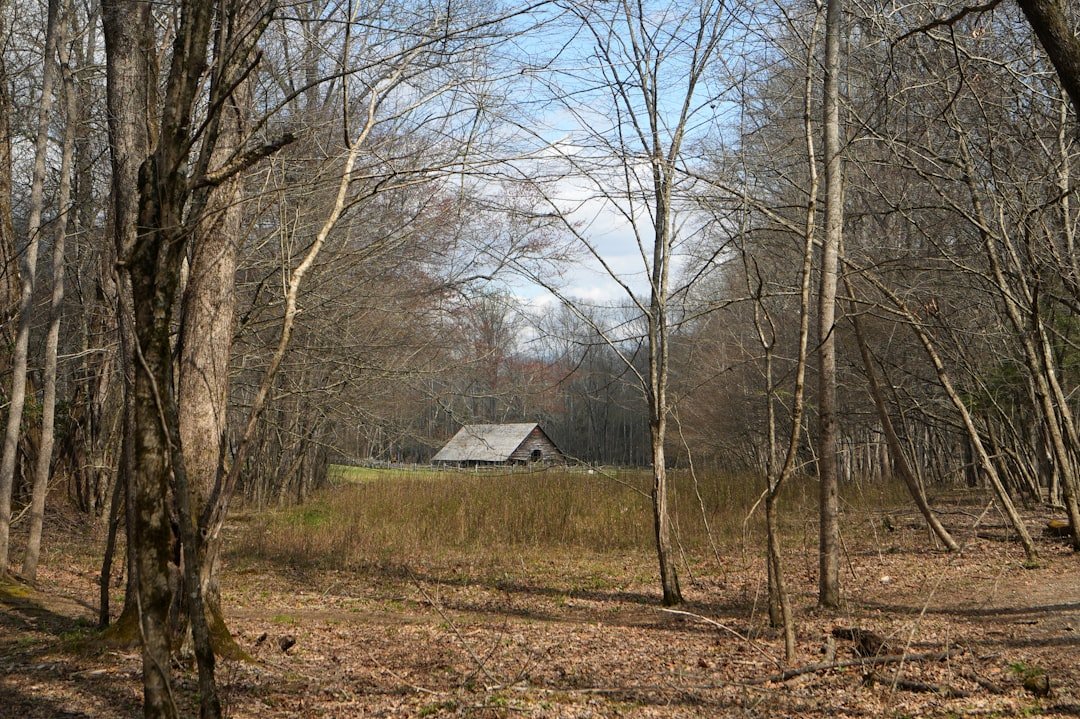
For a full Smoky Mountains trip, consider extending your stay. The park itself deserves several days — spring wildflowers are still hanging on in some areas, and the waterfall hikes are at their peak flow before summer dries things out. If you’re coming from farther away, you could easily build a week around this experience.
Didn’t Win the Lottery? You Still Have Options
Don’t despair if the lottery didn’t go your way. The synchronous fireflies live throughout the southern Appalachians, not just at Elkmont. The Cataloochee Valley on the North Carolina side of the park has its own population, though it doesn’t get the same managed event. You can also find them in the Cherokee National Forest, parts of the Blue Ridge Parkway corridor, and even in some state parks in Tennessee and North Carolina.
The key is knowing what conditions they prefer: dark, moist forests near streams, with plenty of leaf litter on the ground. Go out on a warm, still night in late May or early June, find a spot away from artificial light, turn off all your lights, and wait. You might get lucky. The first time I saw them wasn’t at the managed event — it was a random night hike in the Pisgah National Forest that left me standing in the trail with my jaw on the ground.
Making a Weekend of It
The firefly event is the centerpiece, but the Smokies in late May are worth the trip regardless. The weather is nearly perfect — warm days, cool nights, minimal haze compared to summer. Trails are accessible but not yet overrun. And you’re within striking distance of some genuinely great road trip territory. You could easily extend down through the Lowcountry toward Charleston and Savannah for a contrast of mountains and coast.
If you’re watching your budget — and honestly, who isn’t these days — check out my complete guide to visiting national parks affordably. The Smokies are already one of the few national parks with no entrance fee, which helps. Your biggest expenses will be lodging and gas, and even those are manageable with some planning.
Final Thoughts
There’s something about standing in a dark forest, surrounded by strangers who have all gone quiet, watching insects coordinate a light show that no human technology could replicate. It’s humbling. It’s weird. It’s one of those experiences that makes you feel genuinely lucky to be alive on this particular planet, in this particular moment.
The synchronous fireflies have been doing this for millions of years. The lottery, the $29 fee, the shuttle buses — all of that is new. But the phenomenon itself is ancient and indifferent to our logistics. It happens whether we show up or not. I think that’s what makes it so special. We’re not the audience. We’re just guests who managed to get a ticket.
If you’re going this year, I’m jealous. If you’re planning for next year, start watching the Recreation.gov page in early April 2027. And if you just want to experience something that reminds you the world is still full of wonders you haven’t seen yet, put this one on your list. It’s worth every bit of effort to get there.
1 thought on “Seeing the Synchronous Fireflies in the Great Smoky Mountains: What the Lottery Doesn’t Tell You”