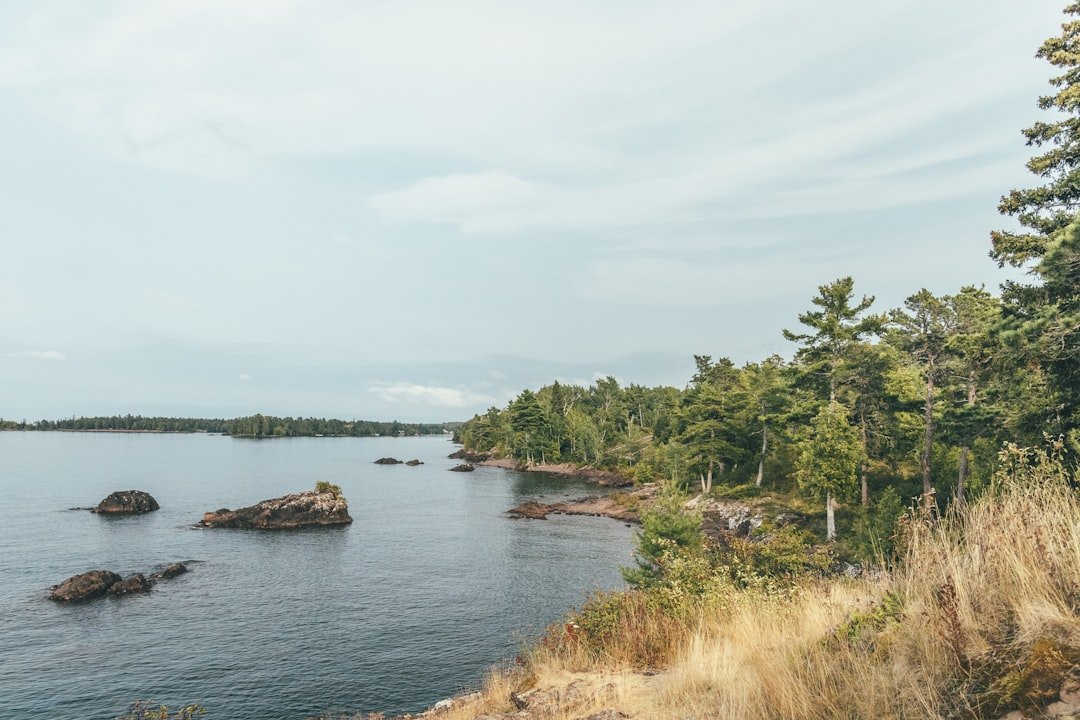
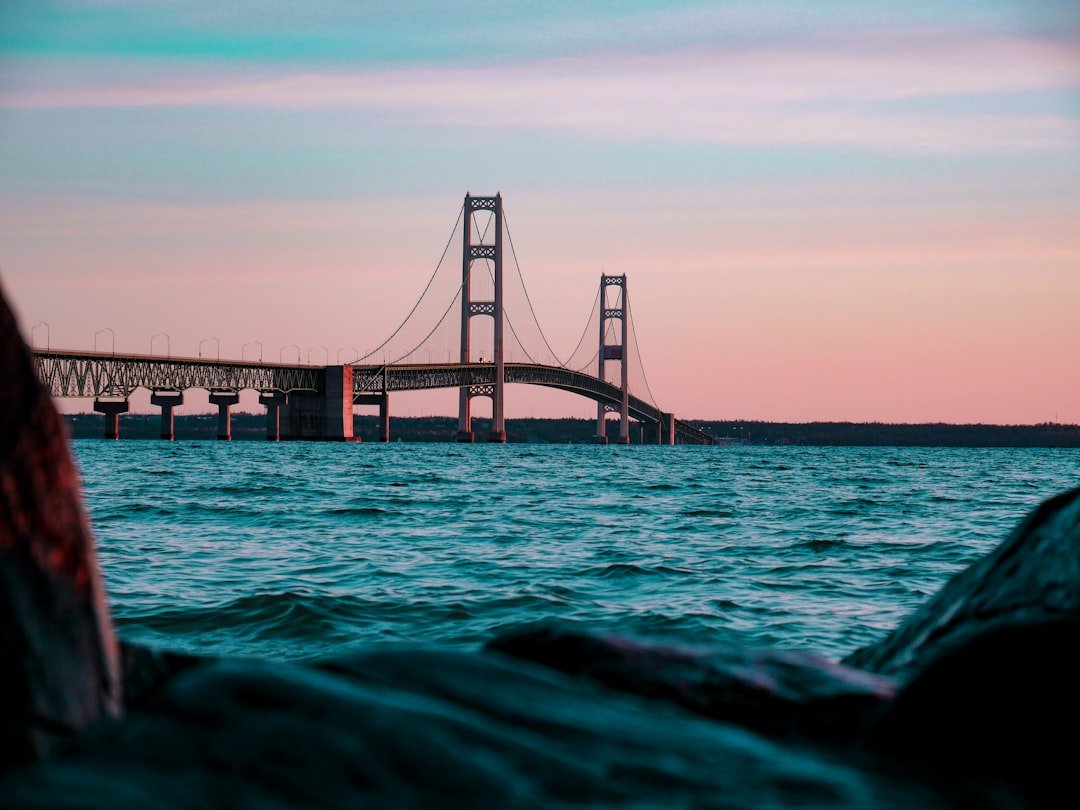
There’s a moment driving across the Mackinac Bridge when Lake Michigan and Lake Huron stretch out beneath you in every direction and you realize you’re about to enter somewhere that doesn’t feel quite like the rest of America. Michigan’s Upper Peninsula — locals just call it “the UP” — is that rare place where the forests go on for miles without a strip mall in sight, where waterfalls outnumber traffic lights, and where “Yoopers” (the proud residents) will genuinely pull over to help if your car looks like it’s struggling. I’ve been visiting the UP for nearly a decade, and every summer I find something new that makes me wonder why more travelers haven’t figured this place out yet.
Why the Upper Peninsula Belongs on Your Summer 2026 List
Let’s start with what the UP doesn’t have: crowds, traffic, and the kind of overpriced vacation traps that drain your wallet before lunch. What it does have is roughly 1,700 miles of Great Lakes shoreline, more than 300 waterfalls, two national lakeshores, and enough hiking trails to keep you busy for a lifetime of summers. The summers here are mild — daytime highs hover in the 70s, the bugs calm down by July, and the daylight stretches past 10 p.m. thanks to the northern latitude. If you’ve been dreaming of a summer getaway that actually feels like getting away, this is it.
The UP is massive — bigger than nine U.S. states — so you won’t “see it all” in one trip. That’s the point. I’ve broken this guide into the regions that deliver the most unforgettable experiences for a summer visit, along with the practical tips I wish someone had handed me on my first drive across that bridge.
Pictured Rocks National Lakeshore: Where the Cliffs Turn Colors
If the UP has a crown jewel, Pictured Rocks is it. This 42-mile stretch of Lake Superior shoreline gets its name from the mineral-streaked sandstone cliffs that glow in shades of rust, turquoise, green, and deep brown depending on the light and the minerals — copper, iron, manganese — bleeding through the rock. Standing at Miner’s Castle Overlook on my first visit, I genuinely forgot I was in Michigan. It felt like something from a far more exotic coastline.
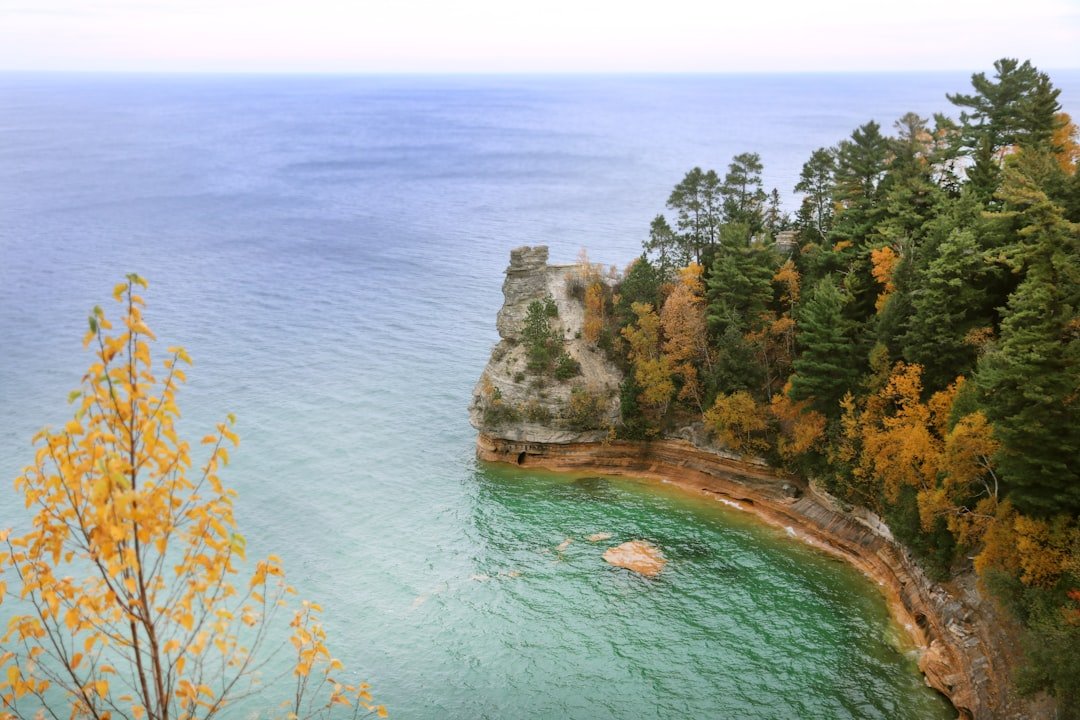
The best way to experience Pictured Rocks is from the water. I’ve done both the guided kayak tours and the commercial boat cruises out of Munising, and honestly, both are worth your time. The kayak trip gets you right up under the cliffs where you can see the texture and reach out to touch rock faces that are 50 to 200 feet tall. The boat cruise covers more ground and is perfect if you’re traveling with folks who prefer a drier, more relaxed experience. Book early — these fill up fast in July and August.
For hiking, the Lakeshore Trail (part of the North Country National Scenic Trail) offers sections where you walk along the cliff edges with Superior churning below. The Chapel Loop, a roughly 10-mile trek, takes you past Chapel Falls, Chapel Rock (a tree growing out of a rock arch), and along the cliff tops. It’s a long day hike, so bring a solid day hiking backpack with plenty of water and snacks. The trailhead parking is limited, so arrive before 9 a.m. during peak season.
Munising and the Grand Island Adventure
The town of Munising is your base camp for Pictured Rocks, but don’t just sleep here and move on. Take the passenger ferry to Grand Island, where you can rent a bike or bring your own and pedal along dirt roads to secluded beaches, historic sites, and the East Channel Lighthouse. The island is part of the Hiawatha National Forest, and on a weekday in June or July, you might have an entire Lake Superior beach to yourself. Pack a compact travel blanket and claim your slice of shoreline.
Back in Munising, the local pasty shops are mandatory. These handheld meat-and-vegetable pies were brought to the UP by Cornish miners in the 1800s and have become the unofficial state food of the peninsula. Muldoon’s and Tonkin’s are both solid bets. Grab a couple, drive out to Sand Point Beach at sunset, and eat dinner with your toes in Lake Superior. That’s the kind of evening that keeps me coming back.
Tahquamenon Falls: The Root Beer River
About 90 minutes northeast of Munising, Tahquamenon Falls State Park delivers something you don’t expect in Michigan: a waterfall so wide and powerful it’s been used as a stand-in for Pacific Northwest rivers in advertising campaigns. The Upper Falls drops nearly 50 feet across a 200-foot span, and the water runs a distinctive amber-brown color from tannins in the cedar swamps upstream. Locals call it the “Root Beer Falls,” and the nickname is spot-on.
The park has two main falls. The Upper Falls is the showstopper — a short, accessible boardwalk leads to multiple viewing platforms. The Lower Falls is a series of smaller cascades that you can actually wade into via rented rowboats or by hiking down to the water. I spent an entire afternoon at the Lower Falls on my last visit, clambering over rocks and sitting in shallow pools while the water rushed around my ankles. It’s the most interactive waterfall experience I’ve found anywhere in the Midwest.
If you’re planning to visit multiple waterfalls (and you should — the UP has more than 300), check out our guide to spectacular waterfall hikes across America for more inspiration and timing advice.
Marquette: The Cool Kid of the UP
Marquette is the UP’s largest city, and calling it a “city” feels generous — the population barely cracks 20,000. But what it lacks in size, it makes up for in character. This is a college town (Northern Michigan University), an outdoor recreation hub, and home to one of the best brewery scenes north of Grand Rapids. Downtown is walkable, full of restored sandstone buildings, independent bookstores, and coffee shops that take their espresso seriously.
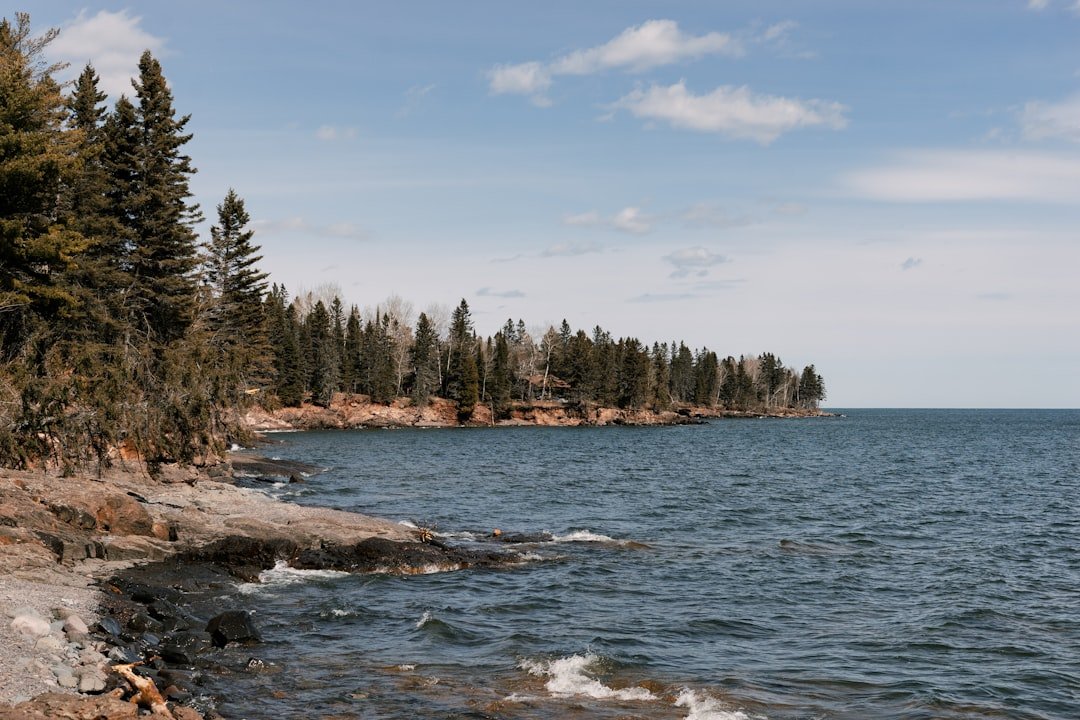
The must-do hike here is Sugarloaf Mountain, a short but steep climb that rewards you with a panoramic view of Lake Superior and the Huron Mountains. For something more mellow, walk the Marquette Multi-Use Path along the lakeshore, which connects downtown to Presque Isle Park — a 323-acre peninsula with black rock formations, an old lighthouse, and some of the best sunset views in the entire UP. Bring a good insulated water bottle because the hike up Sugarloaf will have you reaching for cold water even when the air temperature is only 72 degrees.
After your hike, reward yourself at one of Marquette’s breweries. Blackrocks Brewery and Ore Dock Brewing are both local institutions with patio seating and a rotating selection of beers that lean toward the hoppy side. The Vierling Restaurant and Marquette Harbor Brewery has been serving since 1883 and offers a great lake view with your meal.
Keweenaw Peninsula: The Copper Country
Keep driving north from Marquette and you’ll eventually hit the Keweenaw Peninsula — the northernmost finger of land jutting into Lake Superior. This is copper country, where mining booms in the 1800s built towns that now feel beautifully frozen in time. Calumet, Laurium, and Houghton all have stunning architecture from the copper boom days, and the Keweenaw National Historical Park tells the story through preserved mine sites and exhibits.
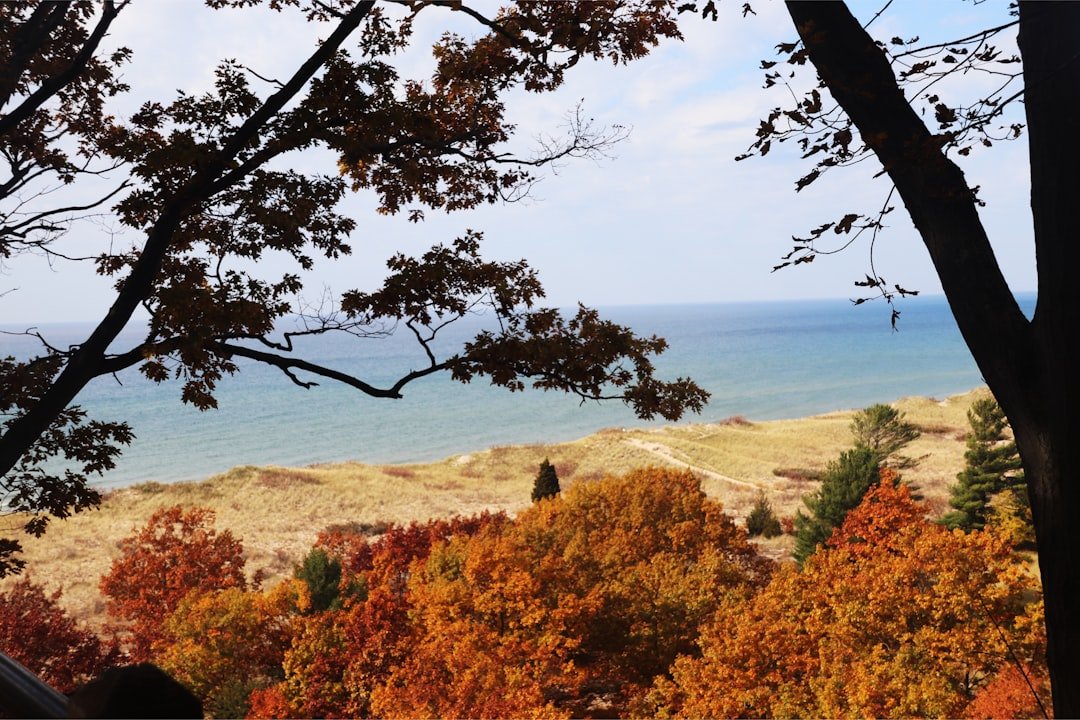
Brockway Mountain Drive is one of those drives that makes you pull over every quarter mile to take another photo. This 9-mile scenic road climbs to nearly 1,300 feet above sea level, offering views that stretch across Lake Superior to Isle Royale on clear days. The drive connects Copper Harbor — a tiny, end-of-the-road town that feels like the last outpost before Canada — with the rest of the peninsula. Copper Harbor is also the trailhead for some of the best mountain biking in the Midwest, with trail systems that wind through old-growth forest and along cliff edges.
The Keweenaw is also prime territory for rockhounding. Lake Superior agates — those gorgeous banded stones in shades of red, orange, and white — wash up on the beaches here, and hunting for them is a legitimate pastime. Bring a rock identification guide and wander any public beach after a storm for the best finds.
Isle Royale: The Wild Card
If you really want to go deep, Isle Royale National Park sits 50 miles out in Lake Superior and is one of the least-visited national parks in the country — it gets fewer visitors in an entire year than Yellowstone gets in a day. The park is a roadless wilderness accessible only by ferry or floatplane, and it’s home to wolves, moose, and some of the most pristine backcountry hiking in the lower 48. The Greenstone Ridge Trail runs 40 miles along the spine of the island and is a classic multi-day backpacking trip.
I haven’t made it to Isle Royale yet — it’s been on my list for years, and the logistics (you need 3-5 days minimum) have always been the barrier. But every Yooper I’ve talked to says the same thing: “It’ll change how you think about wilderness.” The ferry runs from Copper Harbor and Houghton from mid-May through September. If you’re considering a trip, our guide to visiting national parks on a budget has tips that apply especially well to off-the-beaten-path parks like this one.
Practical Tips for Planning Your UP Trip
Getting There and Getting Around
You’ll need a car — there’s no way around it. The UP is enormous and public transit is essentially nonexistent outside of the few towns. Most people drive across the Mackinac Bridge from the Lower Peninsula (toll is currently $2 per axle), but you can also fly into Sawyer International Airport near Marquette or the airport in Escanaba. For the classic UP road trip experience, I’d recommend starting from Chicago or Detroit and making the drive north part of the adventure.
Where to Stay
Accommodations in the UP range from rustic state park campgrounds to historic lodges and a handful of very good boutique hotels. State park campgrounds are excellent and affordable — McLain State Park, Tahquamenon Falls, and Little Presque Isle are all favorites. If camping isn’t your thing, the Landmark Inn in Marquette and the HotelMarquette both offer comfortable rooms with character. For something truly unique, look into the rooftop tent camping setups that have become popular along the Lake Superior shoreline — several outfitters in the UP now rent fully equipped vehicles.
What to Pack
Summer weather in the UP is mild but unpredictable. I’ve experienced 75-degree sunshine and 50-degree fog on the same day, sometimes within the same hour near Lake Superior. Pack layers — a lightweight fleece or packable rain jacket is essential. Good hiking shoes are non-negotiable for the trails I’ve mentioned. And bring a quality insect repellent if you’re visiting in June — the mosquitoes near the inland lakes and swamps can be fierce before the weather fully dries out in July.
The Hidden Swimming Holes and Secret Beaches
Beyond the marquee destinations, the UP hides some of the most refreshing summer swimming spots I’ve found anywhere. Laughing Whitefish Falls, a 100-foot ribbon waterfall in the Hiawatha National Forest, has a natural pool at its base that’s perfect for a quick dip after a hike. Sable Falls, near Grand Marais on the eastern end of Pictured Rocks, cascades down a series of steps before flowing out onto a wide, sandy Lake Superior beach.
Speaking of beaches, don’t skip Grand Sable Dunes — a 5-mile stretch of sweeping sand dunes that look more like Cape Cod than Michigan. The dunes rise up to 300 feet above the lake, and the hike to the top is a leg-burner that pays off with views that stretch to the horizon. If you enjoy discovering off-the-beaten-path swimming spots, our collection of hidden swimming holes across America has more destinations worth adding to your summer list.
Why I Keep Coming Back
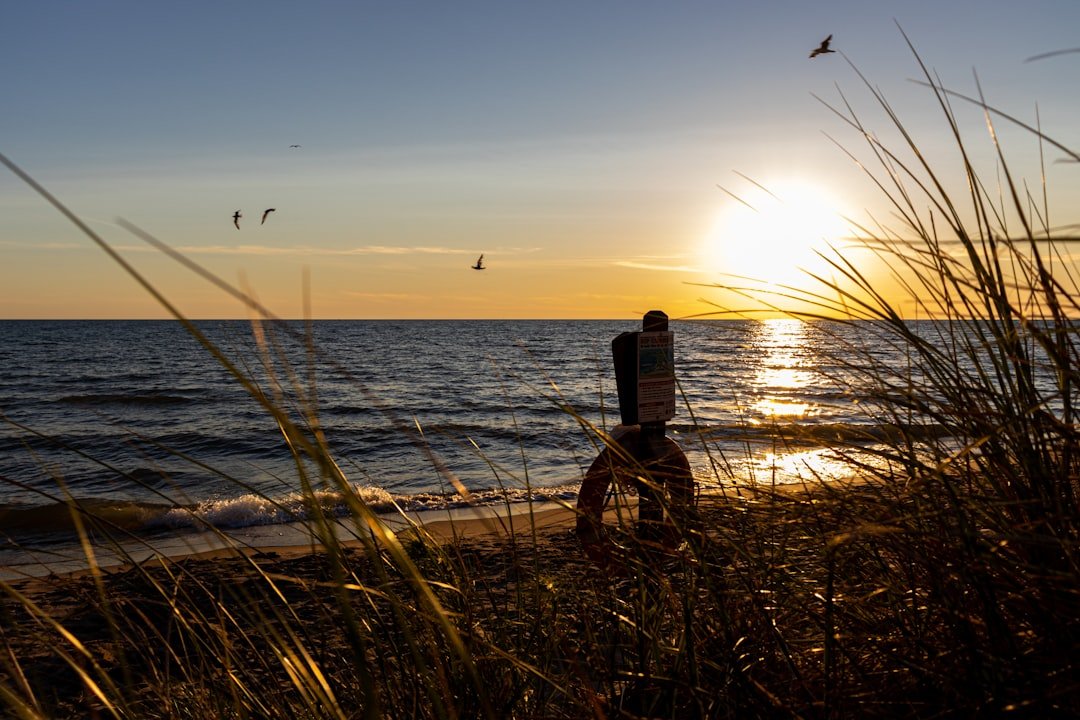
The Upper Peninsula isn’t trying to impress you. There are no theme parks, no celebrity chef restaurants, no luxury resorts competing for five-star ratings. What it offers instead is something increasingly rare: genuine quiet, vast natural beauty, and the feeling that you’ve found a place that most travelers simply haven’t discovered yet. Every summer I drive across that bridge, roll down the windows, and feel the temperature drop 10 degrees as Lake Superior’s influence takes hold. Every summer I find a new waterfall, a new beach, a new pasty shop that someone swears is the best one yet. And every summer I drive home already planning next year’s trip.
If you go, give it at least five days. Anything less and you’ll spend more time driving than experiencing. And if you see a Yooper pulled over to help a stranded traveler, wave — that’s just how things work up here. The UP rewards the travelers who slow down enough to notice the details: the way the lake changes color with the clouds, the echo of a waterfall through cedar trees, the taste of a warm pasty eaten on a rock at the edge of the world. That’s what summer in Michigan’s Upper Peninsula delivers, and it’s worth every mile of the drive to get there.
3 thoughts on “Michigan’s Upper Peninsula in Summer: Waterfalls, Wild Coastlines, and the Best of the UP”