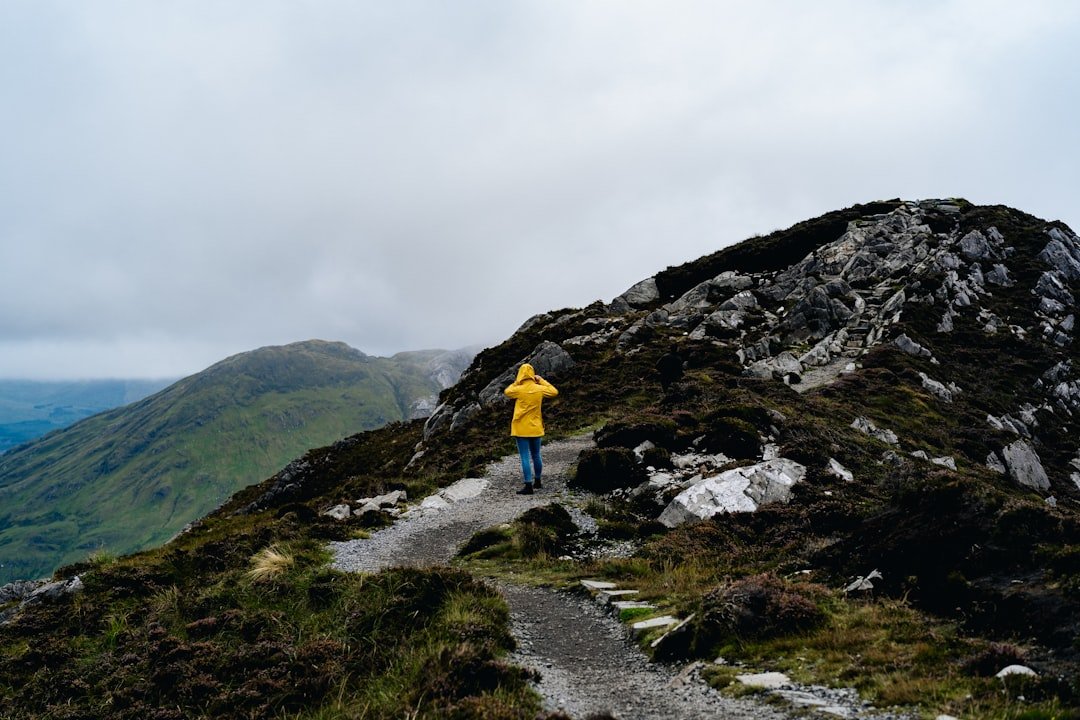
I’m standing on a ridge in the Smokies when the sky splits open. No warning, no gentle drizzle to ease me into it—just a wall of water that turns the trail into a creek in about thirty seconds flat. And you know what? I’m fine. My pack’s dry, my phone’s dry, and I’m actually enjoying the absurdity of it all because I’m wearing the right rain jacket. That wasn’t always the case.
After years of getting caught in downpours from Olympic National Park to afternoon thunderstorms in the Gulf Coast, I’ve learned the hard way that a good travel rain jacket isn’t optional—it’s the single piece of gear that stands between you and a ruined trip. Let me walk you through what actually matters when you’re choosing one, which features are worth paying for, and which ones are just marketing noise.
Why Every Traveler Needs a Dedicated Rain Jacket
Here’s the thing most people get wrong: they grab whatever “water-resistant” thing is hanging in their closet and call it good. Water-resistant is not waterproof. I learned this distinction during a week in Costa Rica where my so-called jacket soaked through within an hour of hiking through cloud forest. By day three, I was buying a proper shell at a local outdoor shop for twice what I’d have paid at home.
A true travel rain jacket serves multiple purposes beyond just keeping you dry. It’s your windbreaker for chilly coastal evenings, your emergency layer when the temperature drops unexpectedly at elevation, and your ticket to actually enjoying outdoor activities instead of tolerating them. If you’re planning any trips where weather is unpredictable—which, let’s be honest, is everywhere—this is the one piece of travel rain gear worth investing in.
The Three Features That Actually Matter
I’ve tested more rain jackets than I care to admit, and I’ve narrowed the decision down to three things that separate the useful from the useless.
Waterproof Rating and Breathability
Waterproof ratings are measured in millimeters—look for at least 10,000mm for general travel, 20,000mm if you’re heading somewhere seriously wet like the Pacific Northwest or Southeast Asia during monsoon season. But here’s the catch: the more waterproof a jacket is, the less breathable it tends to be. The sweet spot for travel is a 2.5-layer or 3-layer construction with a waterproof rating between 10,000 and 20,000mm paired with decent breathability (10,000+ g/m²/24hr).
Gore-Tex remains the gold standard, but proprietary technologies like Patagonia’s H2No and Marmot’s NanoPro have caught up significantly. Don’t let the brand name alone drive your decision—check the actual ratings. A lesser-known brand with 20,000mm/20,000g specs will outperform a big name with 5,000mm/5,000g specs every time.
Packability and Weight
If you’re anything like me, you pack your rain jacket “just in case” on almost every trip. That means it spends most of its time stuffed in the bottom of your carry-on backpack. A jacket that weighs two pounds and takes up a quarter of your bag is going to become an annoyance fast. The best travel rain jackets weigh under 12 ounces and pack down to the size of a water bottle or smaller.
Some models stuff into their own pocket or come with a stuff sack. I prefer the self-stowing designs because I always lose loose sacks. The Outdoor Research Helium II and the Arc’teryx Alpha SL are both excellent examples of jackets that disappear into your pack until you need them. If you’re trying to pack light for extended travel, every ounce matters.
Hood Design and Adjustability
Never underestimate a good hood. I once owned a rain jacket with a floppy, unadjustable hood that caught every gust of wind like a sail. In Patagonia—actual Patagonia, not the brand—this resulted in the hood blowing off repeatedly during a sideways sleet storm. Miserable.
Look for a hood with at least two adjustment points (back of head and around the face). A stiffened brim keeps rain off your glasses or face. And if you plan to hike in it, make sure the hood moves with your head when you turn to look at trail markers or scenery. Helmet-compatible hoods are nice for climbing but add bulk you don’t need for general travel.
What to Skip and What to Spend On
Rain jackets range from $40 to $600, and the price doesn’t always correlate with value for travelers. Here’s my honest breakdown after burning through dozens of them.
Budget zone ($40-$100): Perfect for occasional travelers or people visiting dry destinations where rain is unlikely but possible. The Coleman Escape and similar options won’t win breathability awards, but they’ll keep you dry in a pinch. Just don’t expect them to last more than a season of heavy use.
Sweet spot ($100-$250): This is where the magic happens for most travelers. Jackets in this range offer legitimate waterproofing, decent breathability, and reasonable packability. The Marmot Minimalist, Columbia Evapouration, and Patagonia Torrentshell all live here, and any of them will serve you well across years of adventures.
Premium territory ($250-$600): Worth it if you’re a serious hiker, climbing mountains, or traveling to extreme environments. The Arc’teryx Alpha SL and similar Gore-Tex Pro shells offer unmatched durability and breathability. But for the traveler who needs rain protection for city walking and occasional day hikes? Overkill.
Rain Jackets for Different Types of Travel
Not all trips demand the same jacket. Here’s how I think about matching the shell to the adventure.
City and Cultural Travel
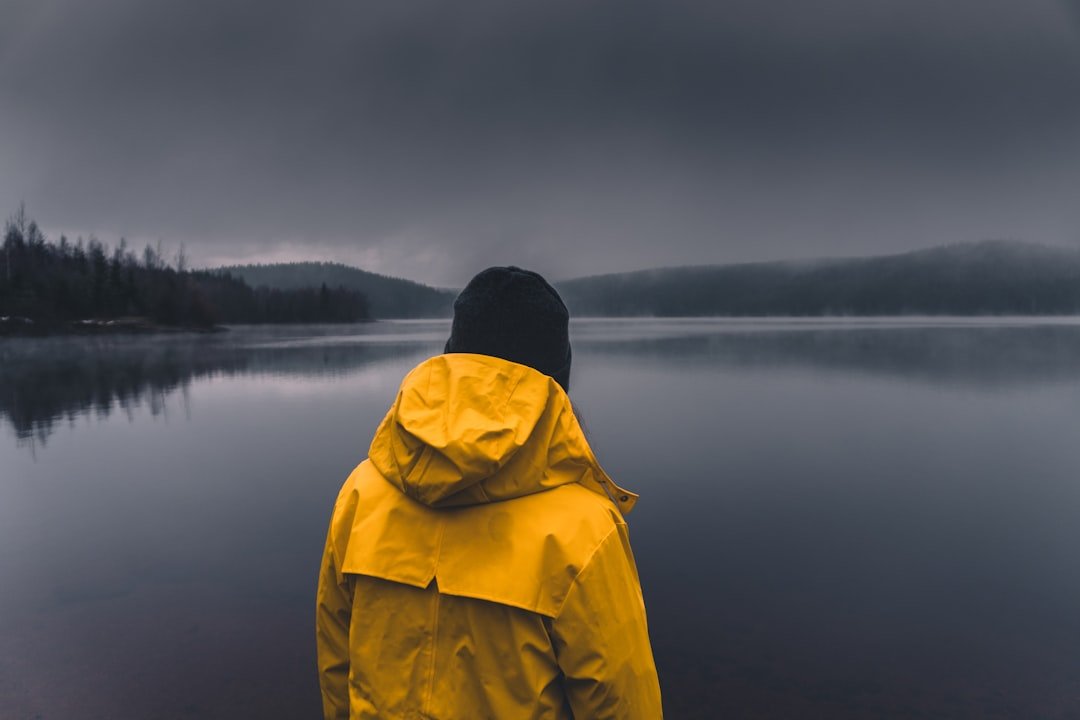
If your trips are mostly urban—walking tours, museum hopping, restaurant hopping—you want something that looks reasonably normal off the trail. Bulky alpine shells make you look like you’re about to summit K2 while standing in line at a Parisian bakery. Look for a clean, minimalist design in a neutral color. Black, navy, or olive jackets blend in everywhere. Avoid neon colors unless you’re cycling or running.
For city travel, breathability matters more than extreme waterproofing because you’re constantly going between outdoors and indoors. A stylish rain jacket that transitions from sightseeing to dinner is worth its weight in gold.
National Park and Hiking Travel
This is where the technical specs matter most. When you’re five miles from the trailhead and the sky turns dark, you need a jacket you can trust completely. I always reach for a 3-layer construction with taped seams for hiking trips. The extra weight is worth the peace of mind. Pair it with a good day hiking backpack and you’re set for anything the trail throws at you.
Ventilation is critical for hiking. Look for pit zips—they’re the zippered vents under the arms that let you dump heat without taking the jacket off. I use mine constantly on steep climbs. Without pit zips, you’re choosing between getting soaked from rain or soaked from sweat, and neither option is pleasant.
Tropical and Southeast Asia Travel
Tropical rain is a different beast entirely. It’s warm, it’s heavy, and it can go on for hours. In these conditions, breathability becomes your top priority because wearing a plastic bag in 90-degree heat is its own special kind of suffering. I recommend the lightest possible ultralight rain shell you can find and accepting that you’ll be a little damp no matter what. Some travelers prefer a good travel umbrella for tropical destinations, and that’s a reasonable alternative for city-based trips.
My Travel Rain Jacket Care Tips
A good rain jacket will last you years if you take care of it, or one season if you don’t. The biggest enemy isn’t rain—it’s dirt and body oils clogging the DWR (Durable Water Repellent) coating on the outside.
Wash your jacket when water stops beading on the surface. Use a technical wash like Nikwax Tech Wash—regular detergent will strip the waterproofing. Tumble dry on low heat to reactivate the DWR coating. And when the DWR eventually wears out (it will), you can reapply it with a spray-on or wash-in treatment for a fraction of the cost of a new jacket.
Storage matters too. Don’t leave your jacket compressed in a stuff sack for months between trips. Hang it up or store it loosely folded. Long-term compression damages the waterproof membrane, and once that’s gone, the jacket is done—no amount of DWR treatment will save it. I learned this the expensive way with a beloved Mountain Hardwear shell that I kept crammed in my packing cube for an entire winter. By spring, the shoulders had delaminated and I was back at the gear shop.
The Bottom Line
One last thing: fit matters more than you’d think. A rain jacket that’s too tight restricts movement and layers underneath. Too loose, and you’re carrying unnecessary fabric that catches wind. Try it on with a light fleece underneath—that’s how you’ll actually wear it 90% of the time. And if you’re between sizes, go up. You can always cinch down the hem and cuffs, but you can’t add fabric that isn’t there.
After years of traveling with both great and terrible rain jackets, my advice is simple: buy once, buy right. Spend the $150-$200 on a jacket with real waterproofing, decent breathability, pit zips, and a good hood. It’ll handle city drizzle in London, afternoon thunderstorms in Florida, and everything in between. And when the sky inevitably opens up on your next trip, you’ll be the one still enjoying the moment instead of running for cover.
The right rain jacket doesn’t just keep you dry—it keeps you out there. And isn’t that the whole point of traveling in the first place?
1 thought on “Best Travel Rain Jackets for 2026: What I Actually Wear When the Sky Opens Up”