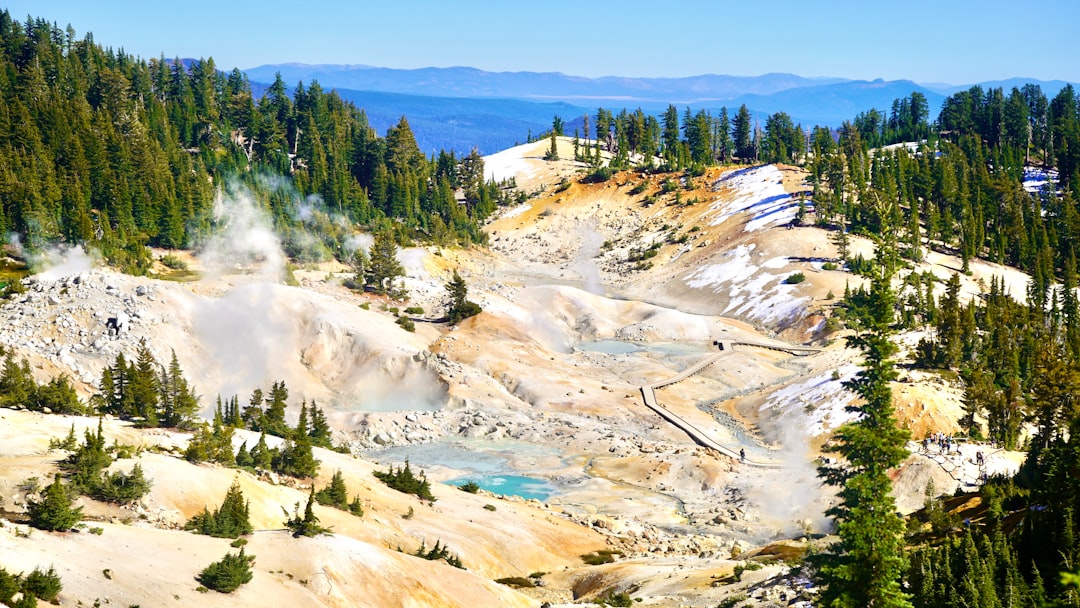
I’ll say this about Lassen Volcanic National Park: it’s the only place in America where I stood next to a boiling mud pot, looked up at a glacier-carved peak, and watched a deer graze in a wildflower meadow — all within a 20-minute drive. And I had the trail mostly to myself.
While the rest of California’s summer traffic funnels toward Yosemite Valley and the Redwood Coast, this 106,000-acre pocket of the southern Cascades stays quietly off the radar. It shouldn’t. Lassen packs four types of volcano (shield, composite, cinder cone, and plug dome), the largest hydrothermal system west of Yellowstone, a 10,457-foot summit you can actually climb in an afternoon, and some of the clearest night skies in the Lower 48. July is when everything opens up — the Going-to-the-Sun equivalent here is the 30-mile Lassen Volcanic National Highway, and it typically fully clears by early to mid-July, unlocking the entire park.
I spent three days here last summer, and I’m still thinking about it. Here’s what makes Lassen worth a detour — and how to do it right.
Where the Ground Still Breathes: Bumpass Hell and Sulphur Works
Start with the geothermal features, because they’re the reason this park exists. Lassen Peak erupted as recently as 1915 — within living memory — and the land is still cooking. You can literally see it, smell it, and hear it.
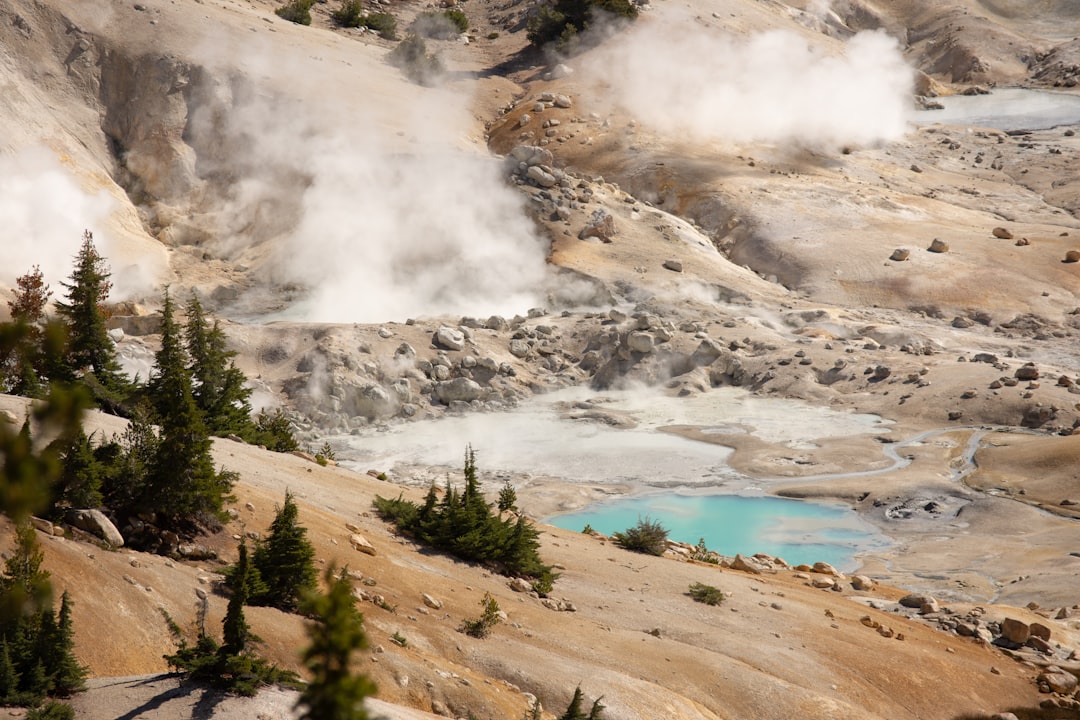
Sulphur Works is the easy one. It sits right along the highway, about a mile from the southwest visitor center, and requires zero hiking. You’ll see steam venting from fumaroles, bubbling orange and turquoise pools, and the unmistakable rotten-egg scent of hydrogen sulfide. It’s a five-minute stop that hooks you immediately.
But the main event is Bumpass Hell — a 3-mile round-trip trail that drops you into the park’s largest hydrothermal basin. The trailhead sits at 8,200 feet, and the path descends about 200 feet into a valley of steaming vents, roaring fumaroles, and boiling turquoise pools that feel like a smaller, more intimate version of Yellowstone’s Upper Geyser Basin. The boardwalk takes you right past features with names like “Big Boiler” (a fumarole that’s been measured at over 300°F). Kendall Bumpass, the guide who discovered the area in the 1860s, famously fell through the crust into a boiling pool and lost his leg. Stay on the boardwalk.
Here’s the catch: Bumpass Hell doesn’t open until the snow melts, which is usually mid-to-late July. Check the current trail conditions on the NPS site before you build your day around it. If it’s still closed when you visit, the Warner Valley area offers an alternative — Boiling Springs Lake (3 miles round-trip) and Devils Kitchen (4.4 miles round-trip) give you similar geothermal drama with fewer crowds.
Climbing the Volcano: Lassen Peak Trail
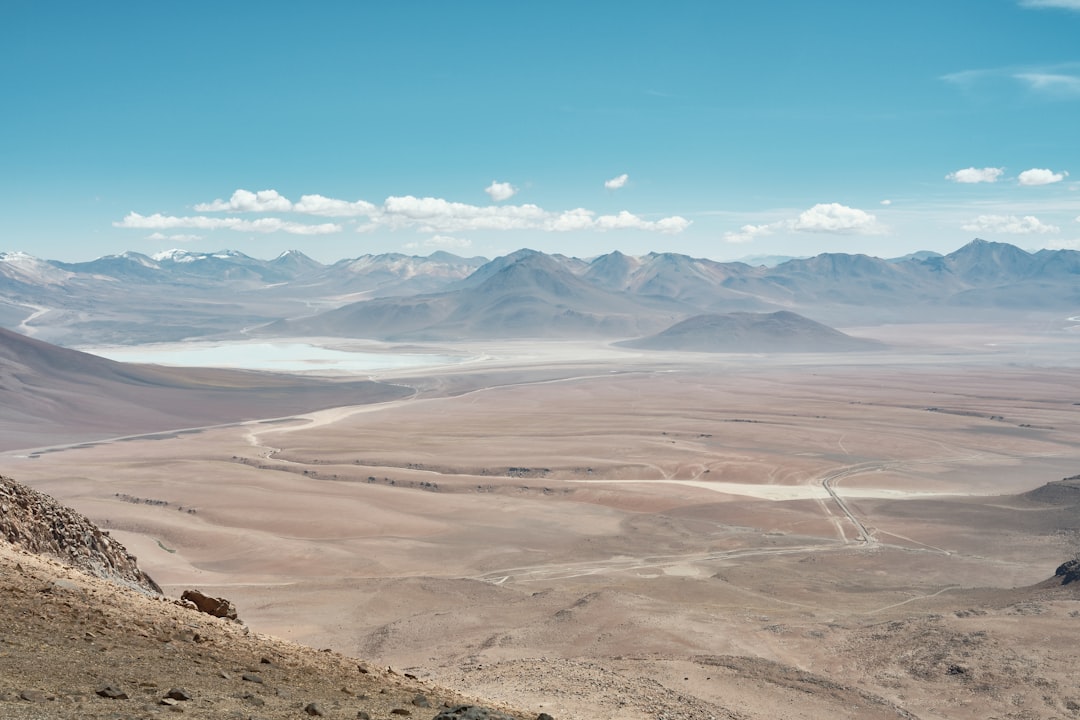
Lassen Peak is the largest plug dome volcano in the world, and the trail to its summit is one of the most rewarding day hikes I’ve done in any national park. It’s 5 miles round-trip with about 2,000 feet of elevation gain, starting at 8,500 feet. The first mile is a series of switchbacks through loose volcanic rock — bring proper hiking boots, not running shoes, because the footing is sketchy in places. I watched someone in sneakers turn around a half-mile in.
The trail passes through patches of snow well into August most years, which is part of the adventure. I used trekking poles and was grateful for the stability on the upper stretches. The summit panorama takes in Mount Shasta to the north, the Sierra Nevada to the south, and the entire Cascades chain stretching into Oregon. On a clear day, you can see the wreckage of the 1915 eruption — a massive gray swathe of rocky debris called the Devastated Area that still hasn’t fully recovered more than a century later.
Give yourself 3 to 4 hours for the round-trip. Start early — afternoon thunderstorms roll in with surprising speed at this elevation, and the last place you want to be is an exposed summit when lightning arrives.
The Lakes: Manzanita, Helen, and Juniper
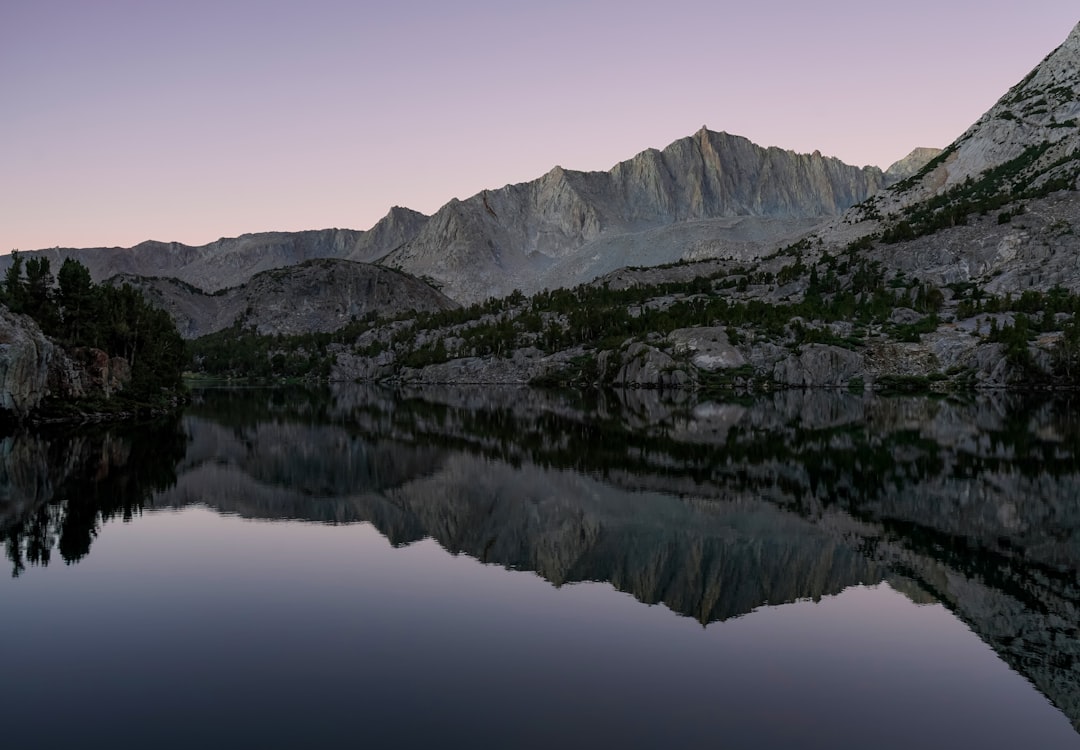
Lassen has a surprising amount of water for a volcanic landscape, and the lakes are where I spent my most peaceful hours. Manzanita Lake, near the northwest entrance, is the centerpiece — a 1.9-mile loop trail circles it, and the reflection of Lassen Peak on still mornings is one of the most photographed views in the park. It’s also the best family-friendly spot: flat, accessible, and with enough wildlife (deer, otters, waterfowl) to keep kids engaged. Bring a daypack with snacks and make a morning of it.
Helen Lake, at 8,200 feet along the highway, is a different vibe entirely. It’s a cirque lake — meaning it sits in a bowl carved by glacial ice — and the water is crystal-clear and frigid even in late July. The trail from the highway to the lake is short but steep, and you’ll likely have it to yourself. I sat on the rocks here for an hour watching dragonflies and didn’t see another person.
For something truly unusual, hike to Boiling Springs Lake in the Warner Valley. This 17-acre lake is literally boiling at its edges — 125°F in places — while the center is cool enough for elk to drink from. The contrast is surreal. It’s a 3-mile round-trip on a relatively flat trail, making it one of the best effort-to-reward ratios in the park.
The July Wildflower Show
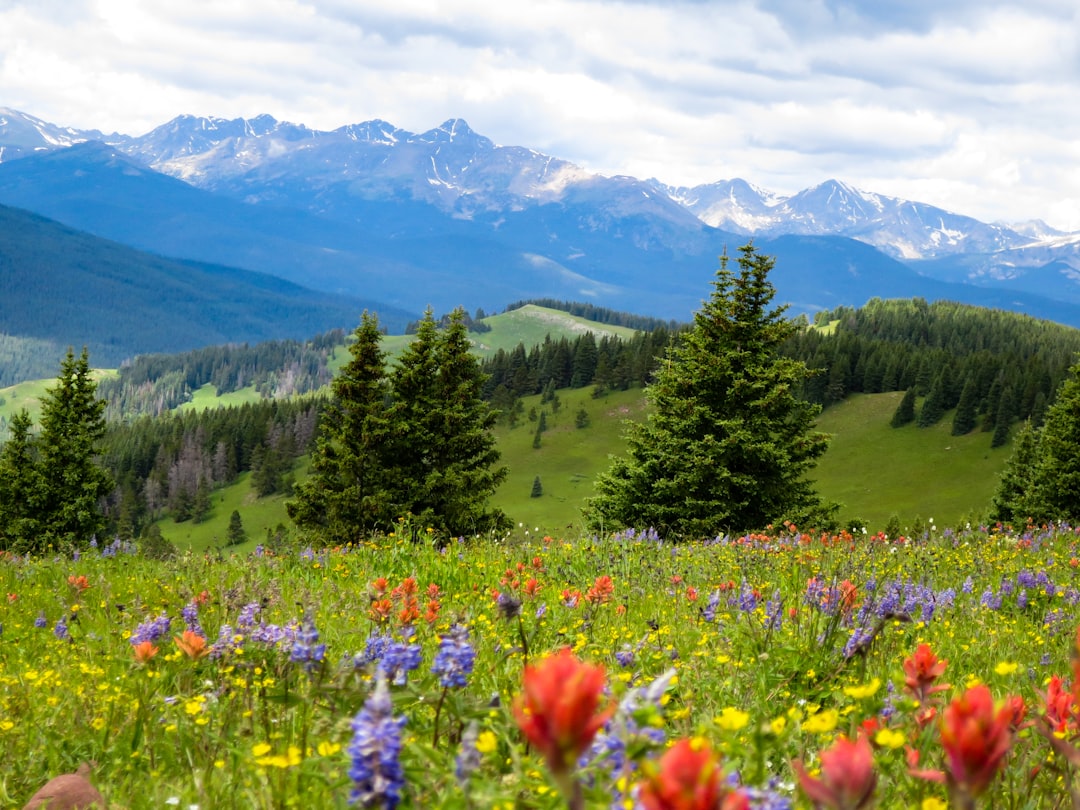
Here’s something most visitors don’t plan for: Lassen has one of the best wildflower displays in the California mountains, and July is peak bloom at the higher elevations. Because the park ranges from 5,800 to over 10,000 feet, the flower season is staggered — lower elevations peak in May and June, but the Summit Lake and Lassen Peak areas don’t hit their stride until mid-July through August.
I hiked the Cluster Lakes loop (a 7-mile trail north of the highway) in late July and the meadows were carpeted in Indian paintbrush, lupine, columbine, and mule’s ears. The contrast between delicate wildflowers and jagged volcanic rock is striking. Summit Lake, which sits right along the highway at 6,700 feet, is surrounded by meadows that turn into a flower garden in July.
If you’re into photography, the golden hour here is exceptional. I brought a wide-brimmed sun hat with UPF protection for the exposed trails and was grateful — there’s essentially zero shade at the higher elevations, and the sun at 7,000+ feet is unforgiving.
The Drive: 30 Miles of Non-Stop Scenery
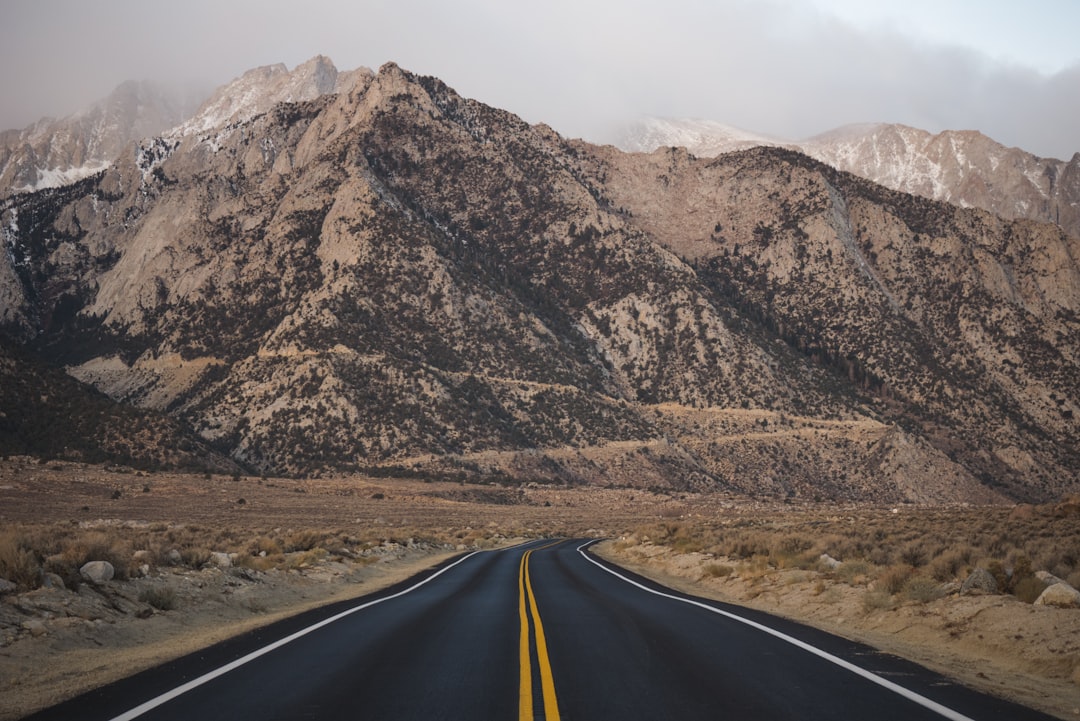
The Lassen Volcanic National Highway (Highway 89 through the park) is one of the most underrated scenic drives in the American West. It runs 30 miles from the northwest entrance to the southwest entrance, climbing to 8,512 feet at the summit — the highest point on any paved road in the Cascades.
Even if you only have one day, driving this road gives you the park’s greatest hits. Pullouts and short trails access Sulphur Works, the Devastated Area (a 0.5-mile interpretive trail through the 1915 eruption zone), Emerald Lake, and Helen Lake. The views from the summit pullout stretch to Mount Shasta on clear days. I’ve driven a lot of scenic park roads, and this one holds its own against Trail Ridge Road in Rocky Mountain or the Going-to-the-Sun Road in Glacier — with about a tenth of the traffic.
The highway typically opens by late June to early July, but snow can delay it. Check road status before you commit to a date. And fill up your tank before entering — there’s no gas inside the park.
Camping at Manzanita Lake: My Base Camp Pick
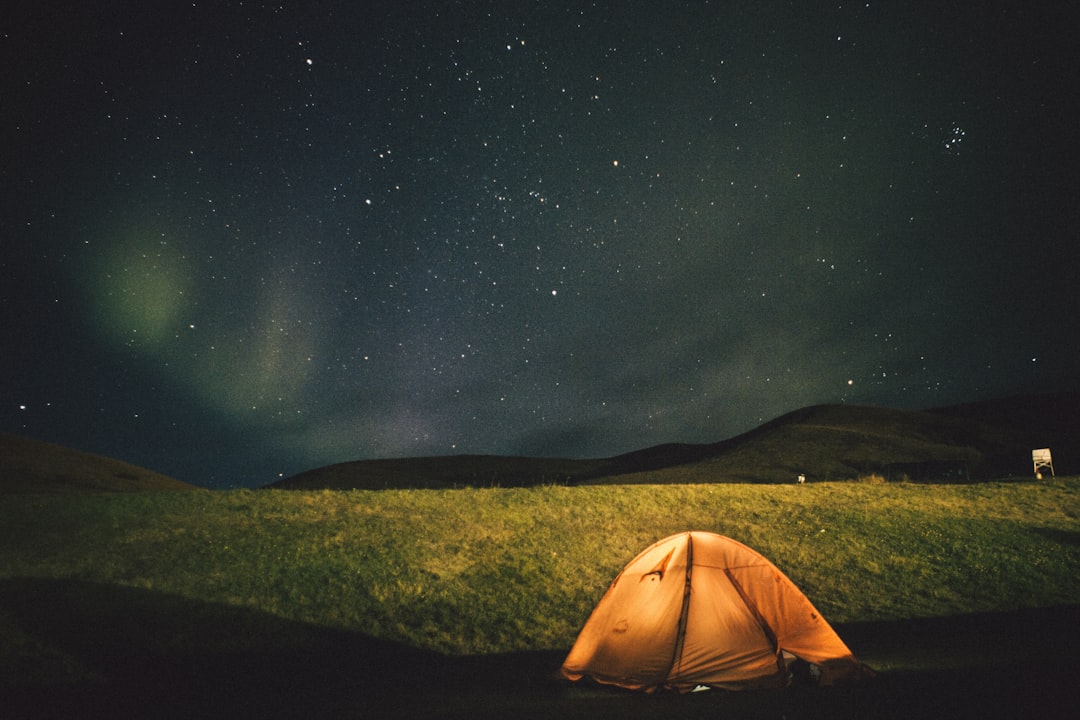
Lassen has eight campgrounds, and I stayed at Manzanita Lake — the largest and most popular for good reason. At 5,900 feet elevation, it’s cooler than the surrounding lowlands (July highs around 82°F, lows near 40°F), which makes for excellent sleeping weather. The campground is walking distance to the lake, the Loomis Museum, and several trailheads. Sites are reservable through Recreation.gov, and you should absolutely reserve in advance — July is the busiest month, though “busy” here is relative. I had no trouble getting a site with a two-week advance booking.
Each site has a picnic table, fire ring, and food storage locker (bear country — use them). The campground has flush toilets and running water, which felt luxurious after a week of dirtbag camping. I cooked all my meals on a lightweight backpacking stove and ate at the picnic table watching the sun drop behind Lassen Peak. Evenings like that are the whole point of this kind of trip.
Summit Lake Campground, at 6,700 feet, is the other excellent choice — more central in the park and closer to the high-elevation trails. It’s smaller and fills faster.
What to Pack for Lassen in July
The elevation range means you need to pack for two climates. At Manzanita Lake (5,900 ft), afternoons are warm and pleasant. At Lassen Peak trailhead (8,500 ft), it can be 20 degrees cooler with wind. I wore layers every single day and was never uncomfortable.
Essentials I was glad I had: a 1-liter insulated water bottle (the hydrothermal areas are dehydrating even when it’s not hot), a waterproof headlamp for early morning trail starts, and a cooling towel that I soaked in Helen Lake and wore around my neck on exposed sections. Bug spray is non-negotiable early in the month — I used a natural insect repellent that worked fine for the mosquitoes around Manzanita Lake.
Two safety items I never hike in bear country without: bear spray (Lassen has a healthy black bear population, though encounters are rare) and a compact first aid kit. The nearest hospital is 45 minutes away in Redding. Self-sufficiency isn’t optional here — it’s the price of admission to a place this wild.
Don’t forget your America the Beautiful pass if you plan to visit more than two or three parks this year. It covers entrance fees here and at every other federal recreation site for 12 months. Lassen’s entrance fee is $30 per vehicle, so the pass pays for itself fast.
Why Lassen Rewards the Detour
I’ve spent the last few summers seeking out the parks that fly under the radar — North Cascades in Washington, Great Basin in Nevada, Pinnacles near Monterey. Lassen belongs on that list, maybe at the top of it. It has the geothermal drama of Yellowstone, the alpine beauty of the Sierras, and the crowd levels of a state park.
July is the sweet spot. The highway is open, the trails have melted out, the wildflowers are popping, and the afternoons bring those spectacular high-elevation thunderstorms that build over the Cascades and then dissolve into clear, star-filled nights. If you’re planning a Northern California road trip, pair it with Bend, Oregon to the north or the Redwood Coast to the west for a loop that hits volcanic peaks, old-growth forest, and wild coastline in one unforgettable week.
Lassen Volcanic National Park isn’t a park you stumble into. You have to choose it. That’s exactly what makes it special — the people who make the detour are the ones who were looking for something beyond the usual itinerary. And they find it, every time, standing at the edge of a boiling earth with a cold wind coming off a glacier-carved lake, wondering why nobody told them about this place.
Now you know.
2 thoughts on “Lassen Volcanic National Park in July: California’s Other Volcano Park at Peak Season”