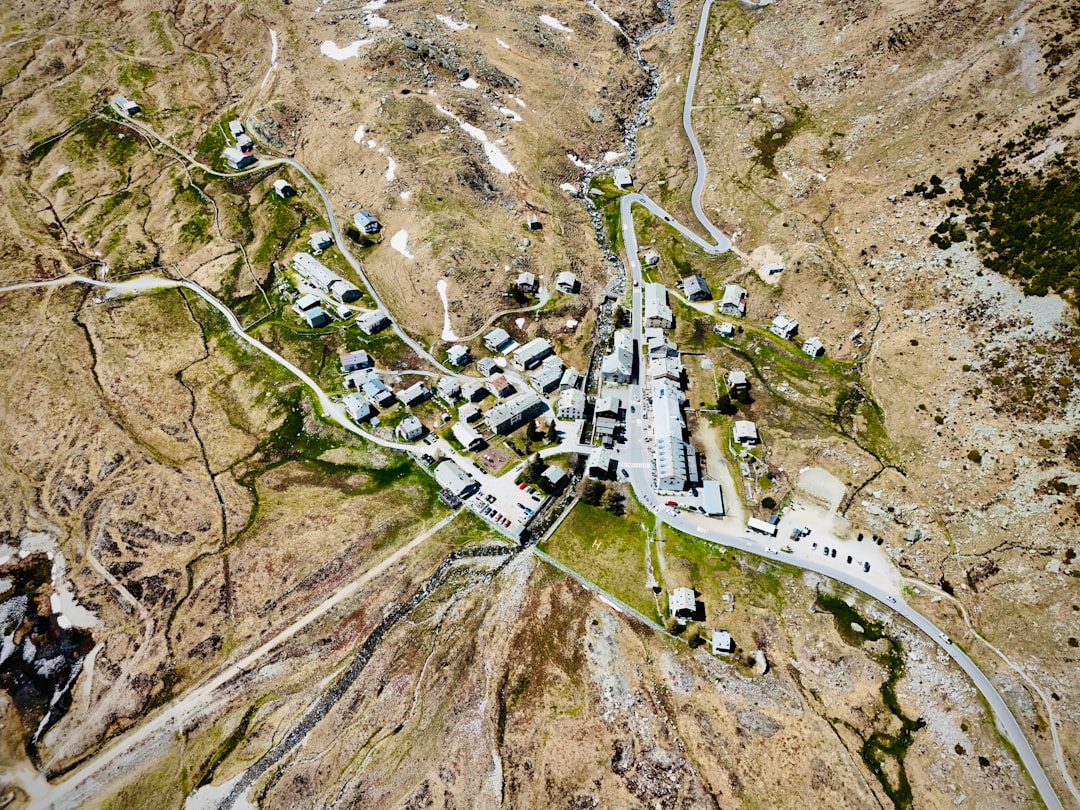
I pulled into Leadville, Colorado, at 10:152 feet above sea level, windows down, and my phone read 63 degrees. That was in the middle of July. Six hours earlier, I’d been sweating through my shirt in Denver at 97. The temperature drop didn’t make sense to my body — I’d driven straight uphill into what felt like a different season entirely. That’s the thing about high-altitude towns in July: while most of the country is baking, a handful of mountain enclaves are living in their own private climate zone, one where you might need a light fleece at dinner and the sun still feels warm but never punishing.
I’ve spent the last three summers chasing this feeling across the American West, and I’ve narrowed it down to seven towns that sit above 7,000 feet where July doesn’t feel like July at all. These aren’t just places to cool off — they’re destinations that happen to come with their own natural air conditioning as a bonus.
Leadville, Colorado — 10,152 Feet of Fresh Air
Leadville sits higher than any incorporated city in the United States, and you feel it the moment you step out of the car. Not just in the lungs, though that’s real — but in the way the air carries a crispness that seems to belong to a different month entirely. July highs here hover around 70°F, and when the sun drops behind Mount Massive, you’re reaching for a jacket by 8 PM.
The town itself is a living museum of Colorado’s mining boom. Victorian storefronts line Harrison Avenue, and the National Mining Hall of Fame and Museum tells stories of the silver rush that built this place. I spent a morning walking the Mineral Belt Trail, a paved 11-mile loop that winds through old mining structures and aspen groves, with views of two fourteeners — Mount Elbert and Mount Massive — dominating the skyline.
If you’re planning to hike at this elevation, give yourself a day to acclimate. I cannot stress this enough. The first time I visited, I tried to tackle a trail the same afternoon I arrived and lasted about 20 minutes before my legs turned to jelly. Now I make a point of spending the first day flat — walking downtown, eating at the Golden Burro (a diner that’s been serving since 1937), and letting my body catch up. A portable pulse oximeter is worth tossing in your bag to track how your oxygen levels are adjusting, especially if you’re coming from sea level.
Leadville’s Boom Days festival in mid-July celebrates its mining heritage with burro races, arm wrestling, and street fair food. It’s gloriously unpolished in the best way — the kind of event where the locals actually show up and participate rather than perform for tourists.
Breckenridge, Colorado — The Sweet Spot at 9,600 Feet
Breckenridge gets crowded in winter for obvious reasons, but July might be its best-kept secret. The ski resort transforms into a summer playground with the Peak 8 Fun Park, and the town itself hums with farmers markets, outdoor concerts, and a craft brewery scene that rivals anything on the Front Range. Daytime temperatures sit in the mid-70s with almost no humidity — the kind of weather where you can hike all morning and never feel gross.
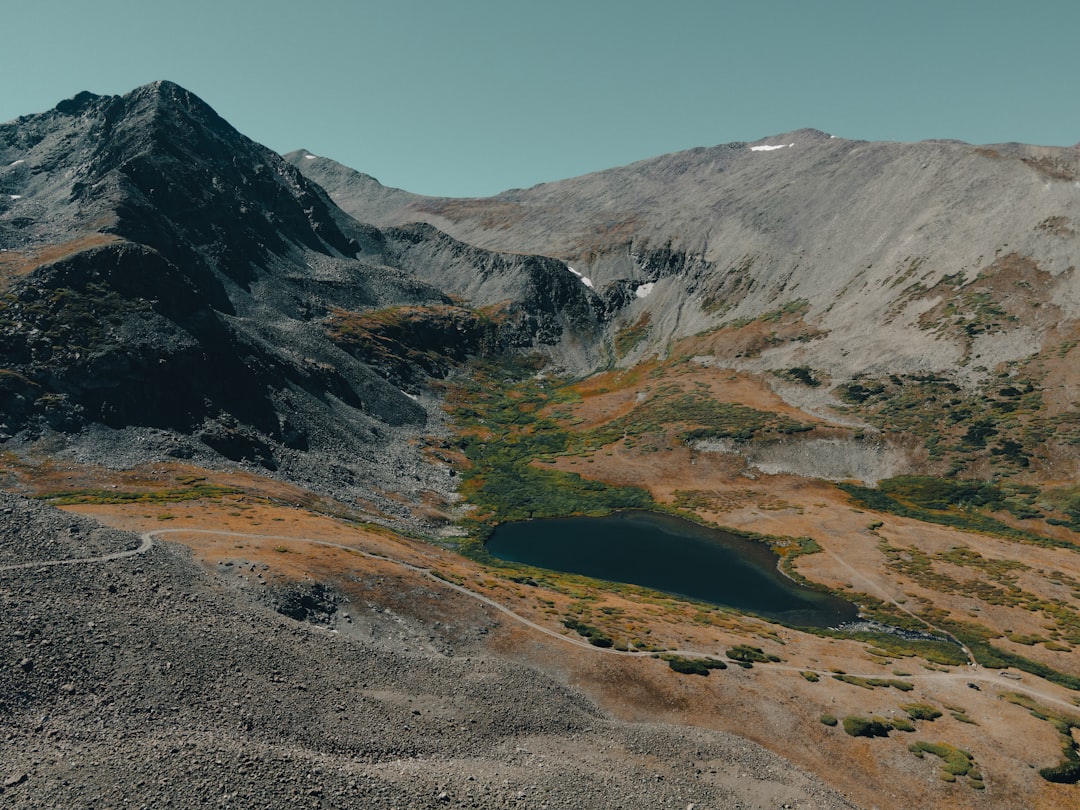
The hiking here is exceptional. I spent a full day on the Mohawk Lakes trail, which climbs past old mining cabins and waterfalls before opening up to a chain of alpine lakes that reflect the peaks like mirrors. It’s about 7 miles round trip and gains nearly 1,700 feet, so solid waterproof hiking boots are non-negotiable — the trail crosses creeks and the rocks get slick in the afternoon shade.
What surprised me most about Breckenridge in summer was the nightlife. Not clubs — I mean the kind of evening where you’re sitting on a patio at Broken Compass Brewing with a pale ale, watching the sun set behind the Tenmile Range at 8:30 PM, and the temperature has dropped to a perfect 60 degrees. Bring a packable down jacket because that patio gets chilly fast once the sun goes.
Flagstaff, Arizona — The Desert’s Cool Contradiction
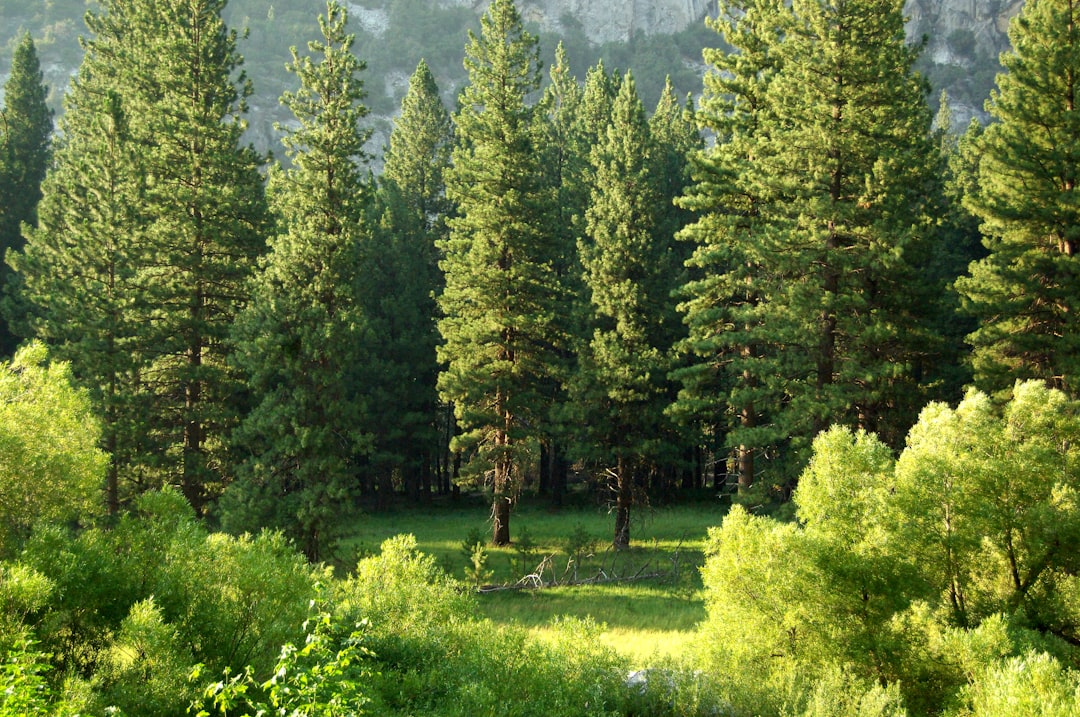
Here’s what blows my mind about Flagstaff: Phoenix, at 1,086 feet, hits 110°F in July. Flagstaff, at 7,000 feet and just 144 miles north, tops out around 82°F. Same state, same desert region, twenty-degree difference. It’s the most dramatic climate escape I’ve found anywhere in the country, and it happens to be surrounded by the largest contiguous ponderosa pine forest on Earth.
Flagstaff serves as the perfect base for Grand Canyon visits — it’s only 80 miles south — but it deserves more than a drive-through. I spent three days here last July and barely scratched the surface. The Arizona Snowbowl scenic chairlift runs year-round, taking you to 11,500 feet for views that stretch to the Grand Canyon’s North Rim on clear days. Lowell Observatory, where Pluto was discovered, offers nightly stargazing programs that take advantage of Flagstaff’s dark sky designation.
The UV index at this elevation is deceptively strong, even when the temperature feels mild. I learned this the hard way — a mild sunburn on my first day because 75°F didn’t “feel” like sunburn weather. Now I never travel above 6,000 feet without SPF 50 sport sunscreen and polarized UV-protection sunglasses. The thinner atmosphere filters less UV radiation, so you burn faster at altitude even when it’s cool.
Downtown Flagstaff has a gritty, college-town energy — it’s home to Northern Arizona University — with enough dive bars, coffee shops, and Route 66 nostalgia to fill a lazy afternoon. For a deeper dive into the region, nearby state parks offer crowd-free alternatives to the Grand Canyon’s South Rim madness.
Jackson, Wyoming — Where the Tetons Meet the Thermometer
Jackson sits at 6,800 feet, which is technically the lowest elevation on this list, but what it lacks in raw altitude it makes up for with a latitude advantage — it’s far enough north that July days max out around 80°F with almost no humidity, and mornings can dip into the 40s. I wore a fleece to breakfast every single day of my trip, then shed layers by noon.
The obvious draw here is Grand Teton National Park, which sits literally at the edge of town. I spent a morning hiking to Inspiration Point above Jenny Lake, which gives you a view so dramatic it almost doesn’t look real — jagged peaks rising straight out of the water with no foothills to soften the transition. The park sits literally at the edge of town, which means you can be on a trail by 6 AM and back in time for a late breakfast at the Jackson Drug counter.
What sets Jackson apart from other mountain towns is the wildlife. I’ve seen moose in Mormon Row, pronghorn in the National Elk Refuge, and a black bear lumbering across a hiking trail near Taggart Lake. Carry a rechargeable headlamp for early morning starts — the trails are dark at 5 AM, and animal encounters are more likely at dawn and dusk.
The town itself walks a line between authentic Western culture and high-end tourism. You can buy a $5,000 fur coat or a $5 beer at the Wort Hotel’s Silver Dollar Bar, sometimes within the same hour. The Town Square’s elk antler arches are touristy but genuinely striking, and the nightly summer shoot-out reenactment is cheesy fun.
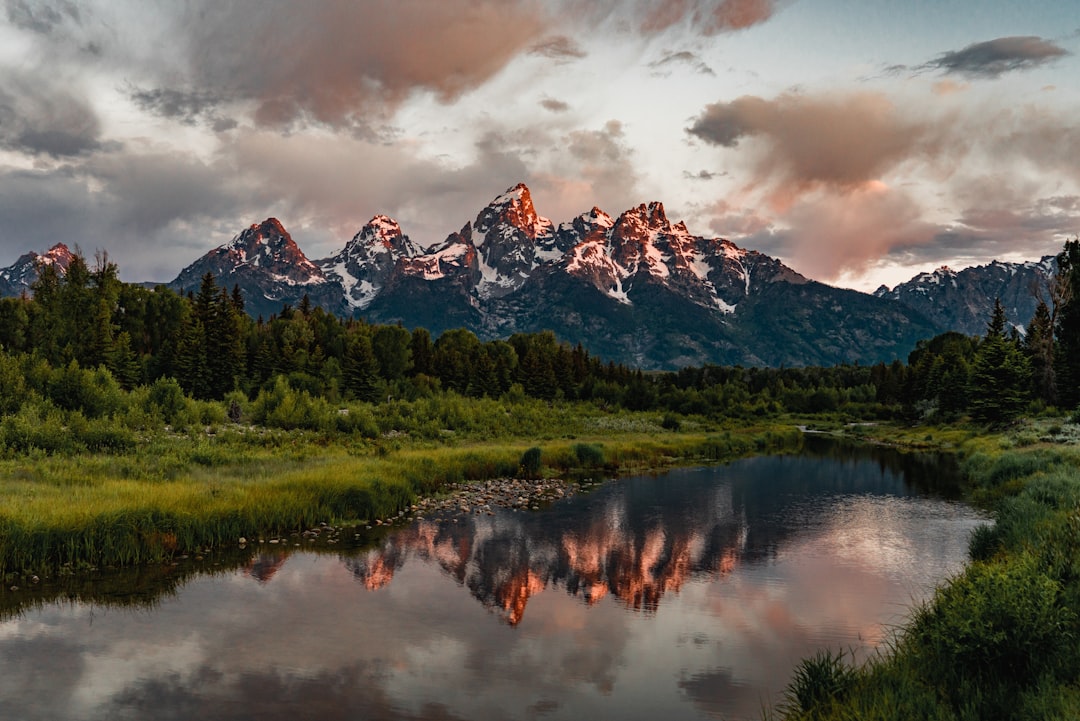
Mammoth Lakes, California — Sierra Nevada’s Year-Round Playground
Mammoth Lakes town center sits at 7,880 feet, and Mammoth Mountain tops out above 11,000 feet. I’ve skied here on the Fourth of July. That’s not a joke — in big snow years, the upper mountain stays open into summer. Even in a normal year, July temperatures rarely exceed 80°F during the day and can drop into the 40s at night.
The Eastern Sierra is one of my favorite landscapes in America — it’s drier and more dramatic than the western slope, with the mountains rising sharply from a high desert plateau. If you’re exploring the broader Great Basin region, Great Basin National Park in eastern Nevada makes an excellent companion trip — it sits at over 10,000 feet and offers some of the darkest skies in America. Devils Postpile National Monument, just outside town, features 60-foot basalt columns that look like a giant’s pipe organ. Rainbow Falls, a 101-foot plunge on the San Joaquin River, puts out enough mist to cool you down on even the warmest afternoon.
For a town of under 8,000 people, Mammoth Lakes punches above its weight for outdoor recreation. Over 300 miles of trails radiate from town, ranging from paved bike paths to multi-day backcountry routes. I rented a mountain bike and spent a day on the Mammoth Rock Trail, which traverses below the gondola-served summit and offers views across the Long Valley Caldera.
Hydration is critical at this elevation — the dry mountain air wicks moisture faster than you realize. I drink twice as much water at altitude as I do at sea level, and I’ve started adding electrolyte powder packets to my water bottle to replace what the dry air strips away. A 3-liter hydration bladder in your daypack is the move here — you’ll drink more when the tube is right there than if you have to stop and pull out a bottle.
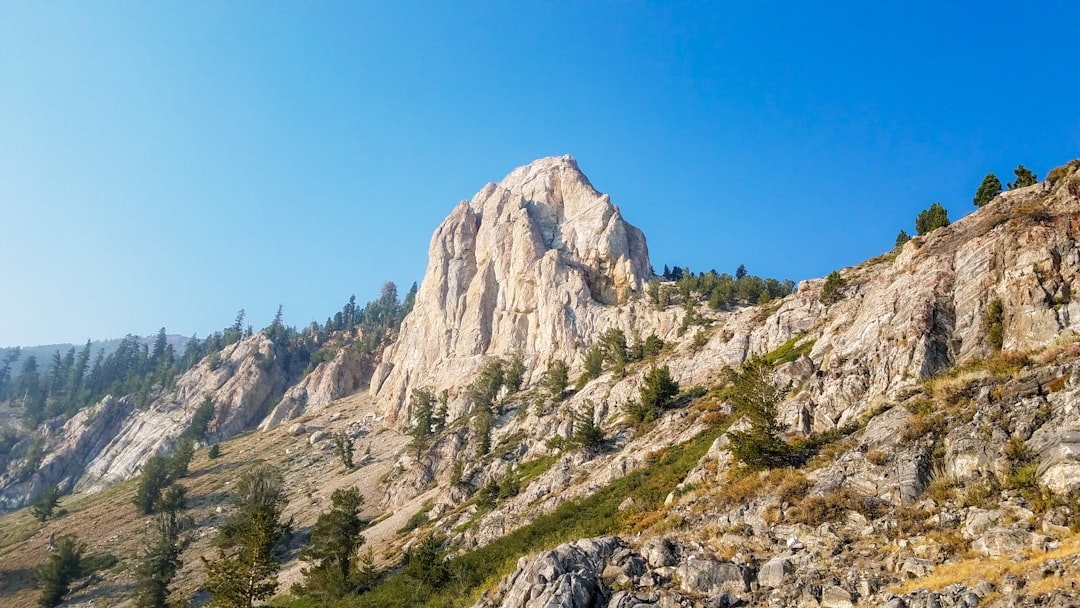
Taos, New Mexico — High Desert Cool at 6,967 Feet
Taos doesn’t get enough credit for its elevation advantage. At nearly 7,000 feet in the Sangre de Cristo Mountains of northern New Mexico, it sits well above the desert floor that bakes the rest of the state. July highs reach the mid-80s, which sounds warm until you’ve experienced 85°F with zero humidity, a gentle breeze, and nights that drop into the 50s. It’s a different kind of heat — dry, honest, and nothing like the oppressive soup of a Southern summer.
The Taos Pueblo is a UNESCO World Heritage Site and has been continuously inhabited for over 1,000 years. It’s one of the few places in America where you can stand in a structure that was already old when Columbus set sail. The multi-story adobe buildings are made from the earth they sit on, and tribal members still live there without electricity or running water, by choice.
Taos Ski Valley, a 20-minute drive from the plaza, transforms into a summer hiking destination with trails leading into the Wheeler Peak Wilderness. The Williams Lake trail is a moderate 4-mile round trip that ends at an alpine lake below Wheeler Peak, New Mexico’s highest summit at 13,167 feet. I found a lightweight camping hammock indispensable for a post-hike rest by the water — the granite slabs around the lake are perfect for stringing one up.
The Rio Grande Gorge, just west of town, drops 800 feet from a high desert mesa to the river below. The gorge bridge on US 64 offers a stomach-dropping view straight down, and the rim trail on the west side is one of the best sunset spots I’ve found anywhere. Pack a cooler, bring a chair, and watch the light change on the basalt walls.
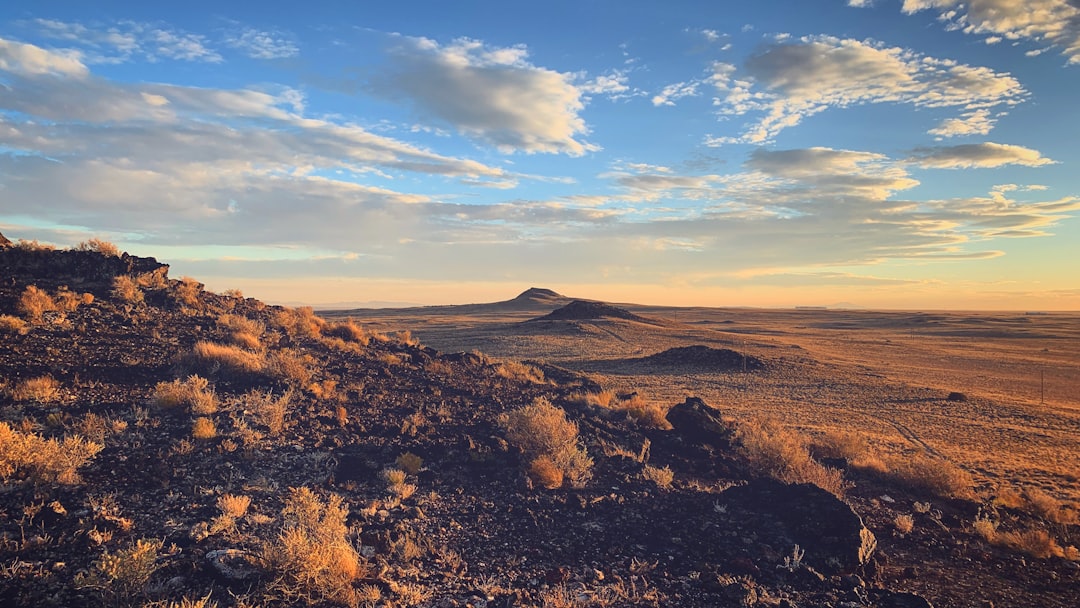
Telluride, Colorado — The Box Canyon That Traps Cool Air
Telluride sits at 8,750 feet in a box canyon surrounded by 13,000-foot peaks on three sides. The geography creates a natural cooling effect — cold air drains down from the surrounding mountains into the valley overnight, and the canyon walls block the afternoon sun earlier than you’d expect. July highs barely reach 75°F, and I’ve woken up to 38°F in my rental more than once.
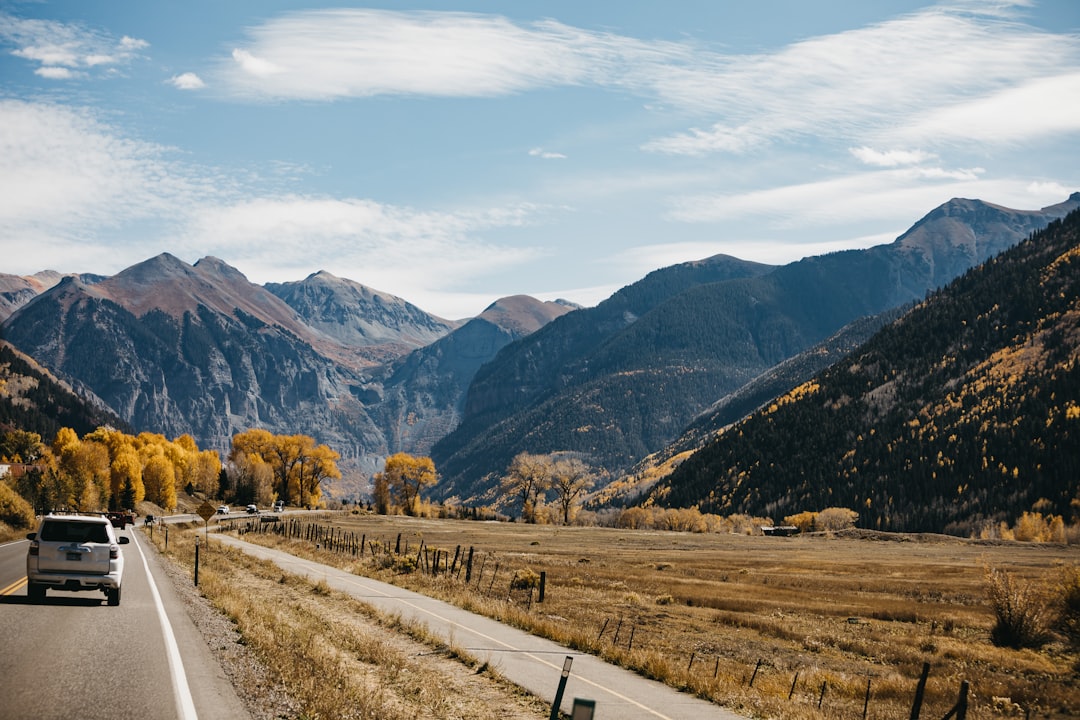
Getting to Telluride is half the experience. The drive from Denver takes about six hours and crosses three mountain passes, including the Dallas Divide, which might be the most photographed landscape in Colorado. If you’re planning a road trip to get here, make sure your vehicle can handle sustained uphill driving at altitude — and carry extra water for both you and the engine.
The free gondola that connects Telluride to Mountain Village runs year-round and is one of the best free activities in ski country. I rode it at sunset and watched the entire canyon light up gold, then pink, then purple. The town itself is tiny — fewer than 3,000 residents — but packs in enough restaurants, galleries, and festivals to fill a week. The Telluride Bluegrass Festival in late June bleeds into July, and the rodeo series runs Thursday nights through August.
For hiking, the Bear Creek Trail departs right from town and climbs 1,000 feet over 2.5 miles to a cascading waterfall. It’s the kind of trail that makes you understand why people move to the mountains and never leave. I packed a 40-liter hiking backpack with lunch, extra layers, and a book, and spent the entire afternoon by the falls without seeing more than a dozen other hikers.
What to Pack for High-Altitude Summer Travel
After three summers of doing this, I’ve got my packing list dialed in. The key is layers — you’ll experience temperature swings of 30-40 degrees between morning and afternoon, and the sun is significantly more intense at altitude even when the air feels cool.
- Base layer: A merino wool base layer top works in every season. It regulates temperature, doesn’t hold odor, and works as a standalone shirt in the afternoon or a base under a fleece in the morning.
- Insulation: A packable down jacket compresses to nothing and handles the inevitable evening temperature drop. I’ve worn mine in July more than in December.
- Sun protection: SPF 50 sunscreen, polarized sunglasses, and a wide-brim hat. The UV index at 10,000 feet is roughly 50% higher than at sea level.
- Hydration: A 3-liter hydration bladder for day hikes, plus electrolyte packets. You lose moisture faster in dry mountain air than you realize.
- Altitude management: A pulse oximeter to track oxygen saturation, and altitude supplement capsules if you’re sensitive to elevation. Most importantly, drink water constantly and limit alcohol for the first 24 hours.
The Bottom Line on July Mountain Escapes
There’s something deeply satisfying about watching the weather app show 102°F back home while you’re pulling on a fleece at 7 PM. These seven towns aren’t just about escaping heat — they’re genuinely great destinations that happen to come with perfect summer weather as a built-in feature. The altitude brings other rewards too: darker skies for stargazing, clearer trail conditions, and a physical awareness of the landscape that you simply don’t get at lower elevations.
If you’ve never traveled above 8,000 feet in summer, start with Flagstaff or Jackson — they’re the most accessible and the least likely to cause altitude issues. Work your way up to Leadville or Telluride once you know how your body handles the thin air. And whatever you do, don’t try to set a hiking PR on your first day. The mountains will always be there tomorrow. Your lungs, after a 6,000-foot elevation gain in a single afternoon, might not cooperate.
My advice? Book a week, not a weekend. These towns reward slow mornings, detours, and the willingness to change plans based on what the weather — or a local at a coffee shop — suggests. July in the mountains is the kind of travel experience that ruins you for summer everywhere else. Once you’ve watched the sun set behind the Tetons in a 55-degree breeze, 95°F back home starts feeling like a personal insult.
3 thoughts on “Thin Air, Cool Breeze: 7 High-Altitude Towns Where July Forgot to Bring the Heat”