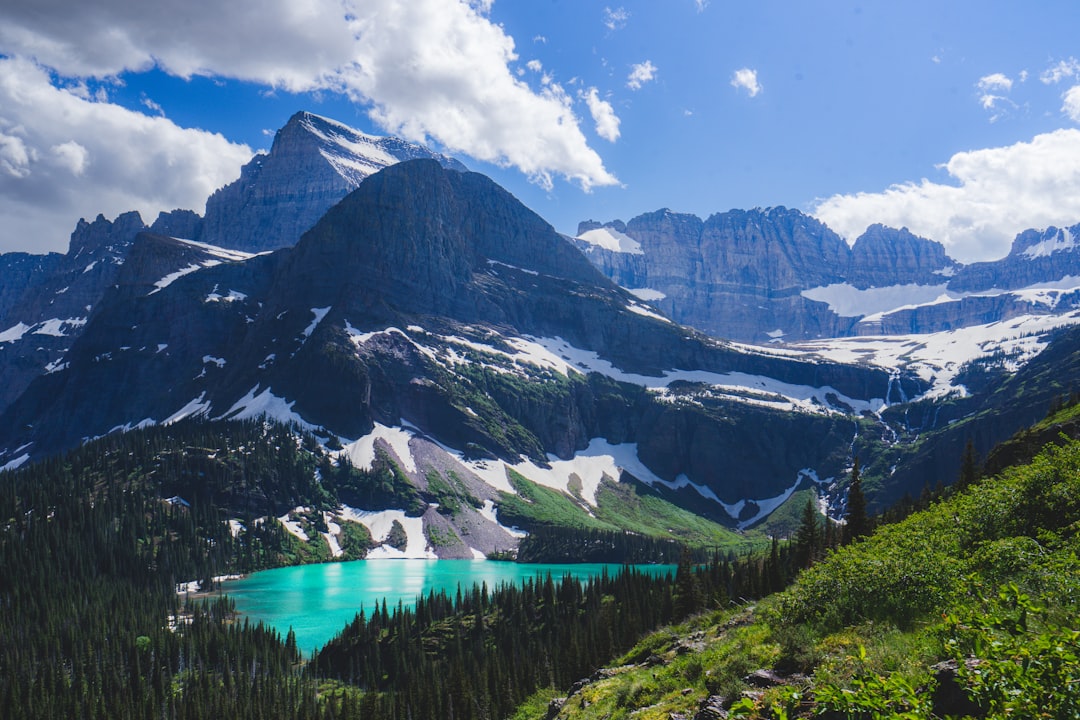
I almost didn’t go. For three years, Glacier National Park had been the one major park I kept skipping, mostly because the vehicle reservation system felt like another layer of planning I didn’t have bandwidth for. You needed to book a slot, hope the weather cooperated for that specific window, and then race through the park before your time expired. It sounded exhausting.
Then the National Park Service announced that for 2026, the entire reservation system is suspended. No timed entry. No Going-to-the-Sun Road permit. No Many Glacier lottery. You show up with a park pass and drive in. That was enough to get me on a plane to Kalispell in early July, and what I found confirmed every superlative I’d ever heard about this place. Glacier isn’t just beautiful. It rearranges your understanding of what mountains can look like.
What Changed in 2026 (And Why It Matters)
The Park Service made the call in February 2026: vehicle reservations are gone for the entire park. Every entrance, every corridor, every season. Instead of managing crowds through a booking portal, rangers will use temporary closures when parking areas fill up. It’s a return to the old-school model — first come, first served, with a shuttle system designed to reduce the chaos.
In practice, this means you can wake up at 5 AM, drive to West Glacier, and enter without scanning a QR code or stressing about a missed time slot. The trade-off is that popular trailheads (Hidden Lake, Avalanche, Logan Pass) may close temporarily during peak hours if lots are full. The solution is simple: go early or go late. Midday in July is when day-trippers flood in from Whitefish and Kalispell, so if you’re already inside the park by 7 AM, you’ll have the trails largely to yourself.
One thing that hasn’t changed: you still need a park pass. The America the Beautiful annual pass ($80) covers entrance fees for a year, or you can pay the $35 per-vehicle fee at the gate. If you’re planning to visit other parks this year — and after this trip, you’ll want to — the annual pass pays for itself by your third park. I’ve been working through my annual pass at places like Voyageurs and North Cascades already this summer.
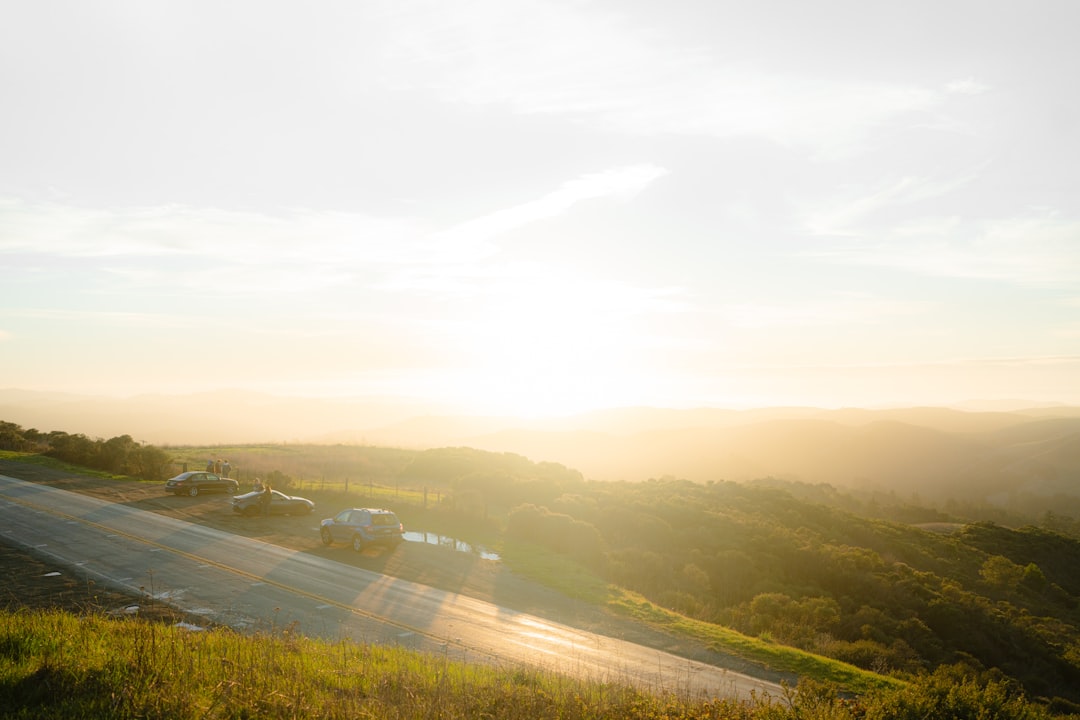
Driving Going-to-the-Sun Road: The Experience That Ruins Other Roads
Fifty miles of paved engineering audacity. That’s the best way I can describe Going-to-the-Sun Road, the only road that crosses Glacier from west to east. It took eleven years to build, cost $2.5 million (in 1933 dollars), and required blasting through sheer limestone cliffs above drop-offs that will make your knuckles go white on the steering wheel.
I started from the West Entrance at 6:30 AM in early July, and the road was already busy but moving steadily. The first section follows McDonald Creek through a forested valley so green it looked color-corrected. About ten miles in, the terrain starts climbing, the trees thin out, and suddenly you’re switchbacking up the side of a mountain with thousand-foot views opening up through your passenger window.
Key stops along the way:
- Lake McDonald Lodge — Historic Swiss-chalet-style lodge built in 1913. Worth a ten-minute stop to see the lobby’s massive stone fireplace and walk the lake shore.
- The Loop — A hairpin turn with parking and the trailhead for Highline Trail (more on that below).
- Weeping Wall — A section of cliff face where snowmelt cascades directly onto the road. Your car will get a free wash.
- Logan Pass — The crown jewel at 6,646 feet. Parking lot fills by 9 AM in July, so arrive early or take the shuttle.
- Big Bend — An overlook just east of Logan Pass with the most photographed view in the park. Jackson Glacier is visible from here on clear days.
- St. Mary Lake — The eastern side descends to this striking turquoise lake. Pull off at Sun Point for the classic reflection shot.
The entire drive takes about two hours without stops, but plan for four to six. You’ll want to get out at every overlook. I did, and I’m not a “stop at every overlook” person — except at Glacier, where each pullout reveals a completely different mountain arrangement that you somehow need to photograph even though the last fifteen photos look nothing alike.
Lake McDonald: The First Stop That Sets the Tone
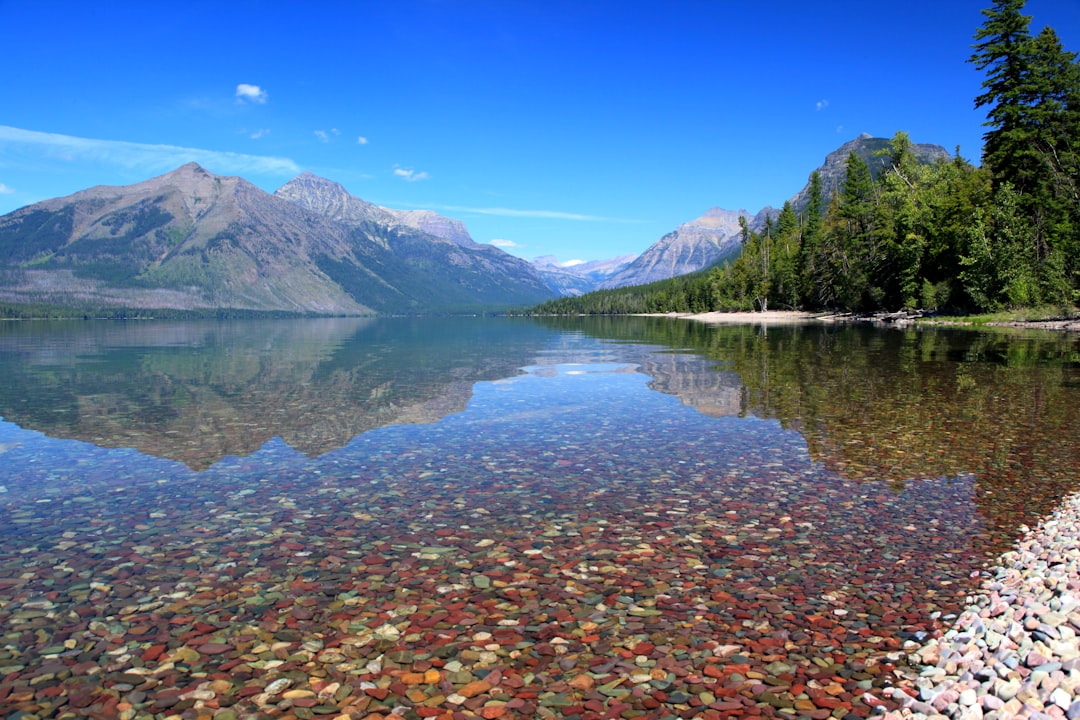
At ten miles long and over 450 feet deep, Lake McDonald is the largest lake in the park, and it’s the first major feature you’ll encounter from the west side. The water is impossibly clear — you can see the colorful river stones on the bottom twenty feet down, and the way the light hits those stones creates a kaleidoscope of reds, greens, and blues along the shore.
I spent my first afternoon here, partly because my flight got in late and partly because it’s the perfect low-effort introduction. There’s a flat trail that runs along the southern shore for about a mile, and you can rent kayaks and canoes at Apgar Village if the water is calm. It was. The reflections of the Garden Wall peaks on the surface were so sharp that my photos looked vertically symmetrical.
If you’re doing a quick dip, the water in July is around 55-60°F — cold but tolerable for ten minutes. Just don’t forget the sunscreen. The UV index at this latitude in July is surprisingly intense, and the water reflection amplifies it. I learned that the hard way on day one.
The Hikes That Are Worth Every Aching Muscle
Glacier has over 700 miles of trails, and you could spend a lifetime exploring them. I had four days. Here are the three that defined my trip.
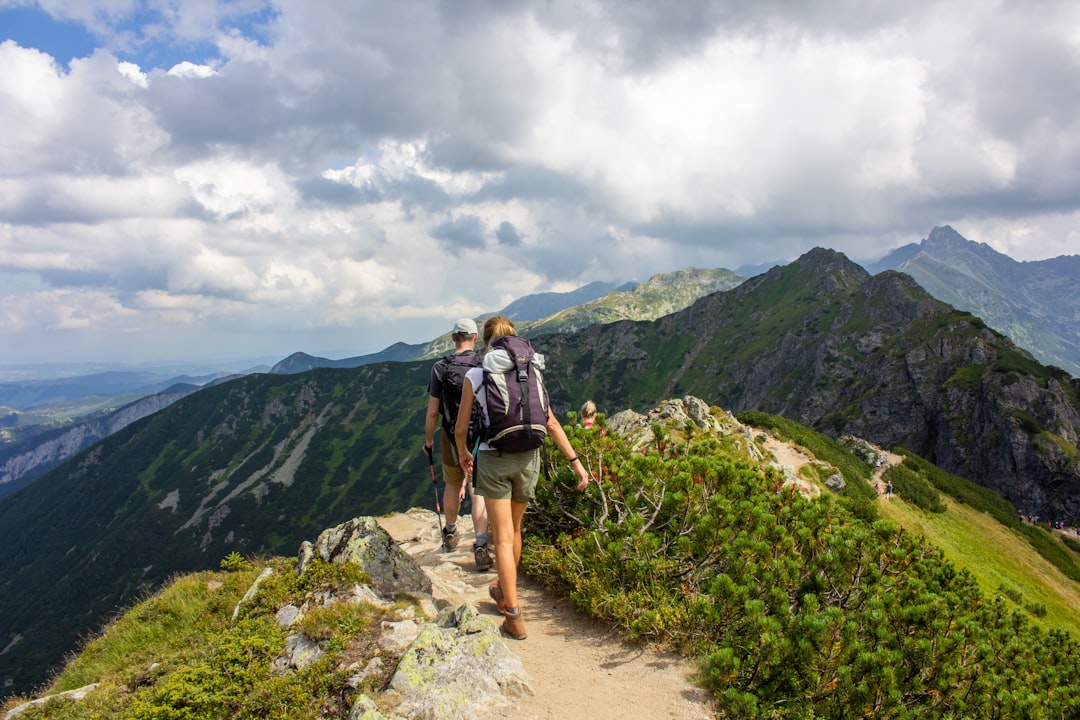
The Highline Trail
This is the one. If you only have one day in Glacier and the weather cooperates, do the Highline Trail. The trailhead is at Logan Pass, and the first two miles run along an open ridgeline called the Garden Wall with drop-offs on your left and alpine meadows on your right. It’s exposed — there’s no tree cover — but the views are so staggering that you won’t think about the exposure.
I started at 7:15 AM and had mountain goats grazing thirty feet off the trail within the first mile. Not behind a fence. Not through binoculars. Thirty feet. They looked at me with the bored indifference of animals who’ve been sharing this ridgeline with hikers for generations and have decided we’re harmless.
The full route to Granite Park Chalet is 11.6 miles one way, but most day hikers turn around at the Haystack Creek overlook (about 4 miles in) for a manageable 8-mile round trip. I went all the way to the chalet, then took the steep (and I mean steep) 4-mile descent down the Loop Trail to catch the shuttle back to Logan Pass. Total: 15.6 miles, 2,600 feet of elevation gain, and roughly seven hours of the best hiking I’ve done in the lower 48.
Hidden Lake Overlook
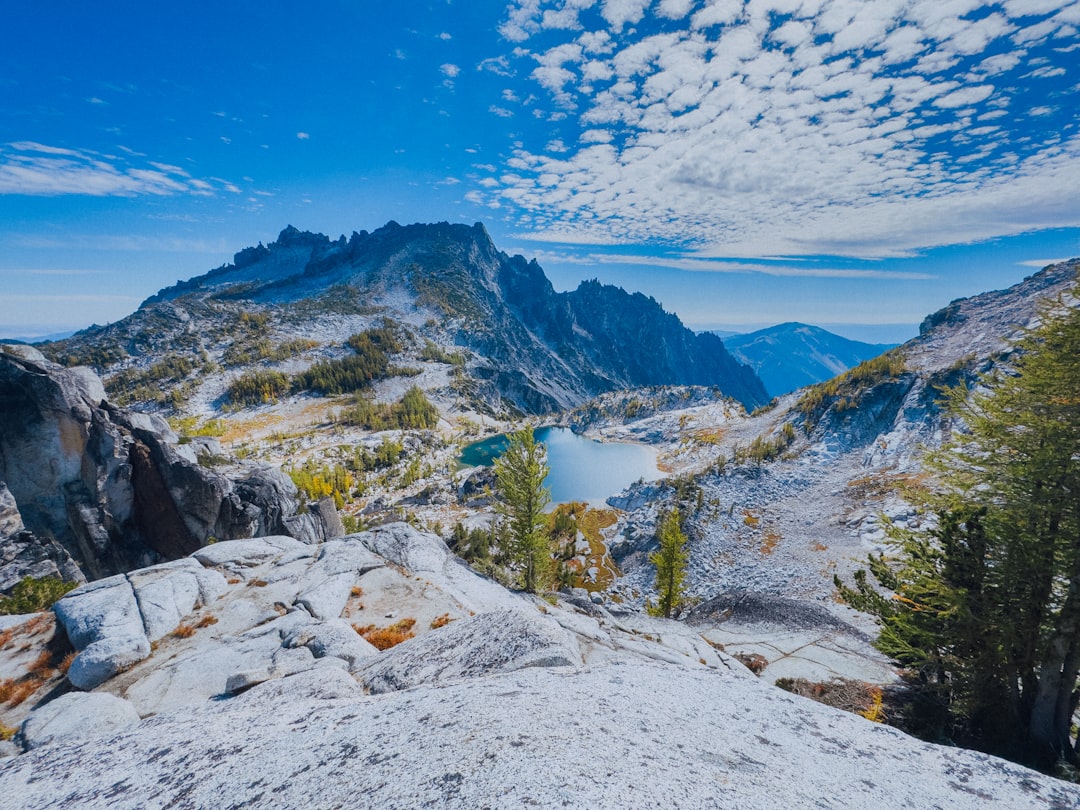
If the Highline Trail is the main event, Hidden Lake Overlook is the best appetizer in the park. It starts at the Logan Pass Visitor Center (same parking area as Highline), and it’s only 1.5 miles each way on a paved boardwalk through alpine tundra. In July, this boardwalk is flanked by wildflowers — beargrass, glacier lilies, Indian paintbrush, and lupine in colors so saturated they look artificial.
The payoff comes at the overlook platform: a pristine alpine basin with Hidden Lake set against the backdrop of Bearhat Mountain. I counted nine mountain goats in the basin below the platform, including two kids that were sprinting up and down a snowfield like it was a playground. Bring compact binoculars — the goats and bighorn sheep are easier to spot from the overlook with magnification, and you’ll want them for the rest of the trip too.
For a longer adventure, continue past the overlook down to the lake itself (another 1.5 miles, steep descent). The trail drops 750 feet, and you’ll need to climb back up, but standing at the shore of Hidden Lake with no one else around is worth every burning calf muscle.
Avalanche Lake
A 4.5-mile round trip through old-growth cedar-hemlock forest that feels like it was teleported from the Pacific Northwest. The trail follows Avalanche Creek through a gorge carved so deep that the rock walls are smooth and polished. At the end, Avalanche Lake appears suddenly, backed by three plunging waterfalls that feed the lake from the Sperry Glacier basin above.
This trail is one of the most popular in the park for good reason — it’s relatively flat, family-friendly, and the payoff-to-effort ratio is off the charts. Go before 9 AM or after 4 PM to avoid the worst crowds. The trailhead is about 5.5 miles east of Lake McDonald Lodge on Going-to-the-Sun Road.
Wildlife: This Is Bear Country (Actually)
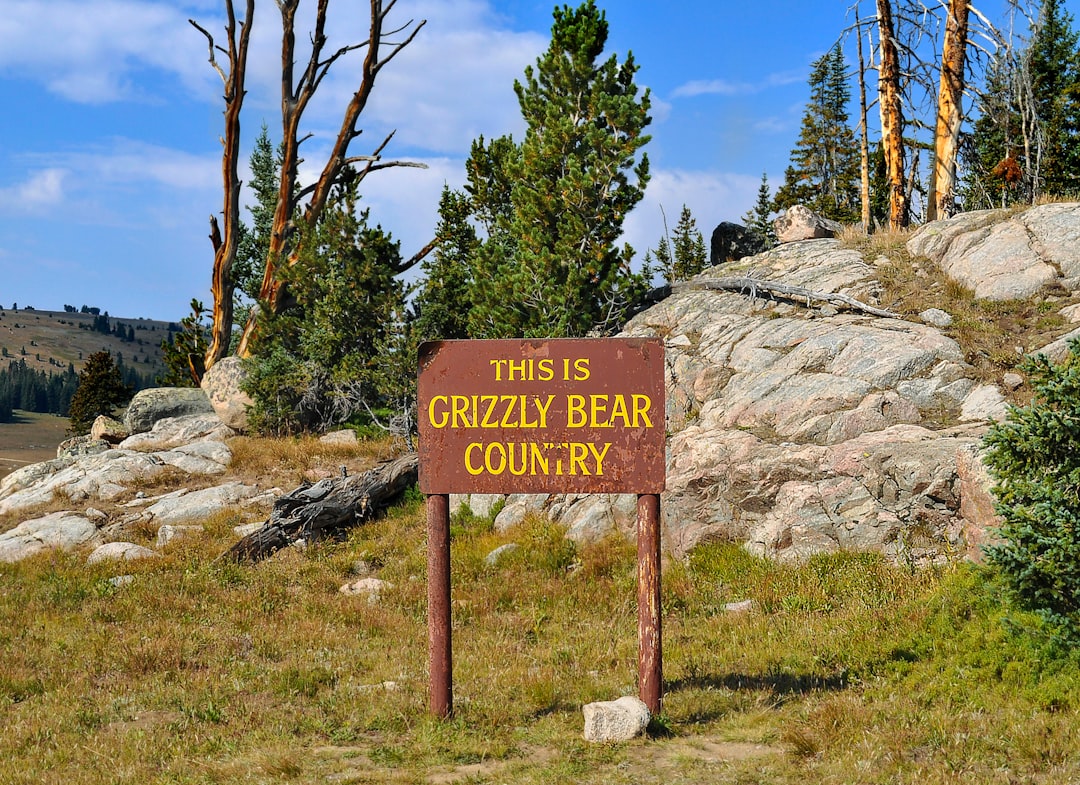
Glacier is one of the few places in the lower 48 where both grizzly and black bear populations are healthy and active. I saw three grizzlies from the road on my trip — one digging for roots in a meadow near Many Glacier, two on a hillside above St. Mary Lake. Rangers track sightings daily, and the visitor centers have up-to-date information on where bears have been recently spotted.
The reality of hiking in Glacier is that you need to take bear safety seriously. This isn’t a park where bear spray is a nice-to-have. It’s required gear, and rangers will check. I carried the SABRE Frontiersman MAX bear spray on my belt the entire trip — it has a 40-foot range and a glow-in-the-dark safety so you can find it in low light. Never used it, but I was glad it was there every time I came around a blind corner on the trail.
Beyond bears, the park is loaded with wildlife. Mountain goats are practically guaranteed at Logan Pass. Bighorn sheep roam the eastern side near St. Mary. I spotted a lone wolverine crossing the road near Two Medicine — an extraordinarily rare sighting that a ranger later told me happens maybe once a month during summer. Mule deer, elk, and moose are common in the lower valleys, especially in the early morning.
July Wildflowers: A Timed Blooming Event
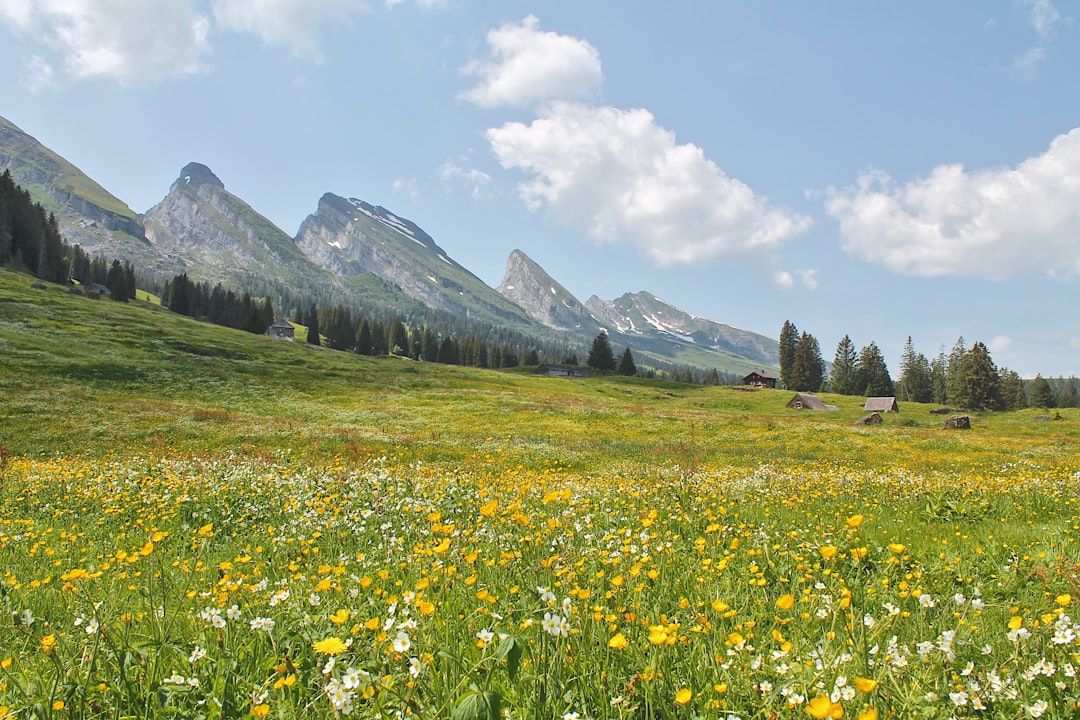
I’ve chased wildflowers in a lot of places — the Sonoran Desert in March, the Texas Hill Country in April, the Southwest monsoons — but Glacier in July is a different category entirely. The blooming season at high elevations is compressed into a narrow three-week window from early July to late July, and during that window, the alpine meadows explode.
Beargrass is the headliner. These tall, creamy-white flower stalks grow in clusters that can cover entire hillsides, and they bloom on a roughly every-five-to-seven-year cycle, which means some years are spectacular and others are modest. 2026 is a strong year — I hiked through entire meadows of beargrass on the Highline Trail, and the visual of those white stalks against the grey rock and blue sky is something I won’t forget.
Other flowers in peak bloom during July: glacier lilies (small, yellow, growing directly out of snowmelt patches), Indian paintbrush (vibrant red-orange), lupine (purple spikes), and elephant’s head (a tiny pink flower that literally looks like an elephant’s face — look closely). The Glacier National Park field guide I picked up at the visitor center was essential for identifying all of these.
Logan Pass: The Crown of Going-to-the-Sun Road
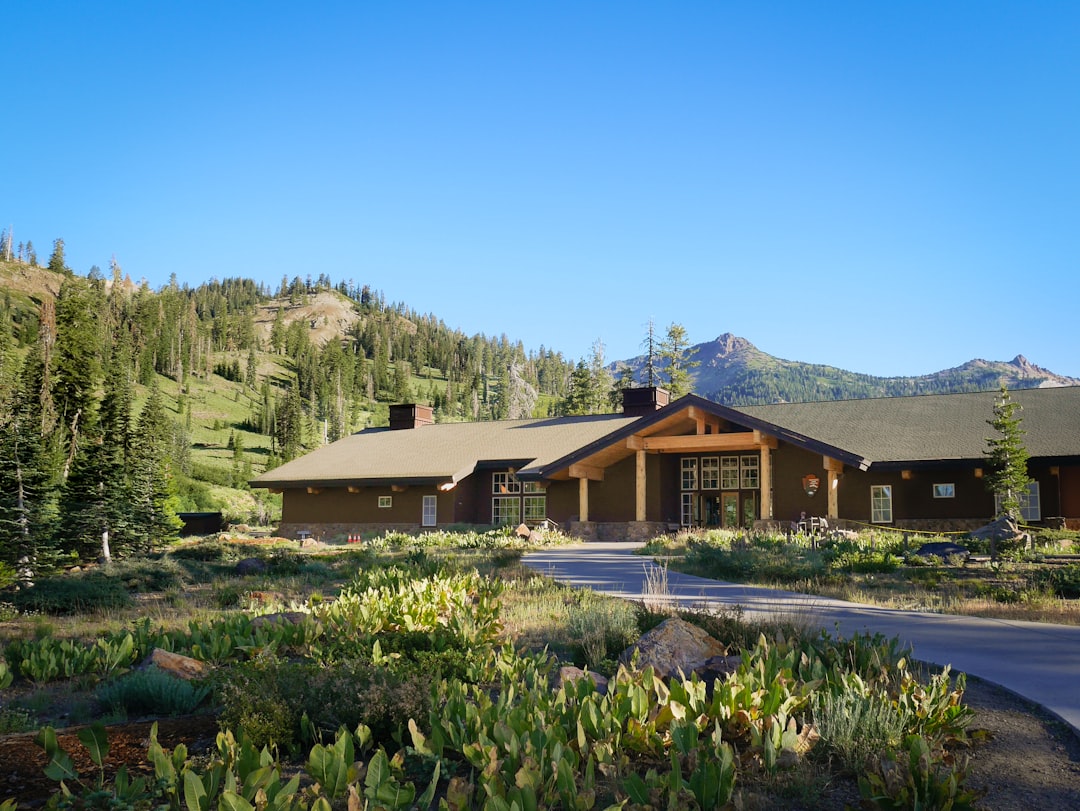
At 6,646 feet, Logan Pass is the highest point on Going-to-the-Sun Road and the hub for the park’s best day hikes. The visitor center sits in a wide alpine basin surrounded by peaks, and the surrounding boardwalk trails put you directly into the tundra ecosystem within minutes of parking.
The parking lot here is the park’s biggest bottleneck. In July, it typically fills by 8:30 AM, sometimes earlier. Once it’s full, rangers close the lot and you’ll need to take the free shuttle from either West Glacier or St. Mary. The shuttle system was revamped for 2026 with more frequent service and real-time capacity tracking, so the wait is usually 20-30 minutes. Still, if you want to park at Logan Pass, aim to arrive by 7:30 AM.
Even if you’re not hiking, Logan Pass is worth the stop. The views from the visitor center deck stretch across the alpine basin to Clements Mountain, and the boardwalk trail (Hidden Lake Overlook) is wheelchair-accessible for the first half-mile. This is also where you’re most likely to see mountain goats up close — they’ve learned that the boardwalk is a convenient travel route and often walk right past visitors.
Practical Tips From Four Days on the Ground
Base yourself on both sides. The west side (West Glacier, Apgar, Whitefish) has more services, restaurants, and lodging options. The east side (St. Mary, Babb, Many Glacier) is quieter, closer to the best wildlife, and has a rawer, less-developed feel. I split my trip — two nights on each side — and it dramatically reduced driving time to trailheads.
Pack for four seasons in one day. I started one hike in a t-shirt at 7 AM and was wearing a rain shell by 10. Mountain weather changes fast. A packable waterproof rain jacket lived in my daypack the entire trip, along with a cooling towel for the exposed sections and a 32-ounce Hydro Flask that kept ice water cold for twelve hours in direct sun.
Footwear matters more than you think. The trails here are rocky, and the elevation changes are real. I wore Merrell Moab 3 Mid waterproof boots the entire trip and was grateful for the ankle support on the Highline descent and the waterproofing on the snowfield crossings. Trail runners are fine for the flat trails, but for anything above Logan Pass, you want real hiking boots.
Trekking poles save your knees. I brought collapsible trekking poles and they were a lifesaver on the 2,600-foot descent from the Highline Trail. My knees would have been wrecked without them, and they double as stability aids on the snow patches that linger on north-facing slopes well into July.
Food and water. There are restaurants at Lake McDonald Lodge and Rising Sun, but they’re crowded and slow in July. I packed trail snacks and protein bars every day and ate lunch on the trail. Carry at least 3 liters of water per person for full-day hikes — the altitude and sun will dehydrate you faster than you expect.
Bug spray. Mosquitoes and flies are intense in the forested sections, especially near water. Pack a good DEET-based repellent and apply before hitting the trail. The breeze at higher elevations keeps them away, but the first and last miles of most trails go through dense forest.
Fuel up outside the park. There’s no gas available inside Glacier. Fill up in West Glacier, St. Mary, or East Glacier before entering. The nearest stations are 30+ minutes from some trailheads, and running out of fuel inside the park is a very expensive mistake.
Is It Worth the Hype?
I’ve now visited most of the major national parks in the western U.S. — Yellowstone, Yosemite, Crater Lake, the Smokies, and plenty more — and I can say without hedging that Glacier is in a category of its own. The combination of sheer vertical relief, active glaciers (for now), accessible alpine terrain, and dense wildlife populations creates something that no other park replicates.
And 2026 is the year to go. With the reservation system suspended, the barrier to entry is lower than it’s been in years. The park is still busy — Glacier sees over three million visitors annually — but the freedom to show up without a pre-booked time slot changes the entire experience. You can wake up, check the weather, and decide to go. That spontaneity is what makes road trips great, and it’s what was missing from the Glacier experience for the past three years.
Go in July if you can. The wildflowers are peaking, the roads are fully open, and the weather window is as reliable as it gets in the northern Rockies. Just set your alarm for 5 AM, pack your bear spray, and prepare to have your expectations exceeded. Glacier doesn’t just meet the hype. It makes you forget there was hype in the first place, because no amount of superlatives can prepare you for the real thing.
2 thoughts on “Glacier National Park Without the Reservation Headache: Why 2026 Is the Year to Finally Go”