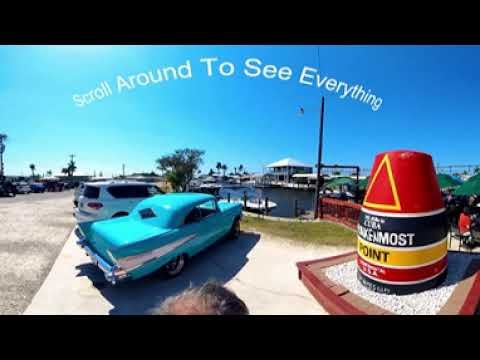
Pine Island, Florida doesn’t try to impress you. There are no high-rise condos crowding the shoreline, no traffic lights backing up onto the interstate, no chain restaurants masquerading as local flavor. What exists here instead is something increasingly rare on Florida’s Gulf Coast: a working fishing community where the dockside bars serve grouper caught that morning, where the biggest traffic jam involves a manatee crossing the canal, and where the most popular restaurant in town is quite literally called a bait shack.
I’d been spending time on the calmer side of Southwest Florida — poking around Matlacha’s colorful art shacks, walking Cabbage Key’s nature trails, exploring the mangrove boardwalks at Four Mile Cove — when someone mentioned St. James City. Not a city in any conventional sense. More of a wide spot in the road at the southern end of Pine Island, population: whoever feels like being there on a Tuesday afternoon.
Where the Road Ends and Florida Begins
Getting to Pine Island requires intention. You drive north from Fort Myers through Cape Coral, cross a bridge over Matlacha Pass, and then the world changes. The strip malls thin out. The speed limit drops. Mangrove tunnels replace storefronts. You’re now on an island that’s seventeen miles long and, at its widest, barely two miles across — most of which is occupied by mango groves, palm nurseries, and canals that lead directly to the Gulf of Mexico.
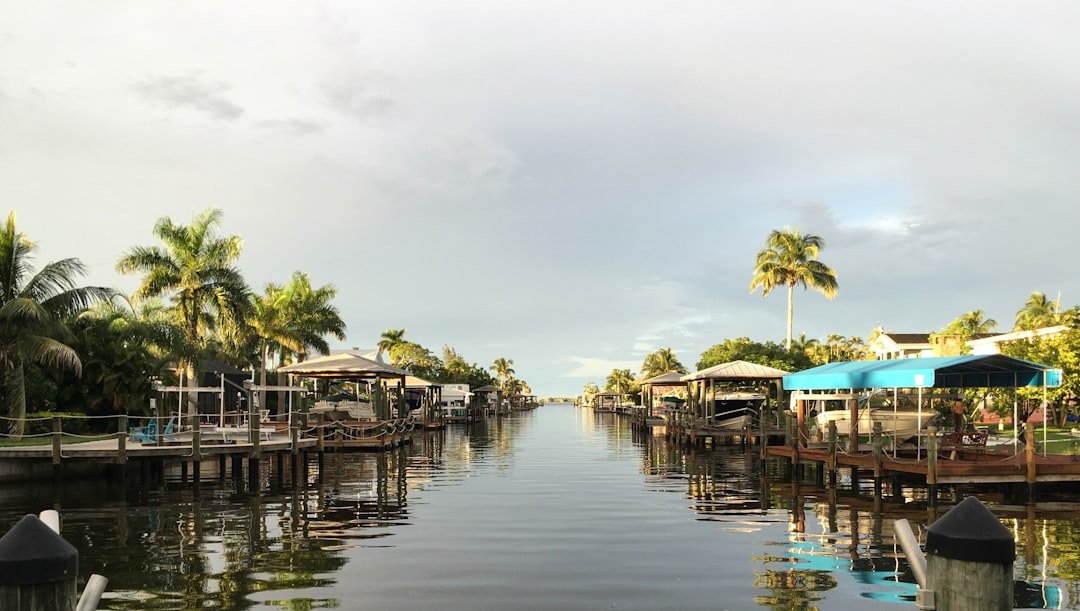
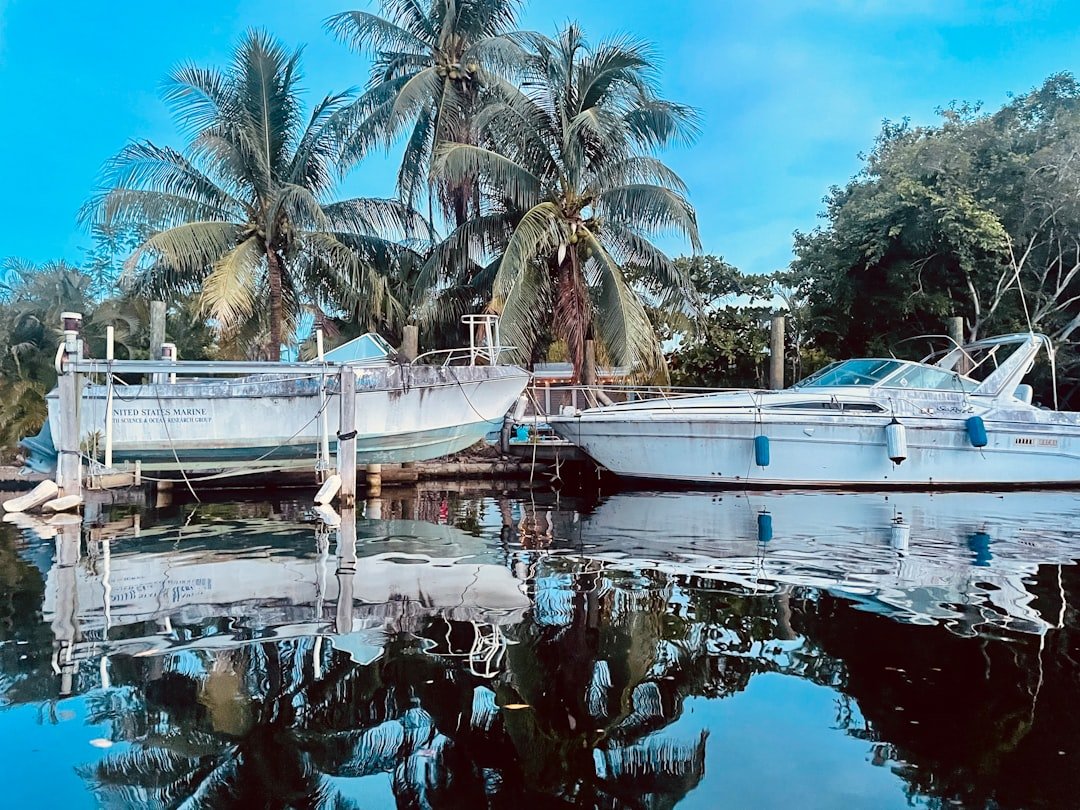
St. James City sits at the southern terminus, a collection of stilt houses, boat docks, and waterfront establishments strung along the Monroe Canal. It’s the kind of place where the sun protection matters more than your outfit, where flip-flops are formal wear, and where the distinction between “the restaurant” and “the dock” is largely academic.
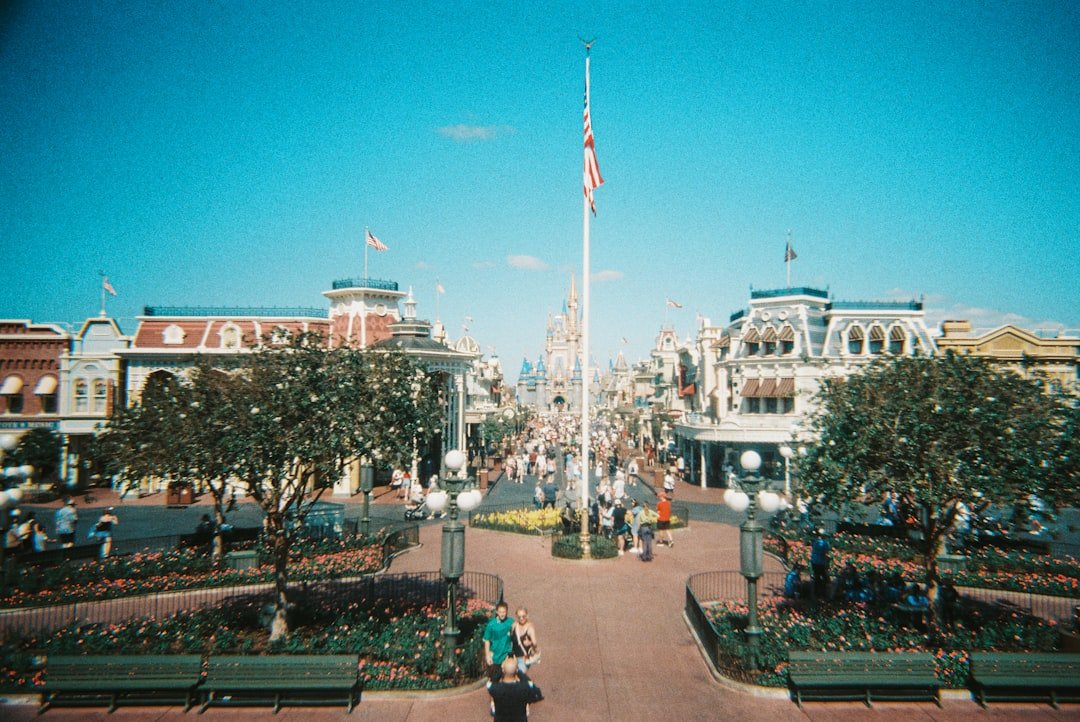
Phuzzy’s Bait Shack: Pine Island’s Living Room
If St. James City has a heartbeat, it pulses from a weathered building on the Monroe Canal called Phuzzy’s Bait Shack. Don’t let the name fool you — while you can certainly buy live shrimp and mullet from the boat rental operation next door, most people come for the open-air restaurant that stretches along the seawall, offering cold drinks, generous portions of fried seafood, and a view of the water that no developer could ever improve upon.
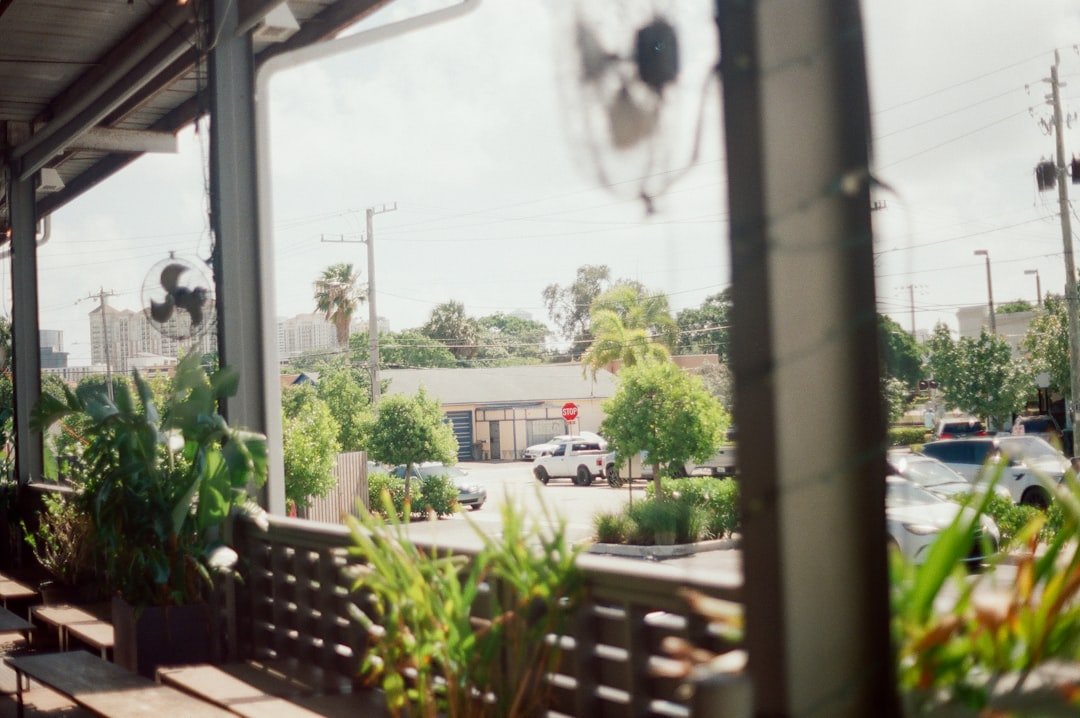
The building sits low to the ground, screened-in and shaded, the way old Florida waterfront spots used to be built before air conditioning convinced everyone to seal themselves indoors. Picnic tables line the deck. A tiki-style bar pours drafts. Egrets patrol the dock rails with the practiced confidence of birds who know exactly who drops french fries. The Monroe Canal stretches out in both directions, and on a weekday afternoon in February, you might count more pelicans than people.
The food is exactly what you want it to be: fresh grouper sandwiches, baskets of fried shrimp, conch fritters with a kick of heat. Nothing pretentious. Nothing overthought. The menu reads like a greatest-hits compilation of coastal Florida cooking, and the kitchen executes it without apology. Pair it with a portable beach cooler stocked with your own drinks, and you’ve got the makings of an afternoon that refuses to end on time.
The Boat Rental Next Door
Phuzzy’s shares its waterfront with a boat rental operation, and this is not a coincidence. The relationship between food and water access defines the Pine Island experience. You can walk in off the street for lunch, or you can arrive by water, tie up at the dock, and climb ashore with salt still drying on your sunglasses. The canal connects directly to Pine Island Sound and, from there, to the open Gulf.
This matters because Pine Island’s best attractions aren’t on the island at all — they’re on the water surrounding it. The sound is a maze of mangrove islands, oyster bars, and grass flats that hold some of the best backcountry fishing in Florida. Tarpon roll through the deeper channels during their spring migration. Snook ambush baitfish along the mangrove edges. Redfish tail on the flats during incoming tides, their dorsal fins cutting the surface like tiny sharks.
If you’ve ever wanted to try it yourself, a portable travel fishing rod packs into a suitcase and handles most inshore species. The boat rental at St. James City gets you on the water without a guide, and the fish are considerably less suspicious of solo anglers than they are of the charter boats that roar past with five rods rigged and ready.
Paddling the Mangrove Maze
Not everyone wants to captain a vessel. For those who prefer muscle over horsepower, Pine Island Sound offers some of the most intimate kayaking in Florida. The mangrove tunnels that thread through the backcountry are narrow, shaded, and astonishingly alive. Herons stand motionless in the shallows. Mullet launch themselves from the water for reasons known only to mullet. The only sound is the rhythmic splash of your paddle and the occasional distant outboard.
An inflatable two-person kayak opens up these waterways without requiring a roof rack or a storage unit. Pine Island’s eastern shoreline borders a chain of state aquatic preserves, and the casual paddler can easily spend half a day exploring without covering the same stretch twice. Launch from the St. James City waterfront, paddle west through the canal system, and you’re in the sound within ten minutes.
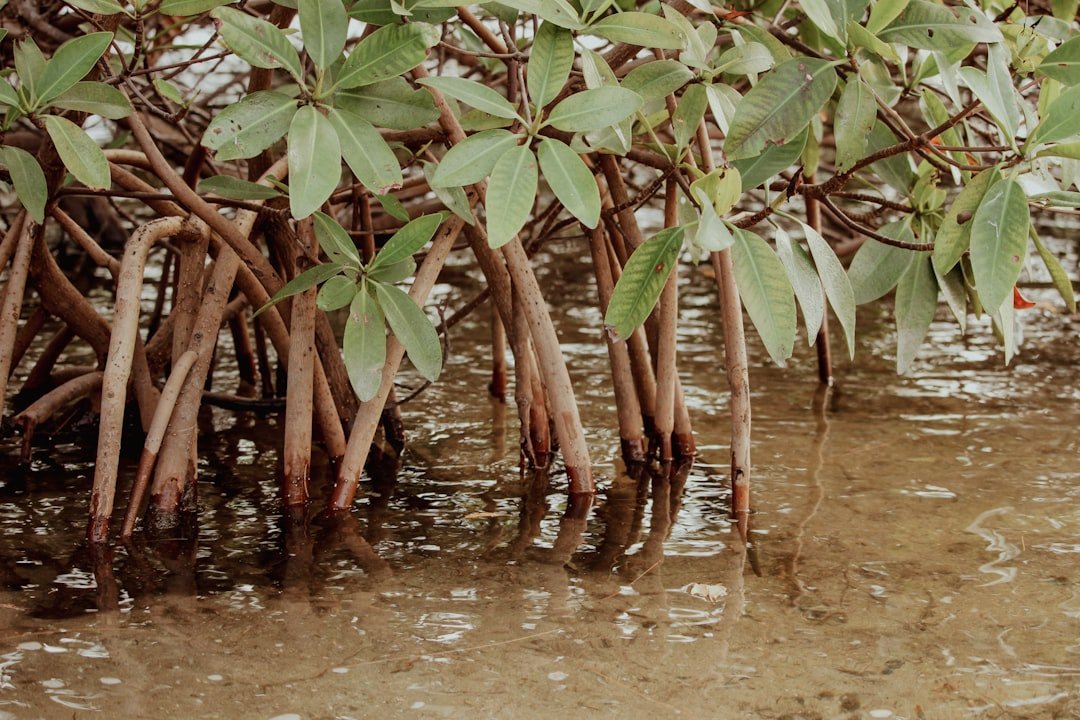
The mangroves themselves are worth understanding. These aren’t just scenic backdrop — they’re the structural foundation of the entire coastal ecosystem. Red mangroves drop their prop roots into saltwater like fingers reaching for a chair. Black mangroves push up pencil-sized breathing tubes through the mud. Together, they hold the shoreline in place, filter the water, and provide nursery habitat for virtually every sport fish that makes Southwest Florida a destination. Without mangroves, there is no Pine Island. And while Hurricane Ian snapped trees and buckled boardwalks in 2022, the root systems held. The forest is recovering the way Florida forests do: slowly, stubbornly, and with more vigor than anyone expected.
St. James City After Hours
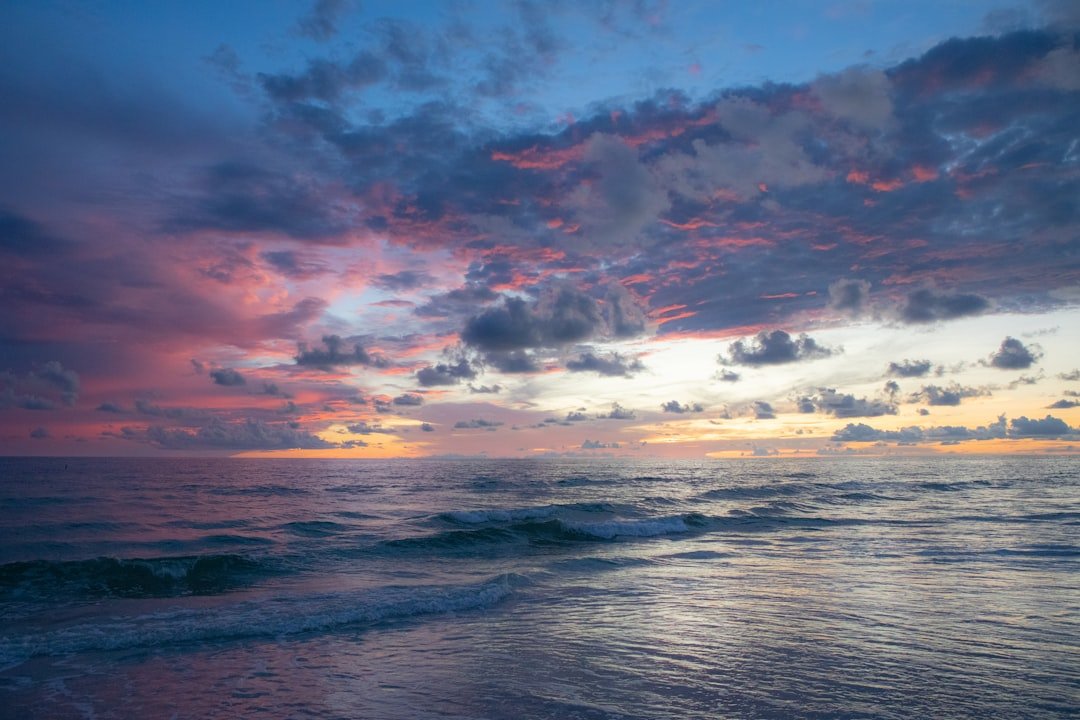
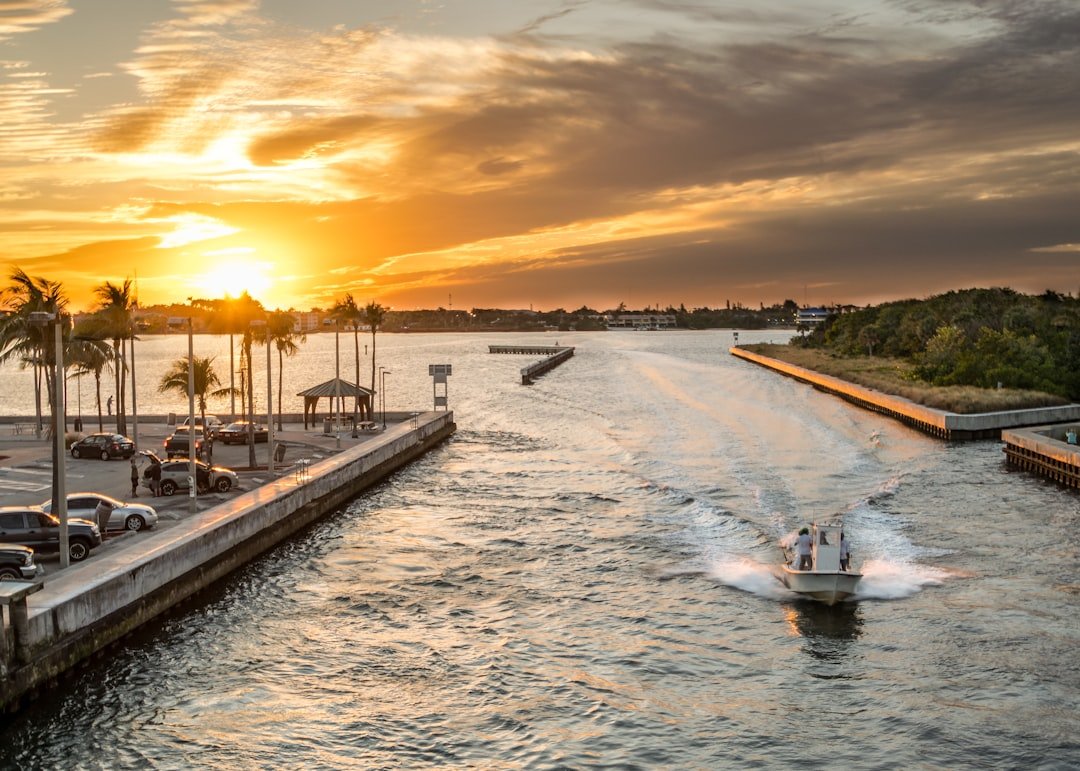
The sunsets on Pine Island hit different. Maybe it’s because there’s nothing between you and the horizon except water and sky. Maybe it’s because the western exposure over the Gulf means the light show lasts a full forty-five minutes, cycling through peach, magenta, and deep violet before the stars take over. Whatever the reason, sunset watching on Pine Island approaches religious significance.
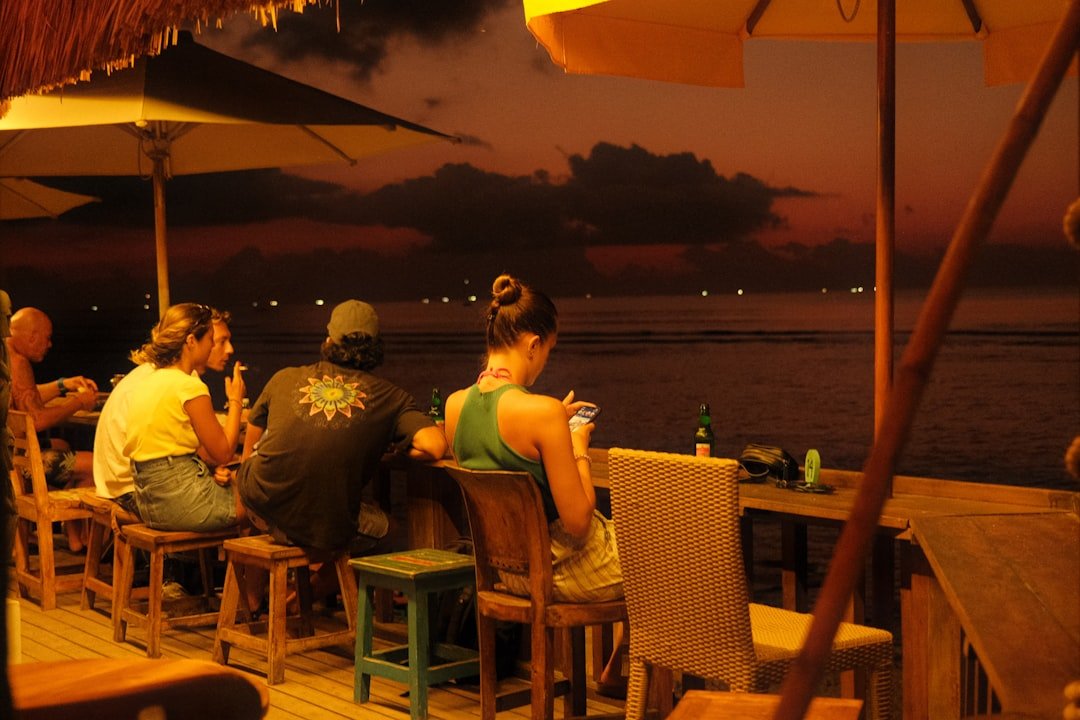
Phuzzy’s deck faces west. This is not an accident. By late afternoon, the day-boaters have started filtering back to the docks. The fishing rods get rinsed and stowed. The bar fills with the particular contentment of people who spent their day doing exactly what they wanted. Someone puts a dollar in the jukebox. An egret lands on the rail, hopeful. The sun drops behind a mangrove island on the horizon, and for a few minutes, nobody checks their phone.
What to Bring (And What to Leave Behind)
Pine Island rewards simplicity. You don’t need much, but what you bring matters:
- A good inflatable paddleboard or kayak. The water is the main event here, and the ability to launch from wherever you’re staying transforms the experience. Pine Island’s canals give every waterfront property direct access to the sound.
- Waterproof phone protection. Between the boat rentals, the kayak paddles, and the afternoon squalls that blow through without warning, your electronics will get wet. Plan accordingly.
- UPF-rated clothing. The Florida sun doesn’t negotiate. A quality UPF sun hat does more for your comfort than three applications of sunscreen, and it won’t wash off when you’re hauling a kayak through a canal.
- A Pine Island waterproof chart. Even with GPS, paper charts provide perspective that screens can’t. The shallow draft and hidden oyster bars of Pine Island Sound reward navigators who know what’s underneath them.
- Curiosity. This is not a place that announces itself. The best discoveries — the roadside produce stand with mangoes the size of footballs, the gallery hidden behind a bougainvillea wall, the canal where manatees gather on cold mornings — happen when you slow down enough to notice.
The Pine Island Personality
What sets Pine Island apart from the rest of Southwest Florida isn’t geography — it’s attitude. Sanibel has its shells. Captiva has its resorts. Fort Myers Beach has its energy. Pine Island has its people, and those people have decided that progress is fine, but not at the expense of character.
The island has resisted large-scale development for decades. There are no traffic lights. The speed limit maxes out at 45. The biggest annual events are a mango festival and a fishing tournament. The local bookstore — yes, there is one — stocks titles like pirate histories of the Florida coast alongside Florida seafood cookbooks and regional travel guides that cover the parts of the state the brochures skip.
This deliberate pace attracts a specific kind of visitor. Birders come for the great horned owls that nest in the slash pines. Kayakers come for the mangrove tunnels. Anglers come because the fishing hasn’t been pressured into oblivion. Writers come because the wifi is bad and the coffee is strong and nobody asks what you’re working on. And everyone comes for Phuzzy’s, because everyone comes to the place where the dock meets the canal meets the conversation meets the sunset.
Planning Your Pine Island Trip
Pine Island sits about 45 minutes from Southwest Florida International Airport in Fort Myers. You’ll need a car — there’s no rideshare presence to speak of, and the island’s attractions are spread across its seventeen-mile length. The drive takes you through Cape Coral and across the Matlacha Pass bridge, which deposits you onto a road that immediately feels like somewhere else entirely.
Accommodations run toward small waterfront motels, vacation rentals along the canal systems, and a handful of RV parks. The canal properties are worth the premium: wake up, walk to your dock, drop a line, watch the dolphins work the channel. If you’re traveling by van or RV, the island has several parks that cater to the slow-travel crowd. Cell service is spotty in spots — which is either a feature or a bug depending on your relationship with your inbox.
For navigation, a waterproof chart of Pine Island Sound is invaluable both on and off the water. The island’s layout — a main north-south road with occasional east-west connectors — means getting lost is difficult, but finding the best spots requires local knowledge. The staff at Phuzzy’s are generous with recommendations, particularly if you’ve just ordered a second round.
Winter and early spring bring ideal weather: low humidity, mild temperatures, and spectacular fishing as the seasonal species move through. Summer is hotter, wetter, and quieter — the mangroves are at their greenest, the afternoon thunderstorms put on a free light show, and the restaurants have time to chat. Fall offers the best of both: warm water, cooling air, and the mangroves turning gold before dropping their leaves.
Whenever you go, Pine Island will be there. Patiently. Unhurriedly. The way it’s always been.
And if you find yourself at a table on the Phuzzy’s deck, grouper sandwich in hand, watching the sun melt into Pine Island Sound while an egret watches you watch the sunset — you’ll understand why the people who found this place decided to stay.
2 thoughts on “Pine Island\’s Bait Shack: Where Old Florida Still Answers the Door”