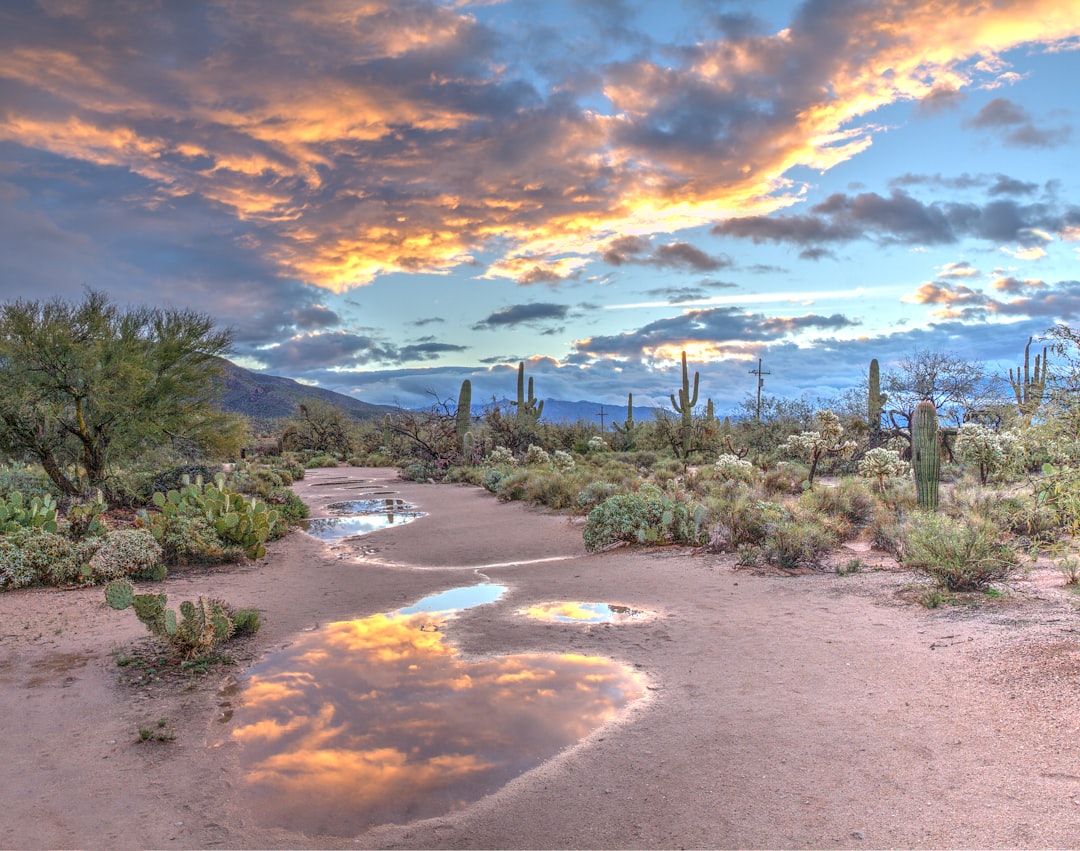
The first time I got caught in a desert monsoon, I thought the world was ending. I was hiking outside Tucson in 108-degree heat when the sky turned the color of a bruised plum. Wind hit me so hard I staggered sideways. Ten minutes later, rain came in sheets so thick I couldn’t see the trailhead parking lot fifty yards away. The temperature dropped twenty-eight degrees in under fifteen minutes. I stood there, soaked and laughing, because nothing in my East Coast upbringing had prepared me for this.
That was six years ago. I’ve chased the Southwest monsoon every July since.
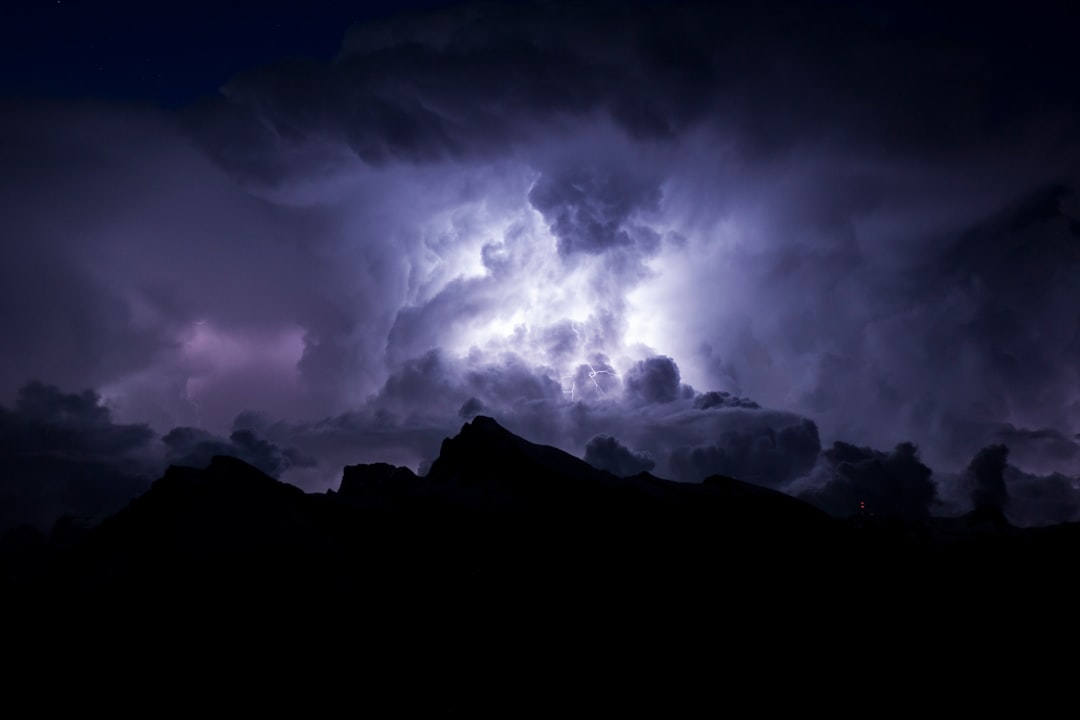
Most travelers plan their desert trips around avoiding summer, convinced that the only thing waiting for them between June and September is heatstroke and empty camera batteries. They’re wrong. The monsoon season — roughly mid-June through September, peaking in July and August — transforms the desert into something almost unrecognizable. Towering cumulonimbus clouds stack forty thousand feet over flat terrain. Lightning dances across entire horizons simultaneously. The air smells like creosote and wet dust, a scent so specific that desert dwellers can predict rain within minutes of catching it.
What the Monsoon Actually Is (And Why It’s Not What You Think)
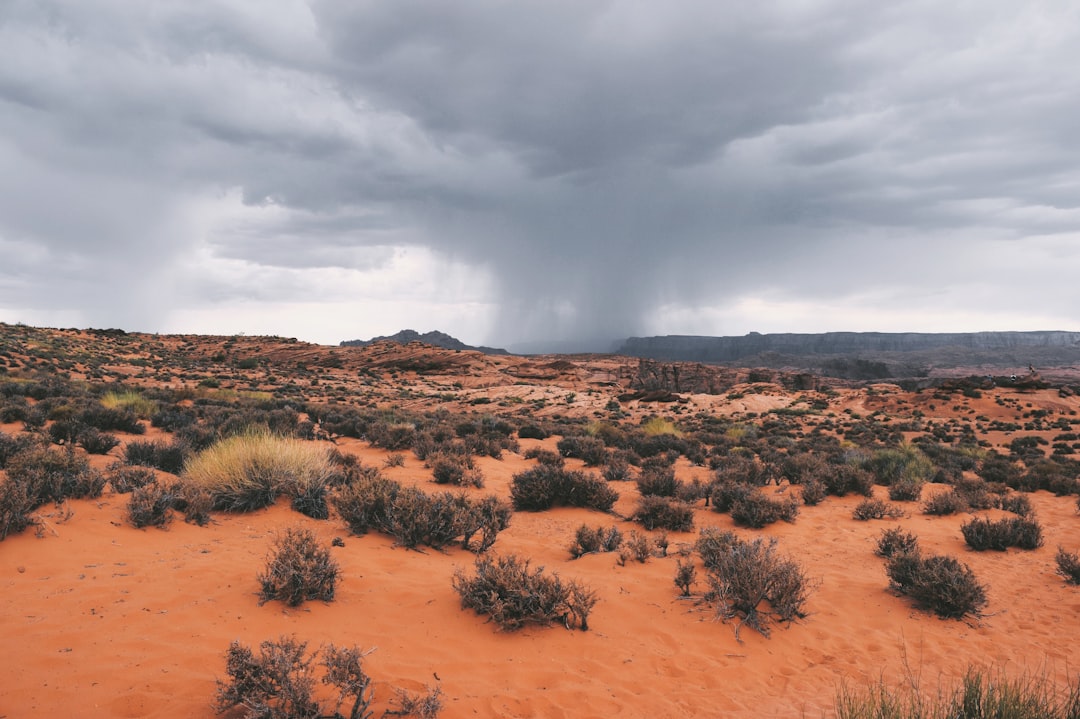
The word “monsoon” conjures images of months-long deluges in Southeast Asia, but the North American monsoon is a different animal entirely. It’s a seasonal wind shift. During most of the year, prevailing winds in the Southwest come from the west and northwest — dry, stable air that keeps the desert parched. But each summer, a high-pressure system builds near the Four Corners region, and the winds flip. They start pulling moisture northward from the Gulf of California and the tropical Pacific.
That moist air hits the intense desert heat and the terrain — the Mogollon Rim, the Sky Islands of southern Arizona, the Colorado Plateau — and it has nowhere to go but up. Up means cooling. Cooling means condensation. Condensation means those massive thunderstorms that build with alarming speed, dump their load in thirty furious minutes, and move on.
The monsoon doesn’t mean all-day rain. It means convective storms — pop-up thunderheads that form in the afternoon, discharge dramatically, and often clear by sunset. Mornings are typically clear and hot. By noon, you’ll see clouds building over the mountains. By three or four in the afternoon, the sky opens up somewhere nearby. Maybe on you. Maybe five miles away. The unpredictability is part of the drama.
Why July Is the Sweet Spot
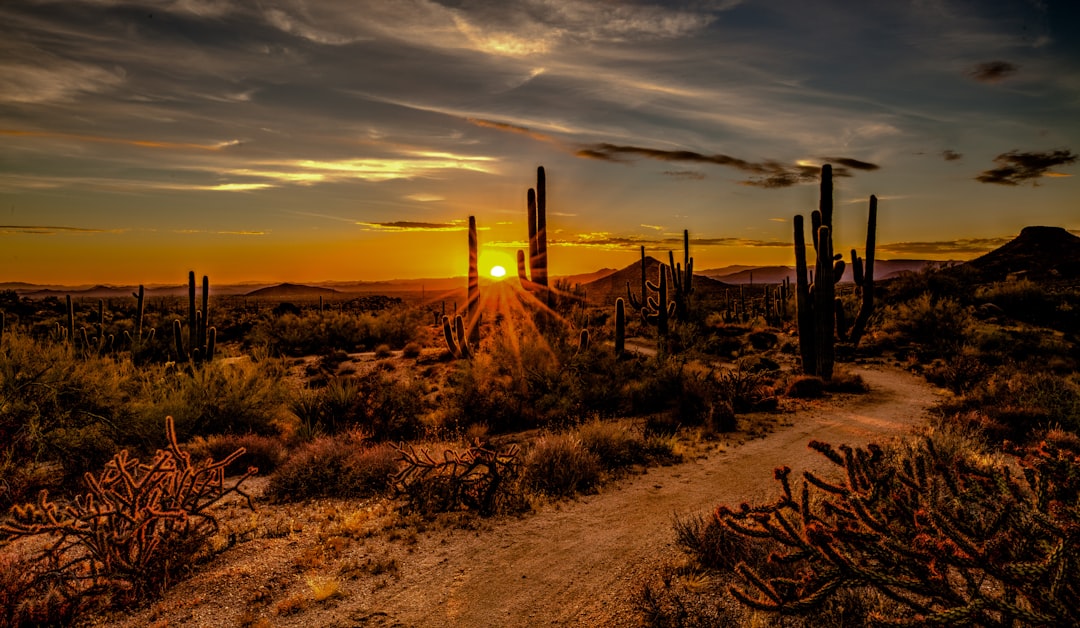
July is when the monsoon machinery hits its stride. The wind shift is established, moisture is flowing reliably, and the soil is hot enough to generate serious instability. According to the National Weather Service, July consistently delivers the highest frequency of thunderstorm days across Arizona and New Mexico. The 2026 outlook from forecasters suggests a wetter-than-average pattern this season, driven by warm Pacific waters feeding extra moisture into the system.
But here’s what the data doesn’t capture: July monsoon storms are a photographer’s fever dream. The combination of late-afternoon golden light, billowing storm clouds, and desert landscapes creates conditions you simply cannot find anywhere else. I’ve stood on ridgelines near Sedona watching bolts hit the red rocks across the valley while my side of the sky stayed perfectly clear. It’s the kind of scene that makes you forget to breathe.
If you’re planning a trip, aim for mid-July through early August. The monsoon is typically fully established by then, and you’ll have the best odds of experiencing the full dramatic cycle — clear morning, building clouds, explosive afternoon storms, and those unforgettable sunsets when the western sky clears just enough to light up the backside of the storm clouds in shades of copper and violet.
Where to Experience It Best
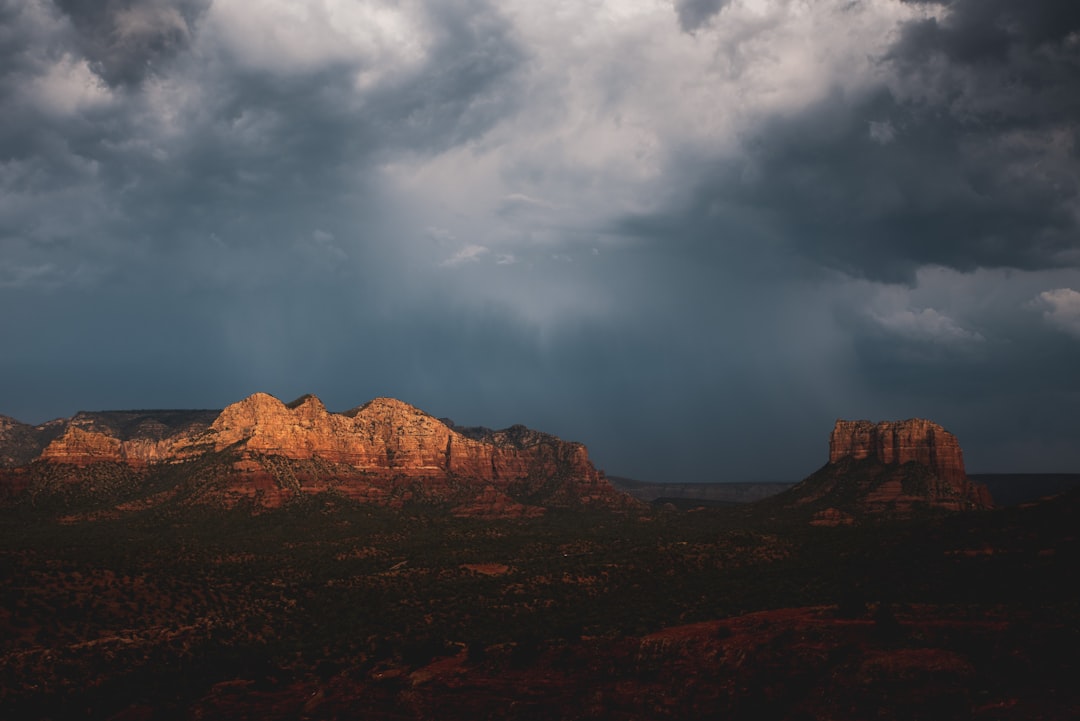
Sedona and the Verde Valley
Sedona’s red rock formations are spectacular under any conditions, but add monsoon drama and they become otherworldly. The contrast between wet, dark-stained sandstone and silver storm light is something paintings try to capture and fail. Cathedral Rock and Bell Rock funnel wind in ways that create localized weather — you might watch a storm wrap around a butte like a fist.
I’ve spent entire afternoons at the Sedona trail systems watching clouds build, then retreating to a viewpoint just as the rain arrives. The key is positioning: find an overlook with a wide view of the valley, set up before the storm hits, and wait. Airport Mesa and the Chapel of the Holy Cross area both offer the kind of panoramic staging you want.
Saguaro National Park
There’s no better place to experience the raw power of a monsoon storm than Saguaro National Park, flanking Tucson on both east and west. The giant cacti — some of them two hundred years old, fifty feet tall, and heavier than a car after absorbing water — stand against the sky like sentinels watching the end of the world. When a storm rolls across the Avra Valley, lightning silhouettes the saguaros in a way that makes you understand why indigenous peoples considered these mountains sacred.
The east district (Rincon Mountain District) tends to get storms first, as moisture rides up from the south. The west district (Tucson Mountain District) offers more dramatic foreground compositions with denser cactus forests. I prefer the west side for photography and the east side for hiking — the Tanque Verde Ridge trail puts you above the valley floor where you can watch weather roll in from a vantage that feels like the crow’s nest of a ship.
The Mogollon Rim
This two-hundred-mile escarpment marks the southern edge of the Colorado Plateau, running across Arizona from near Flagstaff to the New Mexico border. It’s the terrain feature that makes the monsoon work — moisture-laden air hits this two-thousand-foot wall and gets forced upward, triggering storm development on most days during peak season. The Rim country around Payson, Pine, and Show Low is where Arizonans go when they want to experience monsoon storms without the extreme desert heat.
Stand on the edge of the Rim near dawn, and you’ll often see a sea of clouds below you in the valleys, the peaks of the San Francisco volcanic field poking through to the north. By afternoon, thunder echoes off the cliff faces as storms march across the plateau. It’s loud, primal, and deeply humbling.
The Hazards Nobody Talks About (And How to Survive Them)
Here’s where I stop being poetic and get practical, because monsoon beauty can kill you if you’re stupid about it. Three hazards define the season, and understanding them is the difference between an unforgettable trip and a rescue operation.
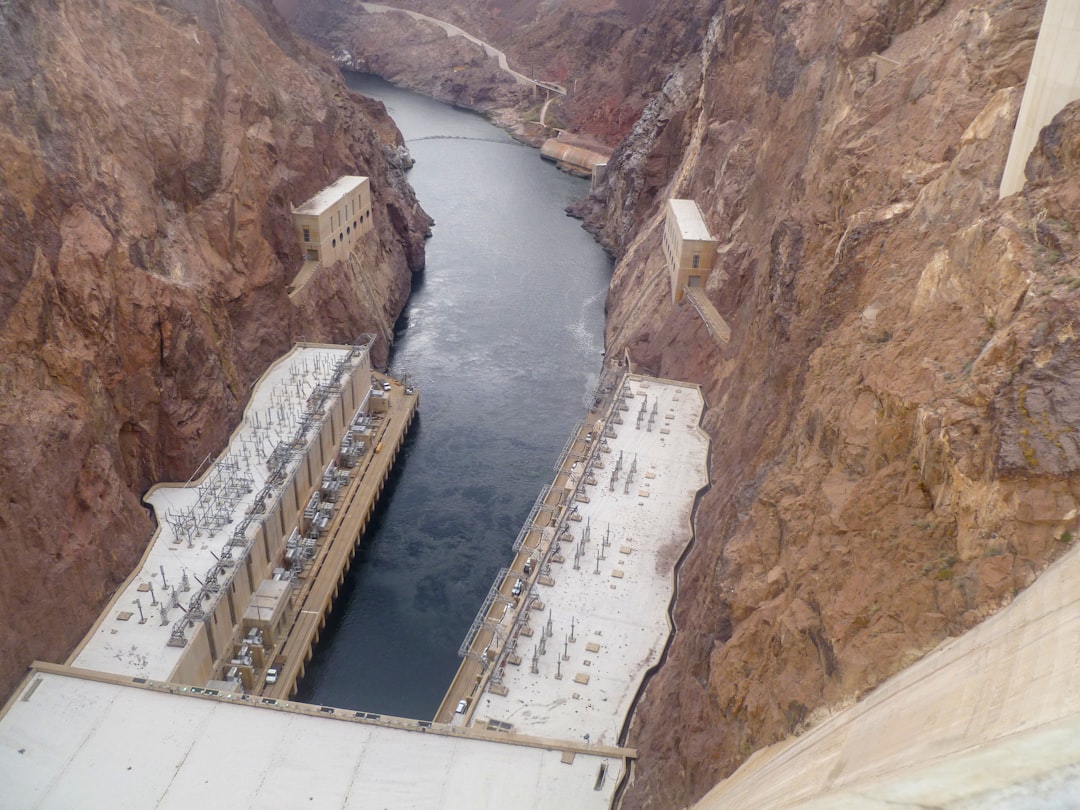
Flash floods are the silent killer. Desert soil — especially the cryptobiotic crusts and caliche layers — doesn’t absorb water quickly. When an inch of rain falls in twenty minutes on terrain that hasn’t seen moisture in months, it doesn’t soak in. It sheets. It funnels. It concentrates in every wash, arroyo, and canyon drainage, and it arrives as a wall of water, debris, and mud that can be eight feet deep in a channel that was bone-dry ten minutes earlier. The terrifying part? The storm producing that water might be ten miles away, over mountains you can’t see past. Blue sky above you, death coming downstream.
The rule is absolute: never camp, park, or hike in a slot canyon or narrow wash when monsoon conditions are active. Check the forecast for the entire watershed, not just your location. If you’re in a canyon and the water starts rising, even slightly, or you hear a roar that sounds like a freight train — get to high ground immediately. Don’t pack up. Don’t film it. Move.
I carry a waterproof dry bag on every monsoon-season hike — not just for my phone and wallet, but because it doubles as an emergency flotation aid if things go sideways. At under two ounces, it’s the cheapest insurance policy I own.
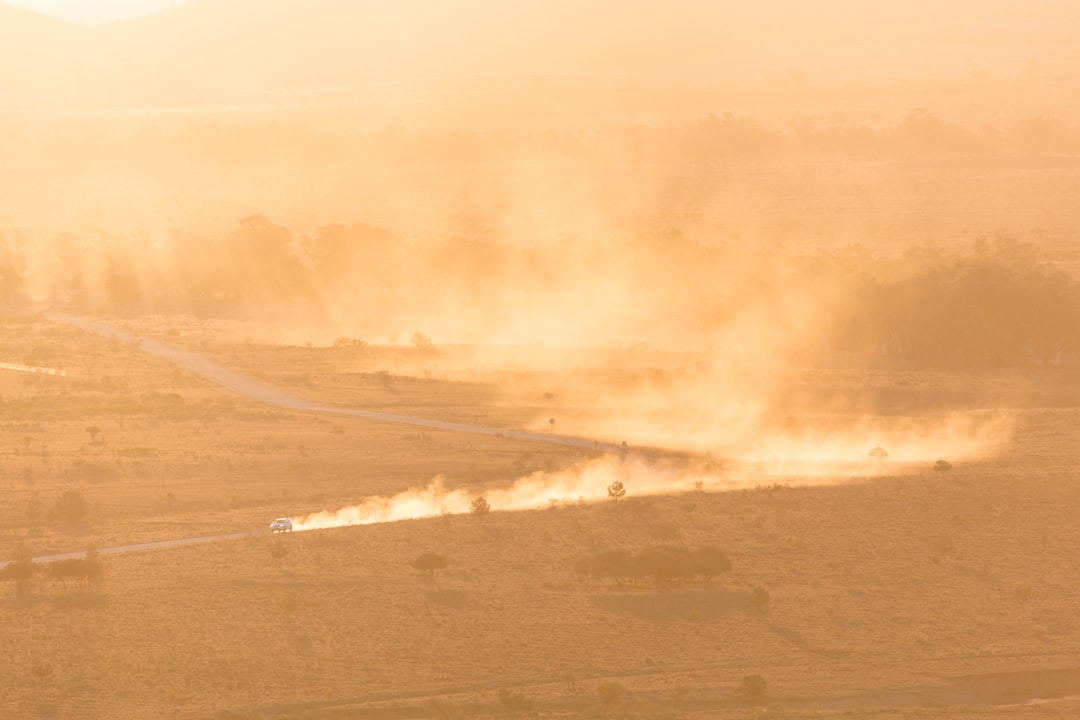
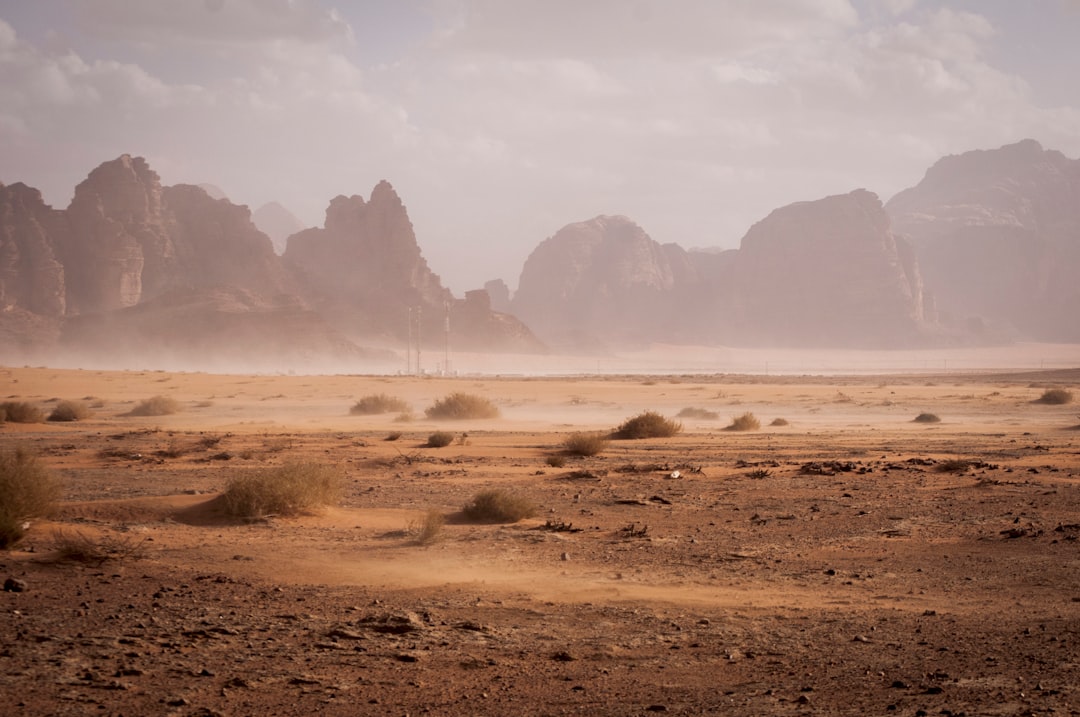
Dust storms (haboobs) are the second hazard, and while they’re less lethal than flash floods, they’re more likely to affect your trip. When a thunderstorm collapses, the downdraft can hit sixty miles per hour and kick up a wall of dust a mile high that advances across the desert floor like something out of a Mad Max film. If you’re driving when one hits — and you likely will be, since the Phoenix area averages two or three per season — pull off the road, turn off your lights, and wait. Keeping your lights on makes other drivers think the road is clear and causes pileups. I keep a hand-crank weather radio in my vehicle during monsoon season for exactly these situations — cell service is often the first thing to go when the dust settles in.
Lightning is the third major concern, and the desert Southwest gets some of the most spectacular — and most dangerous — strikes in North America. Arizona leads the nation in cloud-to-ground lightning frequency during July. The storms often produce high-based thunderstorms, which means strikes travel longer distances through dry air before reaching the ground, creating those dramatic, visible bolts that photographers love. They also create ground currents that can travel fifty feet or more from the strike point.
If you can hear thunder, you’re close enough to be struck. The standard advice applies: get inside a substantial building or a hard-topped vehicle. Avoid ridgelines, solitary trees (yes, even desert trees), and metal objects. If you’re caught in the open, crouch on the balls of your feet with your head down — don’t lie flat. I’ve weathered three close strikes in the field, and the sound is unlike anything you’ve experienced. It doesn’t crack. It detonates. Your fillings vibrate. Your vision goes white. Treat every thunderstorm with respect.
Gear That Makes a Difference
Packing for a monsoon-season desert trip requires thinking in layers. You need gear for 110-degree sun, gear for fifty-degree downpours, and gear for everything between. Here’s what I’ve refined over six seasons of chasing these storms:
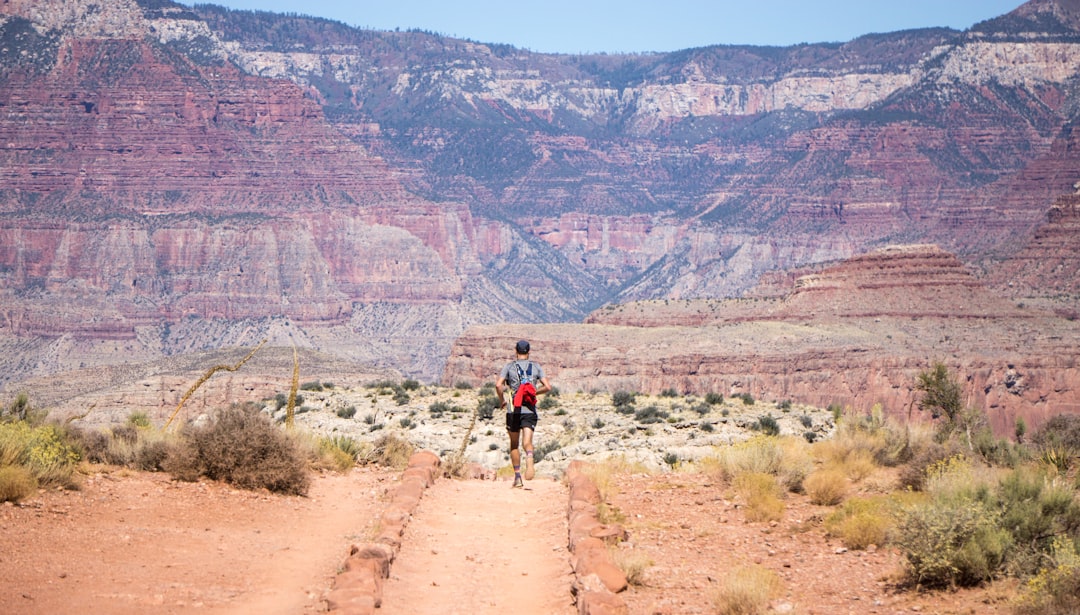
Start with waterproof hiking boots. Desert trails turn into creeks during downpours, and the combination of wet sandstone and slickrock is treacherous. Trail runners are great for dry conditions, but for monsoon season, you want ankle support and serious tread. Break them in before you go — desert blisters are miserable.
A lightweight packable rain jacket is non-negotiable. Not a poncho — those catch wind like a sail and tear on every cactus you pass. You want something with a hood that packs to the size of a fist and weighs under ten ounces. The key feature isn’t waterproofing (any decent jacket handles a thirty-minute monsoon burst) but breathability, because you’ll be wearing it in ninety-degree heat and high humidity. For women’s-specific options, look for jackets with pit zips — they’re worth their weight in gold when the rain stops and the steam rises.
I keep my phone in a waterproof case with lanyard during monsoon hikes — I need it for radar checks and weather alerts, and one downpour can fry an unprotected device. The lanyard keeps it accessible without pocket-fumbling when my hands are wet.
For photography, a lightweight travel tripod is essential for those long-exposure lightning shots. Don’t bring your full-size rig — monsoon chasing means moving fast and light. Something carbon fiber, under three pounds, that sets up in seconds.
Other essentials I never leave without: a UPF 50 sun hat for the brutal pre-storm hours, a compact first aid kit with tweezers for cactus spines, a large insulated bottle because monsoon humidity doesn’t reduce your water needs, a quick-dry microfiber towel for post-storm mop-ups, and a rechargeable waterproof headlamp because monsoon storms frequently kill power and the dust they kick up can turn a four o’clock afternoon into near-darkness.
The Creosote Rule
There’s a moment after every monsoon storm that I’ve never been able to adequately describe. The rain stops. The sun breaks through. And the desert releases a scent — sharp, resinous, almost medicinal — that comes from the creosote bushes that dominate the Sonoran landscape. It’s called the “petrichor of the desert,” and it’s produced by waxy compounds on the creosote’s tiny leaves that wash off during rain. Indigenous peoples used the same compounds medicinally for centuries.
That smell is the reason I keep coming back. It lasts maybe twenty minutes after a storm — a window where the desert is cool, washed, fragrant, and so vividly green that it doesn’t look real. Saguaros plump visibly as their accordion-pleated trunks expand to absorb the rainfall. Ocotillo plants that looked like dead sticks that morning burst into tiny green leaves within hours. The desert wildflower displays get all the press in spring, but the monsoon green-up is a rival transformation — faster, wilder, and far less crowded. The transformation is so fast it feels like time-lapse footage, except you’re standing in it.
Most visitors to the Southwest never experience this. They come in spring, when it’s pleasant and predictable, and they get a beautiful trip. But they miss the desert’s most dramatic performance. July monsoon season is when the Southwest drops its mask of austerity and reveals what’s actually happening underneath: one of the most dynamic, responsive, alive ecosystems on the continent.
My advice? Pack a solid road trip setup and plan a ten-day July loop through southern Arizona. Start in Phoenix, work up through Tucson and Saguaro National Park, spend a few days in Sedona, and drive the Mogollon Rim to Show Low. Watch the forecasts. Get up early for clear mornings. Position yourself by midday for storm development. And when that first wall of dust rolls across the valley, or that first bolt splits the sky, or that first breath of creosote hits you after the rain — you’ll understand why those of us who know don’t call it monsoon season.
We call it desert showtime.