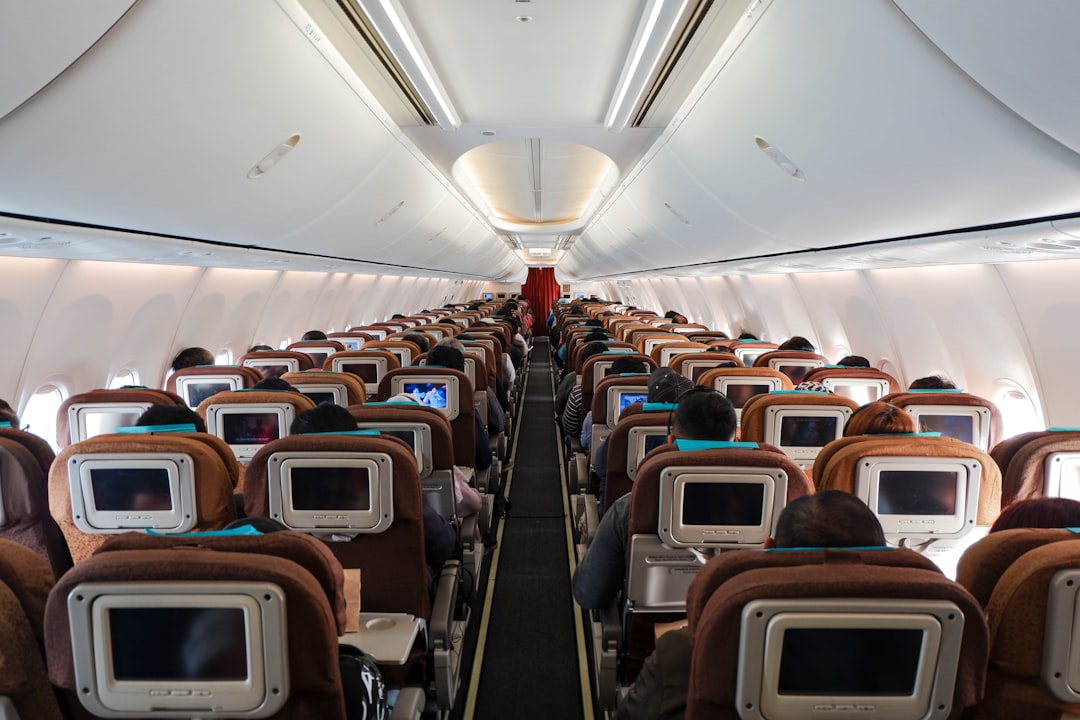
There I was, thirty thousand feet over the Atlantic, staring at the seatback screen in front of me. The movie selection was legitimately good — three films I’d been meaning to watch for months. But the free earbuds the airline handed out had the audio quality of a tin can telephone, and the $3 adapter they sold at the gate refused to work with my noise-cancelling earbuds. I spent nine hours reading the emergency card and pretending to sleep. That flight changed something in me.
After landing in Frankfurt with a stiff neck and zero entertainment, I vowed never to suffer through another long-haul flight with terrible audio. The solution turned out to be a palm-sized gadget I’d never heard of: a Bluetooth audio transmitter. It’s the missing link between modern wireless headphones and the analog headphone jacks still built into most airline seats. And once you use one, you’ll wonder how you ever flew without it.
The Problem Nobody Warns You About
Here’s the dirty little secret of commercial aviation: despite airlines upgrading their entertainment systems with massive high-def touchscreens and curated movie libraries, the audio output is still stubbornly wired. Most planes use a 3.5mm headphone jack — sometimes a funky two-prong version — which means your AirPods Pro, your Bose QuietComforts, and your favorite wireless earbuds are completely useless for watching movies. You’re stuck with the airline’s complimentary ear-crackers or a tangle of wired headphones you forgot to pack.
I tested this across six airlines last year — Delta, United, Lufthansa, British Airways, Icelandair, and KLM — and every single one had the same analog jack. Some newer planes have Bluetooth built into the seatback, but those are still the exception. If you fly domestically in the US, you can expect wired-only audio on the vast majority of your flights for years to come.
The workaround most travelers stumble into is buying a cheap airline adapter at the airport, but those only convert the two-prong jack to a single jack — they don’t actually add Bluetooth. You still need wired headphones. The real fix is something different entirely: a dedicated Bluetooth transmitter that plugs into the seatback jack and beams audio to your wireless earbuds.
The Gadget That Saved My Flying Life
The category-defining product here is the Twelve South AirFly Pro, a pocket-sized Bluetooth transmitter specifically designed for air travel. You plug it into the seatback headphone jack, pair it with your wireless earbuds, and suddenly you’re watching in-flight movies with the same audio quality you’d get from your phone. No wires, no adapters, no compromise.
The AirFly Pro earned its reputation for a few key reasons. It has a 25+ hour battery life, which covers even the longest intercontinental flights. It supports audio sharing, meaning you can pair two sets of headphones simultaneously — perfect for couples who want to watch the same movie together. And it doubles as a Bluetooth receiver at home, so you can beam phone audio to older speakers or gym equipment. At around $35, it pays for itself in about two flights worth of sanity.
I’ve been carrying one for about eight months now, and it’s become as essential to my travel kit as my travel pillow or my Anker power bank. The battery genuinely lasts — I’ve done New York to Singapore with a connection in Frankfurt, roughly twenty hours of total travel time, and the AirFly was still going strong when we landed.
What About Budget Alternatives?
The AirFly Pro is the premium pick, but it’s not the only option. Several companies make similar Bluetooth transmitters at lower price points, and some of them are surprisingly good. After going down a rabbit hole of research and testing three different models, here’s what I found.
The AirFly SE is Twelve South’s budget version — it drops audio sharing and the receive mode but keeps the core transmitter functionality and 20+ hour battery for about $10 less. If you’re a solo traveler who just wants to watch movies with your own earbuds, this is the one to get.
For the true budget route, the UGREEN Bluetooth transmitter comes in at roughly half the AirFly Pro’s price while offering dual pairing and USB-C charging. Reviewers consistently note that its flexible plug design actually holds up better than the AirFly’s rigid connector when the seatback jack is at an awkward angle. Battery life is rated at up to 28 hours in transmit mode, which edges out the AirFly. The trade-off is slightly more finicky pairing and a less polished user experience.
Another alternative worth knowing about is the Avantree Relay, which specializes in dual-headphone pairing and low-latency audio. If you’re shopping for travel as a couple and want to share a single transmitter, the Relay handles the two-device dance more smoothly than most.
The Headphones That Actually Make a Difference
Having the transmitter is only half the equation. The quality of your wireless headphones determines whether the in-flight movie experience is merely tolerable or genuinely enjoyable. After years of flying with various headphones, I have strong opinions.
For noise cancellation — the single most important feature for air travel — Apple’s AirPods Pro remain my go-to for anyone in the Apple ecosystem. The active noise cancellation is exceptional, the transparency mode lets you hear flight attendants without removing them, and the spatial audio feature adds a surprising amount of depth to in-flight movies. Battery life with the case covers a full day of travel with ease.
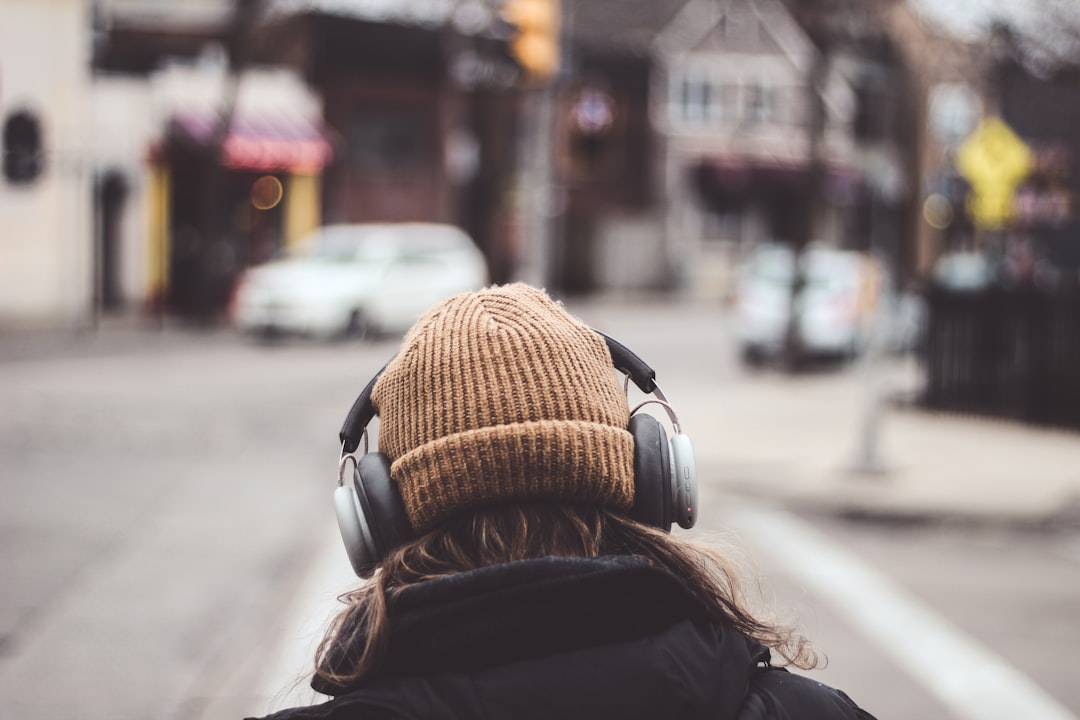
If you prefer over-ear headphones or want the absolute best noise cancellation on the market, Bose QuietComfort Ultra headphones are the gold standard. They’re pricier, but the combination of noise cancellation, comfort for long flights, and audio quality is unbeatable. I’ve worn them for twelve-hour flights without ear fatigue, which is not something I can say about every pair I’ve tested.
For budget-conscious travelers, Anker Soundcore wireless earbuds deliver impressive noise cancellation and sound quality at a fraction of the price. They won’t match AirPods Pro or Bose for pure ANC performance, but for $40-60, they’re remarkable value and more than good enough for most flights.
Building the Complete In-Flight Entertainment Kit
The Bluetooth transmitter is the centerpiece, but a truly great in-flight setup needs a few supporting players. Here’s what I pack for every long-haul flight, and why each item earns its place in my carry-on.
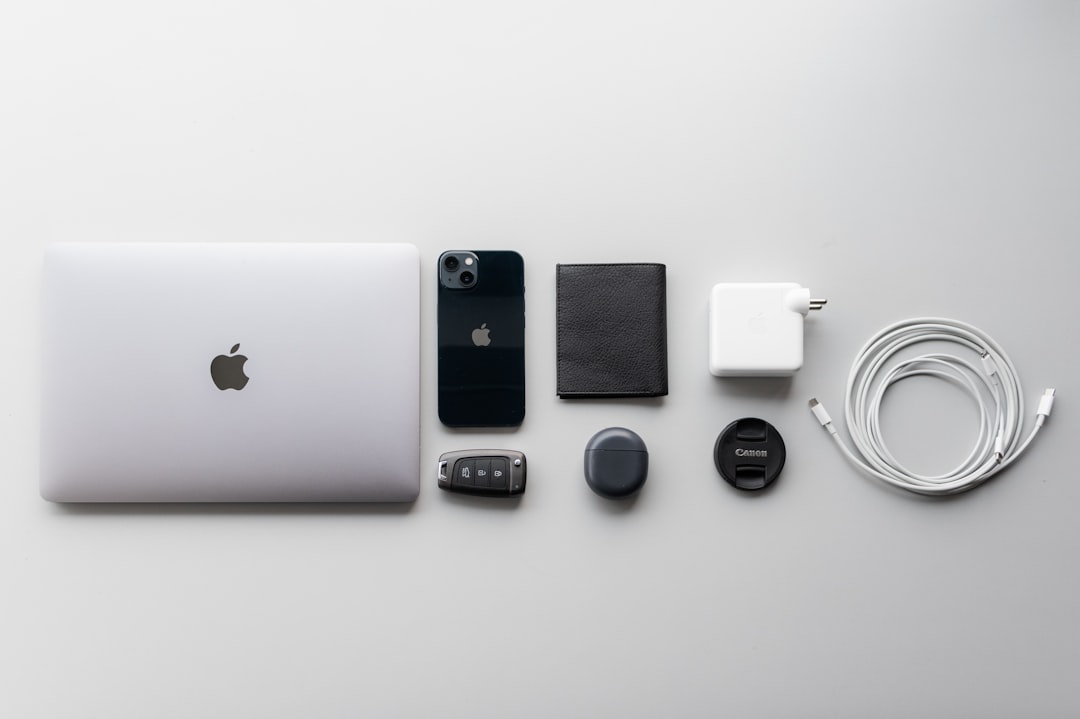
First and most obvious: a reliable power bank. Bluetooth transmitters, wireless earbuds, and your phone all need charging, and airplane seat power is never guaranteed. I carry a 10,000mAh Anker power bank on every flight — it can recharge my phone twice and still have juice for the earbuds. On planes with USB-A ports, I bring a short cable; on planes with USB-C, I bring that instead. On planes with no power at all, the power bank is the difference between landing with a dead phone and landing ready to navigate.
Second: a seatback phone mount. If you’re going to use your own device for entertainment as a backup to the in-flight system, you need a way to prop it up. The clip-on mounts that attach to the seatback tray table are inexpensive and transform your phone into a personal screen. Combined with your Bluetooth transmitter and good earbuds, it’s basically a private theater at cruising altitude.
Third, for the reader-brained travelers like me: a Kindle Paperwhite. Movies are great, but on truly long flights I inevitably hit a wall where I’d rather read. The Paperwhite’s backlight works perfectly in a dark cabin, the battery lasts for weeks, and it slips into a seat pocket without bulk. It pairs beautifully with the noise-cancelling earbuds — silence plus a good book is the fastest way to make twelve hours disappear.
What I’ve Learned After Eight Months of Wireless Flying
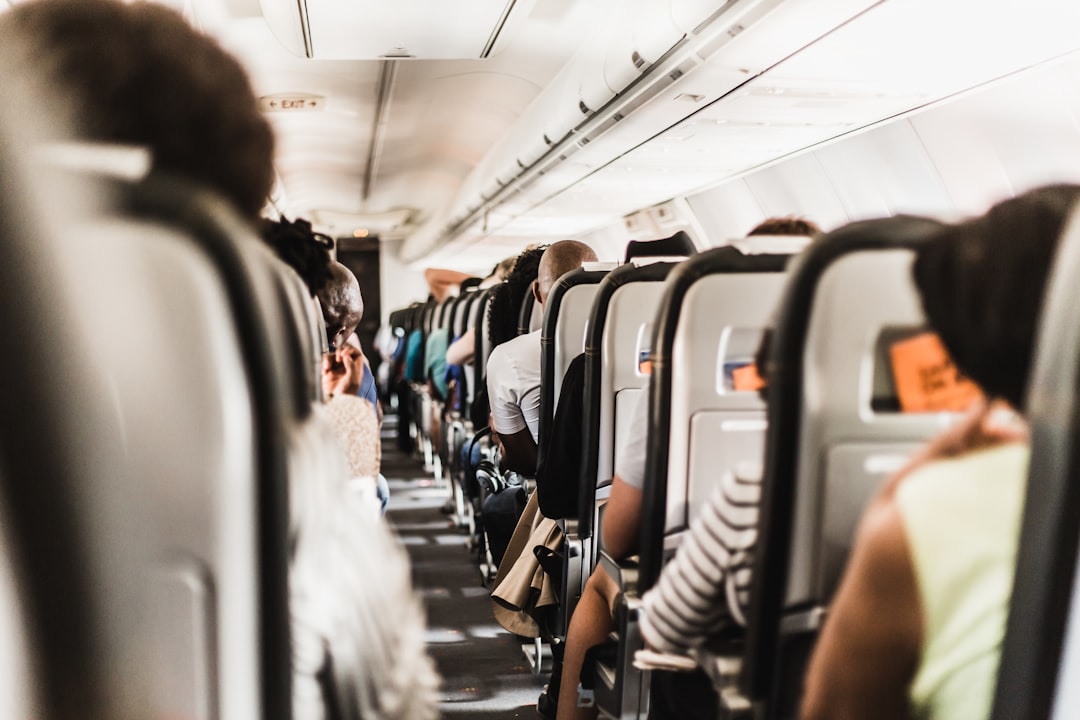
The biggest surprise since adding a Bluetooth transmitter to my travel kit is how much it changed my relationship with long flights. I used to dread anything over four hours. Now, with proper noise cancellation and audio I actually want to listen to, a ten-hour flight feels like an enforced movie marathon — a rare block of uninterrupted entertainment time that I never get at home.
There are a few practical things worth knowing. Pair your headphones to the transmitter before you board — doing it on the plane with limited space and a neck pillow in your lap is unnecessarily frustrating. Charge the transmitter fully before each trip; even with 20+ hours of battery, you don’t want to discover it died halfway over Greenland. And keep the transmitter somewhere accessible during the flight, not buried in an overhead bag, because you’ll need to plug it in once you’re seated.

I’d also recommend investing in a small packing cubes set to keep your tech accessories organized. There’s nothing worse than unpacking your entire carry-on at security because your Bluetooth transmitter, charging cable, and earbuds case are tangled together in one pocket. A dedicated tech pouch or small cube keeps everything findable and makes security checkpoints infinitely faster.
The Bottom Line
If you fly more than two or three times a year and you own wireless headphones, a Bluetooth audio transmitter is one of the highest-impact travel purchases you can make. It’s under $35, it takes up zero space in your bag, and it eliminates one of the most universally frustrating aspects of modern air travel — the gap between the entertainment you brought and the system the airline provides.
I think about that Frankfurt flight sometimes. Nine hours of staring at a safety card because I couldn’t use my own headphones. Now I plug in my little transmitter, settle in with my AirPods Pro, and actually look forward to the movie selection. The tech exists. The price is right. There’s no reason to suffer through another flight with airline earbuds.
For more on upgrading your travel experience, check out my guide to the best travel neck pillows for long flights and my science-backed strategy for beating jet lag. Because great in-flight audio is just one piece of arriving at your destination feeling human.
1 thought on “The $35 Gadget That Made Me Stop Dreading Long Flights: Why Every Traveler Needs a Bluetooth Audio Transmitter”