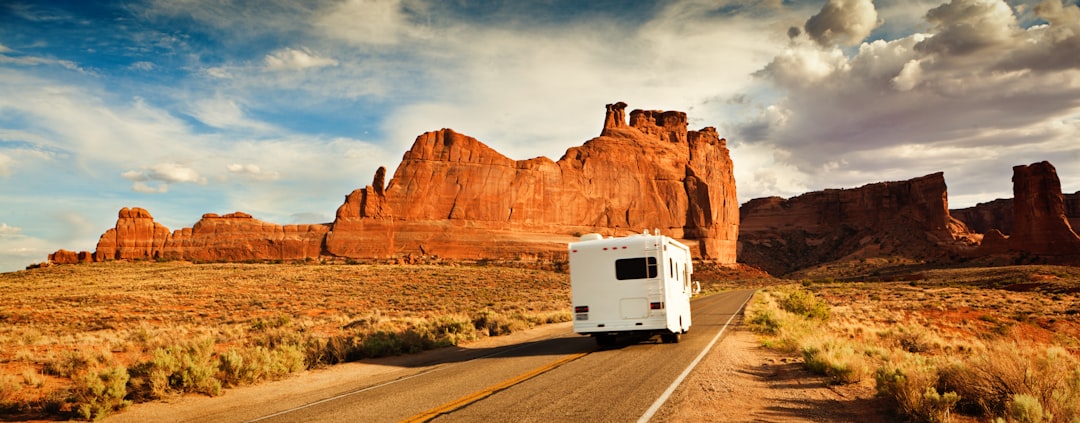
The temperature display on my dashboard read 119°F when I pulled into a dispersed camping spot outside Tucson last July. I sat there for a full minute, engine idling, staring at that number while the steering wheel burned my palms. Three days earlier, I’d been in the mountains of Colorado sleeping under a quilt. Now I was trying to figure out whether I could actually survive a night in what felt like a convection oven shaped like a Sprinter.
I survived. But barely, and not gracefully. That trip taught me more about campervan heat management in 72 hours than the previous two years of van builds and weekend trips combined. If you’re planning to take your campervan anywhere south of the 40th parallel between June and September, what follows is everything I wish I’d understood before the metal walls around me started radiating heat like a kiln.
Why Your Van Becomes a Greenhouse
Here’s the physics lesson nobody wants to hear while they’re sweating through their mattress: a metal box sitting in direct sun absorbs solar radiation on every surface. The roof, the walls, the windows — all of it. Without anything to block or reflect that energy, your van’s interior temperature can easily exceed outside temps by 20 to 30 degrees. I’ve watched my indoor thermometer hit 127°F when it was a balmy 98°F outside.
The problem works in two layers. First, radiant heat pours through your windows — especially the windshield, which acts like a magnifying glass. Second, the metal skin of the van conducts heat inward, warming the air cavity between your walls before it slowly penetrates your insulation. If you’ve already invested in proper floor and wall insulation, you’ve got a head start. But insulation alone doesn’t solve summer heat — it just slows the transfer. You need active strategies to reflect, block, and exhaust that thermal energy before it builds up.
Reflective Window Covers: Your First Line of Defense
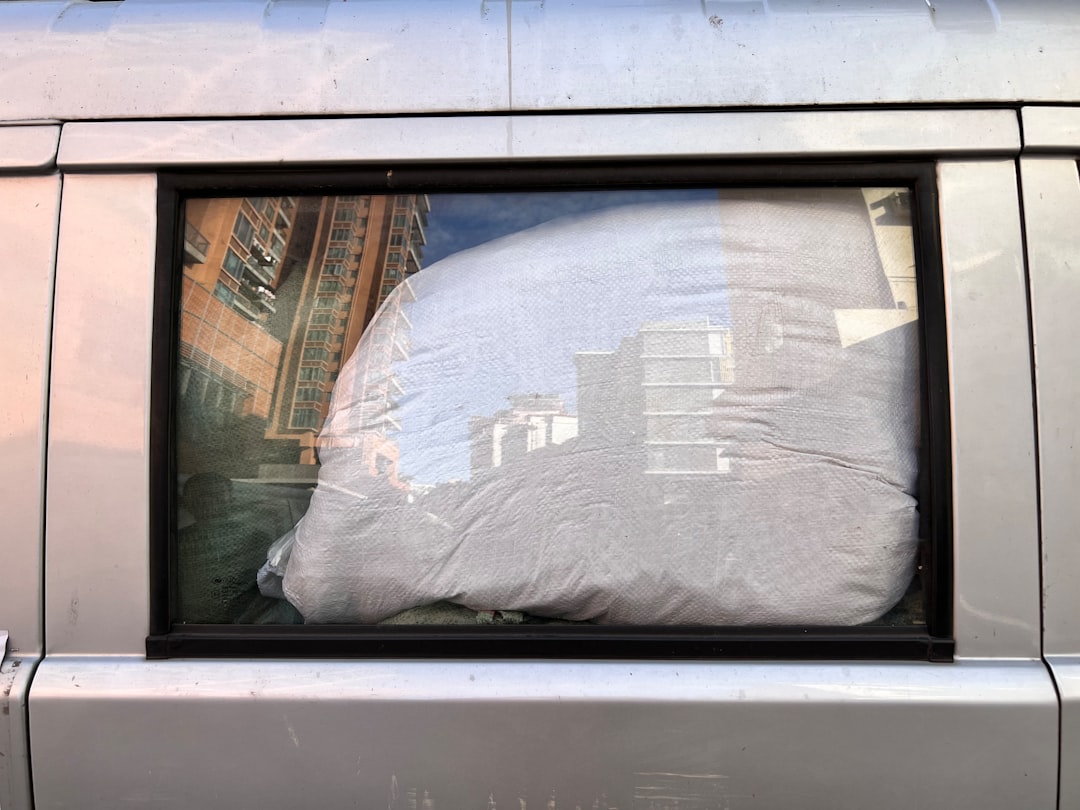
The single most effective thing I did in Tucson was not something I bought that day — it was something I’d made three months earlier and almost left at home. Reflective window covers cut the radiant heat gain through glass by up to 80%, and in a van with ten square feet of window area, that’s the difference between tolerable and dangerous.
I started with pre-made insulated reflective van window covers for the windshield and front doors, which use a combination of reflective foil and closed-cell foam. For the rear windows, I cut custom panels from a roll of double-sided reflective bubble insulation — cheap, lightweight, and surprisingly durable if you store them flat. Some van lifers swear by reflective window film rolls applied directly to the glass for a more permanent solution, though I’ve found the removable covers work better because you can take them off at night to let heat escape.
The key insight: put your covers on before the van heats up. I’m talking sunrise early. Once the interior surfaces absorb that morning sun and start radiating, no amount of reflective foil will cool things back down. Seal the windows before the sun hits them and you’ll start the day already ahead.
Ventilation Strategy: Moving Air With Purpose
A fan blowing hot air around a hot box just makes hot wind. What you need is a system that pulls fresh air in and pushes stale air out — and ideally, does it automatically while you’re asleep. After my Tucson wake-up call, I installed a MAXXAIR Maxxfan Deluxe in the roof, and it changed everything about summer van life.
The Maxxfan runs on 12V (so it barely dents your battery bank), has a built-in rain cover so you can run it during monsoon season, and includes a thermostat that kicks it on automatically when the interior hits a set temperature. I set mine to exhaust mode during the day — pulling hot air out through the roof while cooler air gets drawn in through cracked windows on the shaded side of the van. If you want the full breakdown of roof fan selection and installation, check out my earlier guide on campervan ventilation done right.
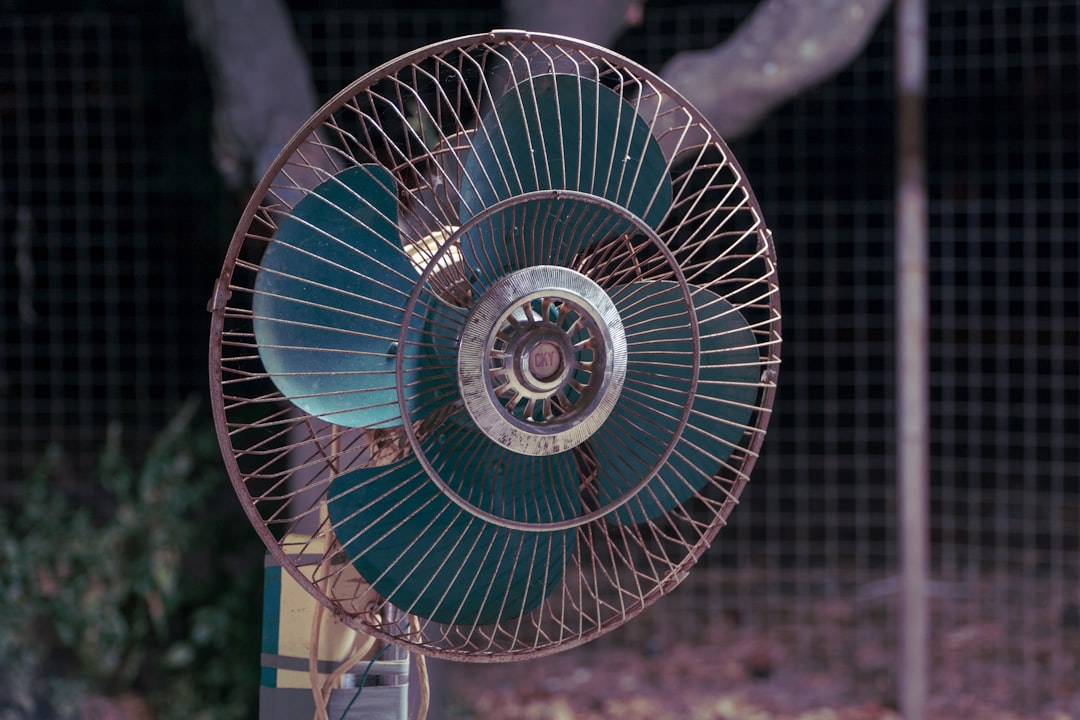
For supplemental airflow — especially in the sleeping area — I keep a rechargeable portable camping fan clipped to the ceiling grid. The 24,000mAh battery runs for nearly two days on low, and it’s quiet enough that it becomes white noise rather than a distraction. I position it to create a cross-breeze that targets my torso, which makes a remarkable difference at night even when the ambient temperature is still in the 80s.
The Insulation Multiplier Effect
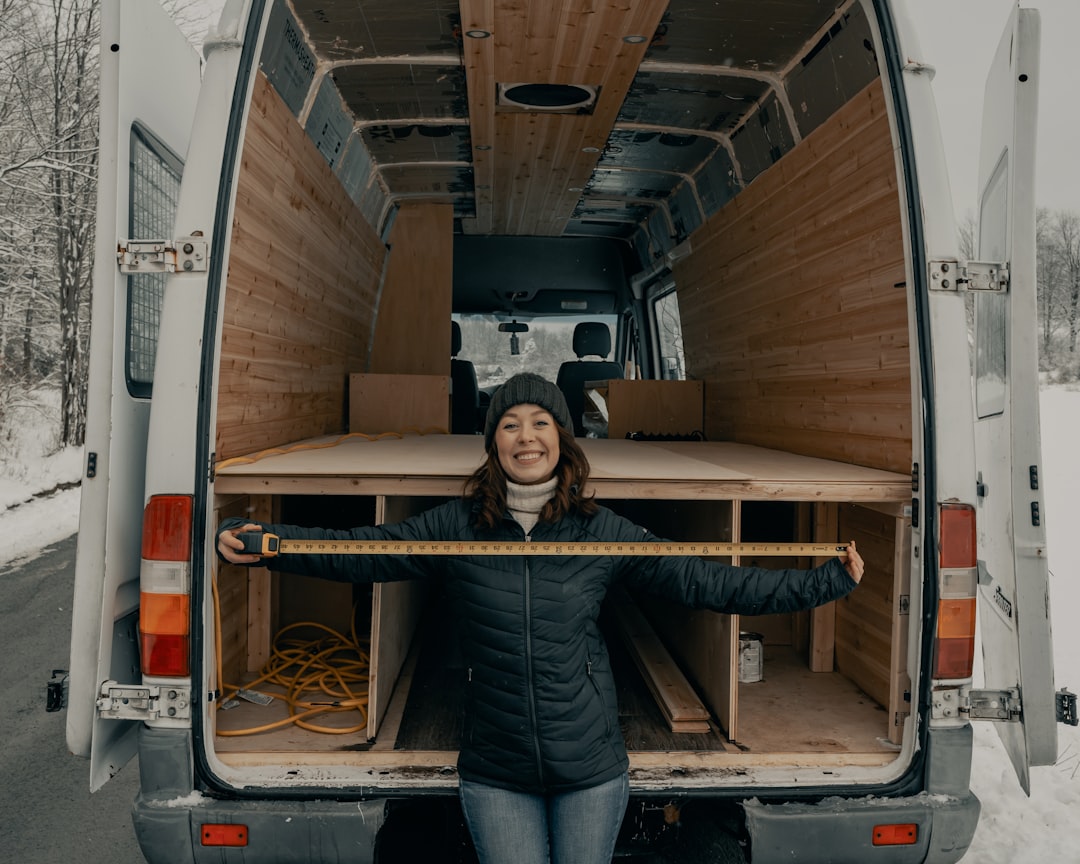
Here’s where summer and winter strategies diverge. In cold weather, insulation traps heat inside. In hot weather, it slows heat from penetrating — but only if you’ve paired it with proper radiant barriers. I used a combination of Thinsulate in the walls (which handles both sound and thermal insulation) and reflective foil directly behind the metal skin. That foil layer bounces radiant heat back outward before it can soak into the Thinsulate.
If your build is already buttoned up, adding reflective material behind your wall panels is a weekend project that pays dividends year-round. I wrote about my floor insulation process a few months back — the walls follow the same logic but with more emphasis on the radiant barrier for summer use.
Strategic Parking: The Free Solution Nobody Uses Well
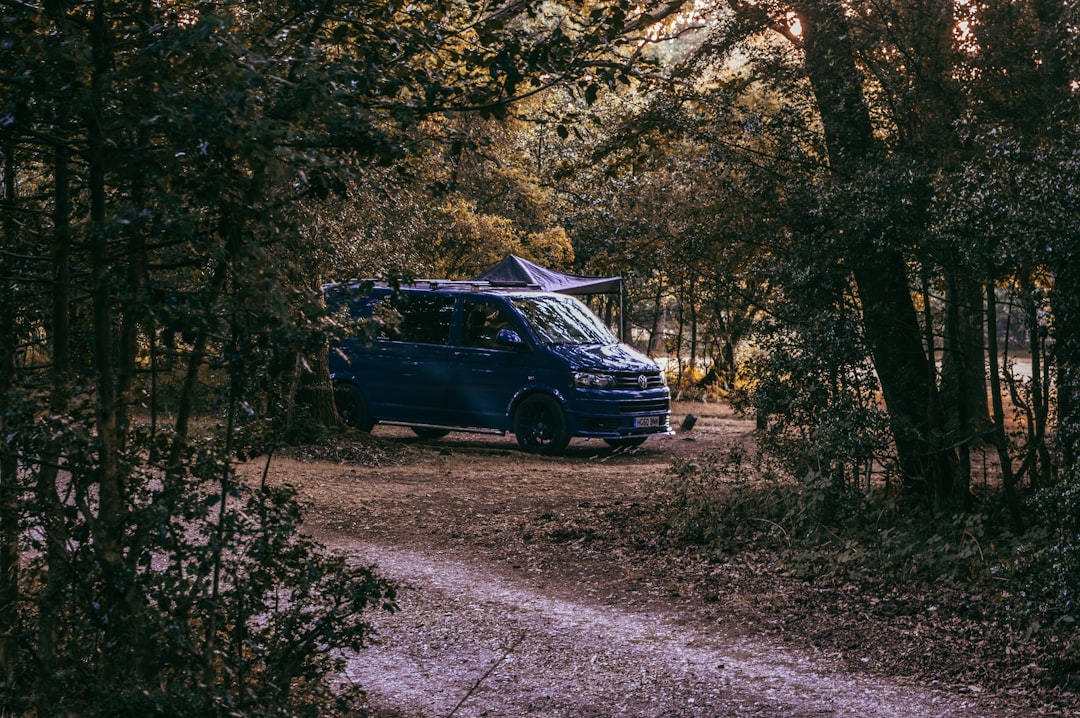
I cannot overstate this: where you park matters more than what gear you own. A van in direct sun at 95°F will be miserable. The same van in full shade at 95°F can be genuinely pleasant with nothing more than open windows and a single fan.
My parking hierarchy goes like this: full canopy shade with a breeze is ideal. Partial shade on the west side (blocking afternoon sun) is second best. East-facing slopes are great because the van’s broadside faces away from afternoon sun. If no shade exists, I orient the van so the rear doors face south — minimizing the windshield’s solar exposure since the roof provides its own shade for the narrower rear profile.
Apps like iOverlander and Campendium are invaluable for finding tree-covered boondocking spots. Some of the best boondocking spots in America happen to be at higher elevations or in tree cover where temperatures run 10–15 degrees cooler than the surrounding lowlands. When I’m route-planning through the Southwest in summer, I’ll drive an extra hour to gain 2,000 feet of elevation. That hour buys me 10–15°F of natural cooling, which is worth more than any piece of gear I own.
Window Screens: Let the Air In, Keep the Bugs Out
One of the most underrated upgrades for summer comfort is a set of magnetic van window screens. These mesh panels snap over your door windows magnetically and let you keep the windows cracked all night without becoming an all-you-can-eat buffet for mosquitoes. I resisted buying them for an embarrassingly long time because they seemed like a novelty. They are not. They are the reason I can sleep with cross-ventilation in places where the bugs are fierce.
The magnetic attachment means you can pop them on and off in seconds, and they compress flat enough to store in a door pocket. If you’re doing any summer camping east of the Mississippi or in the desert during monsoon season, these are non-negotiable.
Personal Cooling: Keeping Your Body Functional
There’s a limit to what passive strategies can achieve when it’s genuinely brutal outside. On those 110°F+ days in the desert, I supplement the van’s cooling system with something much more direct: a set of microfiber cooling towels draped around my neck. You soak them in water, wring them out, and the evaporation process pulls heat from your skin. It sounds too simple to work, but I’ve watched my perceived temperature drop 15 degrees within minutes of putting one on.
I keep four of them in the van at all times — two in use, two chilling in the fridge. When the ones I’m wearing warm up, I swap them out. If you want a cheaper bulk option, the Sukeen four-pack performs identically for about half the price. Either way, these towels are the single best dollar-to-comfort ratio of anything in my cooling kit.
For sleeping, a damp bandana draped over your chest plus a small fan aimed at the wet fabric creates an evaporative cooling effect that works remarkably well. This is old desert-dwelling wisdom, and it’s more effective than you’d guess from something so low-tech.
The Fridge Factor: Cold Food, Cold Drinks, Cool Interior
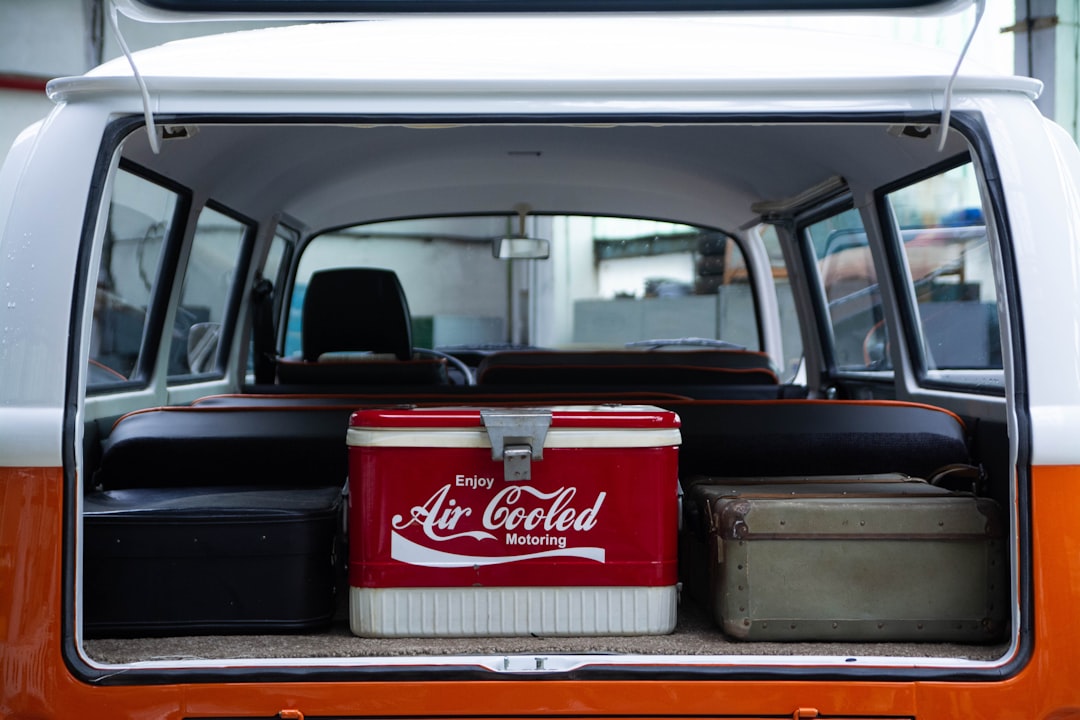
Opening a cooler of melting ice in a hot van is demoralizing. Upgrading to a proper 12V compressor portable refrigerator was one of the best decisions I made for summer travel. Not only does it keep food and drinks genuinely cold (no swimming in meltwater), but it generates far less ambient heat than a cooler full of ice that needs constant replacing.
The BougeRV 23-quart runs off my electrical system without a meaningful dent in the battery bank — it draws about 45 watts when cycling and sips almost nothing when the compressor is off. In summer, I position it near a vent so the heat it exhausts gets carried out rather than trapped inside the cabin.
The Nuclear Option: Air Conditioning
Let’s be honest: when it’s 115°F and you’ve been driving through the desert for eight hours, passive strategies have a ceiling. I held out on adding AC for two years before caving. There are two realistic paths. The first is a 12V DC split air conditioner designed for trucks and vans — these run directly off your battery bank (no inverter needed) and can cool a van’s small space effectively. The catch: even the efficient ones draw significant power, which means you’ll need a substantial solar and battery setup to run them overnight.
The second path is a portable shore-power unit you run only when plugged in at RV parks or when running a generator. This is the cheaper option and works well if you’re doing a mix of boondocking and hookup camping. For pure off-grid summer camping, the 12V split unit is the way to go — but budget for at least 400Ah of lithium and 600W of solar to support it.
Building Your Summer Toolkit
Start with the cheap, high-impact items and work your way up. Reflective window covers and cooling towels cost less than $50 combined and probably account for 60% of the comfort improvement I experienced. A good roof fan is the next investment — it pays for itself in a single summer. Window screens, a portable fan for airflow targeting, and a 12V fridge round out the essentials. Air conditioning is the last resort, not the first.
The mental shift that helped me most was treating summer heat like weather to manage rather than a problem to solve. You’re never going to make a van feel like a living room in July in Phoenix. But with the right combination of reflection, ventilation, shade-seeking, and personal cooling, you can make it livable — even enjoyable. I spent two full weeks in the desert last summer after implementing this strategy, and I never once considered abandoning the trip. That Tucson wake-up call was the best thing that happened to my build.
2 thoughts on “119 Degrees in Arizona: The Campervan Cooling Strategy That Saved My Summer”