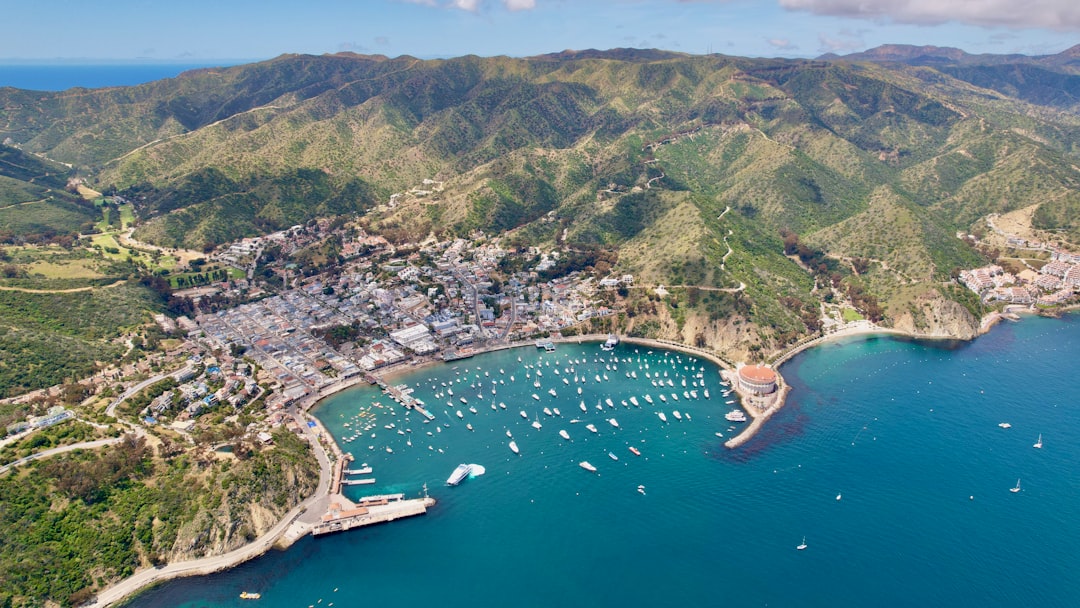
The ferry from San Pedro takes exactly one hour. Sixty minutes where the smog thins, the Pacific turns from slate to sapphire, and the mainland shrinks into something you stop thinking about. I stood at the rail watching Catalina grow on the horizon — a craggy silhouette rising from the channel — and felt that particular flutter that only happens when a place is about to exceed everything you imagined.
2026 marks Catalina Island’s 100th anniversary as a resort destination, and the centennial energy is real. William Wrigley Jr. bought the island in 1919 and spent the next seven years transforming it into a playground that balanced wildness with sophistication. A century later, that tension still defines the place. You can swim with garibaldi in a kelp forest in the morning and drink a craft cocktail inside an Art Deco landmark that night — and somehow neither feels out of place.
I spent four days on the island trying to figure out what makes Catalina endure in an era when “hidden gem” gets slapped on every over-tagged destination between here and TikTok fame. What I found surprised me.
Avalon: A Harbor Town That Refuses to Be Generic
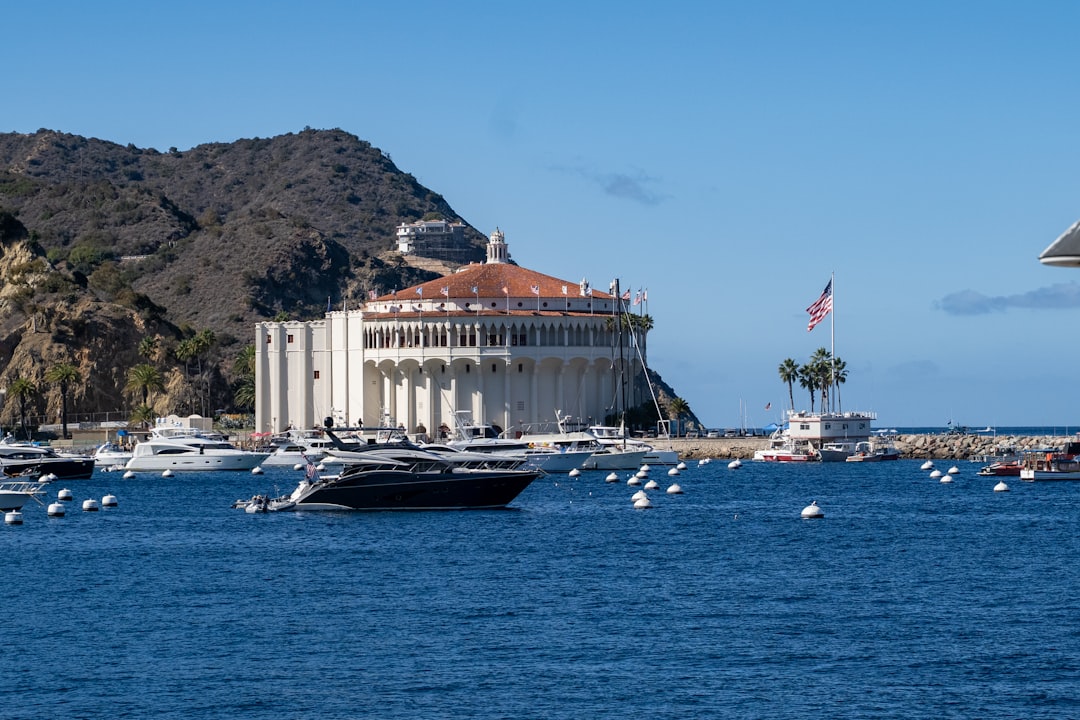
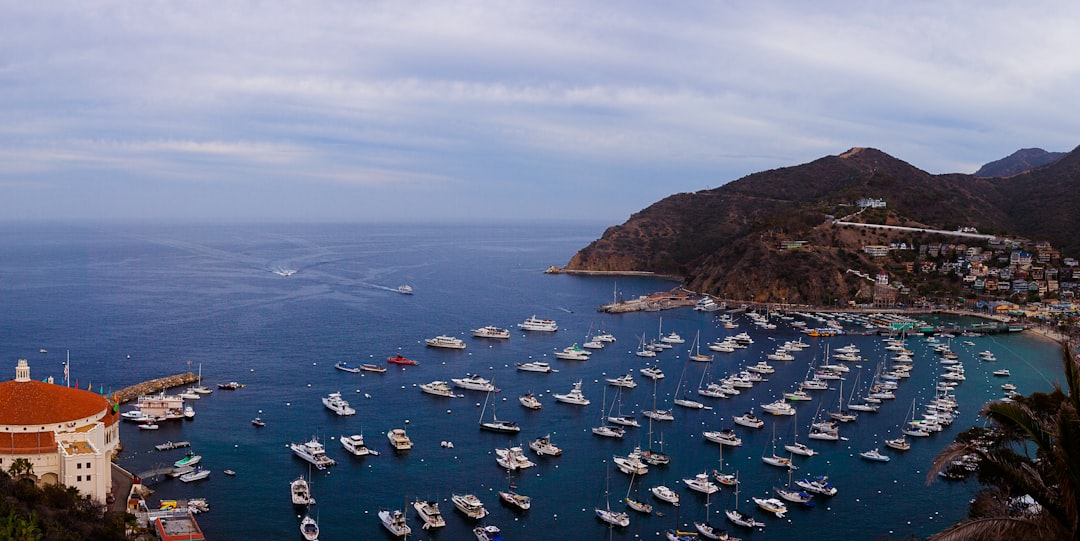
Most visitors arrive in Avalon, and honestly, the town wins you over before you’ve walked 50 feet. The crescent-shaped harbor curates its first impression carefully: yachts and paddleboards sharing the same water, pastel buildings climbing the hillside, and the Casino building — that iconic circular structure that dominates the waterfront — anchoring the view like a statement piece.
I checked into a hillside rental above town and immediately got lost wandering the side streets. That is the best way to experience Avalon. Descanso Canyon Road, Crescent Avenue, the tucked-away staircases connecting neighborhoods — every turn reveals another angle of the Pacific or a building covered in Catalina tilework that tells you someone cared about beauty here a long time ago.
The Casino isn’t a gambling hall. The name comes from the Italian “casa,” meaning gathering place, and the building houses a movie theater on the main floor and the world’s largest circular ballroom above it. I took the behind-the-scenes tour and stood inside the ballroom where Benny Goodman and Gene Autry once played. The acoustics are haunting. Twelve thousand square feet of sprung dance floor, and not a single column blocking the view.
If you’re planning your first visit, having the right packing system matters more than you’d think. The ferry has weight limits, and you’ll be walking from the dock to your lodging on cobblestone streets. A good set of compression packing cubes let me consolidate everything into a single carry-on that survived the rolling terrain between the harbor and my hilltop rental.
Underwater Catalina: The Kelp Forests Nobody Talks About Enough
Here’s what nobody prepared me for: the snorkeling on Catalina is world-class. Not “good for Southern California” — genuinely world-class. The kelp forests at Lover’s Cove and Casino Point are dense, towering cathedrals of gold and green that teem with bright orange garibaldi, calico bass, and the occasional harbor seal that glides past with disconcerting eye contact.
I brought my own snorkel set with trek fins — the compact fin design is essential because you’re walking down concrete steps to enter the water at Casino Point. Full-size dive fins would be miserable on those stairs. The dry-top snorkel kept water out when waves from passing ferries rolled through, and the panoramic mask gave me the full scope of the reef structure.
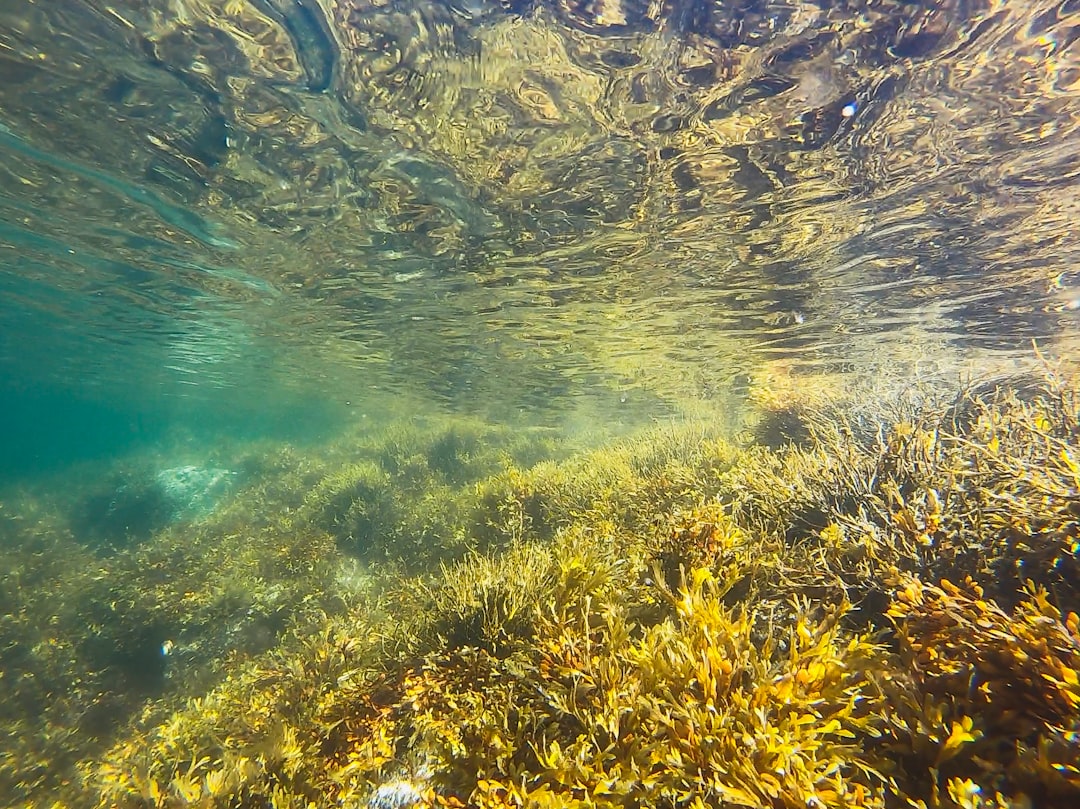
Water temperatures in June hover around 65-68°F, which sounds manageable until you’ve been in for 40 minutes. I wore a 3mm wetsuit and was grateful for it. If you’re sensitive to cold, consider a hooded vest underneath — the thermocline hits hard once you drop below 15 feet.
One critical note: Catalina’s marine ecosystem is protected, and reef-safe sunscreen isn’t optional — it’s the law in many areas. I packed a zinc oxide mineral spray SPF 50+ that went on clean without the ghostly white cast older reef-safe formulas leave behind. Do yourself and the garibaldi a favor and apply before you suit up.
Two Harbors: The Other Catalina
Most visitors never leave Avalon. That’s a mistake I almost made. Two Harbors sits at the isthmus — a 90-minute bus ride or a cyclone boat ride across the channel — and it’s what you picture when someone says “untouched California coast.” A population of roughly 300 people. One restaurant. One general store. A harbor on each side connected by a quarter-mile strip of land.
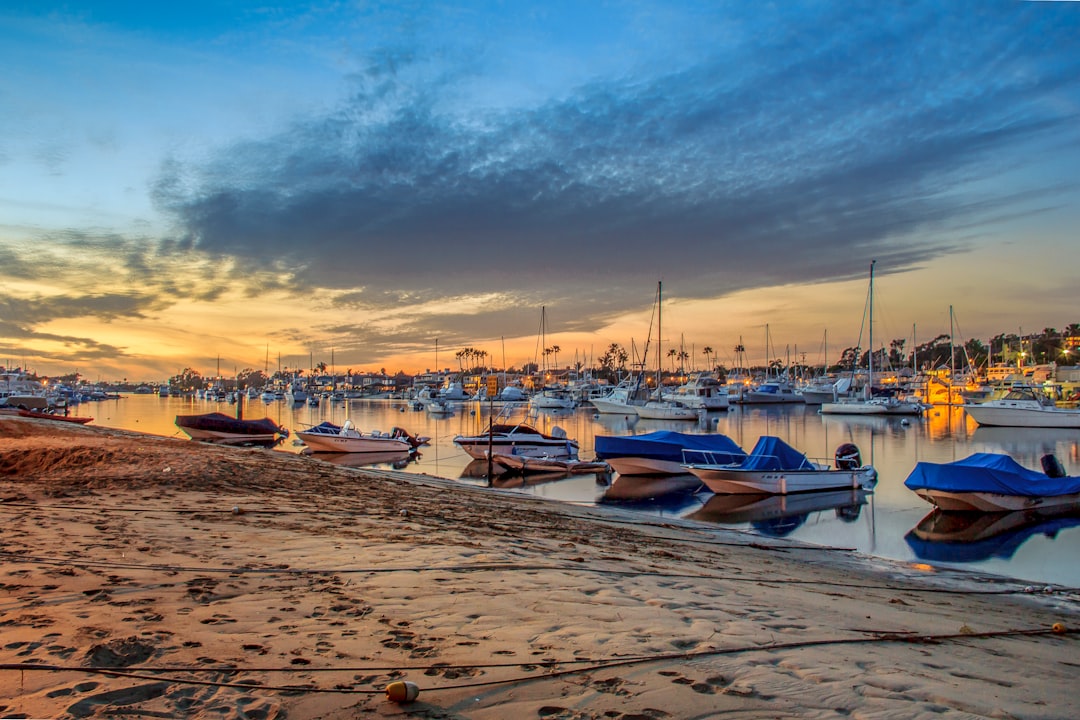
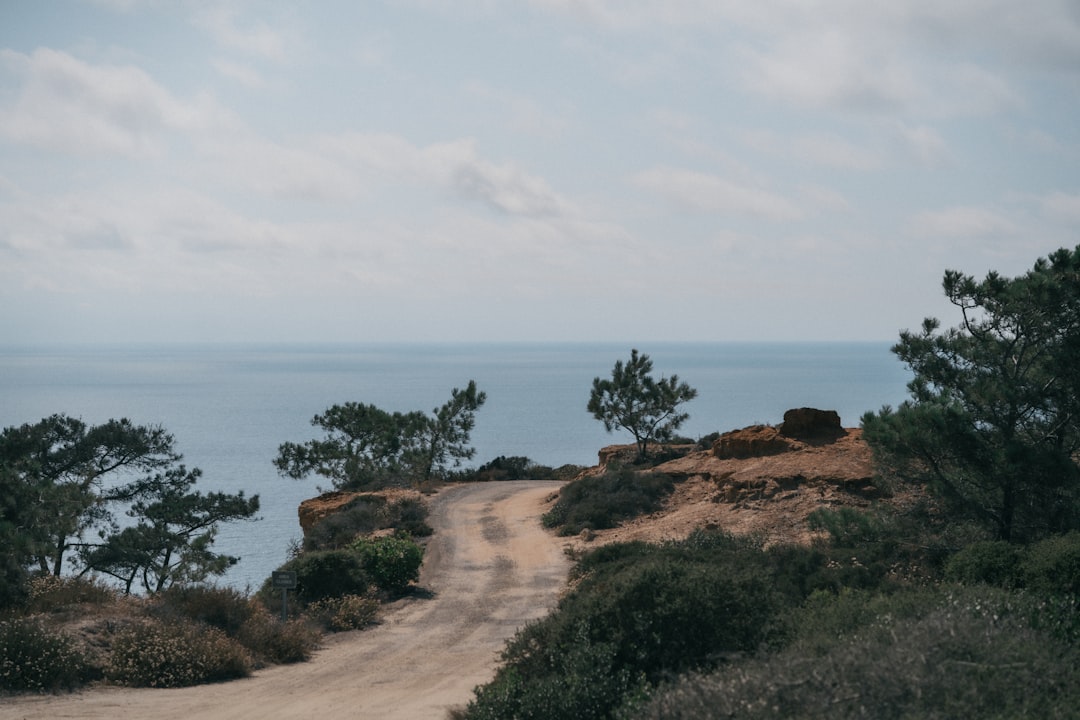
I hiked from Cat Harbor over the ridge to Isthmus Cove and encountered exactly four people. The trail took 20 minutes and delivered a panorama that made me stop walking. On one side, the open Pacific stretching to the horizon. On the other, a sheltered cove with sailboats swinging on their moorings like they’d been placed there by a stylist.
This is where the closed-toe adventure sandals earned their keep. The trails are real trails — rocky, loose in places, and unforgiving on thin-soled flip-flops. I saw more than one person limping back to the harbor in beach footwear that had no business being on volcanic terrain.
The Bison Factor
Fourteen bison were brought to Catalina in 1924 for a silent film shoot. The movie wrapped, the crew left, and the bison stayed. A century later, a managed herd of around 100 still roams the interior. Seeing them feels impossible — a plains animal on a Mediterranean island 26 miles off the California coast — but there they are.
I booked an interior tour in an open-air vehicle, which is the only realistic way to access the backcountry unless you’re hiking the Trans-Catalina Trail. Our driver took us through chaparral valleys and pine-covered ridgelines, and we found a herd grazing in a broad meadow near Middle Ranch. They barely acknowledged us. One bull stood motionless in the golden grass, and for a moment the scene looked like it belonged in Wyoming, not a Southern California island.
Bring compact binoculars. The interior is vast — 42,000 acres of protected land — and wildlife doesn’t always pose roadside. I spotted a Catalina Island fox (an endemic species found nowhere else) through the binoculars at 200 yards. Without them, I would have missed it entirely.
Kayaking the rugged shoreline
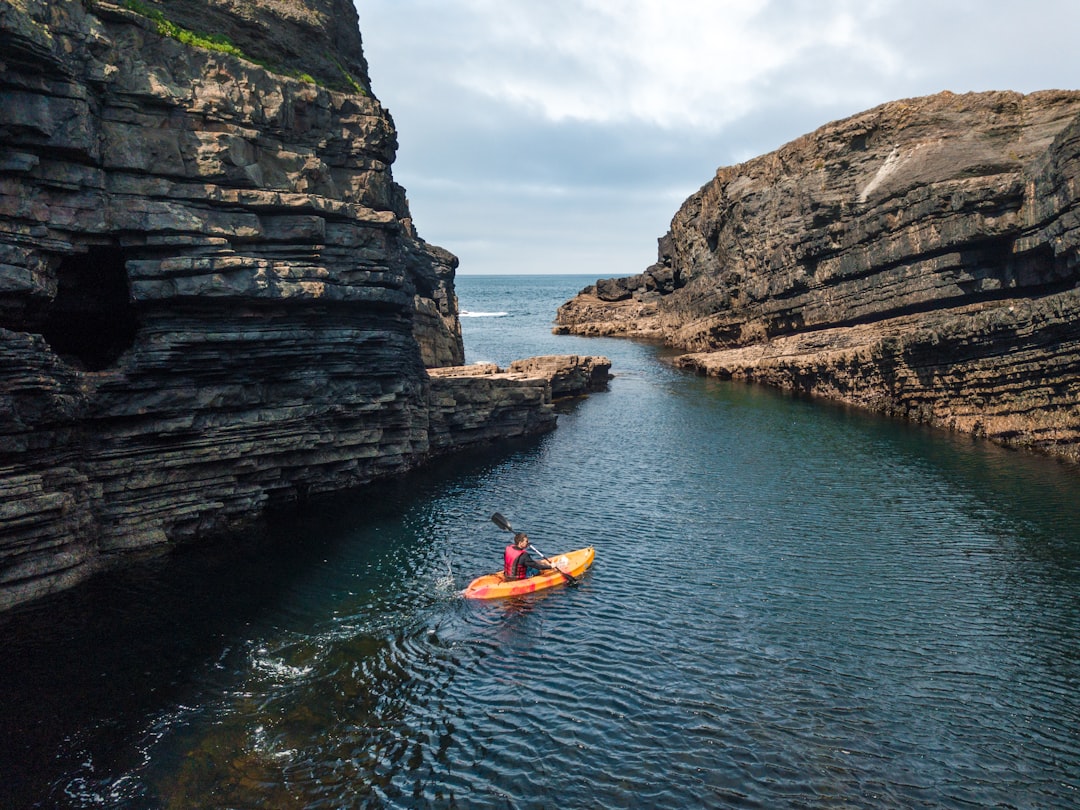
The coastline between Avalon and Two Harbors is inaccessible by road, which makes it perfect for kayaking. I rented a sit-on-top from an outfit on the Green Pier and paddled east past Hamilton Cove, where volcanic cliffs drop straight into deep blue water and sea caves carve into the rock at water level.
The conditions were calm — Catalina’s leeward south-facing shore is typically protected from the prevailing winds — but swell direction changes quickly here. I checked with the kayak shop before launching, which is the right move. They know the daily patterns better than any forecast app.
A waterproof phone pouch is non-negotiable. I used mine constantly — for photos from the kayak, for navigating trails, for the inevitable moment when a wave caught me off-guard re-entering at the harbor steps. The lanyard kept it around my neck and the touchscreen worked through the case, which is more than I can say for the cheap sandwich bag I tried last year in Block Island.
Eating and Drinking: Skip the Obvious
Avalon’s dining scene has more depth than a resort town of 3,700 people should reasonably have. The standout wasn’t the waterfront restaurant everyone recommends — it was a taco stand behind the Vons that served the best fish taco I’ve had outside of Ensenada. Fresh caught, properly battered, with a salsa that actually had heat.
For drinks, the experience matters as much as the cocktail. I watched sunset from the deck at the CBBA Ale House with a local IPA while sea lions barked from the buoy line. It was one of those travel moments that feels engineered by a screenwriter, except it was Tuesday and nobody else seemed to notice the perfection of it.
If you’re doing a full day out — hiking, kayaking, exploring the interior — a soft-sided cooler bag that collapses flat is worth the luggage space. I loaded mine with sandwiches from a deli on Crescent Avenue and ate lunch on a rock overlooking the channel. No restaurant view came close.
Practical Planning: What Actually Matters
The ferry is the experience bottleneck. Catalina Express runs from San Pedro, Long Beach, and Dana Point, and summer weekend slots sell out weeks ahead. I booked a Tuesday morning departure that was half empty, which meant actual legroom on the hour-long crossing and no line at the dock.
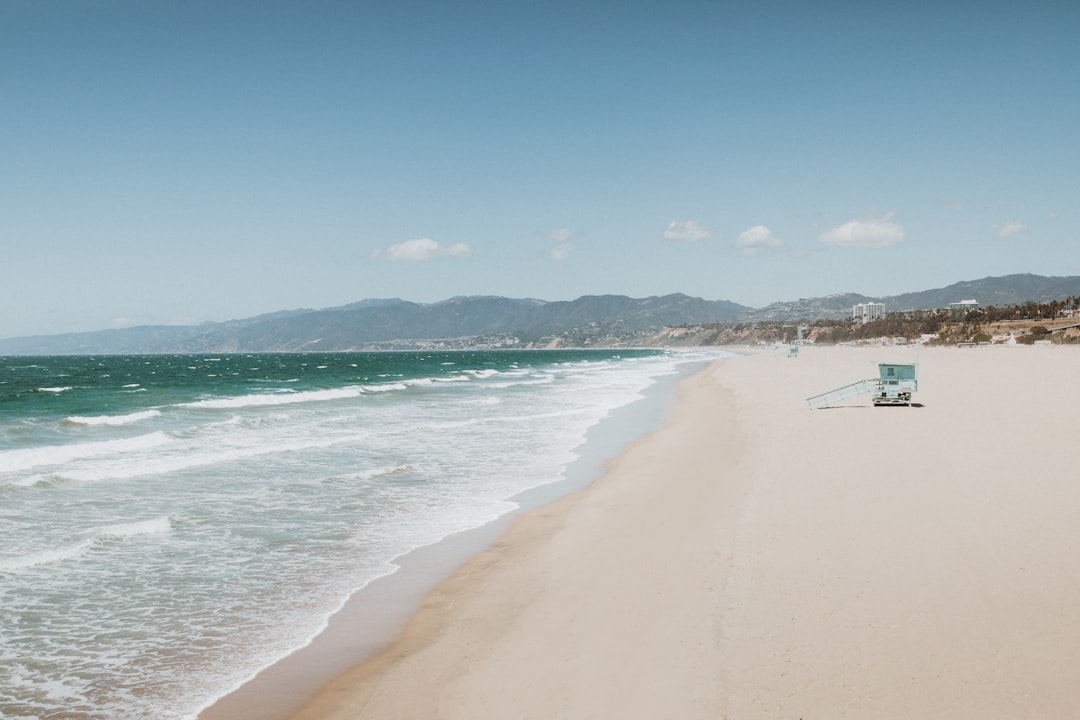
Once on the island, the logistics simplify. Almost everything in Avalon is walkable. Golf carts are the dominant vehicle — both the resident kind and the rental kind — and they move at exactly the speed of a relaxed vacation. Renting one for an afternoon costs roughly what a single entrée does, and it opens up the hills above town where the views live.
I packed a UV 50+ portable beach umbrella with sand anchor — the same model from my beach weekend gear list — that I set up on Descanso Beach. Worth every ounce in my bag. The club-owned beach charges for chairs and cabanas, but there’s a public strip where you can post up with your own shade and nobody bothers you. That umbrella also served double duty at Two Harbors, where shade structures are limited.
Sun protection on Catalina is not a suggestion. The sun hits differently when marine layer burns off and you’re surrounded by reflective water. I went through more reef-safe mineral sunscreen in four days than I typically use in two weeks of ordinary life — more even than my Lake Tahoe trip last spring at similar altitude. Reapply constantly. The UV index in June regularly hits 10.
The Centennial Question: Does Catalina Still Deliver?
A hundred years is a long time for a destination to stay relevant. Places that were once glamorous fade into kitsch. Resorts that were once exclusive become caricatures of themselves. Catalina sidesteps both traps because it never stopped being what it was: a wild island with a thin layer of civilization on its edges.
The centennial celebrations add programming without adding gimmick. The Catalina Museum has a new exhibit tracing the island’s Hollywood connections — Charlie Chaplin, Marilyn Monroe, and the scores of productions that used the island as a backdrop. The Art Deco Society is hosting walking tours of the Casino’s restoration. There’s a centennial concert series in the ballroom that’s already selling out.
But the thing that will bring me back isn’t an anniversary event. It’s the moment on the ferry when the mainland disappears. It’s the silence of the interior trails where you can hear bison breathe from 50 yards. It’s the water — clear and cold and full of life — that reminds you what the California coast used to be before we built over all of it.
Catalina Island at 100 isn’t trying to impress you. It doesn’t need to. It’s been doing this for a century, and it’s gotten better at the parts that matter while ignoring the trends that don’t. In a travel landscape saturated with “discoveries” that have already been discovered, that quiet confidence is the rarest thing going.
Go before summer ends. Bring fins. Stay longer than you planned.
1 thought on “Catalina Island at 100: Why Southern California’s Island Time Capsule Is Having Its Best Year”