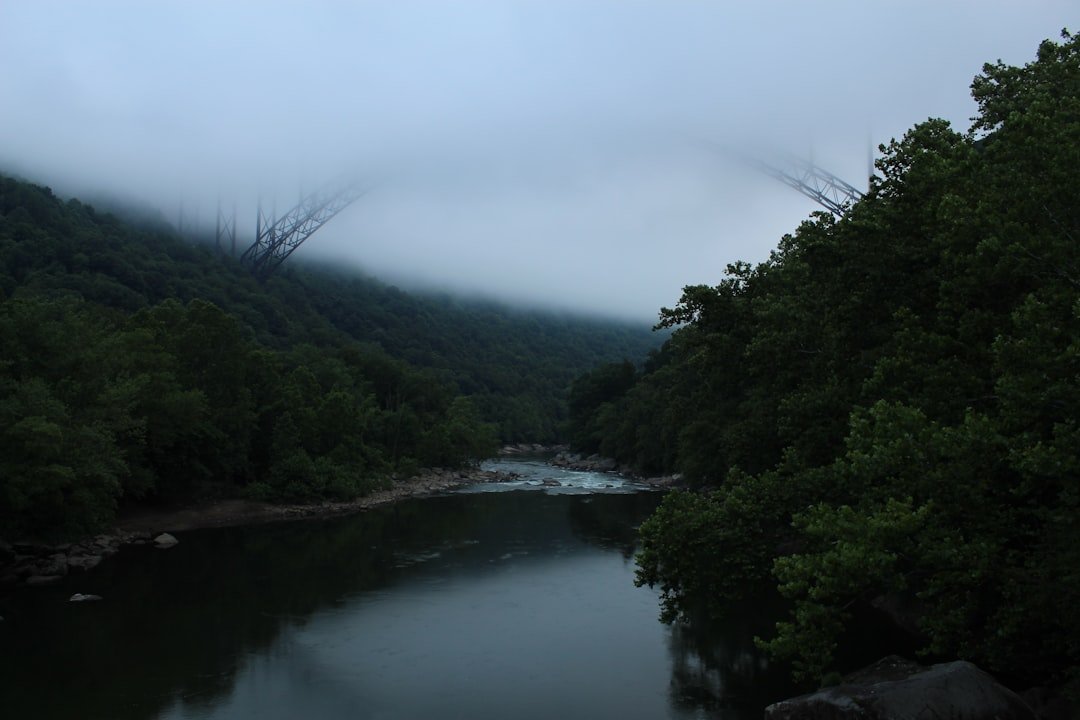
I showed up to New River Gorge with zero expectations. A friend had mentioned it offhand — something about a bridge and whitewater — and I figured I’d spend a long weekend poking around before heading somewhere more “destination-worthy.” That was three summers ago, and I’ve been back every year since. West Virginia’s newest national park doesn’t have the fame of Yellowstone or the crowds of the Great Smokies, and that’s exactly what makes it dangerous. It lures you in with quiet confidence and then hooks you for life.
The park sits in southern West Virginia, about an hour southeast of Charleston, carved by one of the oldest rivers on the planet. The New River — misleadingly named, since geologists estimate it’s been cutting through these mountains for somewhere around 300 million years — has gouged out a gorge so deep and dramatic that the first time I stood at the Canyon Rim Visitor Center and looked down, I genuinely forgot what I was saying mid-sentence. It’s that kind of place. You don’t need a guidebook to tell you it’s special — the landscape announces it loud and clear.
The Bridge That Stopped Me in My Tracks
Let’s get this out of the way: the New River Gorge Bridge is the single most iconic structure in the state, and driving across it for the first time is a visceral experience. Spanning 3,030 feet and sitting 876 feet above the river, it was once the longest single-arch steel bridge in the world. I’ve crossed it probably twenty times now, and my hands still tighten on the steering wheel every single time. There’s something about that drop — the sheer vertical plunge to the river below — that makes your body react before your brain catches up.
Here’s what most visitors miss, though: the best way to experience the bridge isn’t from behind the wheel. Park at the Canyon Rim Visitor Center and take the boardwalk down to the observation deck. From there, you get the full frontal view — the arch, the river, the tree-lined walls of the gorge dropping away on both sides. If you’re feeling adventurous and have a head for heights, the Bridge Walk experience lets you walk the catwalk underneath the bridge on a guided tour. I did it on my second visit, and while I’m not usually afraid of heights, looking straight down through the grating at the river nearly a thousand feet below gave me a new appreciation for solid ground.
Hiking the Endless Wall Trail
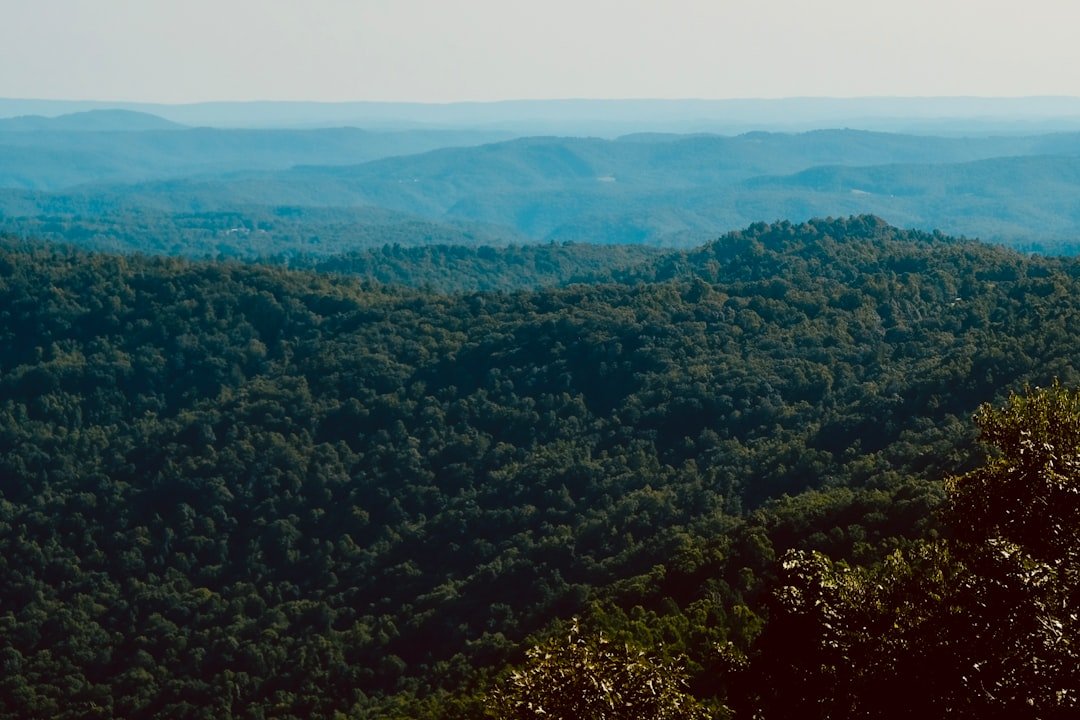
If you do only one hike at New River Gorge, make it the Endless Wall Trail. This 2.4-mile loop earned its name honestly — the cliff line seems to stretch endlessly along the rim, offering one jaw-dropping overlook after another. I recommend starting from the Fern Creek trailhead and hiking clockwise so you hit the best viewpoints in the first mile. Diamond Point, about halfway through, is the kind of spot where you sit down on a rock and lose track of time watching kayakers navigate the river far below.
The trail is moderately easy — well-maintained, not much elevation change — making it perfect if you’re traveling with family or just want something that doesn’t require serious hiking boots (though good shoes are always smart). I’ve done it in every season, but summer is when the gorge really shows off. The hardwood forests explode in green, the rhododendrons bloom along the trail edges, and the river sparkles far below like something out of a painting. Bring a pair of compact binoculars if you have them — you’ll want to watch the rock climbers scaling the walls across the gorge.
Whitewater Rafting: The Main Event
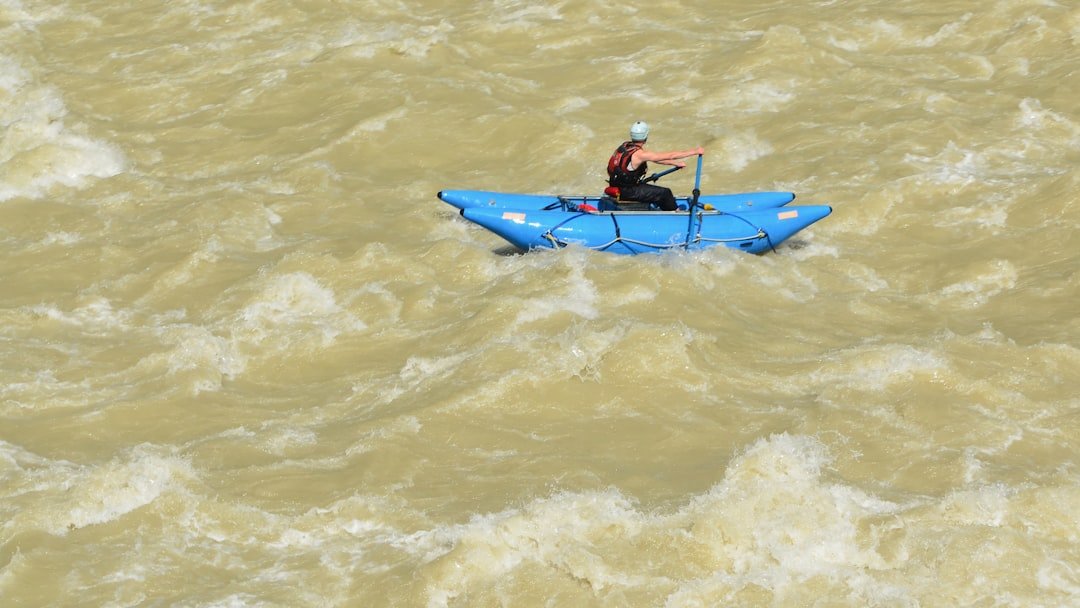
Let me be direct: rafting the New River is the reason many people come here, and it absolutely lives up to the hype. The river offers two distinct experiences depending on the section. The Upper New is family-friendly with Class I-III rapids — perfect if you’ve got kids or want a more relaxed float with scenery. But the Lower New is where things get real. Class III-V rapids with names like “The Keeney Brothers,” “Greyhound Bus Stop,” and “Surprise” will test your nerve and your abs. My first time through the Lower New, our guide warned us about a rapid called “The Meat Grinder.” I thought he was exaggerating. He was not.
Several outfitters operate in the area, and I’ve had good experiences with both ACE Adventure Resort and Adventures on the Gorge. Full-day trips on the Lower New typically run $100-140 per person, including lunch and all gear. Book early if you’re coming on a summer weekend — these trips sell out, especially in July and August when water levels are ideal. And yes, you will get wet. Very wet. Bring a waterproof case for your phone or leave it on the bus. I learned that lesson the hard way on rapid number three.
Rock Climbing Capital of the East
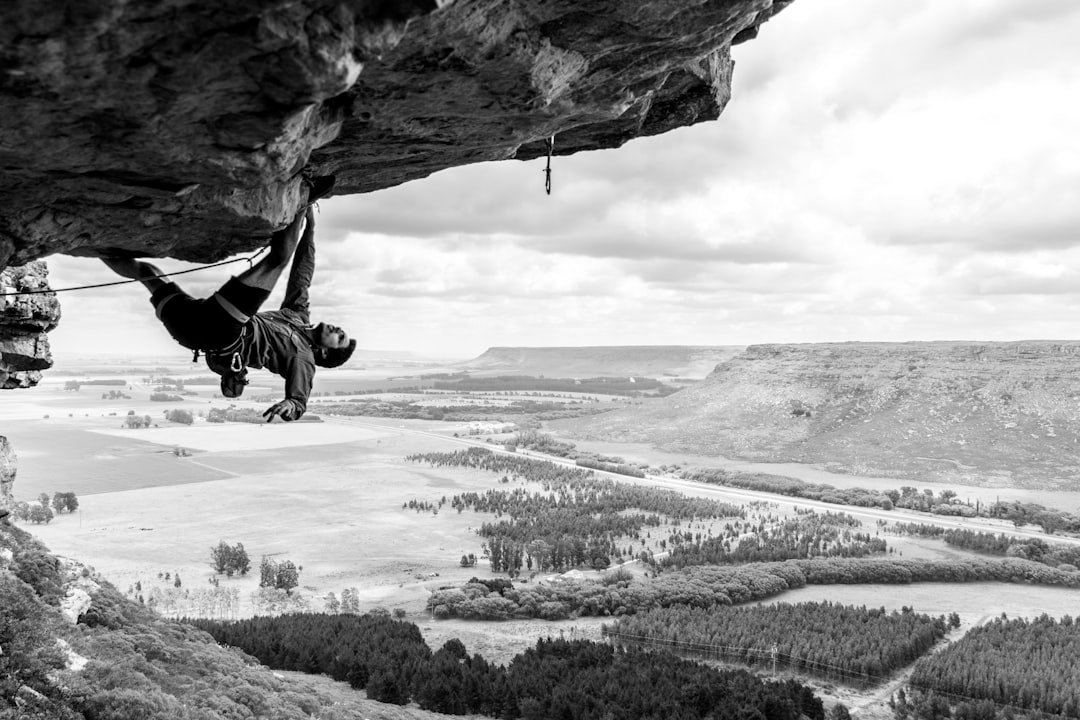
What I didn’t fully appreciate before my first visit is that New River Gorge is one of the premier rock climbing destinations in the entire country. The Nuttall Sandstone cliffs offer over 1,400 established routes ranging from beginner-friendly 5.6 cracks to brain-bending 5.14 test pieces that draw elite climbers from around the world. The gorge’s south-facing walls make it climbable year-round, but fall is the sweet spot — crisp temperatures, dry rock, and the foliage turning the gorge into a kaleidoscope of color.
If you’re new to climbing, several local guide services offer half and full-day intro sessions that include all equipment and instruction. Even as a moderately experienced climber, I hired a guide my first time out to learn the local ethics and get oriented to the cliff bands. The climbing community here is welcoming and passionate — I’ve never shown up at a crag and not been offered a belay or beta on a route. You’ll want a good chalk bag and climbing gear if you’re bringing your own kit, and don’t forget a helmet — the rock is solid but loose stones occasionally come down from above.
Where to Stay and When to Visit
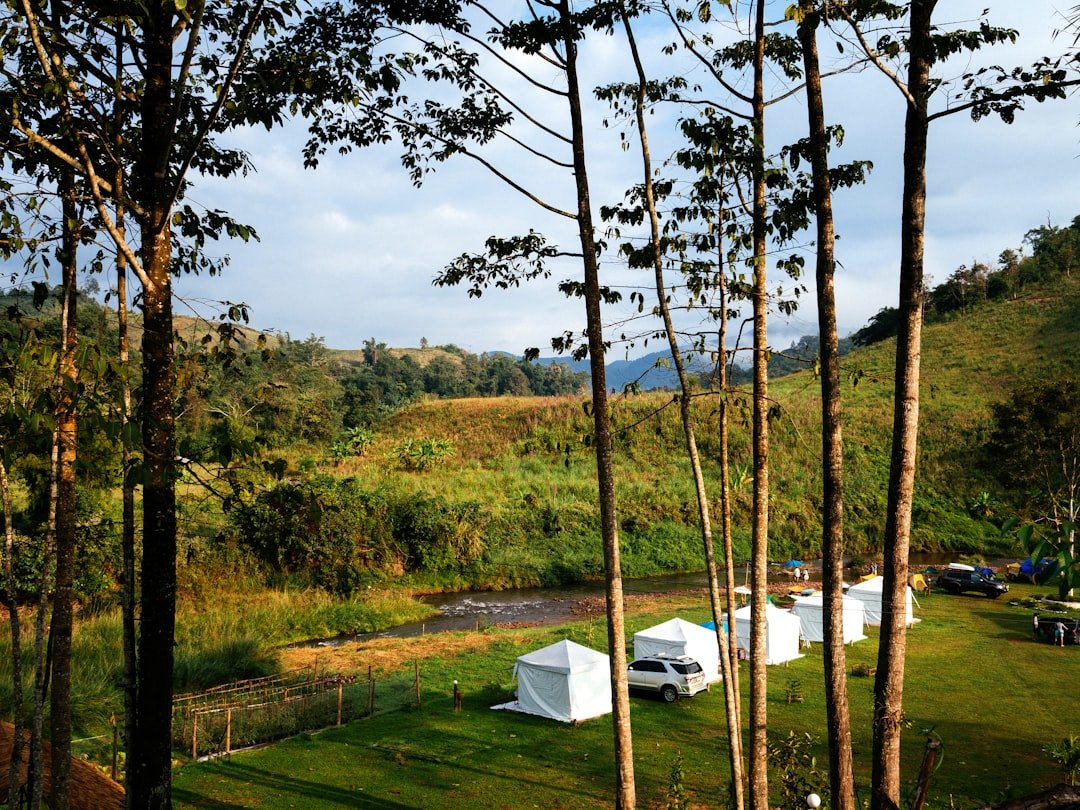
The park itself offers several campgrounds, and if you’re comfortable with rustic sites, they’re hard to beat for the price (some are free, others charge a modest fee). I’ve camped at the Glade Creek campground multiple times — it’s right on the river, deeply shaded, and blissfully quiet on weeknights. For something with a few more amenities, the Adventures on the Gorge resort sits on the rim and offers everything from cabin rentals to glamping tents. If you prefer a real bed, the nearby towns of Fayetteville and Oak Hill have a growing selection of Airbnbs, inns, and small motels. A good three-person tent is my go-to for these trips — light enough to hike in, roomy enough to be comfortable.
Summer is peak season for good reason — warm weather, full water levels, and everything open. But I’m going to make a case for September and October. The crowds thin out dramatically, the climbing conditions are perfect, and the fall foliage reflecting off the river is the kind of beauty that makes you pull over and just stand there. If you’re planning a summer trip, check out our other summer destination recommendations for ideas on extending your trip through the region.
Exploring Fayetteville: The Coolest Small Town You Haven’t Heard Of
The town of Fayetteville, perched on the rim just outside the park boundary, deserves its own mention. With a population hovering around 3,000, it punches way above its weight in food, culture, and outdoor outfitters. I’ve had some of the best burgers of my life at Diogis, and the Secret Sandwich Society (now under new ownership but still turning out creative takes on classic sandwiches) is a local institution. After a day on the river, there’s nothing better than sitting on the patio at Pies and Pints with a cold drink and a pizza loaded with local peppers.
Fayetteville also serves as the jumping-off point for several adventure outfitters offering everything from zip line canopy tours to mountain bike rentals. The Arrowhead Trails system just outside town has become a mountain biking destination in its own right, with flowy singletrack that winds through hardwood forest. And if you need a rest day from adventure, the historic downtown has antique shops, art galleries, and a surprisingly good coffee scene. For more on budget-friendly travel to places like this, our complete guide to visiting national parks on a budget has tips that apply directly here.
Practical Tips for Your First Visit
Cell service in the gorge is spotty at best — download maps before you go. I use a dedicated handheld GPS for hiking when I’m exploring the more remote trail networks, but even Google Maps downloaded for offline use will cover the basics. The park is free to enter, which feels almost criminal given what you get. There’s no entrance gate, no fee booth — just pull in and start exploring.
Pack layers even in summer. The gorge creates its own microclimate, and I’ve been caught in sudden thunderstorms that dropped the temperature 20 degrees in minutes. A lightweight packable rain jacket lives permanently in my daypack for this exact reason. And bring more water than you think you need — the humidity combined with the elevation changes will dehydrate you faster than you expect. A good hydration pack is worth every penny here.
If you’re planning a longer road trip through the region, the drive from New River Gorge to the Great Smoky Mountains is about four hours through some of the most beautiful Appalachian scenery in the country. Our guide to the synchronous fireflies in the Smokies makes a great companion piece if you’re combining both destinations. And for anyone driving from farther away, our solo road trip safety guide has route planning tips that are especially relevant for navigating rural West Virginia roads.
New River Gorge isn’t trying to impress you. It doesn’t have the marketing machine of a Grand Canyon or the celebrity status of a Yosemite. What it has is authenticity — raw, rugged, unpolished adventure in a part of the country that too many travelers overlook. Every time I leave, I start planning my next trip back before I’ve even hit the highway. That’s the thing about this place. It doesn’t ask for your attention. It earns it.
1 thought on “New River Gorge, West Virginia: The National Park That Made Me Cancel Every Other Summer Plan”