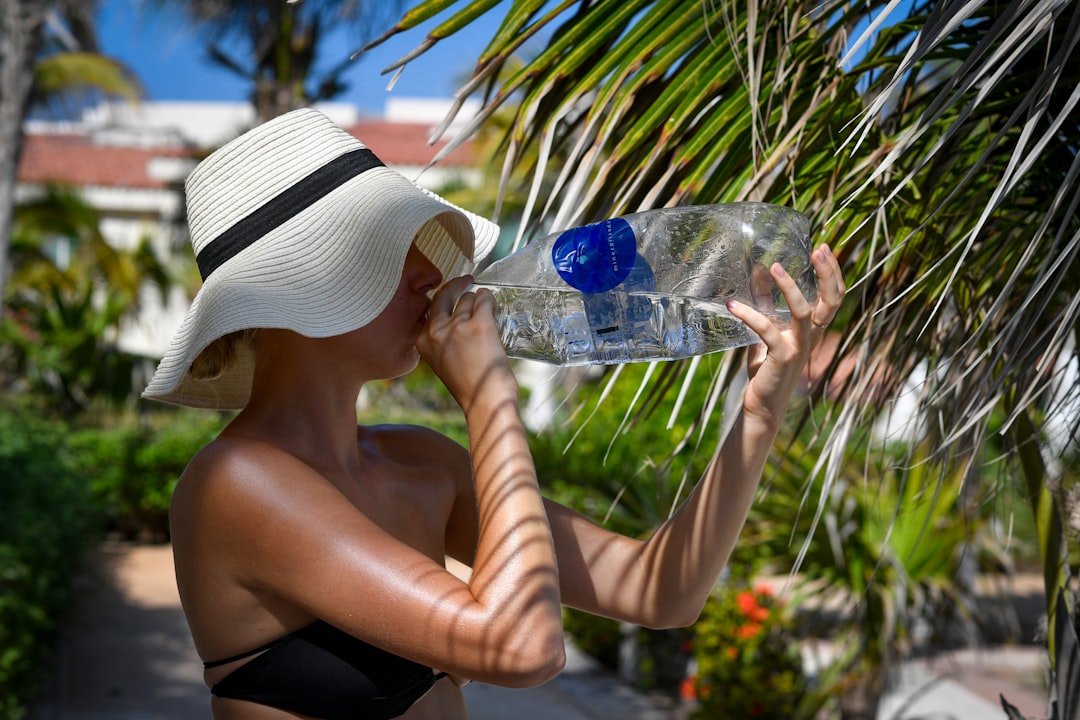
It was 103 degrees in Rome, and I was standing in line at the Colosseum wondering if I’d made a terrible mistake. My shirt was soaked through, my energy was tanking, and the couple next to me looked remarkably comfortable — each wearing a sleek device around their neck that was quietly blowing cool air. That was the moment my summer travel strategy changed forever.
I spent the next three months testing every portable cooling gadget I could get my hands on before a 10-day trip through southern Spain, Morocco, and the American Southwest. Some of what I found was genuinely game-changing. Some was overpriced plastic that couldn’t survive a carry-on bag. Here’s what actually works when you refuse to let heat ruin your vacation.

Why Traditional Cooling Advice Falls Short
Every travel blog will tell you to “drink water” and “wear light fabrics.” Solid advice, sure — about as groundbreaking as suggesting you breathe oxygen. I’ve read dozens of these lists, and they all miss the same thing: what to do when avoidance strategies aren’t enough, when you’ve already drunk two liters and you’re wearing the lightest linen shirt you own and you’re still miserable. When temperatures push past 95 degrees and you’re spending hours walking cobblestone streets or hiking desert trails, you need active cooling, not just passive prevention. That’s where personal cooling technology has gotten genuinely interesting in 2026.
The portable cooling market has exploded this year, driven by record-breaking temperatures worldwide and a growing awareness that heat-related illness is the number one weather-related killer in the United States. Wirecutter, CNN Underscored, and SlashGear all published major neck fan roundups in the last few months, and for good reason — the technology has matured fast. Battery life has doubled, noise levels have dropped, and designs have gone from awkward to nearly invisible. Whether you’re exploring the Catskills in summer or wandering through Marrakech’s medina, there’s a cooling solution that fits your trip.
Neck Fans: The Hands-Free MVP
Neck fans are exactly what they sound like — wearable devices that rest on your shoulders and blow air directly at your face and neck. The best ones are bladeless, lightweight, and quiet enough that nobody around you will notice. After testing several models, a few clear winners emerged.

The JISULIFE Portable Neck Fan became my daily driver almost immediately. It weighs practically nothing, has five speed settings, and the 4000mAh battery lasts a solid 8 hours on medium — enough for a full day of sightseeing. The bladeless design means no hair-tangling incidents, which my partner greatly appreciated. At around $20, it’s also one of the most affordable options that doesn’t feel cheap.
For longer days, I upgraded to the 8000mAh neck fan with 6 speeds and 20-hour runtime. This thing is a tank — I charged it once at the start of a three-day desert road trip and it was still going strong on the last morning. The LED display shows remaining battery, which eliminates the anxiety of wondering when it’ll die. It’s slightly heavier than the JISULIFE, but if you’re someone who forgets to charge devices (hand raised), the peace of mind is worth it.
Budget-conscious travelers should check out the KIDEE bladeless neck fan with its 360-degree airflow and whisper-quiet motor. It lacks the fancy features of pricier models, but at its price point, you could buy two and keep one as backup without breaking the bank. The 6000mAh rechargeable neck fan with LED display splits the difference nicely — solid battery life, four speeds, and a clean design that doesn’t scream “I’m wearing a gadget.”
Cooling Towels: Ancient Tech, Modern Magic
Cooling towels work on a principle that’s been around for centuries — evaporative cooling. You wet them, wring them out, and snap them in the air. The moisture evaporates and draws heat away from your skin, dropping the towel’s surface temperature by up to 30 degrees. It sounds too simple to be effective, but I’ve stood in 110-degree Death Valley heat with one draped over my neck and felt genuinely comfortable.

The CADONO 4-pack cooling towels are my go-to recommendation. You get four towels in different colors for under $15, which means one for your neck, one for your forehead, and two spares. They’re soft, machine-washable, and come in a carrying pouch that clips to your backpack. I keep a set in my day pack permanently — they’ve been deployed everywhere from long overnight flights (the cabin gets stuffy) to midday hikes in Zion.
For something slightly more heavy-duty, the Tough Outdoors cooling towels are designed with a textured surface that accelerates evaporation. They also have a snap-loop for attaching to bags, which sounds minor until you’re fumbling with a wet towel and a backpack at the same time.
The Sukeen 4-pack cooling towels deserve a mention for value — four generously sized towels with a pleasant feel against the skin and reliable cooling performance across multiple wet-dry cycles.
Handheld and Waist-Mounted Options

Not everyone wants something around their neck. If you prefer the flexibility of a handheld device, the Hihvls portable handheld fan with ice cooler packs serious power in a compact form. The 5500mAh battery delivers up to 20 hours of cooling, and the turbo motor generates a surprisingly strong breeze. It even has a compartment for small ice cubes — yes, actual ice — for maximum cooling on brutal days. I brought this to a rooftop concert in Seville and it was the most popular item in our group within minutes.
For hands-free cooling without the neck form factor, the Socool 10000mAh waist fan clips to your belt or waistband and blows air upward along your torso. With a 40-hour battery life, it’s the endurance champion of the group. It’s particularly popular with construction workers and outdoor vendors, which tells you everything about its reliability in extreme heat. Travelers who spend full days at theme parks or outdoor markets will appreciate not having anything on their neck or in their hands.
Don’t Forget Sun Protection

Cooling gear only works if you’re also managing your sun exposure. I learned this the hard way in Arches National Park — great neck fan, terrible sunburn on my forearms. ROXUN cooling arm sleeves with UPF 50 sun protection solve two problems at once. They block 98% of UV rays while wicking moisture and providing a cooling sensation against your skin. Four pairs for under $15 means you can wear a fresh pair every day of a week-long trip without doing laundry.
The combination of arm sleeves plus a neck fan plus a cooling towel is what I now call my “triple threat” setup. With that configuration, I comfortably hiked the Yosemite valley floor in June without feeling like I was melting into the granite.
Hydration Is Non-Negotiable
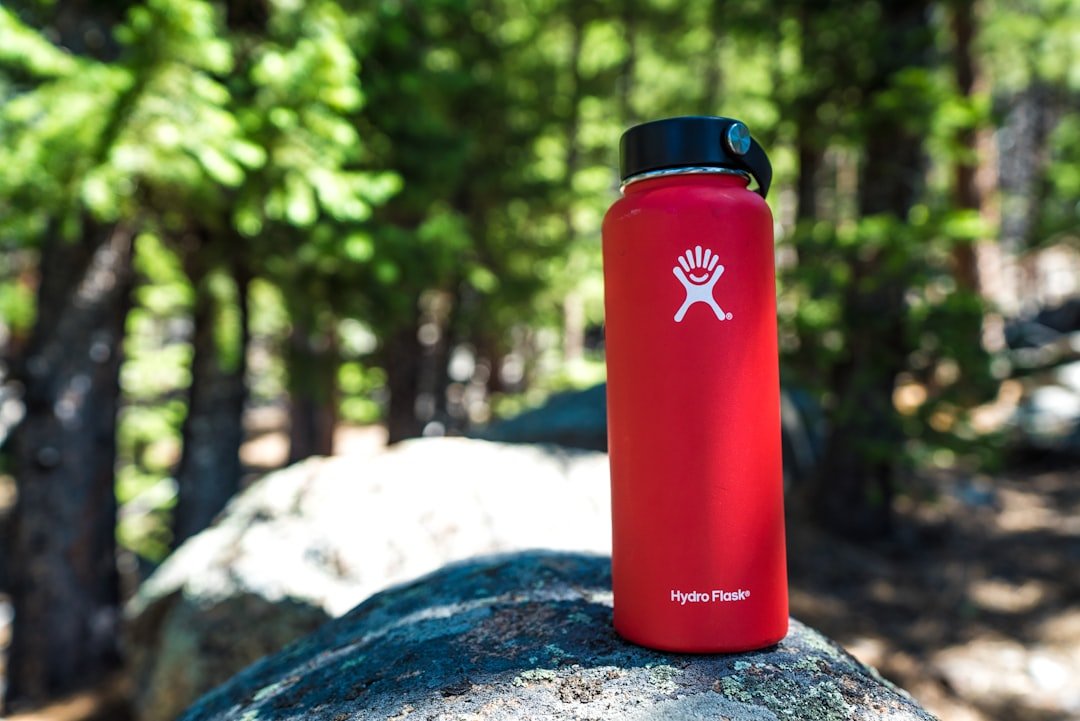
None of this matters if you’re not hydrating properly. I’m not talking about a flimsy plastic bottle from the hotel gym — I mean serious cold-water retention. The Owala FreeSip insulated water bottle keeps water cold for 24 hours, has a clever dual-sip lid (straw or chug), and fits in a standard cup holder. It’s become my permanent travel companion, whether I’m on a plane, in a car, or on a trail. The 24-ounce capacity hits the sweet spot between carrying enough water and not feeling like you’re hauling a fire hydrant.
Here’s my rule of thumb: if you’re using active cooling devices in heat above 90 degrees, you need to drink at least 8 ounces of water per hour. The cooling gear makes you feel better, but it doesn’t replace the fluids you’re losing through sweat. Set a timer on your phone if you need to — dehydration sneaks up fast when you’re distracted by beautiful scenery.
My Packing Strategy
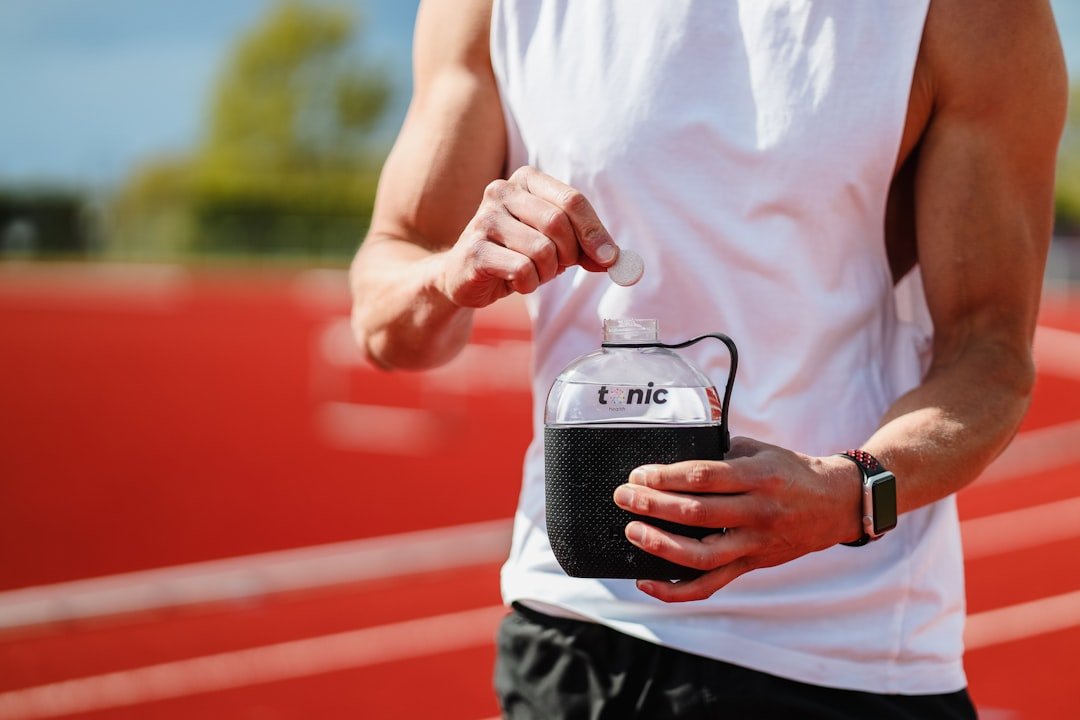
After months of testing, here’s what I pack for any summer trip where temperatures might exceed 90 degrees: one neck fan (the JISULIFE for short trips, the 8000mAh model for longer ones), a 4-pack of cooling towels, one set of UPF arm sleeves, and my Owala bottle. Total investment is under $80, and it all fits in a small packing cube that takes up less space than a pair of jeans. Compared to the cost of a ruined vacation day spent hiding in an air-conditioned hotel room, it’s the best travel insurance I’ve found. I’ve shared this setup with friends heading everywhere from Disney World to the Sahara, and the response is always the same — “Why didn’t I know about this sooner?”
The bottom line is that summer travel doesn’t have to mean suffering through heat. The technology exists to stay comfortable in conditions that would have been miserable even five years ago. Whether you’re planning a European city-hopping adventure, a national park road trip, or just trying to survive your kid’s outdoor summer soccer tournament, the right cooling gear transforms the experience from endurance into enjoyment. Pack smart, stay cool, and go see the world — even when the thermometer says you shouldn’t. Your future sweaty self will thank you, and you’ll wonder how you ever traveled in summer without this stuff.
1 thought on “Portable Cooling Gear That Saved My Summer Travel (And What I Left Behind)”