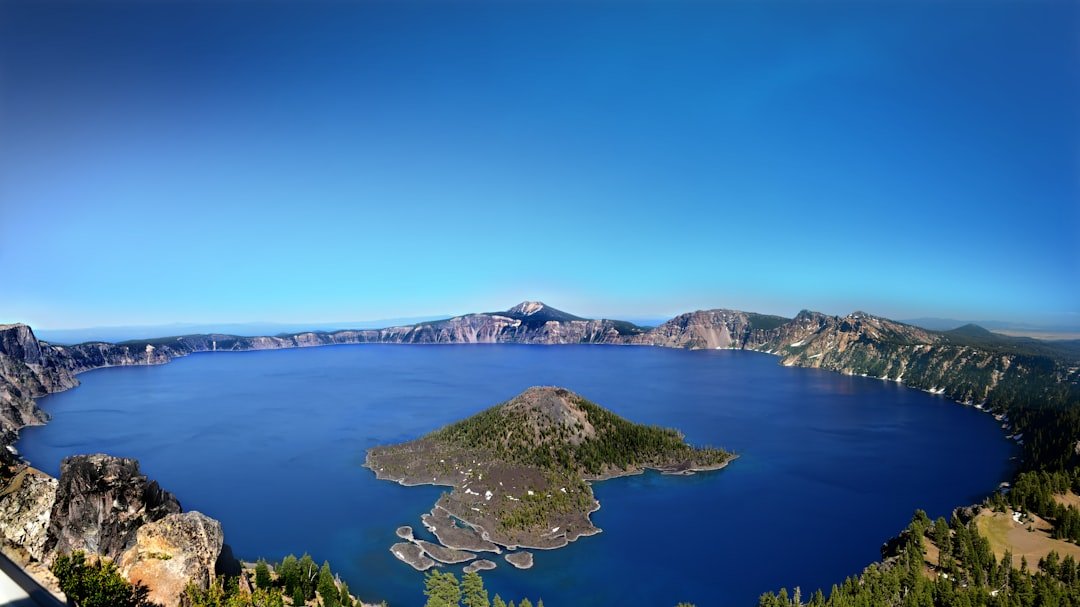
I’ve stood at the edge of a lot of overlooks in this country, but nothing prepared me for that first glimpse of Crater Lake. You pull into the Rim Village parking lot, walk about thirty seconds toward the edge, and suddenly the ground just drops away beneath you — and there it is. This impossibly blue body of water sitting inside a collapsed volcano, so vivid it almost doesn’t look real. I actually said something unprintable out loud. A ranger standing nearby just nodded. She’d heard it before.
Crater Lake National Park in southern Oregon is one of those places that photographs well but genuinely underwhelms you in person — said no one, ever. At 1,943 feet deep, it’s the deepest lake in the United States and one of the cleanest, clearest bodies of water on the planet. The blue isn’t a trick of the light or some Instagram filter; it’s the real deal, caused by the way pure water absorbs every color wavelength except blue. The water is so pristine that visibility has been measured at over 140 feet. Standing on the rim in June 2026, with wildflowers just starting to bloom along the trails and snow still clinging to the north-facing slopes, I understood why this place has been sacred to the Klamath people for thousands of years.
Getting There and Timing Your Visit
Crater Lake isn’t exactly on the way to anywhere, which is both its curse and its blessing. The park sits in southern Oregon’s Cascade Range, about a two-hour drive from both Medford and Klamath Falls. The closest airport with decent connections is Rogue Valley International in Medford, but most people I talked to drove — either as part of a larger Oregon road trip or a Pacific Northwest national parks circuit. If you’re coming from Bend, it’s a scenic 90-minute drive south through volcanic landscape that feels like a prelude to the main event.
Here’s the thing about timing, though: Crater Lake gets serious snow. Like, “Rim Drive doesn’t fully open until July” snow. June is a shoulder-season sweet spot if you want smaller crowds and don’t mind some trails still being snow-covered. By July and August, everything is accessible but you’re sharing it with considerably more people. I visited the second week of June and had multiple viewpoints completely to myself — something that would be unthinkable in August. Just pack a solid broad-spectrum sunscreen like Neutrogena Ultra Sheer SPF 70, because at 7,000+ feet of elevation, the UV exposure is no joke even on overcast days.
The Best Hikes for Every Level
You don’t need to be an elite hiker to fall in love with Crater Lake, but the trail system here rewards anyone willing to lace up their boots. If you’re looking for a solid pair that won’t let you down on volcanic rock, I’d recommend Columbia’s Transverse Waterproof Hiking Boots — they handled the loose pumice and scattered snow patches without a problem.
Easy: Castle Crest Wildflower Trail
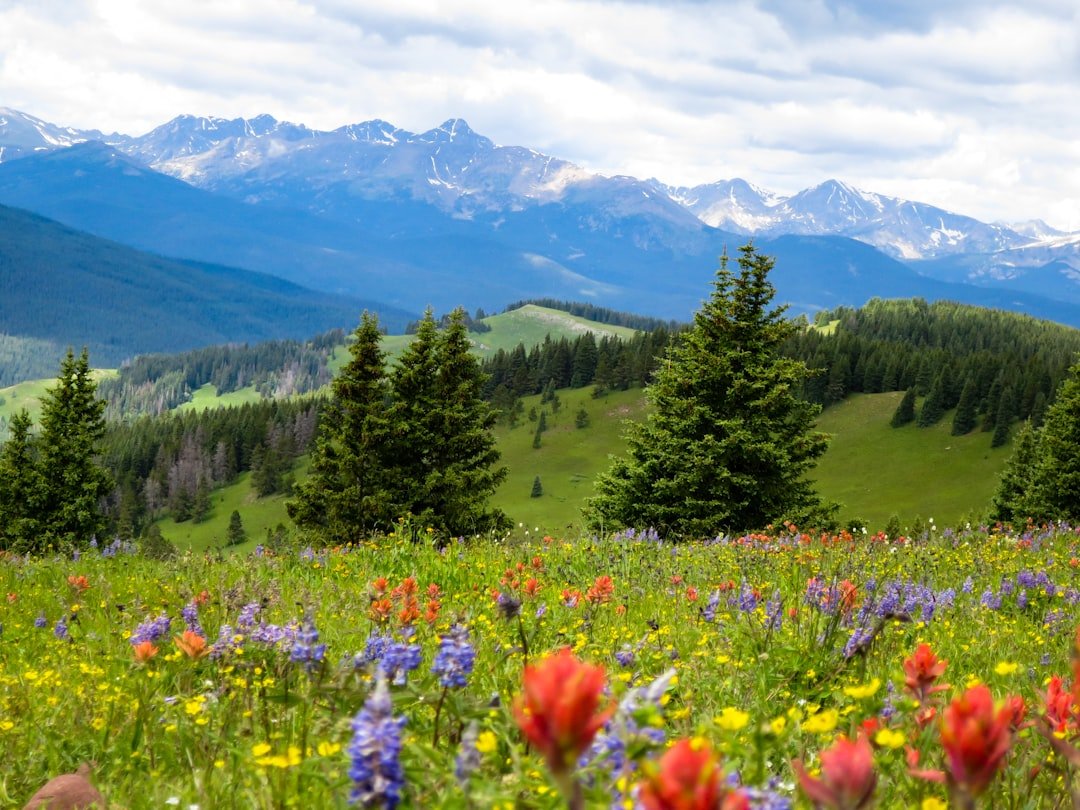
This half-mile loop near the Steel Visitor Center is a must-do in July when the wildflower display is absolutely bonkers. Over 300 species of wildflowers bloom in this one small meadow at the base of Garfield Peak, and the diversity is staggering — Indian paintbrush, lupine, penstemon, and species I couldn’t begin to name. Even in early June, I caught the first wave of blooms pushing through the receding snow. It’s flat, family-friendly, and takes about 20 minutes if you’re walking slowly and actually looking at things.
Moderate: Watchman Peak Trail
A 1.8-mile round trip that gains about 420 feet of elevation, ending at a historic fire lookout with what might be the single best view of Wizard Island and the full lake. I did this at sunset and practically had the place to myself. Bring a headlamp for the hike down, and maybe a 40-liter daypack like the Maelstrom to carry layers — the temperature drops fast once the sun dips below the rim. This trail is also one of the best spots to set up with compact binoculars and scan for the bald eagles that nest on Wizard Island.
Challenging: Cleetwood Cove Trail
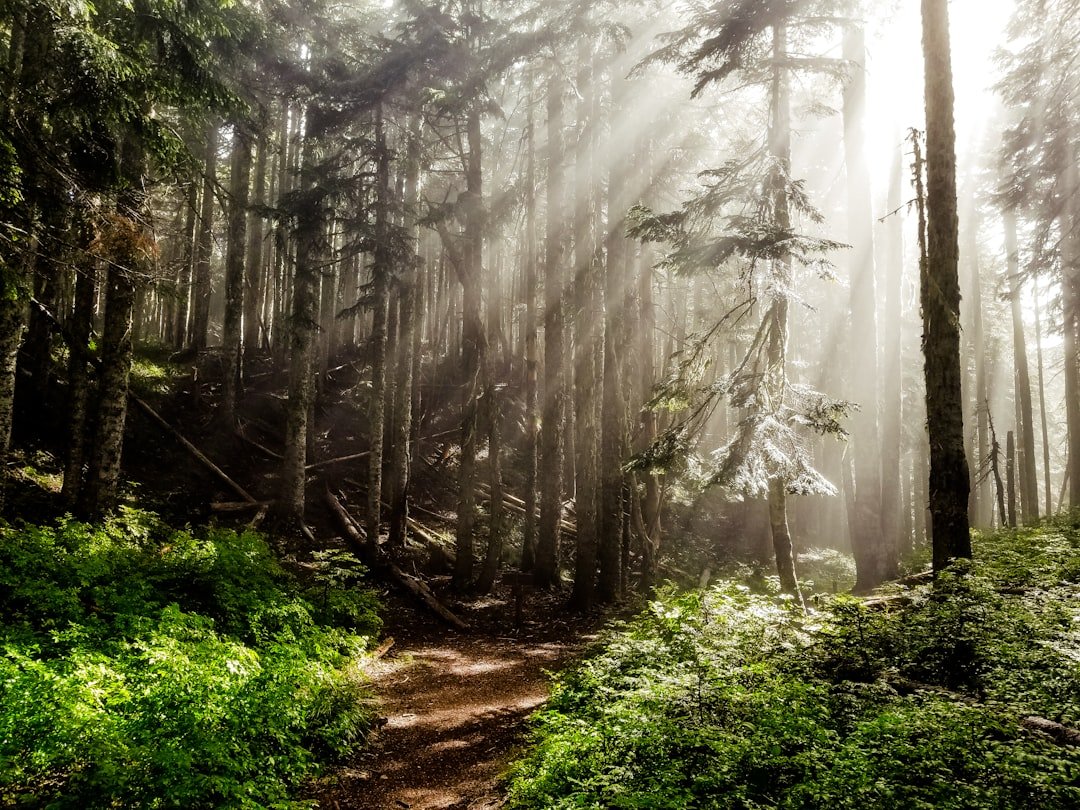
This is the only legal trail that gets you down to the water’s edge. It’s 2.2 miles round trip but drops 700 feet in elevation — which means the return trip is a calf-burner. The reward? You can actually touch the water, and if you’re brave enough (it’s about 55 degrees even in August), you can swim in the deepest lake in America. I dipped my feet in and decided that counted. A pair of lightweight trekking poles like the Cascade Mountain Tech will save your knees on the climb back up, especially if the trail has any residual snow or mud.
The Boat Tour and Wizard Island
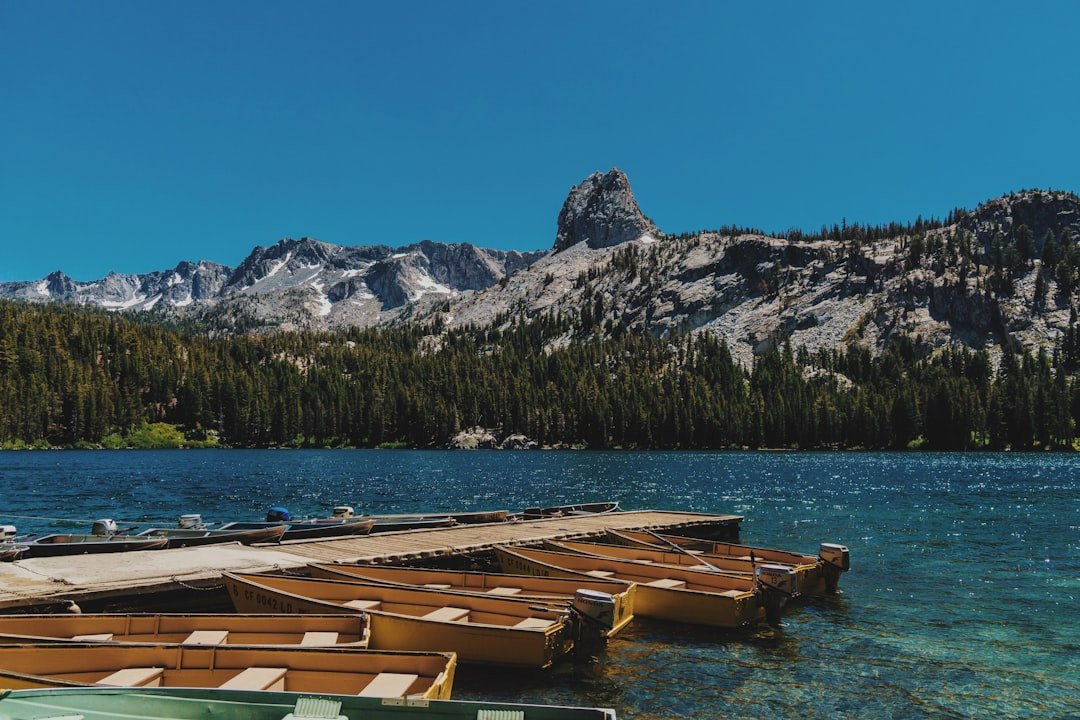
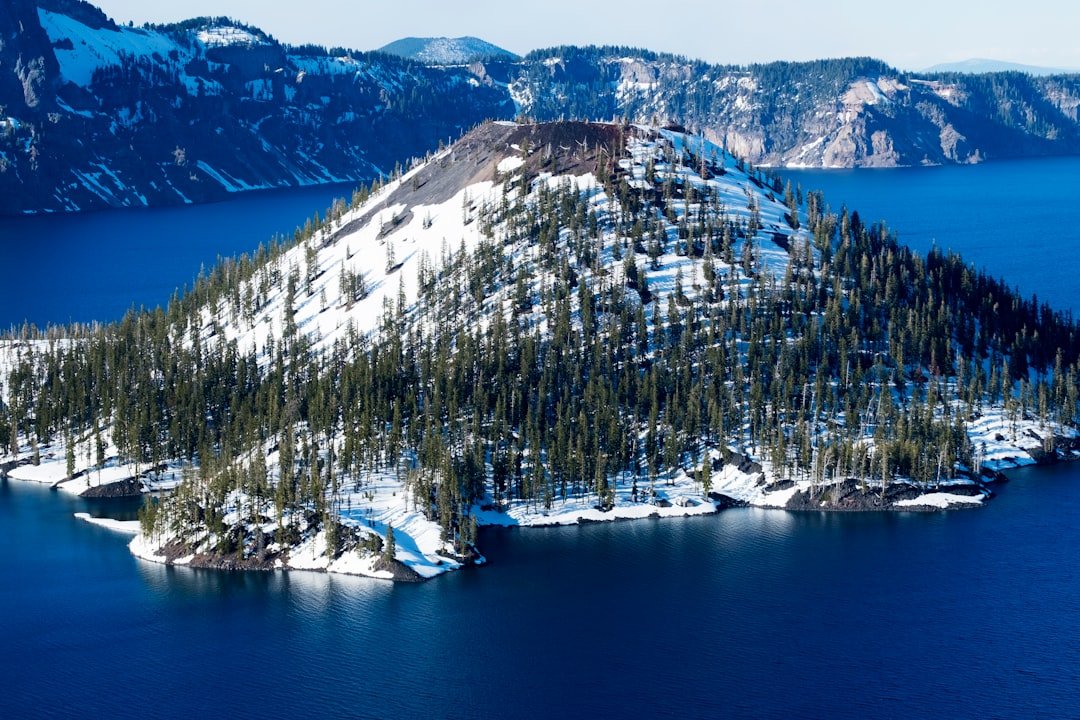
If there’s one splurge worth making at Crater Lake, it’s the boat tour. The concessionaire runs trips from Cleetwood Cove out onto the lake, circling Wizard Island and threading through the Phantom Ship — a 16-story rock formation that looks like a ghost vessel anchored in the blue. The two-hour tour gave me a perspective I simply couldn’t get from the rim. The cliffs rise vertically from the water, and from the lake surface you start to appreciate just how massive this caldera really is.
Some tours include an optional Wizard Island drop-off, where you get about three hours to explore the cinder cone on foot. Do this if you can. The hike to the summit of Wizard Island takes about 45 minutes and offers a bizarre experience: standing on a volcano, inside a volcano, looking out at a lake that fills the volcano you’re inside. It’s geological Inception. I was glad I had my polarized sunglasses — the glare off that water is intense, and regular lenses don’t cut it.
Driving Rim Drive: 33 Miles of Continuous Awe
Rim Drive circles the entire lake and every quarter mile offers another reason to pull over. The full 33-mile loop typically opens by mid-July, but even in June, the western portions are usually clear. Key stops include Discovery Point (where John Wesley Hillman first spotted the lake in 1853), the Cloudcap Overlook (highest point on the rim at nearly 8,000 feet), and the Pinnacle Overlook on the eastern side, where weird pumice spires called “fumaroles” stick out of the canyon walls like something from another planet.
Budget a full morning for the drive if you want to do it right — which means stopping at every viewpoint, reading the interpretive signs, and taking way too many photos. Staying hydrated at this altitude is critical; I kept a CamelBak insulated water bottle clipped to my pack and drained it twice. The air is dry, the sun is intense, and there’s almost no shade along the rim. A travel-size Coppertone Sport SPF 50 lives permanently in my daypack for exactly this reason.
Camping and Where to Stay
Crater Lake has two campgrounds within the park. Mazama Campground, near the south entrance, has over 200 sites and is generally open June through September. It’s well-maintained, reasonably private for a national park campground, and has flush toilets and running water — luxuries that matter more than you think after a day of hiking volcanic rock. Lost Creek Campground is smaller and more rustic, first-come-first-served, and sits in a beautiful old-growth forest setting.
If camping isn’t your thing, the historic Crater Lake Lodge at Rim Village is the premium option. It dates back to 1915 and sits right on the rim with stunning lake views from the common areas. Rooms are comfortable if not luxurious, and the location is unbeatable — you can literally walk out the front door and be at the rim in two minutes. Book well in advance, especially for summer weekends. Alternatively, the small town of Fort Klamath, about 20 minutes south of the park, has a few motels and cabins that are more budget-friendly.
Dark Skies and Night Sky Programs
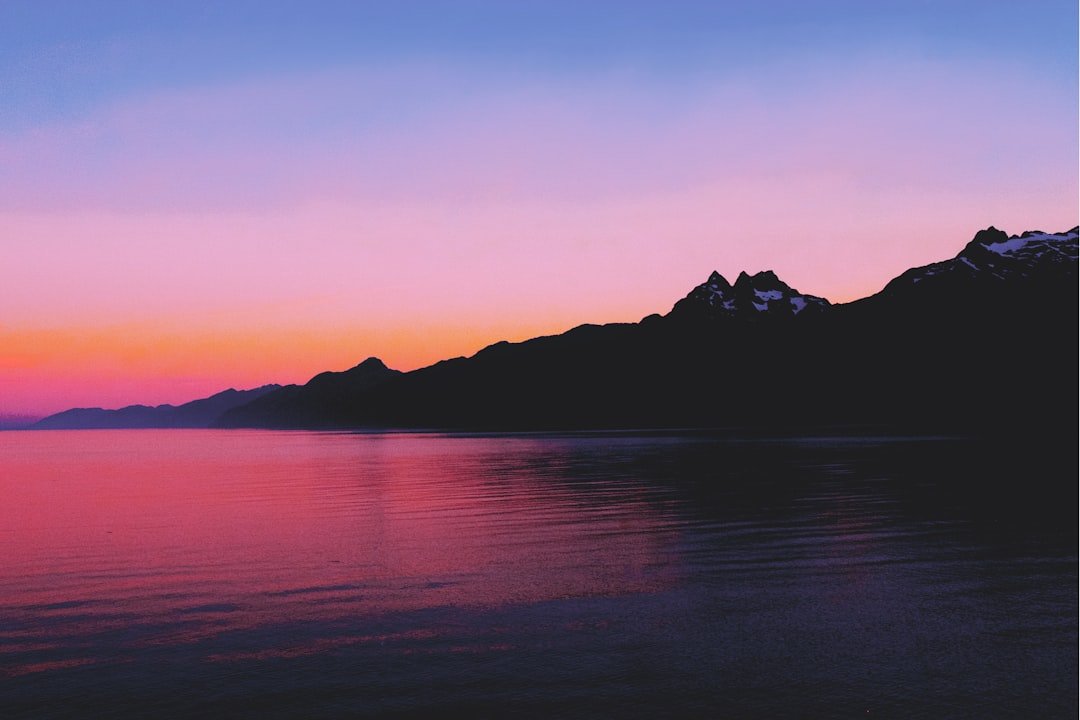
Here’s something most visitors miss: Crater Lake is a designated International Dark Sky Park, and the stargazing here is absolutely world-class. The nearest significant light source is over 50 miles away, and at 7,000 feet, you’re above a lot of atmospheric interference. The park runs regular ranger-led astronomy programs in summer, with telescopes set up at the Rim Village. Even without a telescope, the Milky Way is clearly visible stretching across the sky — something most Americans can no longer see from where they live.
I ended up staying for one of these programs on my last night, and it was honestly one of the highlights of the trip. The ranger pointed out constellations I’d only ever seen in books, and we watched satellites track across the sky while the lake reflected starlight far below us. If you’re into astrophotography or just want a humbling reminder of how small we are, plan at least one evening around it. For more dark-sky destinations, check out our guide to America’s best dark sky parks for summer stargazing.
Practical Tips I Wish I’d Known
First, cell service in the park is essentially nonexistent. Download maps and trail info before you arrive. Second, the east and north entrances have limited services — fill up on gas in Prospect or Fort Klamath before heading in. Third, the water from the lake is pristine but you’re not going to be filtering lake water on most trails; bring enough for a full day. I also carry a hydration backpack with a built-in water bladder on longer hikes — it’s more convenient than stopping to pull out a bottle every twenty minutes.
Wildlife is present but not aggressive. I saw deer, marmots, and a surprising number of ground squirrels that have clearly learned that tourists equal snacks (don’t feed them). Black bears exist in the park but sightings are rare near the rim. If you’re hiking the backcountry trails, standard bear awareness applies.
Finally, the volcanic pumice that makes up much of the trail surface is loose and slippery, even when dry. Good traction on your footwear matters more here than at many parks. Trekking poles aren’t just nice to have — collapsible poles like the TrailBuddy set give you confidence on the steeper sections, especially on Cleetwood Cove. And if you’re planning to extend your Oregon adventure, the drive from Crater Lake to Bend takes you through some gorgeous high-desert scenery that’s worth the trip on its own.
Why Crater Lake Belongs on Your 2026 List
There are 63 national parks in America, and I’ve been fortunate enough to visit a decent chunk of them. Crater Lake sits in that rare category of places that exceed their reputation rather than falling short of it. The blue is bluer than any photograph suggests. The scale is hard to process until you’re standing on the rim, looking down at a lake that could swallow a 60-story building without breaking the surface. And the combination of geological drama, pristine wilderness, and accessible adventure makes it one of the most complete national park experiences you can have in a single trip.
Go in June for solitude and snow. Go in July for wildflowers and full trail access. Go in August for swimming and boat tours. But go. Just make sure your sunscreen is packed and your phone has enough storage for about a thousand photos. You’re going to need it.
If you’re planning a broader Pacific Northwest park-hopping trip, Crater Lake pairs perfectly with a visit to Great Basin National Park to the southeast or Olympic National Park to the north. And for reliable hydration on any trail, our guide to the best portable water filters has you covered.