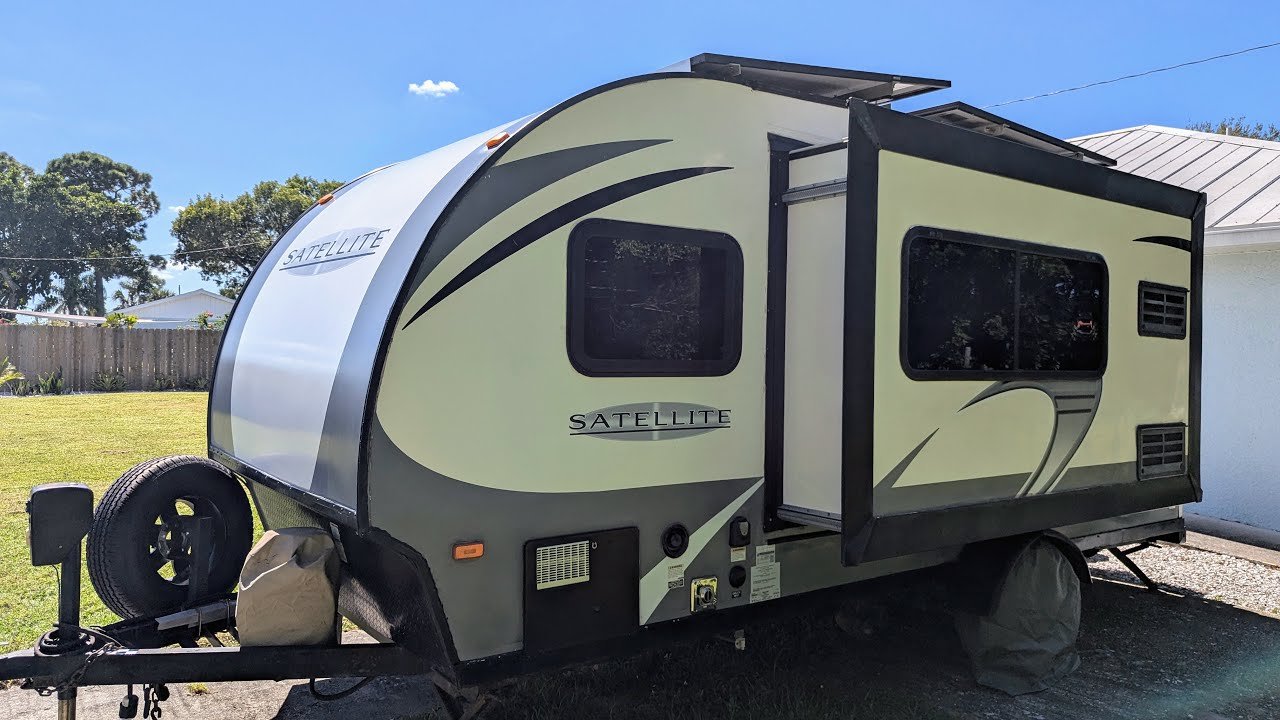
There’s a specific kind of freedom that comes with unhitching a travel trailer in the middle of nowhere, watching the sunset paint the desert walls, and knowing you have power, water, and climate control for the next week — no campground reservation, no hookups, no neighbors three feet away. That freedom doesn’t happen by accident. It’s engineered, one upgrade at a time, until your small trailer can do things most factory RVs only dream about.
The appeal of a small travel trailer has always been obvious: it’s towable by a half-ton truck, nimble enough to squeeze down forest service roads, and small enough to fit in that perfect dispersed camping spot between the boulders and the creek. But factory trailers are built for a very specific customer — one who plans to plug into shore power, connect to a city water spigot, and spend the evening under the awning at a $45/night RV park. For those of us who’d rather spend six weeks in Colorado without paying for a single campground, the factory setup needs work.
Starting With the Right Foundation
Not all small trailers make good off-grid candidates. The sweet spot is something in the 18-to-22-foot range — small enough to access tight spots, but large enough to carry meaningful battery capacity and water storage. A trailer around 20 feet long and 7.5 feet wide hits the balance between towability and livability. Look for fiberglass exterior walls with aluminum framing rather than heavy wood-sided construction; you want the lightest possible base weight because every pound you save on the trailer itself is a pound available for batteries, solar panels, and water.
Aerodynamics matter more than most people realize. A flat-front travel trailer punches a hole in the air that your tow vehicle has to fight against for every mile, burning fuel and reducing your effective range. Rounded front caps and streamlined profiles aren’t just about looks — they’re the difference between getting 14 MPG and 9 MPG on a long highway pull to the trailhead.

Before you even think about solar panels and battery banks, make sure your towing setup is dialed. A quality weight distribution hitch with sway control transforms how a small trailer tracks behind your truck, especially on windy desert highways where gusts try to push you around. It’s the kind of upgrade you don’t appreciate until you’ve driven 500 miles without one and then driven 500 miles with one — the difference is night and day.
The Solar Equation: More Watts Equals More Freedom
If there’s one upgrade that defines the transition from casual weekend camper to genuine off-grid traveler, it’s solar power. The question isn’t whether you need solar — it’s how much. And the answer is almost always more than you initially planned for.
A factory trailer might come with a single 100-watt panel mounted on the roof, which is enough to keep a single battery topped up between weekend trips. For real off-grid living, you want to think in the hundreds, not the tens. Covering the roof of a 20-foot trailer with 200 watts of monocrystalline solar panels is a starting point; 600 to 1,200 watts is where things get interesting. At that level, you’re generating enough electricity on a sunny day to run a refrigerator, charge devices, power lights, run a water pump, and even feed an air conditioner for a few hours.
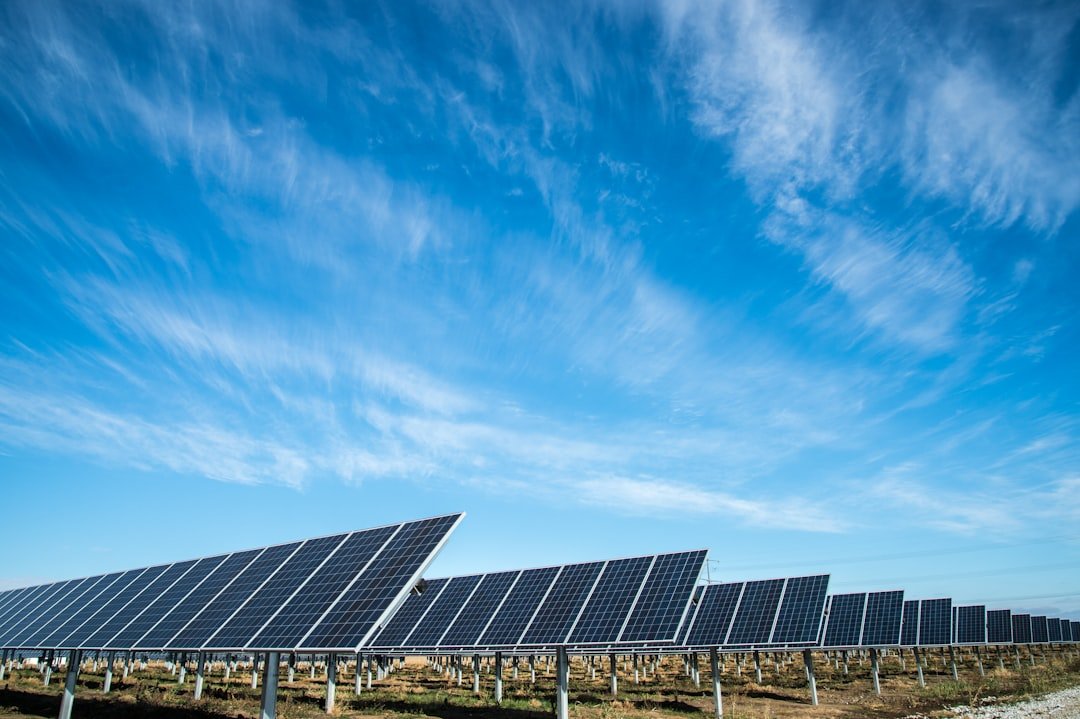
The key insight is that solar isn’t just about daytime power — it’s about refilling your battery bank so you have power through the night and through cloudy stretches. An expandable solar kit with a proper charge controller lets you start with a modest array and add panels as your budget and confidence grow. Look for MPPT controllers rather than PWM; they extract significantly more energy from the same panels, especially in partial shade conditions that are common when you’re camped under trees.
If you’re planning a roof layout, think about every component that needs sky access: solar panels, a vent fan for ventilation, maybe a satellite internet dish. Everything has to coexist on a limited amount of square footage. The most successful off-grid trailers treat the roof as precious real estate, with each item positioned to avoid shading the panels.
Building a Battery Bank That Actually Lasts
Solar panels without batteries are like a generator without a fuel tank — useful in the moment, but you can’t save anything for later. The battery bank is where your independence lives, and it’s also where most factory trailers cut corners.
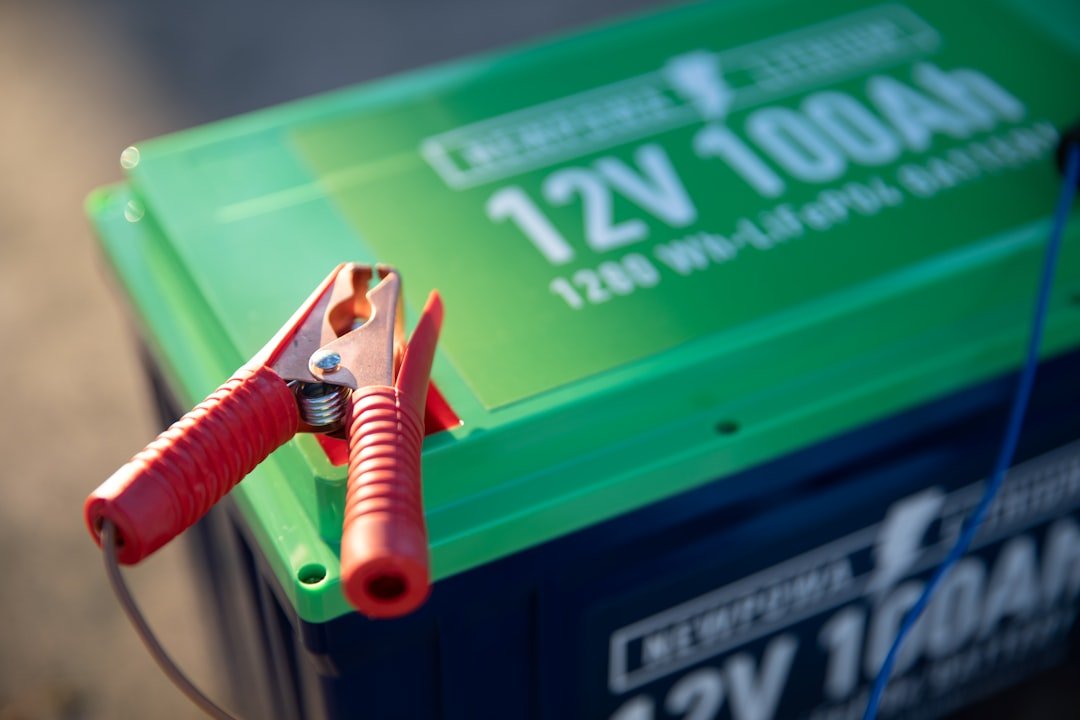
Lead-acid batteries used to be the default, but lithium iron phosphate (LiFePO4) has changed the math entirely. Lithium batteries are lighter, can be discharged to near-zero without damage, last thousands of cycles, and accept charge current far faster than lead-acid ever could. A 400-amp-hour lithium bank at 12 volts gives you roughly 5 kilowatt-hours of usable energy — enough to run a refrigerator for two days, a furnace fan overnight, lights, devices, and a water pump, all with zero input from solar.
The inverter is the other half of the equation. A pure sine wave inverter charger serves double duty: it converts battery power to clean AC electricity for household devices, and it manages charging from shore power or a generator when you do have access. Look for something in the 2,000 to 3,000-watt range, which handles most loads including microwave ovens and coffee makers. The charger function means that when you do occasionally plug in, your batteries get properly topped up rather than trickled.
Monitoring matters too. A good battery monitor with a shunt tells you exactly how much energy you have left, how fast you’re consuming it, and how much your solar panels are contributing. Flying blind on battery state is the fastest way to a dark trailer at 2 AM. The best monitors track state of charge percentage, voltage, current flow, and historical data so you can see patterns over days and weeks.
Water: The Other Thing That Runs Out
Power gets all the attention, but water is what actually limits how long you can stay. A typical small trailer might carry 20 to 40 gallons of fresh water, which sounds like a lot until you’re cooking, cleaning, and showering for two people over a week.
The trick isn’t just carrying more water — it’s using less. Low-flow showerheads, foot-pump sinks, and disciplined dishwashing habits can stretch a 25-gallon tank from a three-day supply to a week’s worth. Adding an inline water filter means you can safely refill from campground spigots, ranger stations, or even gas stations when you pass through civilization, extending your range indefinitely.

Gray water management is the flip side. Every gallon that comes out of the faucet has to go somewhere, and small trailers have small gray tanks. The math is simple: if your fresh water tank is 25 gallons, your gray tank should be at least that big. Some boondockers add portable gray water containers that can be wheeled to a dump station without moving the entire rig.
For the truly committed, an undermount tank installation can dramatically increase capacity without eating into interior storage space. It’s a more involved modification, but it means you can boondock for a full week or more without needing to find a dump station. Our guide to building a fresh water system for off-grid living covers the details that apply equally well to trailers.
Climate Control Without Shore Power
Keeping a small trailer comfortable in extreme temperatures is one of the biggest off-grid challenges. Traditional RV air conditioners draw enormous starting current and run continuously, which means they’re essentially incompatible with solar power unless your battery bank is massive.
A growing number of off-grid travelers are turning to mini-split heat pump systems that can run on inverter power. These units are dramatically more efficient than rooftop RV air conditioners — a 12,000 BTU mini-split might draw 800 watts while running, compared to 2,000+ watts for a traditional RV AC. They also provide heat in winter, eliminating the need for a separate propane furnace.
For heating, many boondockers stick with propane for simplicity. A catalytic heater is nearly 100% efficient and uses no electricity, making it ideal for off-grid cold weather. Just be sure to maintain ventilation — carbon monoxide is a real danger in small enclosed spaces. If your trailer has a furnace, the fan will be your biggest overnight power draw, which is where that battery bank really earns its keep.
The Trailer Advantage: Unhitch and Explore
Here’s where a travel trailer has a genuine advantage over a camper van or motorhome. When you arrive at your destination, you unhitch. Your tow vehicle is now free to explore fire roads, trailheads, and town supply runs while your home stays set up at camp with the awning out, chairs arranged, and the solar panels soaking up sun.

This isn’t a minor benefit. Van lifers have to break camp — stow loose items, retract the awning, secure everything — every time they want to drive somewhere. Trailer owners just unhook and go. For extended stays in one location, this is transformative. You can set up a proper outdoor living space with a weatherproof rug, camp chairs, a table, and a grill, creating a genuine outdoor room that doesn’t need to be packed up every morning.
Leveling is more important with a trailer than a van, since you’re parking on a frame that isn’t self-leveling. A set of interlocking leveling blocks is essential gear — they’re cheap, lightweight, and make the difference between sleeping on a slope and sleeping flat. Stack them like LEGOs under the low wheels until a bubble level shows you’re straight.
Portable Power for the Tow Vehicle
One often-overlooked advantage of a well-equipped trailer is that its battery bank can serve double duty. A substantial lithium battery system with a good inverter can charge your phones, laptops, cameras, and even your tow vehicle’s battery if needed. Some travelers carry a portable power station for day trips away from camp — it’s lighter than running cables from the trailer and gives you power on the trail, at a picnic area, or in the tow vehicle during a long drive.

If you’re considering the relationship between your tow vehicle and your trailer’s power system, charging while you drive is worth understanding. A DC-to-DC charger can feed your trailer’s house batteries from the alternator as you drive down the highway, meaning you arrive at your next campsite with a full battery bank even if the last few days were cloudy.
The Anatomy of a Perfect Off-Grid Trailer
After spending significant time in a modified off-grid trailer, the pattern becomes clear. The best setups share common traits: a roof covered in solar panels feeding a substantial lithium battery bank monitored by a real shunt-based meter, an inverter that can handle startup surges from appliances, a water system with enough capacity for a week between fills, and climate control that doesn’t require a generator.

None of this happens overnight. The beauty of a trailer build is that you can tackle one system at a time — solar first, then batteries, then water, then climate. Each upgrade incrementally expands your range, your comfort, and your independence. The goal isn’t to replicate a house on wheels. It’s to carry just enough of home into places that most people will never see, and to stay there long enough to really appreciate them.
If you’re just starting to explore off-grid travel, whether in a trailer or a van, understanding how much solar you actually need is the best place to begin. Once you’ve experienced the freedom of parking anywhere and powering everything, there’s no going back to the RV park.
1 thought on “Beyond the Hookup: What It Really Takes to Make a Small Travel Trailer Off-Grid Ready”