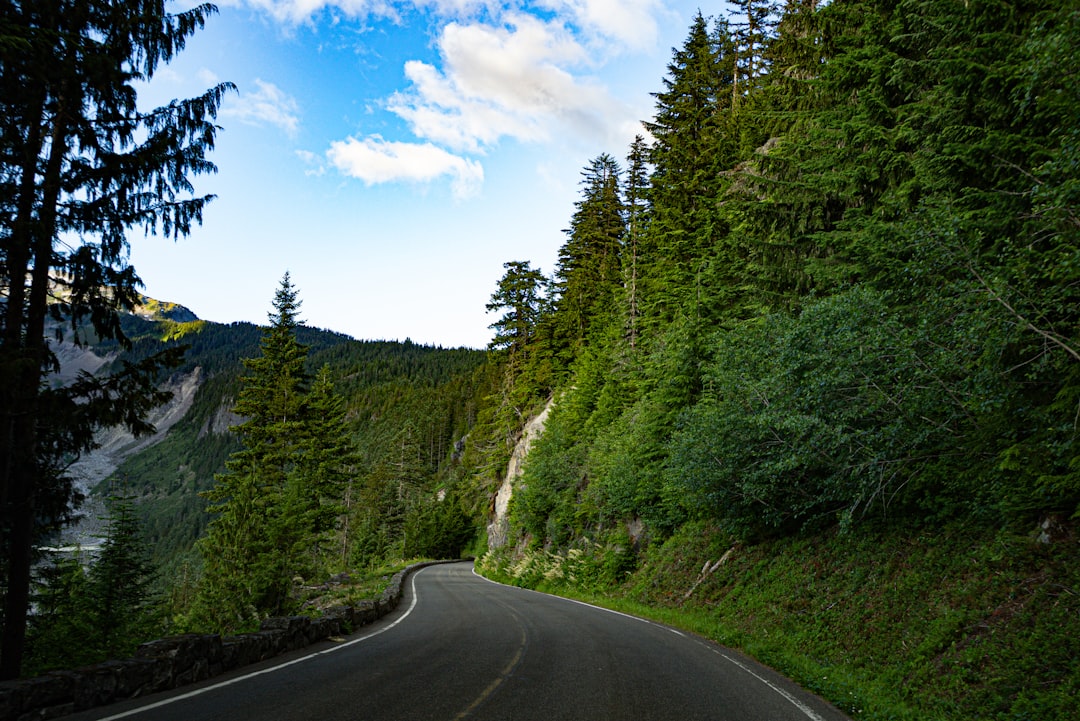
Every August, without fail, my inbox starts filling up with the same question from friends and readers: when should I book my fall trip? And every August, I give the same answer — wait for the forecast. This year we didn’t have to wait long. The Old Farmer’s Almanac just released its 2026 fall foliage map, and after spending a morning digging through it with my research team (and arguing about it over coffee), I can tell you the headline: if you want peak color, plan for late September in the north and high country, then watch the wave roll south through October and into early November.
That’s roughly in line with historical averages, which is genuinely good news. The last few years have thrown some curves — late frosts, drought-stressed maples, a September heat wave that kept everything green well past its usual cue. A “normal” year, as much as foliage ever obeys normal, is a gift. Here’s how I’d use the new forecast to plan a chase worth driving for.
What the 2026 Forecast Actually Says
The broad strokes are simple. Peak color typically begins in the northern states and at higher elevations first, then slides south and downhill over the following six weeks. For 2026, most destinations are expected to hit peak close to their historical averages, though the Almanac is careful — as it should be — to remind everyone that temperature, rainfall, and that first hard frost can shift things by several days in either direction.
My team pulled the regional breakdown into a spreadsheet so we could look for gaps and overlaps, and a few things jumped out. New England runs late September through late October, with northern Maine going first and the coasts going last. The Mid-Atlantic follows through mid-to-late October. The Great Lakes region stretches from late September all the way to late October. The Southern Appalachians hold court from mid-October into early November. And the West? The West plays by its own rules entirely, with peaks scattered from mid-September through October depending almost entirely on elevation.
If you take one planning principle from all of this, steal the best tip in the whole forecast: if your dates are fixed, choose your destination — not your dates. Somewhere in North America is at peak almost any week from mid-September through the first week of November. The trick is knowing where — and a dedicated fall foliage guide book doesn’t hurt for the glovebox, either.
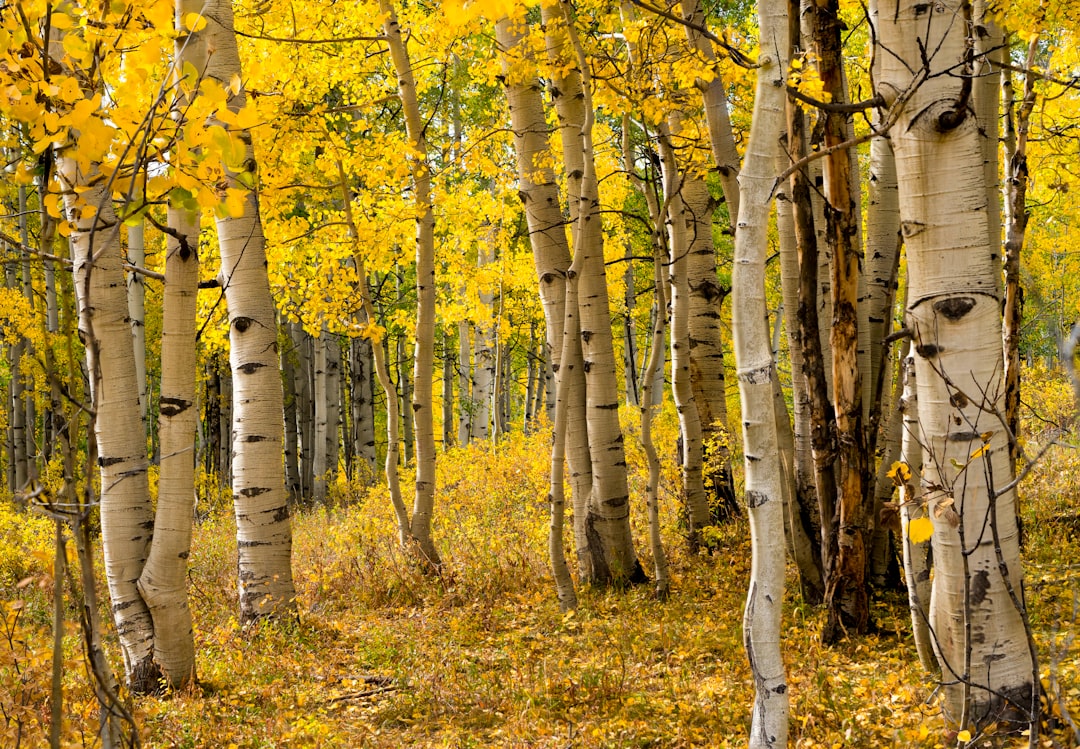
Worth repeating: a map is a probability, not a promise. I’ve stood in a Vermont valley on October 3rd watching green canopies while the ridge a thousand feet above me had already gone full crimson. Which brings me to the single most useful thing I’ve learned in a decade of chasing color.
Elevation Is the Real Calendar
Foliage maps treat regions like they change all at once, but leaves don’t read maps. They read altitude. Color arrives at the highest elevations first and walks downhill at roughly the pace you’d expect a cold front to travel. In the Rockies, that means aspen gold at 10,000 feet in mid-to-late September while valley floors stay green for another few weeks. In New England, the Green and White Mountains ignite a solid week or ten days before the coast.
I plan around this constantly. If I’m early for a region’s peak, I drive up. If I’m late, I drive down. On one memorable trip to northern New Mexico, my crew and I chased color across 4,000 vertical feet in a single afternoon — blazing gold at the top of the Enchanted Circle, still-green cottonwoods by the river in the evening. Same day, same forest, different zip codes of altitude.
The West makes this game the most dramatic. Aspen, larch, and cottonwood stands are elevation-layered across the mountain states, so a two-hour drive can put you three weeks forward or backward in foliage time. The forecast pegs Western peaks anywhere from mid-September through October, and both ends of that range are correct — depending on whether you’re standing at 11,000 feet or 5,000. One of my favorite early-fall hybrids is the Columbia River Gorge in September, where the maples in the mossy side canyons start turning while the waterfalls are still running strong from summer.
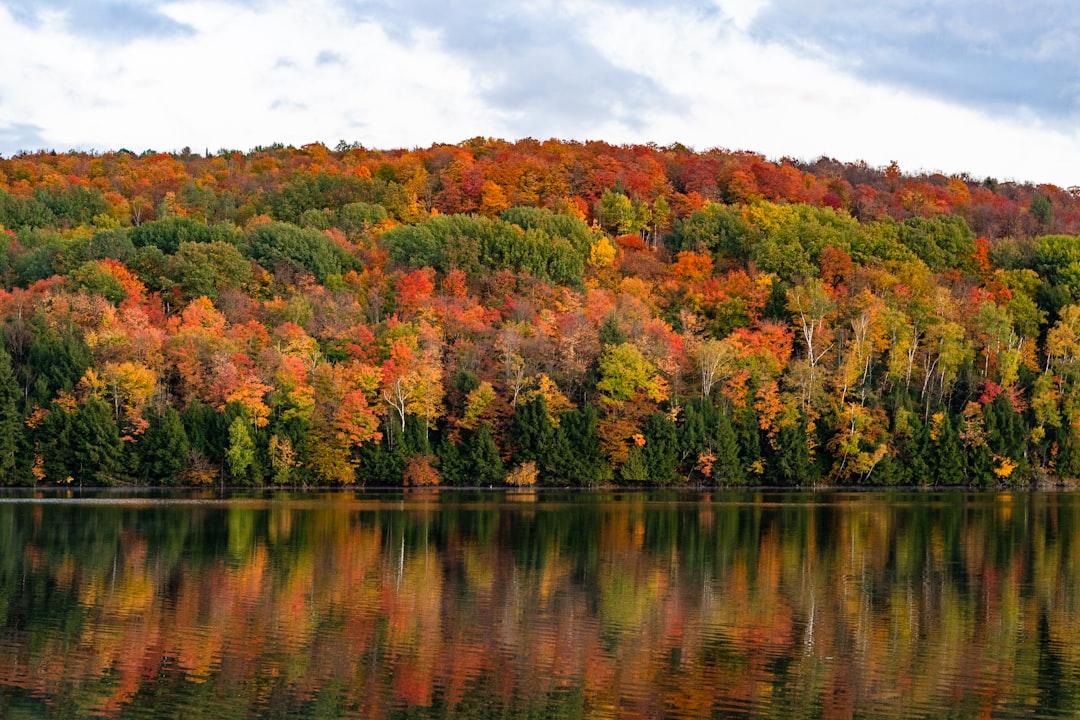
That gold you see in high-country aspen stands is worth planning a whole trip around. The Groves around Grand Teton and the northern Colorado byways are the classic plays, and the crowds there thin meaningfully once school’s back in session. My colleague swears by late September mornings near the Tetons — elk bugling in the distance, aspens lit up like struck matches. If you want proof, read our piece on Grand Teton in September; the same logic applies to Yellowstone’s elk-and-empty-boardwalks window that same week.
New England: The Opening Act
Let’s give New England its due, because it earns it. The region’s foliage reports go back over a decade, and the timing has stayed remarkably consistent — northern Maine flips in late September, the mountains of New Hampshire and Vermont follow in the first half of October, and the lakes and coasts finish the show by mid-to-late October. The Kancamagus Highway in New Hampshire and Vermont’s Route 100 get the headlines, and they deserve them, but they also get the traffic.
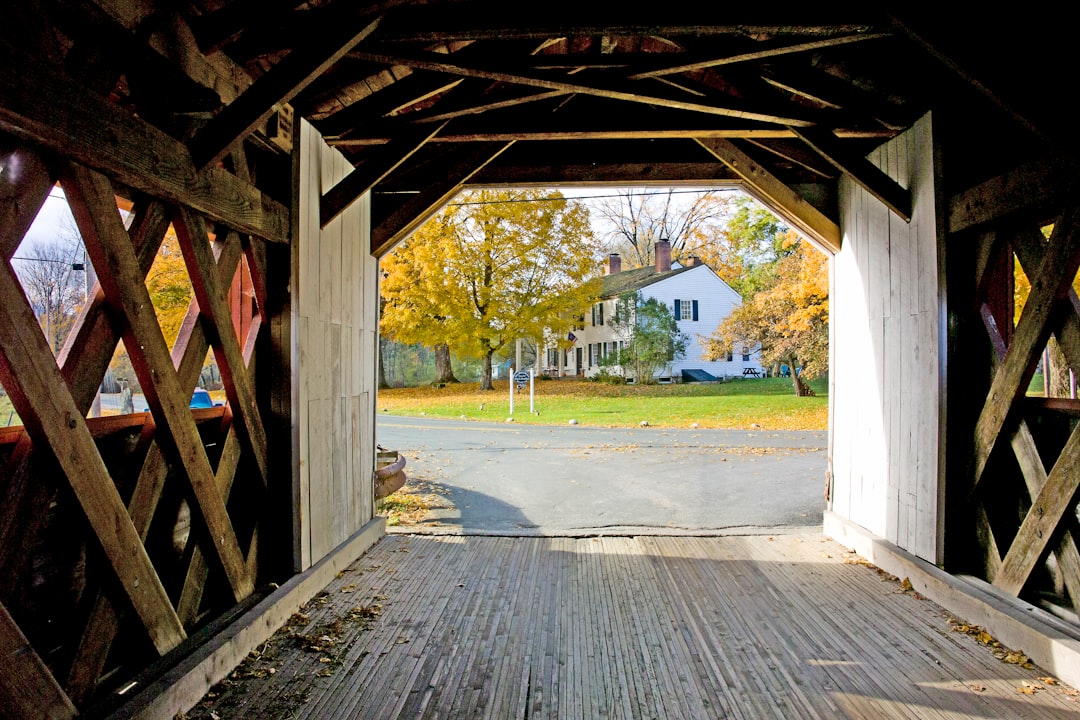
My honest advice after multiple seasons up there: use the famous byways as connective tissue and spend your actual time on the unpaved stuff between them. The covered bridges, the gravel town roads, the creamery with a line out the door — that’s where New England in October actually lives. My team has a running list of farm stands that are worth the detour, and I’d trade any scenic overlook for a good cider donut on a cold morning.
Book lodging the moment you commit to dates. The best small inns in the White Mountains and the Northeast Kingdom sell out for peak weekends by early September — sometimes sooner. If you’re reading this in late August and want Vermont in the first week of October, your options are already narrowing. This is the one region where I’d let the calendar, not the map, drive the decision.
The Quiet Weeks: Midwest and Great Lakes
Here’s the stretch nobody talks about enough. From late September through late October, the Great Lakes corridor puts on a show that rivals anything in New England, with a fraction of the crowds and dramatically cheaper rooms. Michigan’s Upper Peninsula peaks early — often by mid-October — with the color sweeping south through the Lower Peninsula and into Wisconsin and Minnesota behind it.
Pictured Rocks, the Porcupine Mountains, Minnesota’s North Shore: these are world-class autumn landscapes where you can still find a lakeside cabin on two weeks’ notice in most years. The maple-and-birch mix along Lake Superior runs heavy on golds and oranges, and when a blue-sky October day lights up that water, it’s as photogenic as anything in the country. I did the Duluth-to-Grand Portage drive one October and spent the entire week recalibrating my expectations of Midwest scenery.
The Southern Finale: Appalachians in Late October
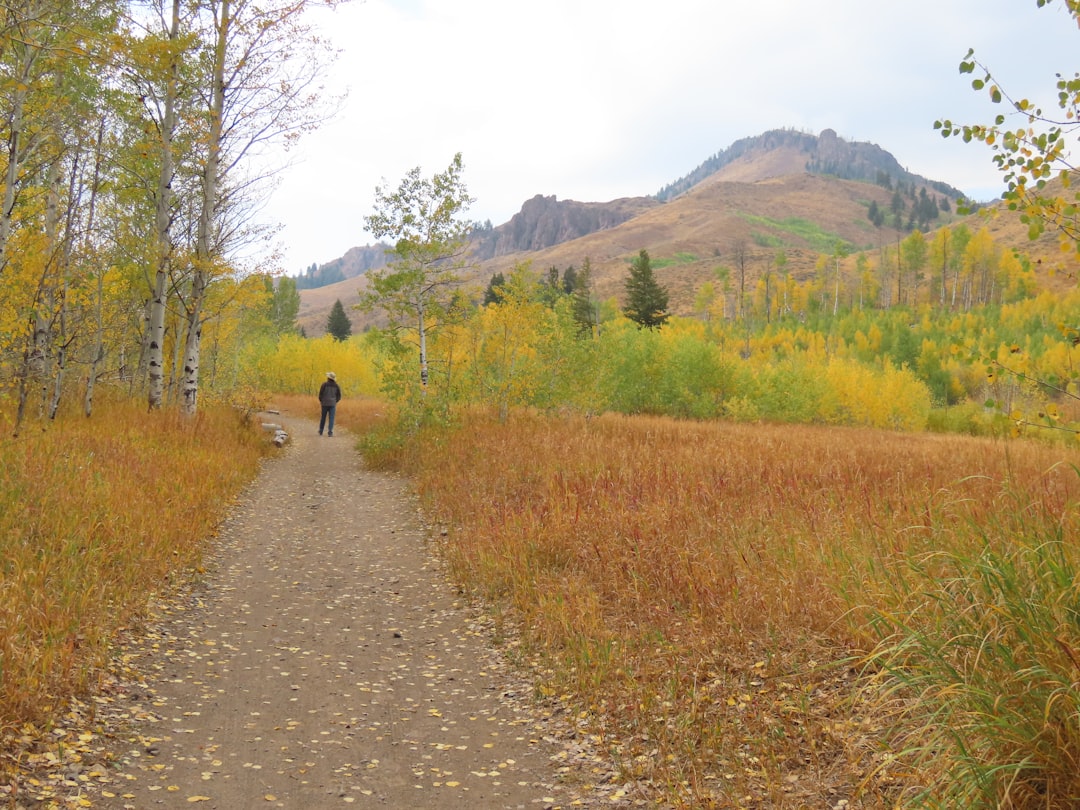
While everyone up north is raking leaves, the Southern Appalachians are just getting started. The Great Smoky Mountains and the Blue Ridge Parkway hit their stride from mid-October into early November, and because of that elevation game we talked about, the Smokies hold color somewhere in the park almost continuously for a month. Clingmans Dome goes first; the valley floors hold on until the maples finally let go in late October.
This is the foliage trip I recommend to people who can’t travel in early October — parents bound by school calendars, anyone with autumn work crunches. You get the color, the crisp air, and the long-range vistas once the humidity burns off, all without the New England booking scrum. there’s a reason we devoted a whole guide to the Blue Ridge Parkway in fall — it leans hard on the late-October window. If you missed it, it’s worth a read before you plan the drive.
Driving the Color: My Road Tactics
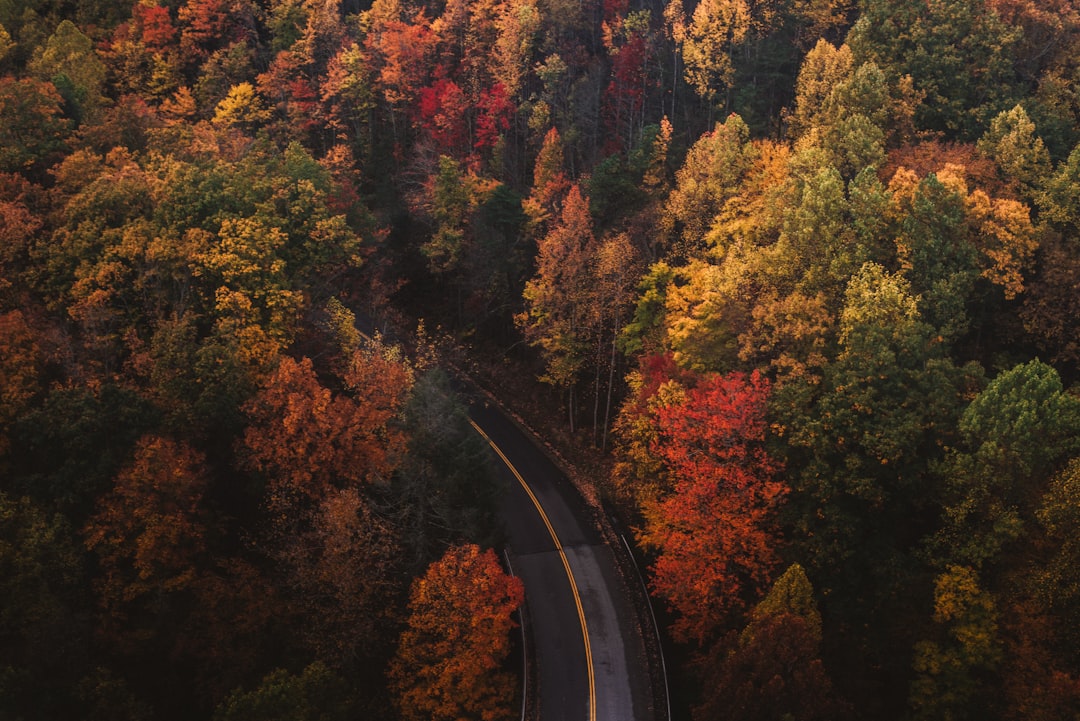
Foliage chasing is a road trip sport, and the difference between a good chase and a great one is mostly logistics. A few field-tested rules:
- Drive east in the morning, west in the afternoon. You want the sun behind your shoulder for photos, not in your windshield.
- Pull all the way off. Every foliage season, locals in Vermont and North Carolina watch photographers park half on a blind curve. Don’t be that person. There’s always a pull-off a quarter mile ahead.
- Let the gravel roads happen. Some of my best frames of the last few years came from a wrong turn that turned into a two-hour detour. Keep a paper atlas in the car for exactly this — cell coverage dies fast in mountain valleys, and a good road atlas of the U.S. doesn’t.
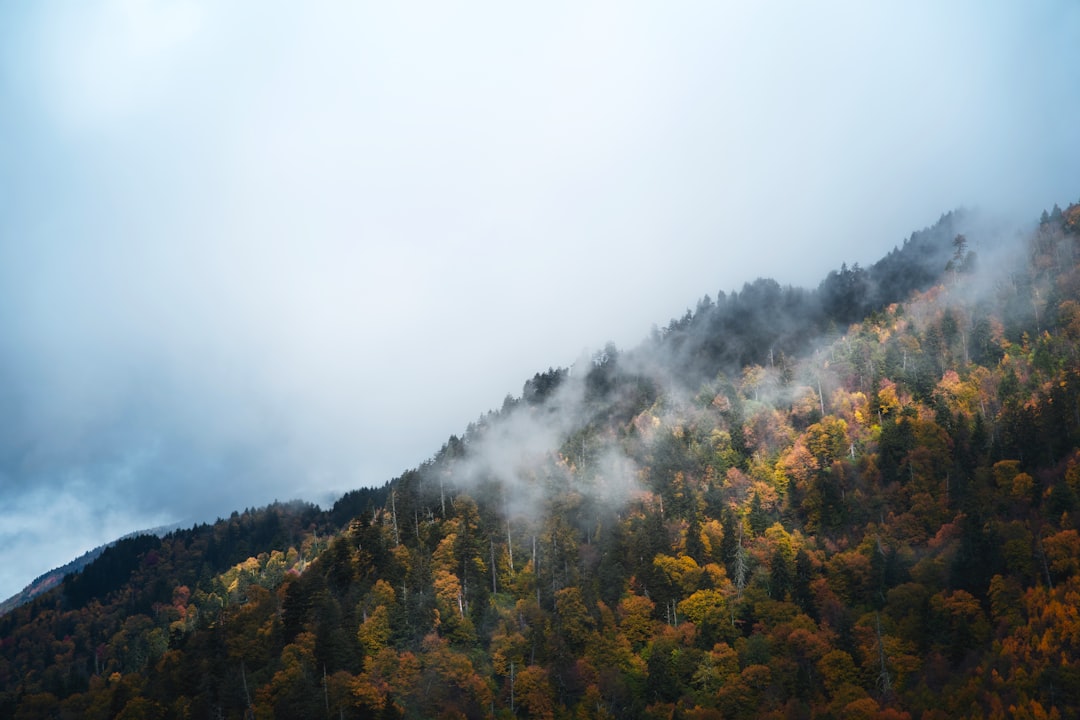
- Watch the mornings. Cold nights and clear mornings mean valley fog, and valley fog plus early color is a photographer’s jackpot. Set the alarm.
Comfort matters more than people expect, too. October in the mountains swings from 70-degree afternoons to below-freezing sunrises, so the car ends up as basecamp. A decent car organizer keeps the layers, snacks, and camera gear from avalanching across the back seat every time you stop, and a solid phone mount means navigation stays hands-free on twisty byways. My crew teases me about how seriously I take trunk logistics, and then they’re always the ones digging through their own mess for a beanie at 8,000 feet.
What’s in the Trunk: The Gear That Earns Its Spot
A few specifics, since people always ask. Layers are everything: a packable rain jacket handles the surprise mountain drizzle and doubles as a windbreaker at overlooks, and a wool beanie is the single highest-utility item in the bag once the sun drops. Long mornings at scenic pull-offs get genuinely cold, and there’s no dignity in shivering through a sunset you drove four hours for.
For the hike-to-the-overlook days, a proper lightweight daypack beats a tote bag every time — water, thermos, gloves, lens cloth. And bring the binoculars. This surprises people until they’re standing on a Blue Ridge overlook watching a hawk migration funnel past, or trying to decide whether that dark shape across the valley is an elk. A compact 10×42 pair lives in my car from September through November. Neither of us regrets it.
Photographers: skip the giant kit. One body, one zoom, a polarizing filter to cut leaf glare, and a lens cleaning kit for the misty mornings. I traveled with a full bag for years and now I just don’t. The coffee situation, however, is non-negotiable — an insulated travel mug means your thermos pour stays hot through a three-hour sunrise stakeout, and roadside cider stands take on a whole new significance when you’ve got something warm to drink it with.

And for the evenings back at camp or the cabin: a compact travel blanket and a packable chair turn any trailhead or lakeshore into a legitimate sunset-viewing seat. We keep both behind the driver’s seat all season. They’ve logged more foliage hours than some of my cameras.
The Bottom Line for 2026
Normal year, normal timing — that’s the forecast, and I’m taking it. Late September for the far north and the high Rockies. October for New England, the Great Lakes, and the mid-Atlantic as the month wears on. Mid-October into early November for the Southern Appalachians. Pick your week, match it to a region, then let elevation fine-tune your daily plan.
Check local foliage reports the week before you leave — state tourism offices in Vermont, New Hampshire, Maine, and North Carolina all publish weekly updates, and they’ll always beat a national map for the final call. The map gets you to the right state. The local report gets you to the right ridge.
And go. I say this every year because it’s true every year: the window is short, the leaves don’t negotiate, and there is no version of this where you regret the drive. See you out there.
13 thoughts on “The 2026 Fall Foliage Forecast Is Here: How to Plan a Leaf-Peeping Trip That Actually Hits Peak”