Why Great Smoky Mountains is America’s Spring Wildflower Capital
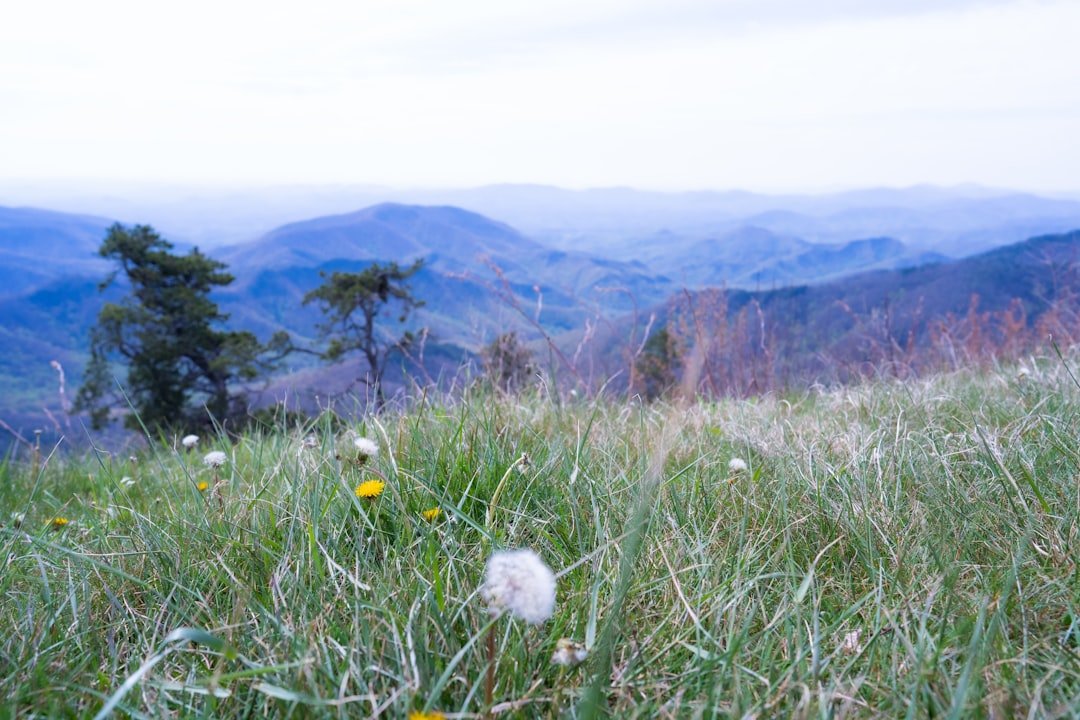
There’s a reason botanists and wildflower enthusiasts flock to the Great Smoky Mountains every spring. This isn’t just about pretty flowers—it’s about witnessing one of North America’s most spectacular natural displays. I’ve spent years chasing wildflowers across the country, from desert superblooms to alpine meadows, and nothing compares to the diversity and sheer abundance of what happens in the Smokies from March through May.
We’re talking over 1,500 species of flowering plants—more than any other national park in North America. The park’s unique geography, straddling the Tennessee-North Carolina border, creates this perfect storm of conditions: rich mountain soil, abundant rainfall, and elevation changes that allow different species to bloom at different times. The result? A rolling wave of color that starts in the valleys in March and doesn’t finish until the high peaks in June.
What makes the Smokies special isn’t just the quantity—it’s the accessibility. You don’t need to be a hardcore backpacker to see this show. Many of the best wildflower displays are right from roadside pullouts, short trails, and easy walks. I’ve taken my parents, who are in their seventies, to see trillium carpets and lady slipper orchids without any strenuous hiking. That’s rare in the wildflower world—usually the best displays require remote wilderness access.
The 2026 Spring Wildflower Timeline: When to Visit
Timing is everything when it comes to Great Smoky Mountains wildflowers. Miss the window by a week, and you’re looking at spent blooms or peak seasons that haven’t started yet. After years of tracking these patterns, I’ve learned to think of spring wildflower season as a three-act play, each with its own stars.
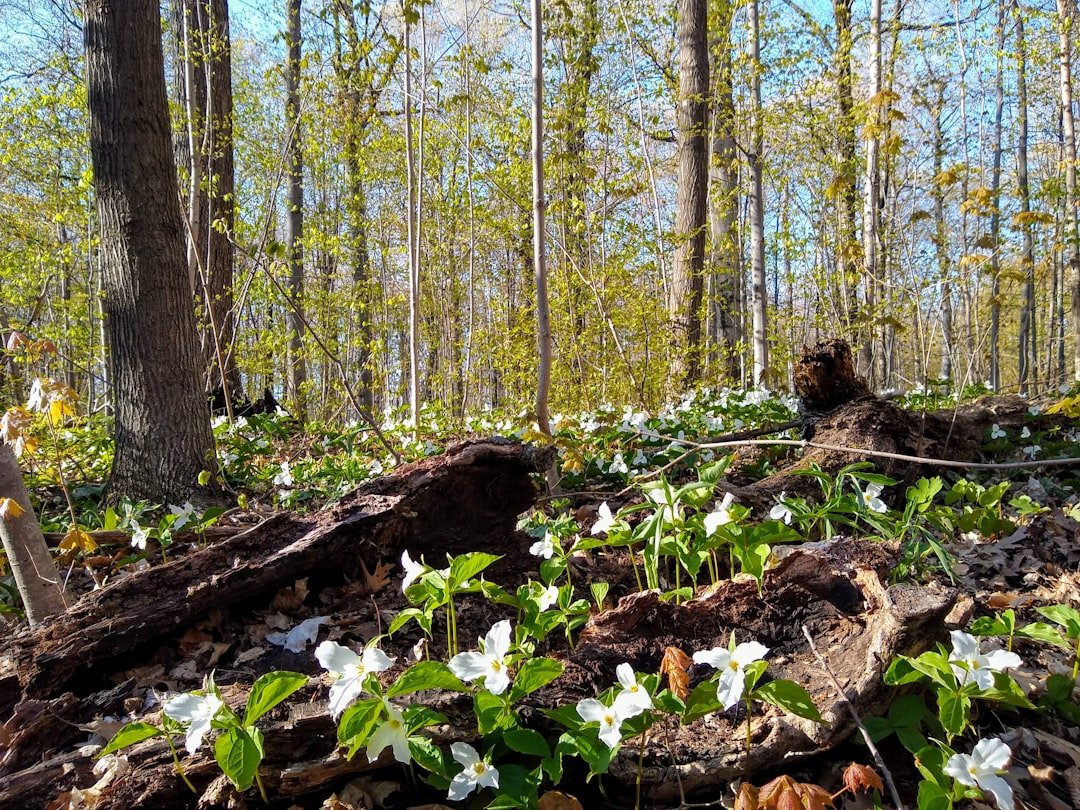
Early Spring (March 15 – April 10): This is when the magic begins. Lower elevation forests (below 3,000 feet) explode with what botanists call “spring ephemerals”—wildflowers that bloom, set seed, and disappear before the trees fully leaf out. You’ll see blankets of trillium (white, painted, and sweet Betsy), trout lilies with their speckled leaves, delicate spring beauties, and masses of rue anemone. The best spots during this window are Deep Creek, Porter’s Creek Trail, and the Lower Tremont area.
The temperatures can still be chilly—highs in the 50s—so pack layered hiking clothing that you can shed as the day warms up.
This is the sweet spot—the two weeks when the park puts on its most concentrated show. Mid-elevation trails (3,000-5,000 feet) showcase incredible diversity: lady slipper orchids (both pink and yellow varieties), showy orchids, jack-in-the-pulpit, columbine, and mountain laurel beginning to bloom. The famous Spring Wildflower Pilgrimage—attended by serious botanists from around the world—happens during this window for a reason. Trails like Albright Grove, Brushy Mountain Trail, and the upper sections of Chimney Tops trail deliver phenomenal displays. Weather is typically perfect—60s and 70s with occasional rain showers that make colors pop.
Late Spring (May 6 – May 31): As spring progresses, the bloom moves upslope. Higher elevation areas (above 5,000 feet) like Clingmans Dome, Newfound Gap Road, and the Appalachian Trail sections come alive with flame azaleas, Catawba rhododendron, and mountain laurel creating spectacular shows against mountain backdrops. This is when the park’s famous rhododendron thickets start their show, though full rhododendron season doesn’t peak until June. The crowds have thinned by late May, making it perfect if you want spectacular displays with fewer people.
For 2026 specifically, I’m predicting peak wildflower season will align with the April 15-25 window, based on winter precipitation patterns and warming trends. That said, nature doesn’t follow calendars—I’ve seen peak bloom shift by two weeks depending on spring temperatures. The key is flexibility: if you can visit during multiple weekends in April and May, you’ll catch different waves of the bloom.
The Best Wildflower Trails: My Proven Recommendations
After decades of Smokies hiking, I’ve narrowed down the best wildflower trails to a handful that consistently deliver. These aren’t just trails with flowers—they’re experiences that transform how you see forest ecosystems.
Deep Creek Trail (2-4 miles roundtrip, easy-moderate): This is my number-one recommendation for first-time Smokies wildflower seekers. The trail follows a cascading stream, and in spring, the forest floor becomes a carpet of white trillium, foamflower, and phacelia. What makes Deep Creek special is the variety—within a half-mile, you’ll see 20+ species.
The trail is relatively flat (some gentle grades), well-maintained, and has plenty of streamside spots perfect for wildflower photography. Pro tip: go early (before 9 AM) on spring weekends—this trail gets crowded, and early morning light creates magical conditions for photography. Bring comfortable waterproof boots—the trail can be muddy after spring rains.
Porter’s Creek Trail (3.5 miles roundtrip, moderate): Located in the Greenbrier area, this trail delivers one of the most concentrated wildflower displays in the entire park. The first mile is relatively flat and passes through old-growth forest with massive tulip poplars and oaks. In April, this section explodes with white fringed phacelia, creating what looks like snow on the forest floor. As you continue, you’ll encounter trillium, violets, wild ginger, and if you’re lucky, the rare pink lady slipper orchid. The trail culminates at an old homestead site and fern grotto—worth the hike even without the flowers. Note: the last half-mile has some elevation gain, so take your time and bring water.
Albright Grove Loop (3 miles roundtrip, moderate): This is my secret weapon for serious wildflower enthusiasts. The trail loops through old-growth forest with trees over 200 years old, creating a cathedral-like atmosphere. In spring, this ancient forest hosts some of the park’s most impressive wildflower colonies: massive patches of trillium (some clumps are 50+ years old), rare puttyroot orchids, and incredible displays of Jack-in-the-pulpit. The loop trail has some elevation change but nothing too strenuous. What makes Albright Grove special is the sense of untouched wilderness—you’re seeing the forest as it existed for centuries. The trailhead is relatively small, so crowds are minimal compared to more popular areas.
Schoolhouse Gap Trail (3 miles roundtrip, easy): If you want wildflowers without the crowds, this trail in the Townsend area is perfect. It follows an old roadbed through forest and meadow, creating diverse habitats that support different wildflower communities. In April and May, you’ll see large-flowered trillium, beaked violet, and wild geranium. The trail is relatively flat and well-maintained, making it perfect for families or anyone wanting a relaxed wildflower experience. The meadow sections offer different wildflowers than the forest—look for wood betony, wild strawberry, and common milkweed. This trail is also excellent for bird watching in spring—wildflower blooms coincide with migration, creating a double-feature experience.
Chimney Tops Trail (2.8 miles roundtrip, strenuous): Okay, hear me out—yes, this trail is steep (gains 1,700 feet in under 1.5 miles). But if you’re fit and want a payoff that includes spectacular views AND incredible wildflowers, it’s worth the effort. The trail climbs through multiple elevation zones, each with different wildflower communities. Lower sections feature trillium and phacelia, middle elevations showcase painted trillium and wild geranium, and near the summit you’ll find rare mountain species like dwarf ginseng and shale barren saxifrage. The 360-degree summit view is legendary, but the wildflower journey to get there is equally spectacular. Just be realistic about your fitness level—this is a serious climb with stairs and steep grades.
Wildflower Identification: What You’ll Actually See
Let me be honest: when I first started wildflower watching, I was overwhelmed by the variety. The Smokies have over 1,500 flowering species, and trying to identify everything felt impossible. But here’s what I’ve learned: you don’t need to know everything. Focus on the “show stoppers”—the species that create those spectacular displays—and learn maybe 10-15 key flowers. That knowledge transforms your experience from “looking at pretty flowers” to “understanding an ecosystem.”
Trillium: These are the Smokies’ superstars. Three main species dominate: white trillium (most common, forms massive colonies), painted trillium (deep red center, spectacular), and sweet Betsy (maroon-colored, fragrant). Trillium are fascinating because they’re very slow-growing—plants take 7-10 years to flower from seed, and colonies can be centuries old. When you see a massive trillium patch, you’re looking at something that predates European settlement.
Photograph them from above to show off their three-leaf structure, but please don’t pick—picking kills the plant, and it won’t return.
Lady Slipper Orchids: These are the crown jewels of Smokies wildflowers. The pink lady slipper looks like a tiny slipper pouch, while the yellow variety is equally spectacular.
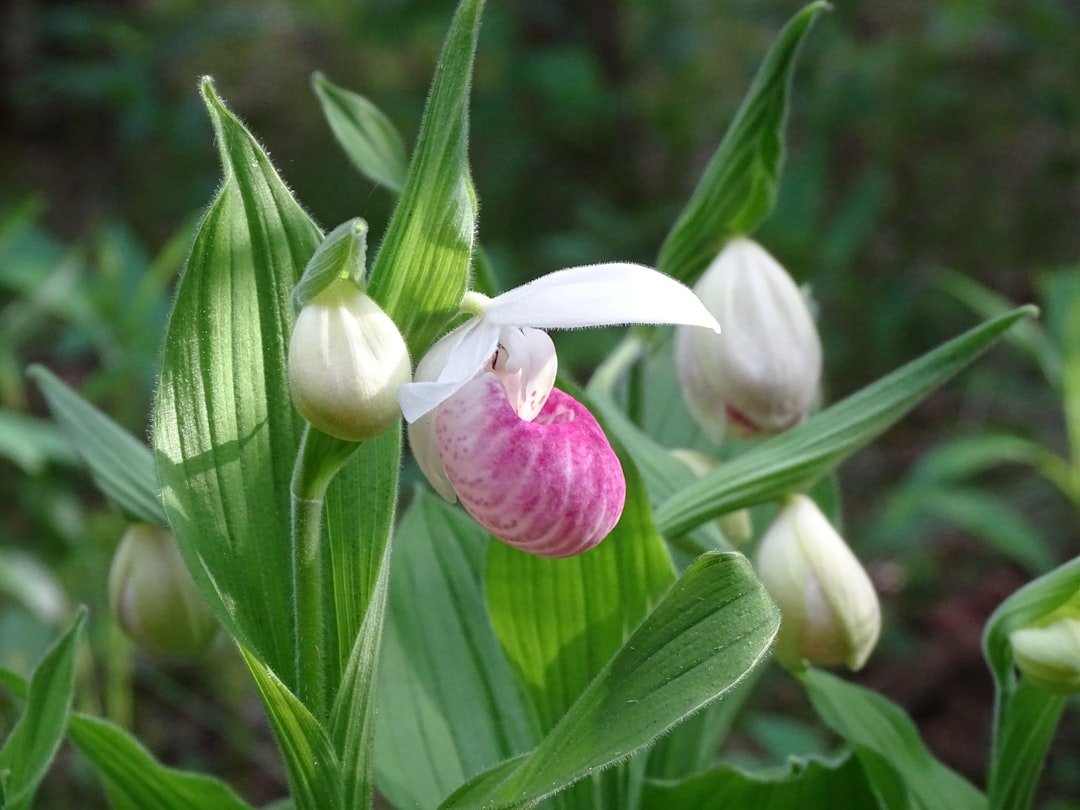
They’re relatively rare and often grow singly rather than in colonies. When you find one, it’s special—they’re picky about soil conditions and take years to mature from seed. I’ve spent entire hikes looking for lady slippers and found maybe three or four in a day. That scarcity makes each sighting feel like a gift. They’re most commonly found in mid-April on trails like Porter’s Creek and Albright Grove.
Spring Ephemerals: This group includes trout lily (named for speckled leaves that resemble trout), spring beauty (delicate pink-striped white flowers), Dutchman’s breeches (shaped like upside-down pantaloons), and rue anemone (star-shaped white flowers). What makes ephemerals special is their life cycle—they bloom, set seed, and disappear before trees leaf out, taking advantage of brief sunlight reaching the forest floor. You’ll see these mostly in March and early April. By May, they’ve vanished entirely, making way for later-blooming species.
Mountain Laurel and Rhododendron: These create the Smokies’ late spring shows. Mountain laurel blooms in May with intricate white-to-pink flowers, while Catawba rhododendron adds purple-pink splashes in late May to early June. The thickets can be so dense they create tunnels of color along trails. The best viewing for mountain laurel is mid-May on trails like Schoolhouse Gap and the upper sections of Chimney Tops. For rhododendron, wait until early June and check Roan Mountain (technically outside the park but accessible) and the higher elevations of Clingmans Dome Road.
Photography Tips That Actually Work
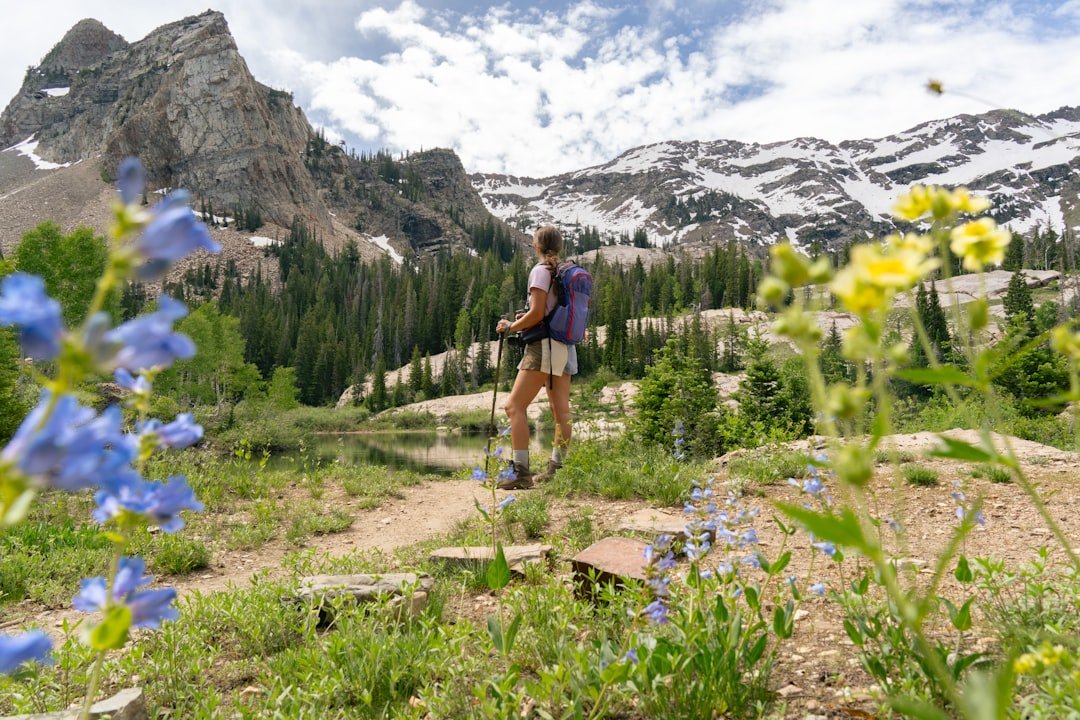
Wildflower photography in the Smokies presents specific challenges: dim forest light, wind movement, subjects low to the ground. After years of trial and error, I’ve developed techniques that consistently produce publishable images.
Shoot during “golden hour.” The hour after sunrise and before sunset provides soft, directional light that transforms wildflower photography. Midday sun creates harsh highlights and blown-out details on delicate petals. I’ve learned to wake up painfully early—arriving at trailheads by 6:30 AM—and the results are worth it. Morning light has a quality I can’t describe but recognize instantly when I see it in photographs. Plus, you’ll have trails to yourself before the crowds arrive.
Use a small aperture for depth of field. When you’re shooting close-ups of individual flowers, you want the entire flower in focus but the background blurred. An aperture of f/8 to f/16 typically achieves this. A lightweight travel tripod is almost mandatory for these shots—forest light is dim, requiring slow shutter speeds that are impossible to hand-hold sharply. Yes, carrying a tripod adds weight. But the difference in image quality is dramatic. I use a carbon fiber model that weighs under two pounds and packs down small.
Get low. Most wildflowers grow close to the ground, and the best photographs are at their level. I’m talking literally lying on the ground—positioning your camera at flower height creates intimate portraits that standing shots can’t match. Bring a garbage bag or small tarp to lie on—the forest floor is damp in spring. Some of my favorite wildflower photos were taken while flat on my back, shooting upward at trillium against a backdrop of emerging tree leaves.
Include context. While close-ups are spectacular, don’t neglect wider shots that show wildflowers in their forest environment. These “habitat shots” tell a more complete story—you see not just the flower but the relationship between blooms, trees, light, and terrain. I’ll often shoot both: tight close-ups of individual specimens, then wider compositions showing colonies blanketing the forest floor. The variety creates a more compelling photo essay.
Respect the flowers. I shouldn’t have to say this, but every year I see people trampling flowers to get “the shot.” Don’t be that person. Stay on trails even if it means not getting the perfect angle. Never pick flowers (many are protected species, and picking kills the plant). If you need to move off-trail for a shot, find a spot that’s already bare rock or gravel—don’t crush delicate blooms. The Smokies visit 12 million people annually—if everyone trampled flowers, there’d be nothing left. Photograph responsibly so future generations can see what we’re seeing.
Planning Your Smokies Wildflower Trip
Successful wildflower trips require more than just showing up at the right time. After years of Smokies spring visits, I’ve refined a planning approach that maximizes wildflower viewing while minimizing hassles.
Accommodations: Book early. Spring is a surprisingly busy time in the Smokies—wildflower enthusiasts, spring break families, and early-season tourists all converge. I reserve lodgings at least 2-3 months in advance, especially for April weekends. Gateway towns like Gatlinburg, Pigeon Forge, and Townsend offer the most options, but they’re not created equal. Townsend is quieter and closer to some of the best wildflower trails (Greenbrier area). Gatlinburg has more amenities but heavier traffic. Choose based on your priorities—peaceful base camp vs. restaurant and shopping options.
Pack for variable weather. Spring in the Smokies is notoriously fickle. I’ve experienced 70°F sunny days and snow flurries within the same 24-hour period in April. Layering is non-negotiable: I start with moisture-wicking base layers, add a fleece midlayer, and top with a waterproof rain shell. This system handles everything from chilly mornings to warm afternoons. Footwear is critical—spring rains leave trails muddy and slick. I always wear waterproof hiking boots with ankle support. Trail runners might be fine in dry conditions, but spring mud demands proper boots.
Start early. I’ve mentioned this before, but it bears repeating: early morning is when the Smokies feel magical. The light is better, the wildlife is more active, and you’ll have trails largely to yourself. I’m at trailheads by 7:30 AM on spring weekends. Yes, it requires getting up early. But the experience quality is dramatically better than midday hiking when trails are crowded and light is harsh. Plus, many wildflowers close up in afternoon heat or bright sun—morning visits catch them fully open.
Bring the right gear. Beyond clothing, a few items make wildflower trips significantly more enjoyable. A daypack with rain cover carries water, snacks, and layers. Plenty of water is non-negotiable—spring temperatures can be deceptively warm, and elevation gains sneak up on you. I carry at least 2 liters for longer hikes. A compact pair of binoculars enhances the experience—wildflower blooms coincide with spring bird migration, and you’ll spot warblers, tanagers, and other colorful birds. A basic wildflower guide (either app or book) helps with identification—I still use the laminated fold-out guide from park visitor centers, and it’s served me well for years.
Know your limits. Some of the best wildflower trails have significant elevation gain. Chimney Tops is strenuous. Albright Grove has some steep sections. There’s no shame in choosing easier trails—Deep Creek and Schoolhouse Gap deliver spectacular wildflowers without the lung-busting climbs. I’ve seen plenty of people turn around halfway up Chimney Tops, exhausted and not enjoying themselves. Better to have a fantastic experience on an easy trail than a miserable one on a difficult trail.
Extended Trip Ideas: Beyond Wildflowers
While wildflowers are certainly worthy of a dedicated trip, the Smokies in spring offer so much more. Here’s how I build a multi-day experience that maximizes everything the season offers.
Day 1: Arrival and Easy Acclimation. Arrive in Gatlinburg or Townsend, check in, and hit an easy trail like Deep Creek or Sugarlands Valley Nature Trail. These flat walks get you oriented to Smokies wildflowers without exhausting you after travel. Spend the afternoon exploring downtown Gatlinburg—yes, it’s touristy, but there are excellent local restaurants and you’ll want to pick up supplies for tomorrow’s more serious hiking.
Day 2: The Big Wildflower Day. Choose one signature trail based on your fitness level—Porter’s Creek for moderate hikers, Albright Grove for experienced hikers, Schoolhouse Gap for those wanting an easier experience. Start early (7:30 AM), spend 3-4 hours on the trail, then reward yourself with a nice lunch in Townsend. Afternoon: visit the Sugarlands Visitor Center for their wildflower display (they have labeled specimens of common species) and pick up trail maps for tomorrow. Evening: relax at your lodging—your feet will thank you.
Day 3: Waterfalls and Wildlife. Spring isn’t just about wildflowers—it’s waterfall season too. Combine your wildflower interests with waterfall chasing on trails like Laurel Falls (easy, paved) or Grotto Falls (moderate, you can walk behind the waterfall). Both trails also have excellent wildflower displays.

Afternoon: drive Newfound Gap Road for spectacular views and stopping at pullouts for different elevation wildflower zones. Evening: Cades Cove for sunset wildlife viewing—white-tailed deer, wild turkeys, and if you’re lucky, black bears emerging from winter dormancy.
This three-day structure delivers the full Smokies spring experience: wildflowers, waterfalls, wildlife, scenic drives, and a mix of hiking intensities. You’ll see why spring locals consider this their secret season—better weather than summer, thinner crowds than fall, and that explosion of life that only happens when mountains wake from winter.
Why Spring Wildflowers Matter More Than You Think
I want to pause here and talk about why wildflowers are worth more than just pretty pictures. What you’re witnessing in the Smokies each spring is an ecological event that’s been repeating for millennia, and understanding that context transforms the experience from scenic to profound.
Spring wildflowers are about timing and relationships. These plants have evolved to bloom during a narrow window when sunlight reaches the forest floor (before trees leaf out), when pollinators are emerging, and when soil moisture is abundant. The fact that 1,500+ species have carved out slightly different niches within this window—some blooming in March, others in May, some in full sun, others in deep shade—is evolution operating at a spectacular scale.
What you’re seeing is also biodiversity in action. The Smokies’ incredible plant diversity supports an equally diverse animal community. Those wildflowers feed emerging pollinators (bees, butterflies, moths), which in turn feed migrating birds arriving from Central America. Remove one piece of this puzzle—wildflowers, pollinators, birds—and the entire system stutters. When you’re standing in a trillium colony, you’re not just looking at flowers—you’re looking at a food web that’s been fine-tuned over thousands of years.
There’s also a climate change story playing out in real time. Scientists have documented that spring wildflowers are blooming earlier than they did 50 years ago—sometimes by two weeks or more—as temperatures warm. This timing shift creates “phenological mismatch” situations where flowers bloom before their pollinators emerge, or birds arrive after insect peaks. The great tragedy is that we might be witnessing the last generation of some wildflower displays as climate patterns shift. That sounds dire, but it’s also motivation: see these displays now, while they’re still spectacular. Support conservation efforts. Tread lightly. These aren’t guaranteed to last forever.
The Unspoken Reality: Crowds and Expectations
I need to be honest about what to expect. The Smokies are the most visited national park in America—12 million people annually. Spring wildflower season, while not as crowded as July, still draws serious numbers. You will not have trails to yourself (except at dawn). You will see other photographers. You will encounter people who don’t share your wildflower passion and are just out for a walk.
But here’s the counterintuitive truth I’ve learned: the crowds cluster in predictable places. Famous trails like Laurel Falls and Abrams Falls will be packed. But lesser-known trails like Albright Grove and Schoolhouse Gap, even during peak wildflower season, offer relative solitude. Learn which trailheads have small parking lots (natural crowd limiters) and start early. I’ve had entire sections of Porter’s Creek Trail to myself at 7:30 AM on a Saturday in April. By 11 AM, it was a parade. The early bird really does get the wildflower worm.
Also, adjust your expectations. You’re not going to see every species. Some years, peak bloom comes early. Other years, late. Weather affects displays—a hard freeze can damage delicate blooms. I’ve had trips where I saw hundreds of lady slipper orchids, and trips where I saw exactly two. That’s part of the wildflower experience—it’s not a guaranteed show like a museum exhibit. It’s nature, and nature runs on its own schedule.
What I can guarantee: even a “bad” wildflower year in the Smokies is better than a “good” year almost anywhere else. The park’s diversity is so high that even if you miss peak trillium, you’ll catch mountain laurel. If the lady slippers aren’t blooming, the showy orchids might be. There’s always something flowering from March through May. You just need to be flexible and appreciate what’s happening, not what you thought should happen.
Start Planning Your 2026 Great Smoky Mountains Wildflower Adventure
Spring 2026 is shaping up to be an excellent wildflower year in the Great Smoky Mountains. Above-average winter rainfall, combined with warming spring temperatures, should create spectacular displays across all elevation zones. The park’s wildflower forecasting tools predict peak bloom in the April 15-25 window, with early species starting in mid-March and late species blooming through May.
Book soon—spring accommodations fill up faster than you’d think, especially for weekends. Choose your base town based on the trails you want to hit most—Townsend for Greenbrier area access, Gatlinburg for central park access. Pack layers, waterproof boots, and that lightweight tripod you’ve been meaning to buy. Download offline maps (cell service is spotty in the park). And most importantly: arrive early, move slowly, and actually look at what you’re seeing.
The wildflowers will be there whether you show up or not. But when you do—when you stand in a forest cathedral surrounded by thousands of trillium, or spot a rare lady slipper orchid blooming beside a mountain stream—you’re participating in one of North America’s great natural spectacles. These displays have been playing out for millennia, and they’ll continue long after we’re gone. But the difference is you’ll have seen them. You’ll have experienced that brief, magical window when the Smokies wake from winter and put on a show that no photograph fully captures.
So here’s my question: which trail will you hike first? The forest floor is waiting. And in April and May 2026, it’s going to be spectacular.
3 thoughts on “Great Smoky Mountains Spring Wildflower Guide: Best Trails, Viewing Tips, and April-May 2026 Timing”