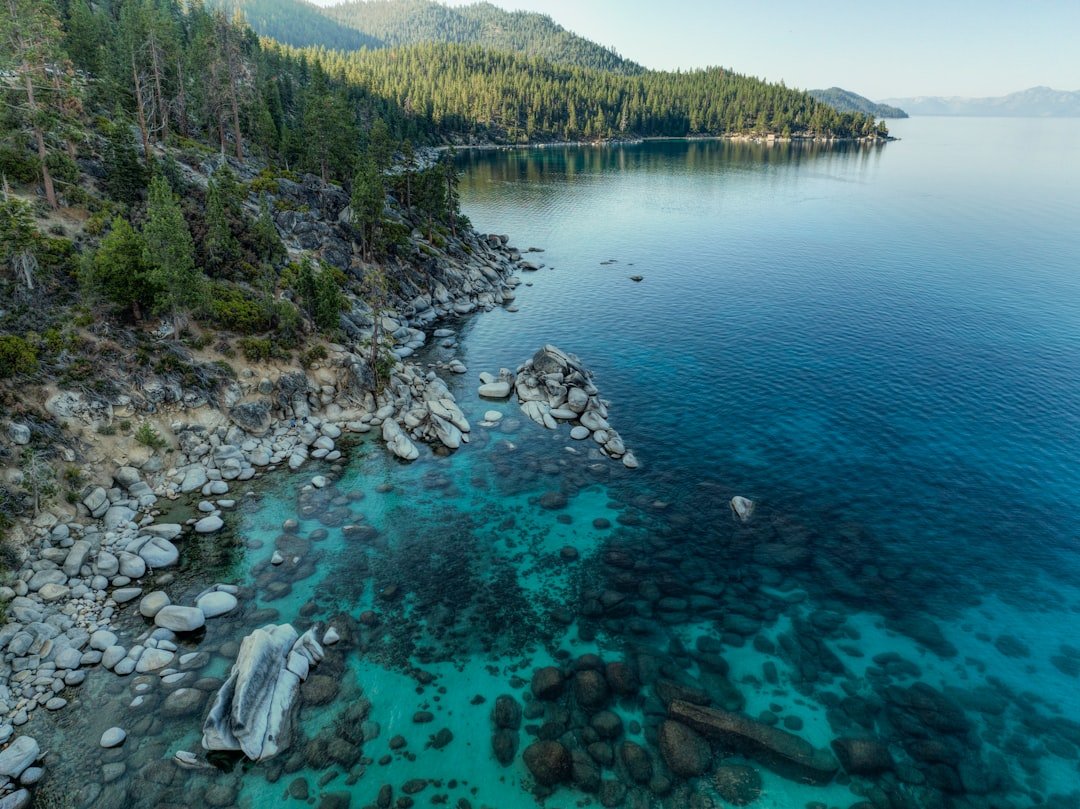
I’ve been to a lot of mountain lakes. Living out of a van for the better part of two years means I’ve dipped my toes in alpine water from Glacier to Banff, and most of them blur together after a while. But Lake Tahoe is different. The first time I crested the ridge on Highway 50 and saw that impossible blue stretching out below me, I actually pulled over and sat on the hood of my van for ten minutes just staring. It wasn’t the kind of blue you see in postcards. It was deeper, almost unreal, like somebody had cranked the saturation on the entire Sierra Nevada.
That was three summers ago. I’ve been back every June since, and I’ve learned that Tahoe rewards repeat visitors who figure out its rhythms. The crowds, the parking, the secret beaches that locals pretend don’t exist — it all follows a pattern. Here’s what I wish somebody had told me before my first trip.
Why June Is the Sweet Spot
Most people plan Tahoe trips for July or August, and honestly, that’s a mistake. June is when the lake is at its most dramatic. The snowmelt is still feeding the streams, waterfalls along the east shore are roaring, and the high country trails that have been buried since October finally open up. Wildflowers carpet the meadows around Desolation Wilderness, and the air has that crisp mountain quality that disappears by mid-July when the valley heat creeps in.
The other advantage is practical: you can actually find parking. By July 4th weekend, the lots at Emerald Bay and Sand Harbor fill by 8 AM. In June, you can roll up at 10 and still grab a spot. Hotel rates are noticeably lower too — I’m talking 20-30% cheaper than peak summer pricing. If you’re looking to visit natural destinations without breaking the bank, shoulder season is always your friend.
One caveat: June weather at Tahoe is unpredictable. I’ve had days where I was swimming in 75-degree sunshine and evenings where I needed a puffy jacket at 9,000 feet. Bring layers. Always bring layers. The lake itself stays cold year-round — surface temps in June hover around 55-60°F, which is refreshing for about ninety seconds before your bones start to ache.
Emerald Bay: Worth the Hype (If You Time It Right)
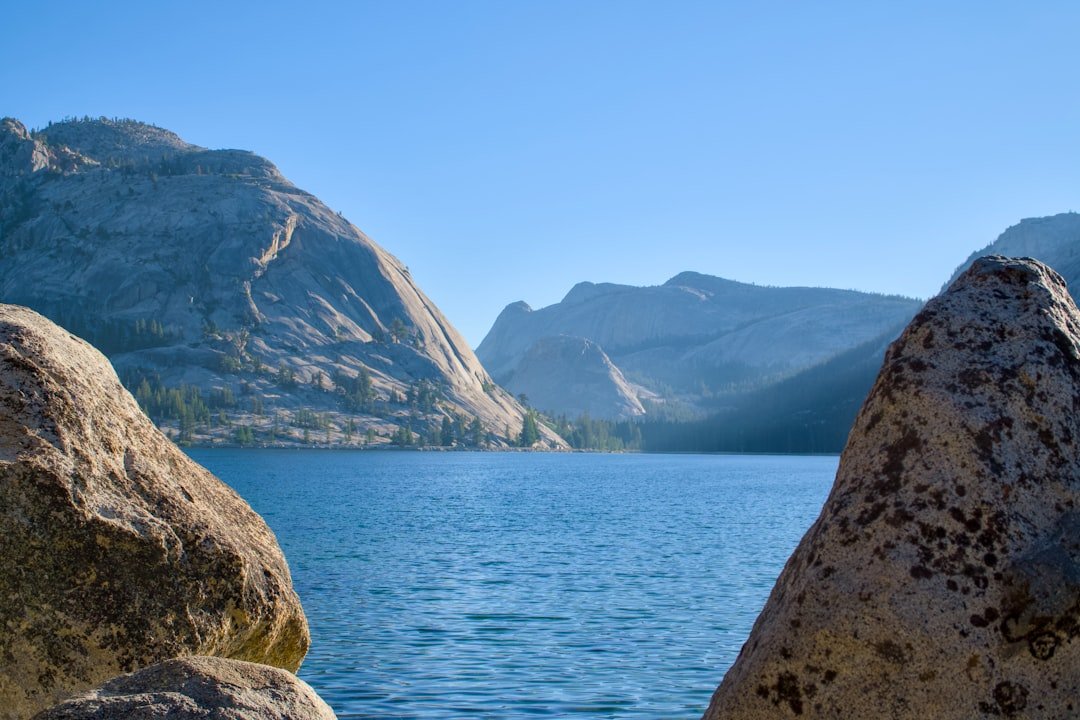
Let’s get this out of the way: Emerald Bay State Park is the most photographed spot in Tahoe, and it deserves the attention. That distinctive turquoise inlet framed by granite peaks, with Fannette Island sitting in the middle like a postage stamp — it’s the image that sells Tahoe to the world. But the experience depends entirely on when you go.
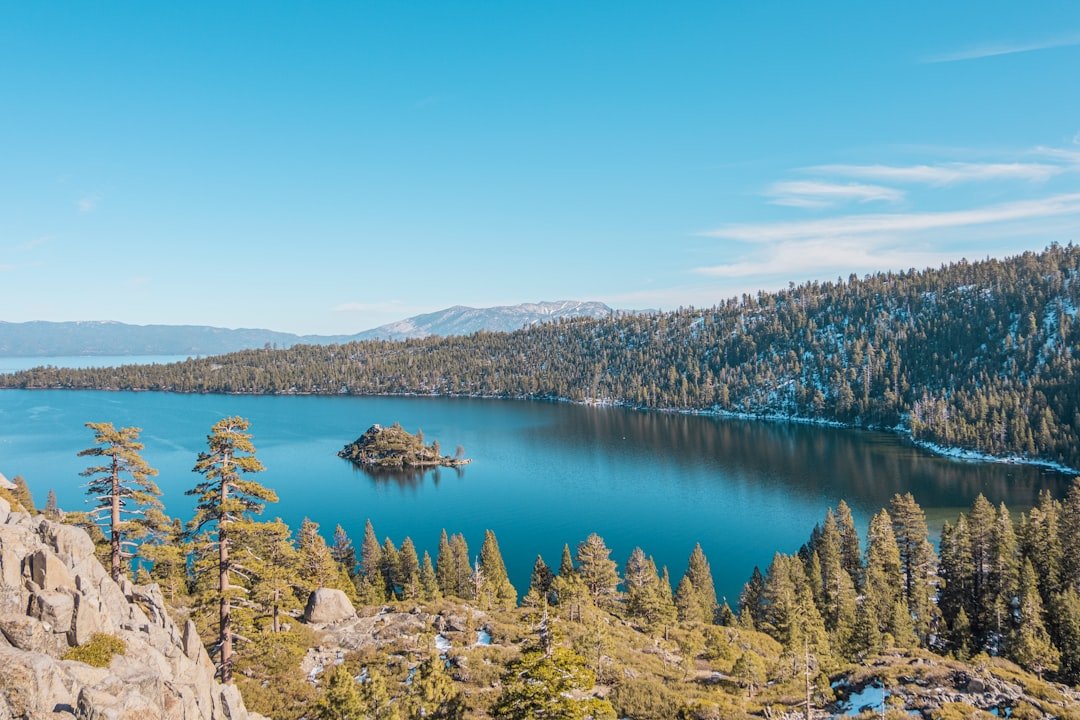
I hit Emerald Bay at sunrise on a Tuesday in early June and had the inspiration point vista almost to myself. Two other photographers, a couple of deer, and absolute silence. By the time I hiked back up at 9:30 AM, the parking lot was already filling with minivans and rental cars. The lesson is simple: set your alarm or skip it entirely. There’s no middle ground at Emerald Bay.
The hike down to Vikingsholm, the Scandinavian-style mansion built into the bay’s shore, is only a mile but drops 500 feet in elevation. It’s a spectacular little walk through Jeffrey pine forest, and the stone castle at the bottom feels like stumbling into a fairy tale. The return trip is a calf-burner though. I watched more than one day-tripper stopping every fifty feet on the way back up, hands on knees, questioning their life choices. A good pair of hiking boots with real traction makes a difference here — the trail gets sandy and slick in spots.
The Beaches: South Shore vs. North Shore
Tahoe has two distinct personalities depending on which side of the lake you’re on, and the beaches reflect this split. South Shore is where you go for energy — boats launching, music drifting from beach bars, families setting up elaborate picnics. North Shore is quieter, more local, with rockier coves and clearer water.
My favorite south shore spot is Pope Beach, which has soft sand (rare for Tahoe), shallow entry, and just enough shade from the lodgepole pines to keep your cooler from baking. It’s managed by the Forest Service, so there’s a small day-use fee, but the facilities are clean and the vibe is mellow. Baldwin Beach next door is equally nice and usually less crowded.
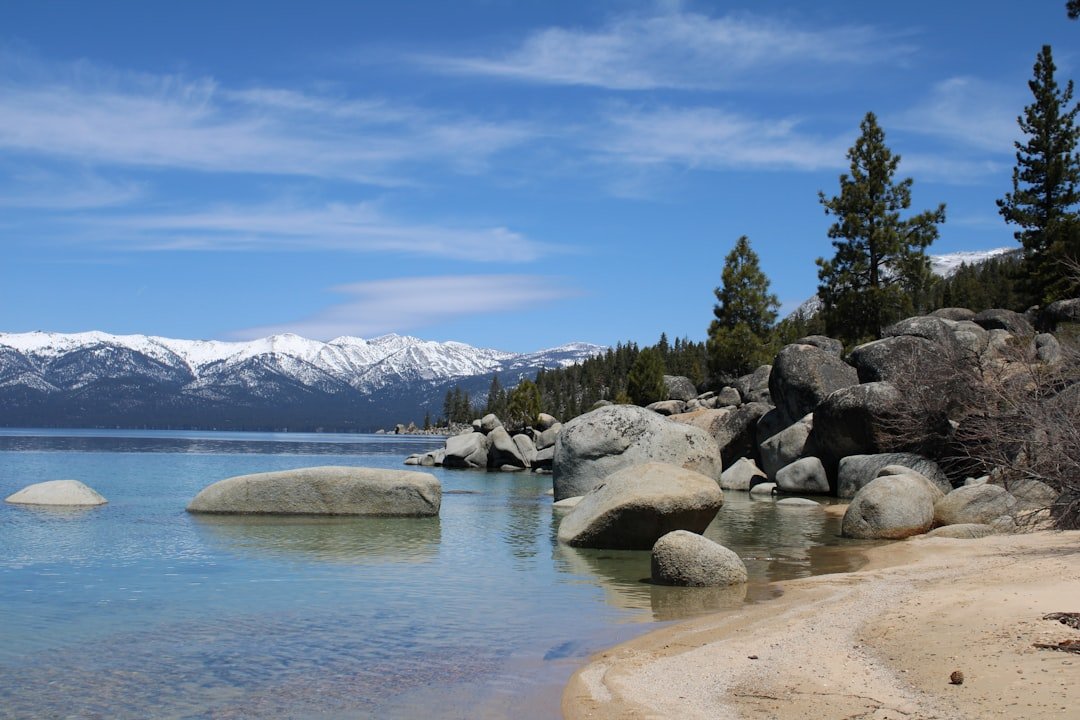
On the north side, Sand Harbor gets all the attention, and while it’s stunning — those massive granite boulders framing perfect blue water — the parking situation is brutal by mid-morning. Instead, I drive ten minutes north to Hidden Beach, which requires a short scramble down a dirt path but rewards you with a semi-private cove and some of the clearest water in the entire lake. Bring a dry bag for your phone and keys; the scramble back up is easier with both hands free.
Wherever you land, invest in a decent beach canopy or sun shelter. Tahoe’s UV index is no joke at 6,200 feet, and the sun will cook you faster than you think when you’re surrounded by reflective water and granite. I learned this the hard way my first summer — peeled skin on my shoulders for a week.
Hitting the Trails
The hiking around Tahoe is world-class, and June is when the high country opens up. The Pacific Crest Trail passes right through the basin, and you can sample sections without committing to a through-hike. My favorite day hike is the Eagle Lake Trail out of Emerald Bay — it’s only about 2.5 miles round trip but climbs past granite slabs and ends at a pristine alpine lake that’s ten degrees warmer than the main basin. Pack a hydration pack with at least two liters because there’s no reliable water source once you leave the trailhead.
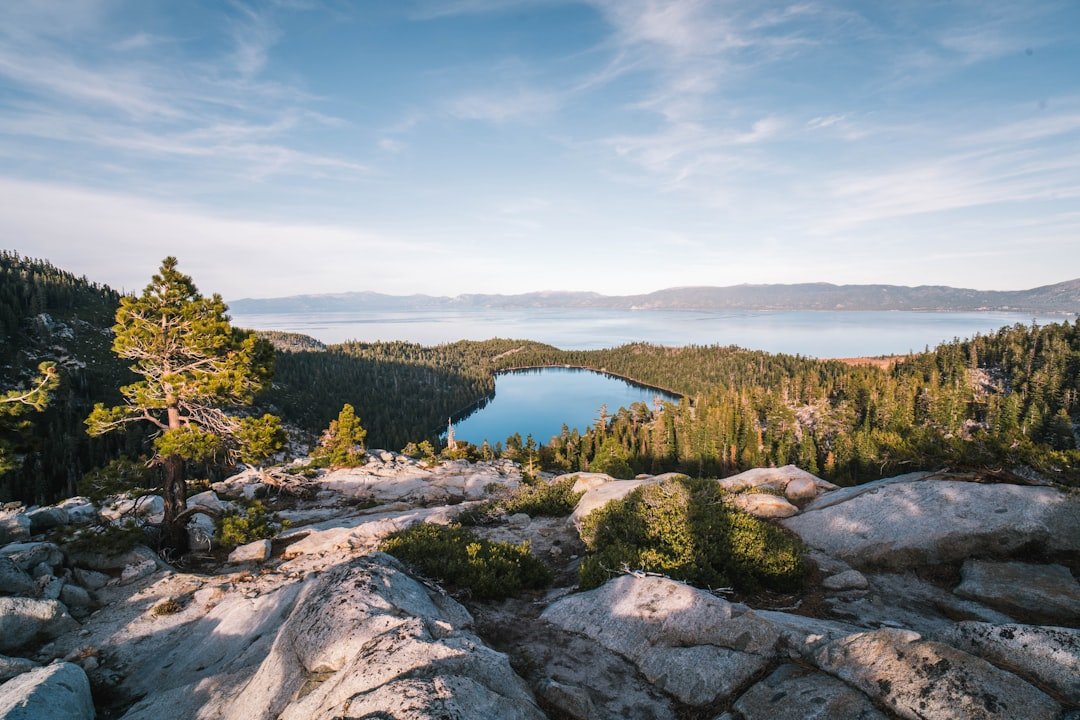
For something more ambitious, the Mt. Tallac Trail is the classic Tahoe summit hike. It’s 5 miles one way with 3,500 feet of elevation gain, and the panoramic view from the top takes in the entire lake, Desolation Wilderness, and on a clear day, peaks a hundred miles distant. I started at 6 AM in late June and was the first person on the summit. By the time I descended at noon, the switchbacks looked like an ant farm of hikers. Another reason to start early: afternoon thunderstorms are common in the Sierra during summer, and you do not want to be exposed on a granite ridge when lightning starts.
If you’re carrying a proper daypack with the ten essentials, Tallac is a very manageable day hike for anyone in reasonable shape. But respect the elevation. I’ve seen too many flatlanders from sea level try to charge up that trail and bonk at 9,000 feet. Acclimate for a day or two first. Hydrate more than you think you need. And seriously consider quality insect repellent — the mosquitoes above 8,000 feet in June can be absolutely biblical when the snowmelt creates standing water everywhere.
On the Water: Kayaking and Paddleboarding
The best way to understand Tahoe’s clarity is to get out on it. Standing on the shore, you see blue. Paddling out a hundred yards, you look down and see individual rocks on the bottom sixty feet below. It’s disorienting in the best possible way.
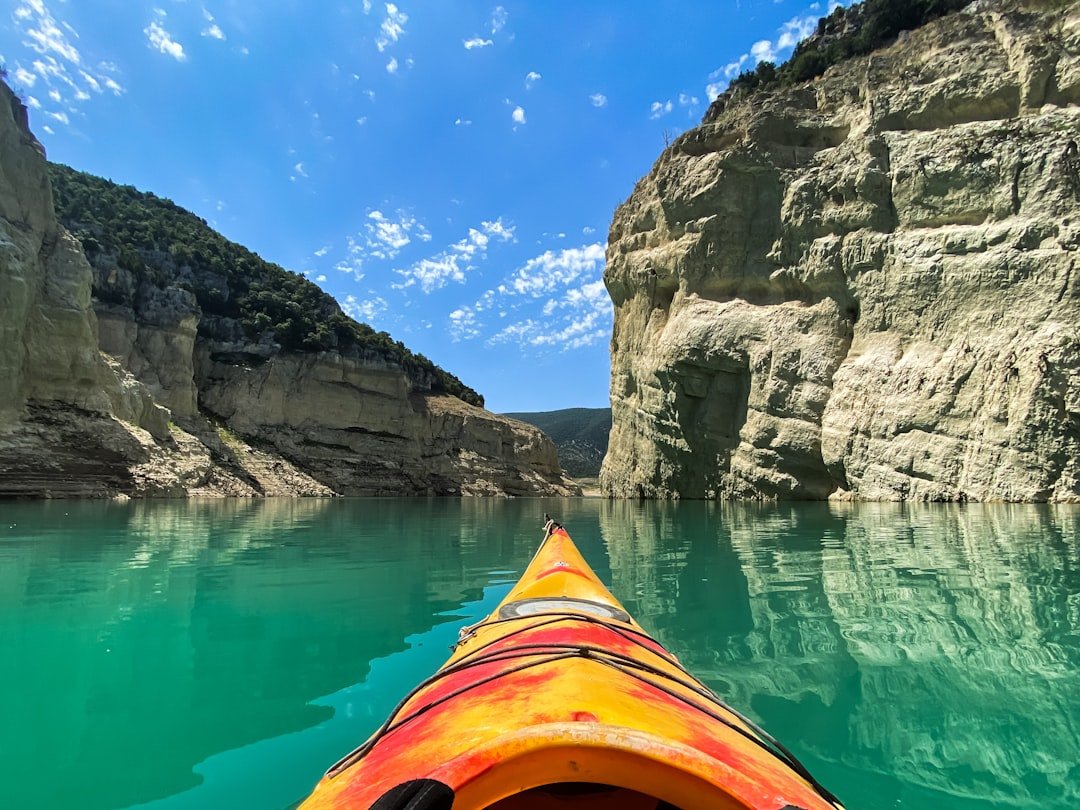
I’m partial to paddleboarding because it gives you a 360-degree vantage point and a killer core workout. An inflatable SUP packs down to fit in any trunk or van, and Tahoe’s morning water is typically glass-calm until the afternoon thermals kick in. Put in at Pope Beach or Lakeside Marina and paddle east toward the casinos — the shoreline transitions from sandy beach to massive granite boulders, and the water shifts from turquoise to deep sapphire.
Kayaking is better for covering distance, and a lap around Emerald Bay is the classic route. It’s about 4 miles and takes 2-3 hours depending on your pace and the wind. If you’re bringing your own boat, a solid J-bar roof rack makes transport painless. Rentals are available at multiple spots around the south shore for $40-60 per day.
One thing I cannot stress enough: reef-safe mineral sunscreen is mandatory. Tahoe’s water clarity is a fragile thing, and the conventional sunscreens that wash off swimmers and paddlers contribute to algae growth that clouds the lake. Several beaches now have sunscreen-only dispensers with mineral-based formulas. Use them. Or better yet, bring your own and a good pair of polarized sunglasses — the glare on the water is intense, and being able to see the underwater rock formations while you paddle is half the experience.
Where to Eat and Refuel
South Lake Tahoe has no shortage of restaurants, but the place I keep going back to is MacDuff’s Pub on the California side — a proper mountain bar with sticky tables, darts in the back, and a burger that genuinely competes with anything I’ve had in Montana. For morning coffee, Drink Coffee Do Stuff roasts their beans in Truckee and pulls a shot that’ll get you up any mountain.
On the north shore, West Shore Market in Homewood is the kind of place where you grab sandwiches for a beach day and end up chatting with the owner about trail conditions for twenty minutes. Their Italian sub has fueled at least a dozen of my hikes. Pack a soft cooler bag with ice from your hotel and you’ve got lunch sorted for the trail or the beach.
For groceries and supplies, the Safeway in South Lake Tahoe is your best bet for stocking up before heading to more remote areas. Prices are slightly inflated but nothing outrageous compared to other mountain towns.
Camping vs. Lodging
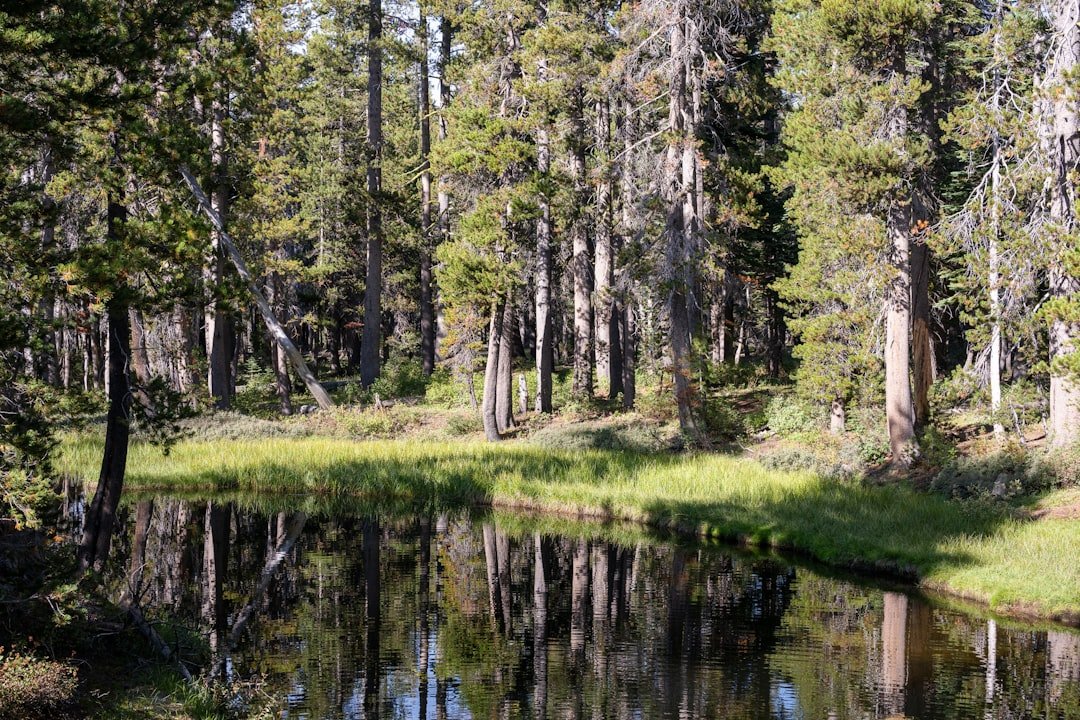
Tahoe has excellent camping if you plan ahead. D.L. Bliss State Park on the west shore has sites perched on a bluff above the lake, and Camp Richardson on the south shore is more developed with hot showers and a marina. Both fill up months in advance for summer weekends, so book through Recreation.gov the moment reservations open.
For hotel lodging, the south shore casino corridor (Harrah’s, Harvey’s, Bally’s) offers surprisingly reasonable weekday rates in June. You’re trading charm for convenience, but being walking distance from the beach and restaurants has value when you’re tired from a long hike. On the north shore, Tahoe City has a cluster of small motels and lodges that feel more like a mountain town and less like a casino floor.
If you’re doing the van life or road trip circuit, there are several Forest Service campgrounds along Highway 89 that operate on a first-come, first-served basis. Get there Thursday afternoon for a Friday night spot.
What I’d Skip
The Heavenly Gondola is expensive ($50+) and the views, while nice, are better from any number of free trailheads. The Stateline casinos are fine if you’re into that, but they feel disconnected from everything that makes Tahoe special. And the wafer rock photo spot during peak hours — just look at the Instagram pictures and save yourself the 45-minute line.
Instead, spend that time driving the east shore on Highway 28. It’s one of the most beautiful stretches of pavement in America, winding past hidden coves and granite pullouts where you can park free and have a picnic. Stop at the Log Cabin overlook, skip rocks at Secret Harbor Beach, and watch the sun drop behind the Sierra crest from somewhere quiet. That’s the Tahoe that keeps pulling me back.
The Bottom Line
Lake Tahoe in June is the kind of destination that ruins other mountain lakes for you. The water is too clear, the peaks too dramatic, the combination of alpine and desert environments too unique. It’s not a hidden gem — millions of visitors a year can’t be wrong — but it rewards effort. Show up early, bring the right gear, respect the environment, and you’ll find that the best parts of Tahoe aren’t the postcard moments. They’re the quiet ones: the first paddle stroke on glass-calm water at dawn, the wind in the Jeffrey pines sounding like waves, the last warm afternoon on a granite slab watching the light change across the basin.
Go in June. Start early. Bring layers. Everything else will work itself out.
2 thoughts on “Lake Tahoe in June: How to Experience the Sierra’s Crown Jewel Before the Crowds Arrive”